 Richard Cockle LucasVereinigtes Königreich, 1800–1883
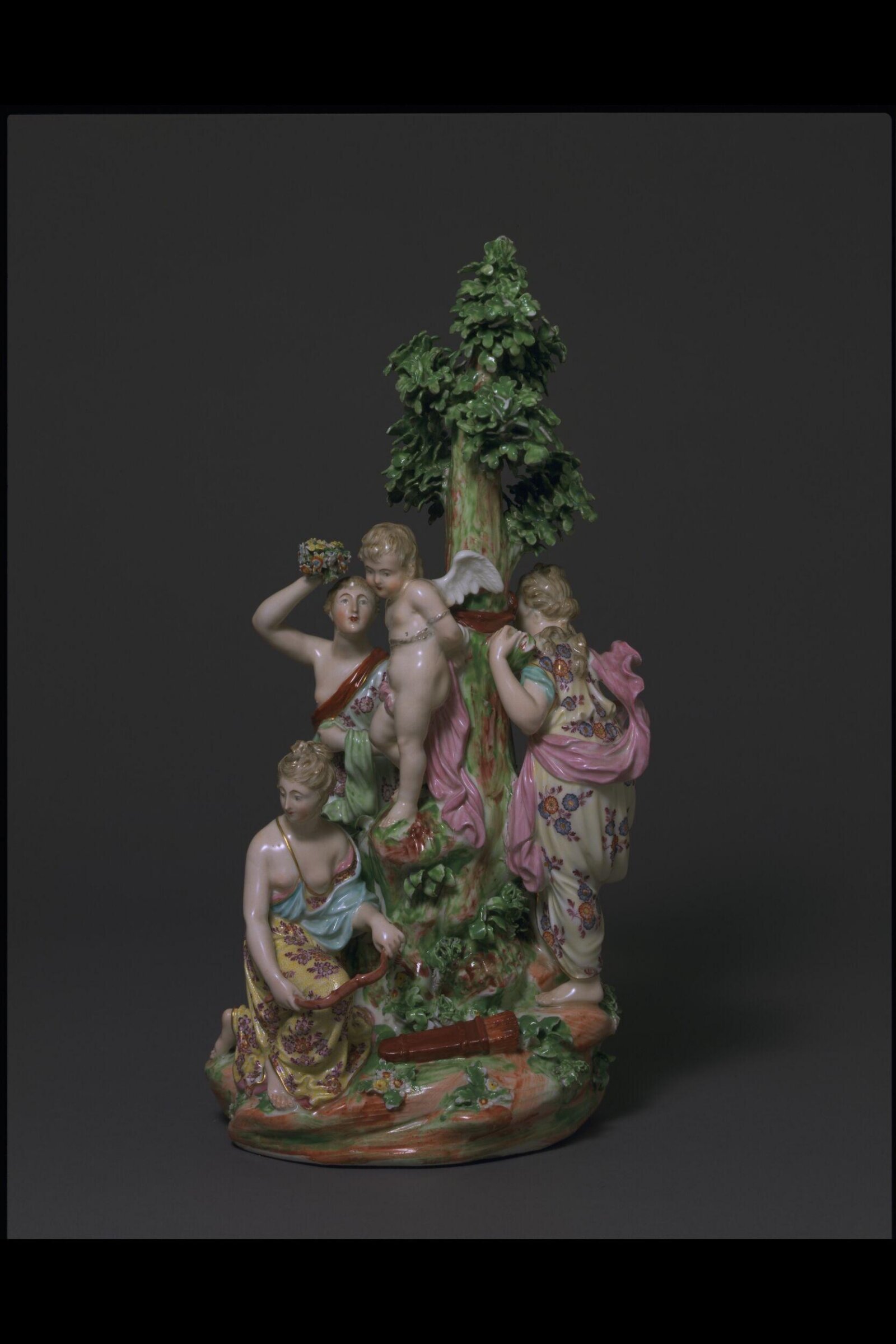
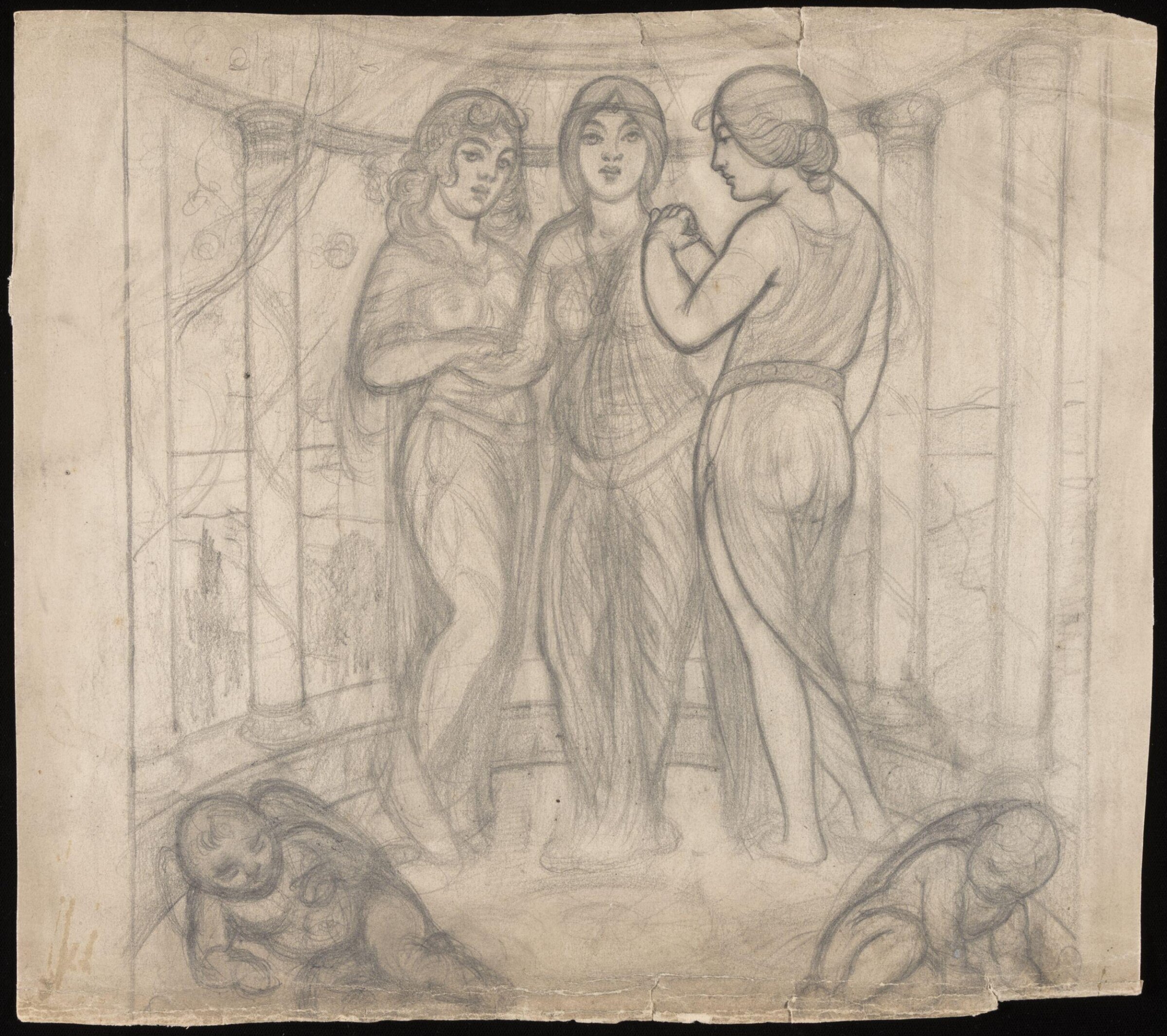
The Three Graces
Kann ich es sehen?
Derzeit nicht ausgestellt
Wo ist „The Three Graces“ heute? Sammlung: Victoria and Albert Museum, London. Derzeit nicht ausgestellt. Geprüft 25. September 2026.

London, Vereinigtes Königreich
Es gehört zur Sammlung, ist derzeit aber nicht ausgestellt.
- Geprüft
- Unverändert seit
- Quelle
- Das Museum
Über die Skulptur
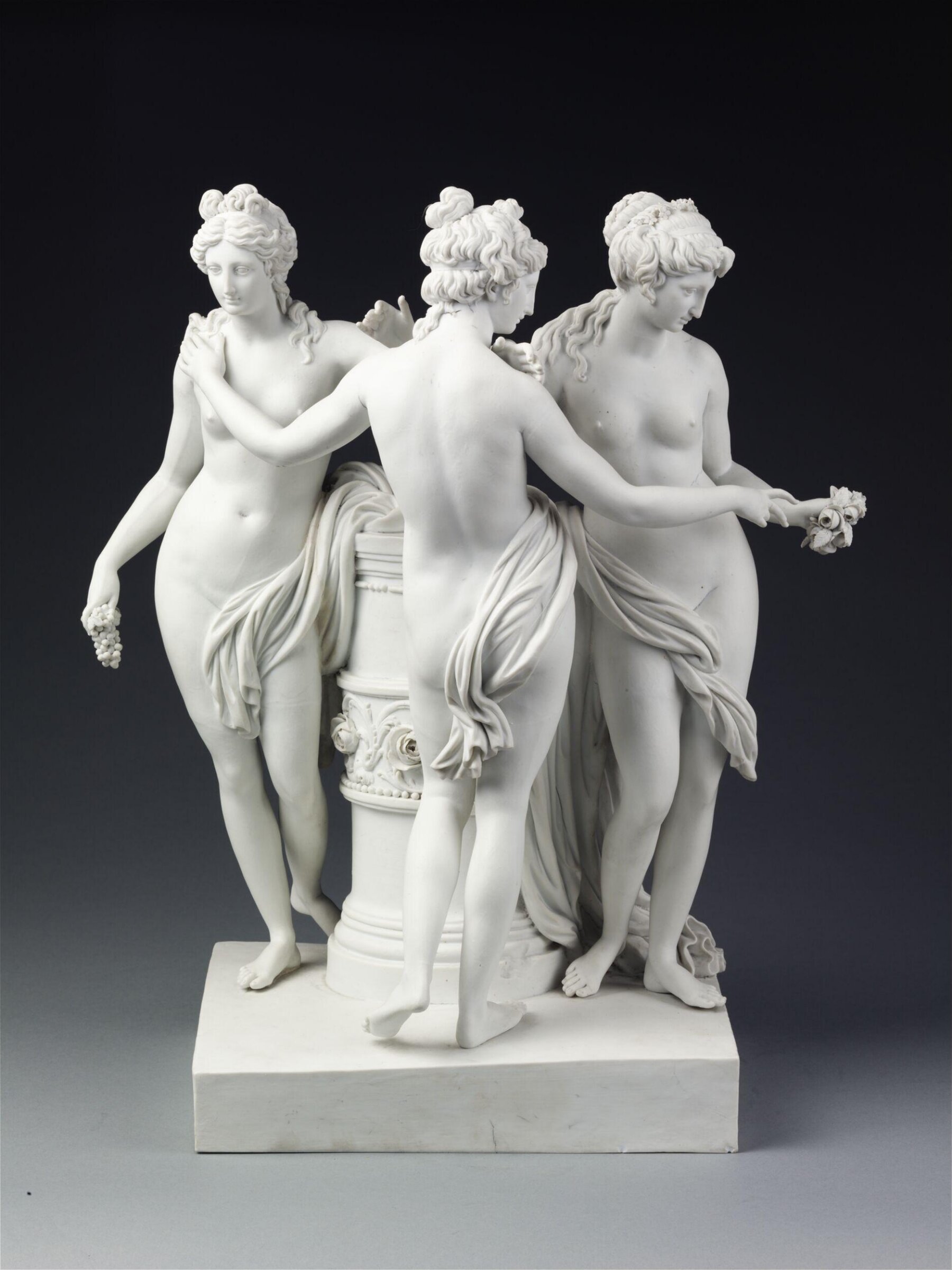
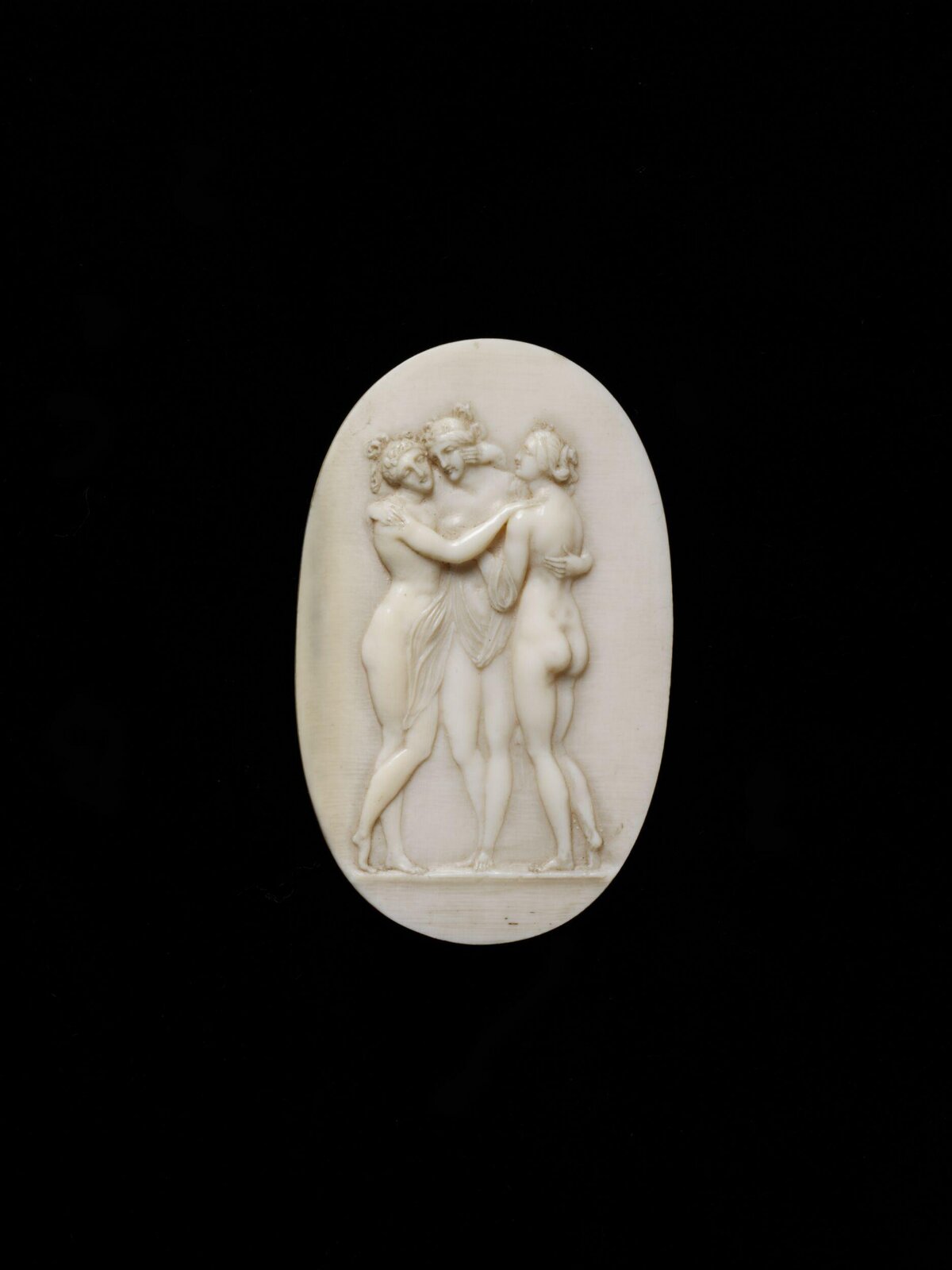
This is an ivory medallion plaque made by Richard Cockle Lucas in England in about 1840-1965. The plaque is carved in high relief and represents the Three Graces. This plaque was probably made after an engraving by Henry Moses of 1814, which shows Canova's first version of the Graces, now in the Hermitage, St. Petersburg, viewed from slightly right of centre. The supporting column necessary for the marble group has been omitted from the composition.
Mehr lesen
Richard Cockle Lucas (1800-1883) is mainly known as a sculptor in wax and ivory, but he also worked in glass, marble and bronze, as well as being a painter. Lucas began his career as a sculptor as an apprentice to his uncle, who worked as a cutler in Winchester, carving knife handles. He joined the Royal Academy Schools in 1828 and studied under Richard Westmacott. Lucas made two models of the Parthenon, in its original state and after the explosion of 1687, which were acquired by the British Museum. He is best known for his small scale works including wax sculptures and ivory carvings. Lucas was at the centre of a controversy about the bust of Flora in the Kaiser Friedrich Museum in Berlin. The bust was thought to be an authentic work by Leonardo da Vinci but the sculptor's son Albert Dürer Lucas claimed in the Burlington Magazine that the bust was modelled by his father.
It is now generally thought that the bust is probably by Leonardo or his circle but was repaired by Lucas. He exhibited at the Royal Academy between 1829 and 1859 and showed ivory carvings and imitation bronzes at the Great Exhibition in 1851.
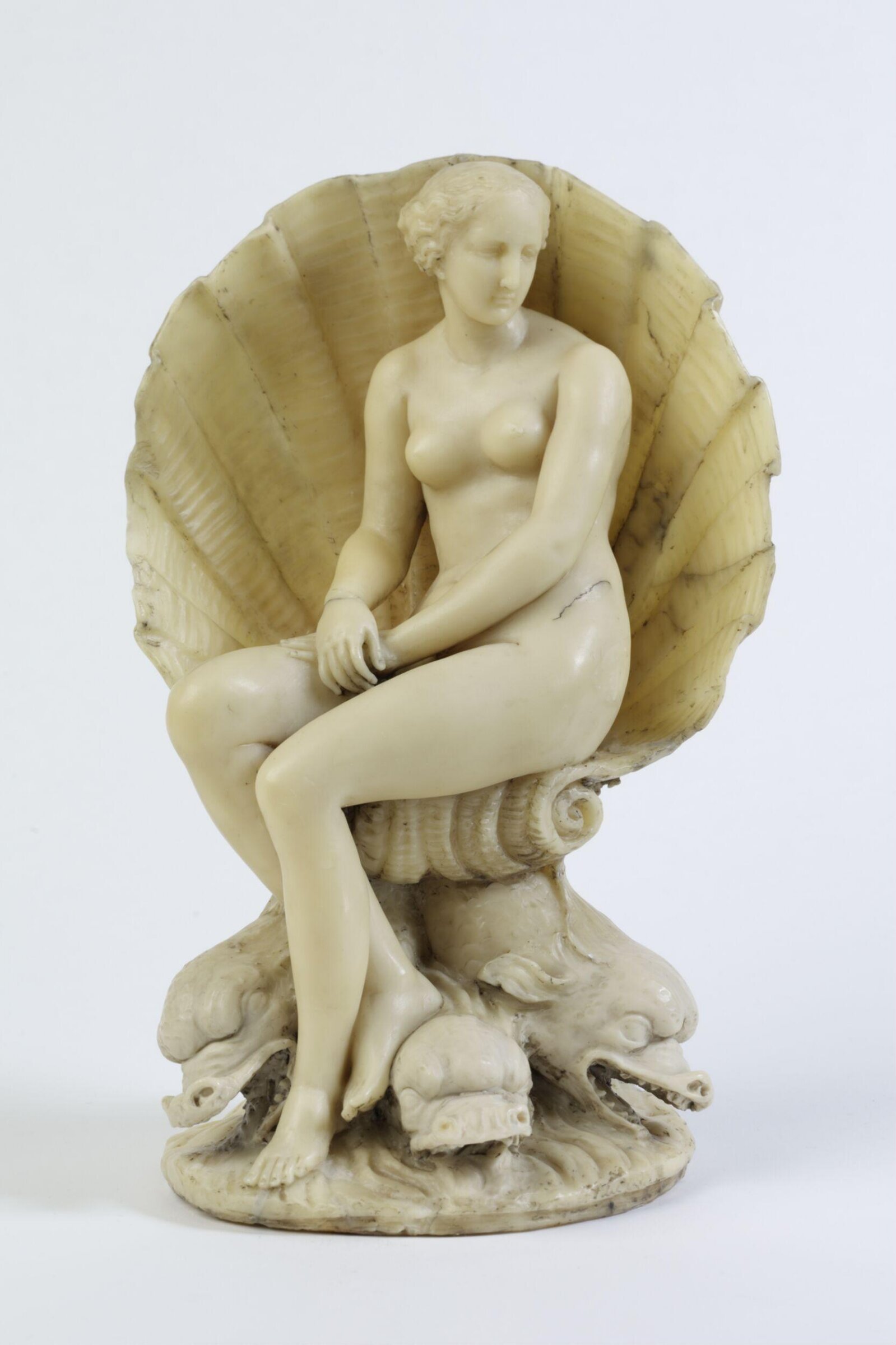
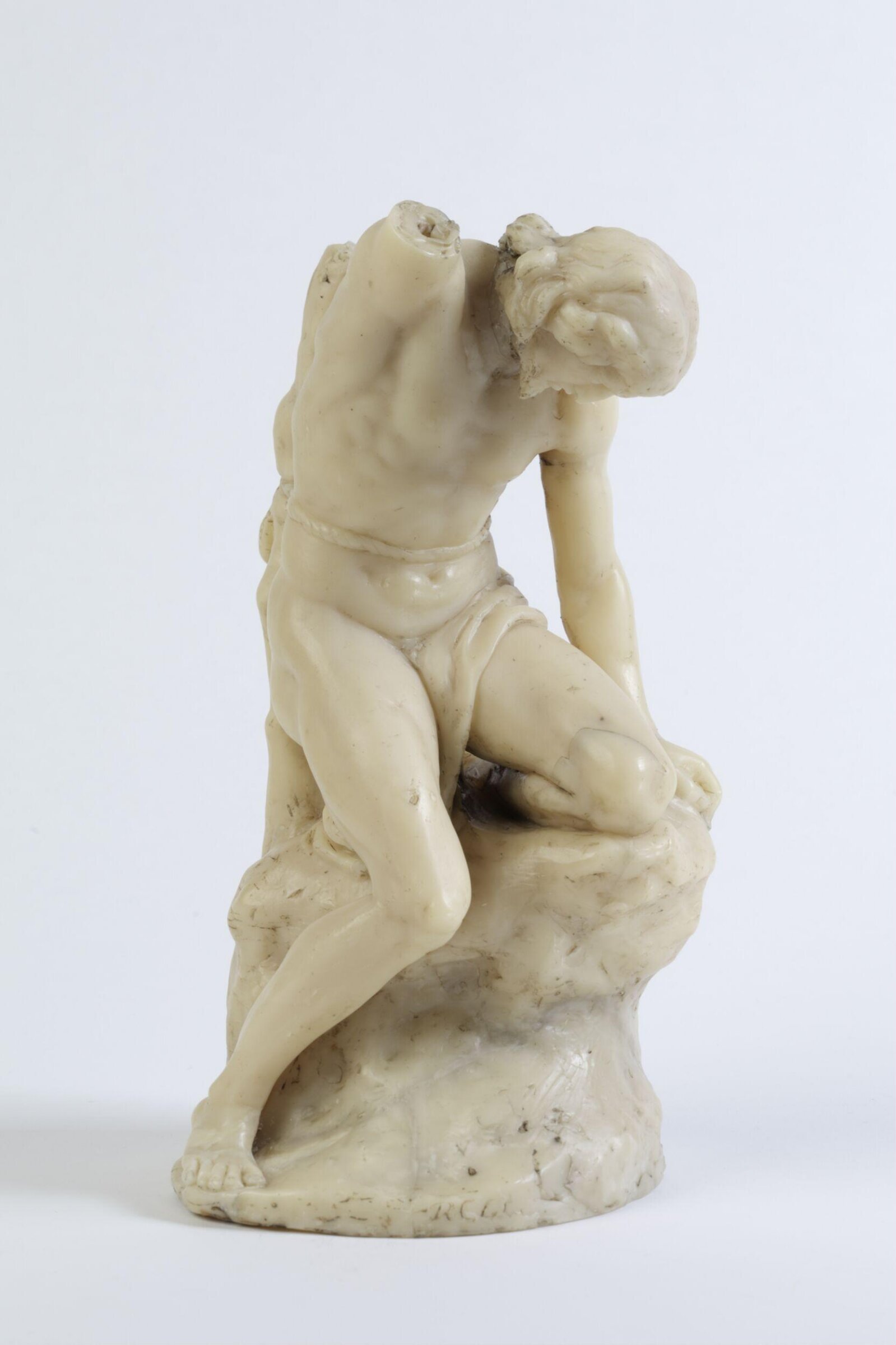
Although both these ivories depict classical subjects, they are certainly Victorian in style and scale, suggesting a more domesticated and less monumental context.
The Graces, Aglaia, Euphrosyne and Thalia, were the daughters of Zeus, and personifications of grace and beauty. They are generally represented, as here, almost nude, with a wisp of drapery draped around their hips, embracing each other, their arms intertwined. Lucas has shown the Grace on the right virtually as a back view, while the central figure is viewed from the front, and that one body of the Grace on the left is seen from the side. They could thus be said to show together, even though in relief form, the figure of the female nude from almost all angles. Presumably Lucas intended to depict idealised female forms, but the anatomical proportions are somewhat awkward, as can be seen in the overly slender legs, the miniscule feet and the figures’ somewhat clumsy stance.
Victoria and Albert Museum
Angaben
- Inventarnummer
- 198-1865
Was es zeigt
Im Katalog
Quellen
- Victoria and Albert Museum
- Bild: Victoria and Albert Museum — © Victoria and Albert Museum, London