 Alberto GiacomettiSchweiz, 1901–1966
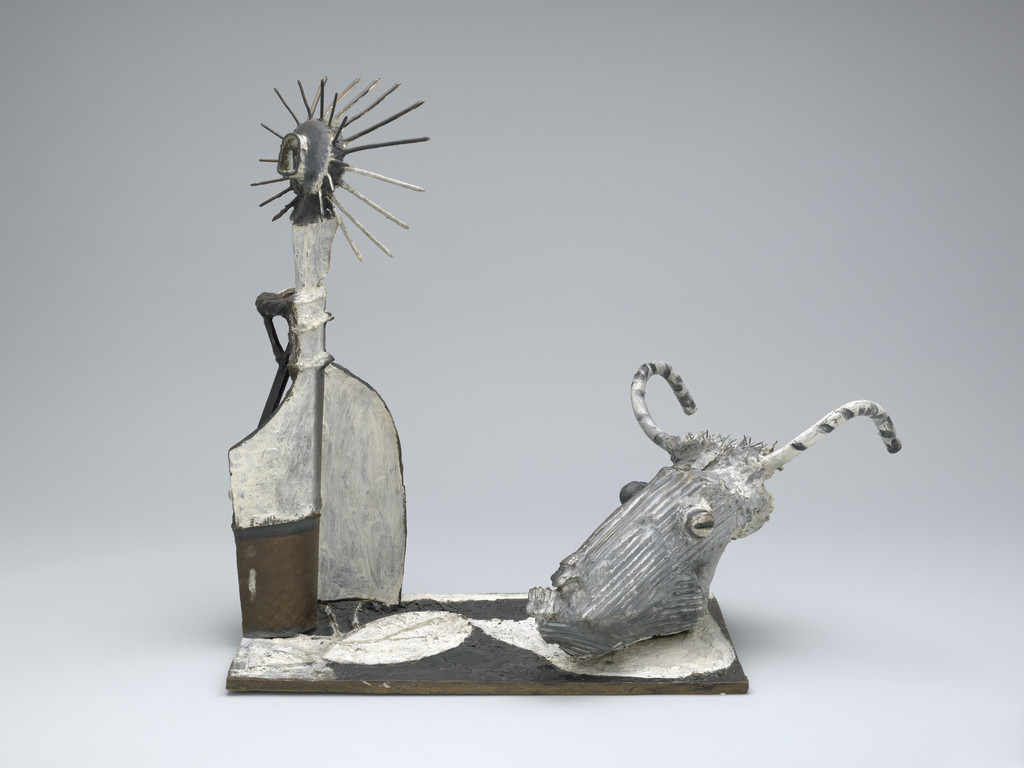
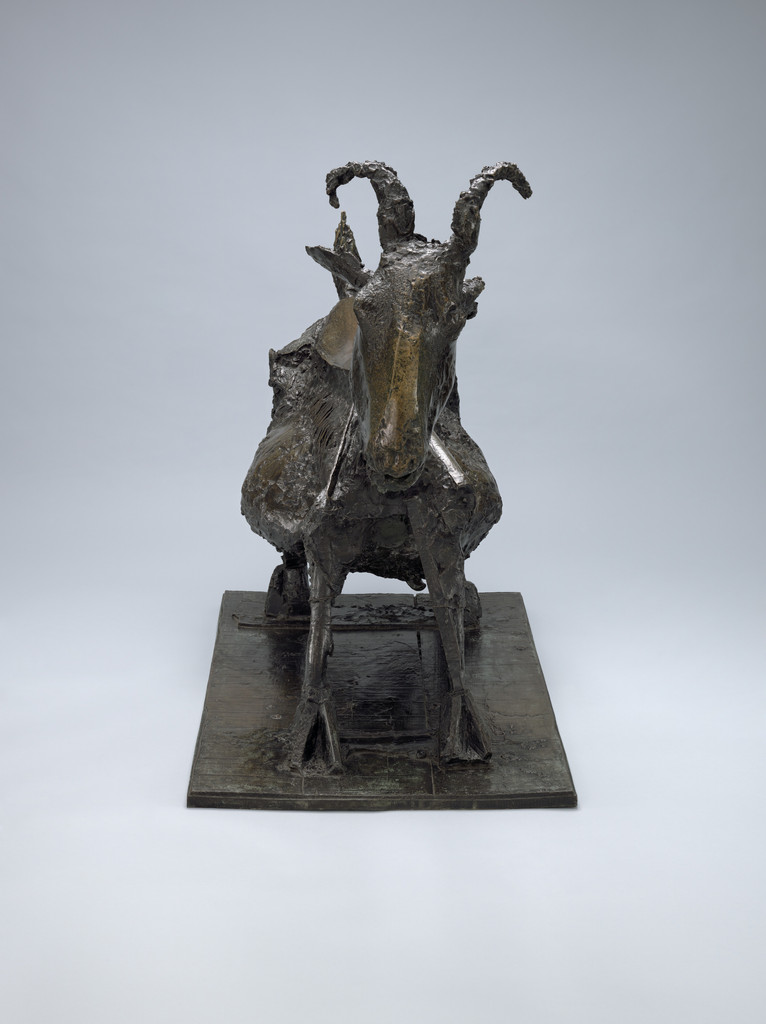
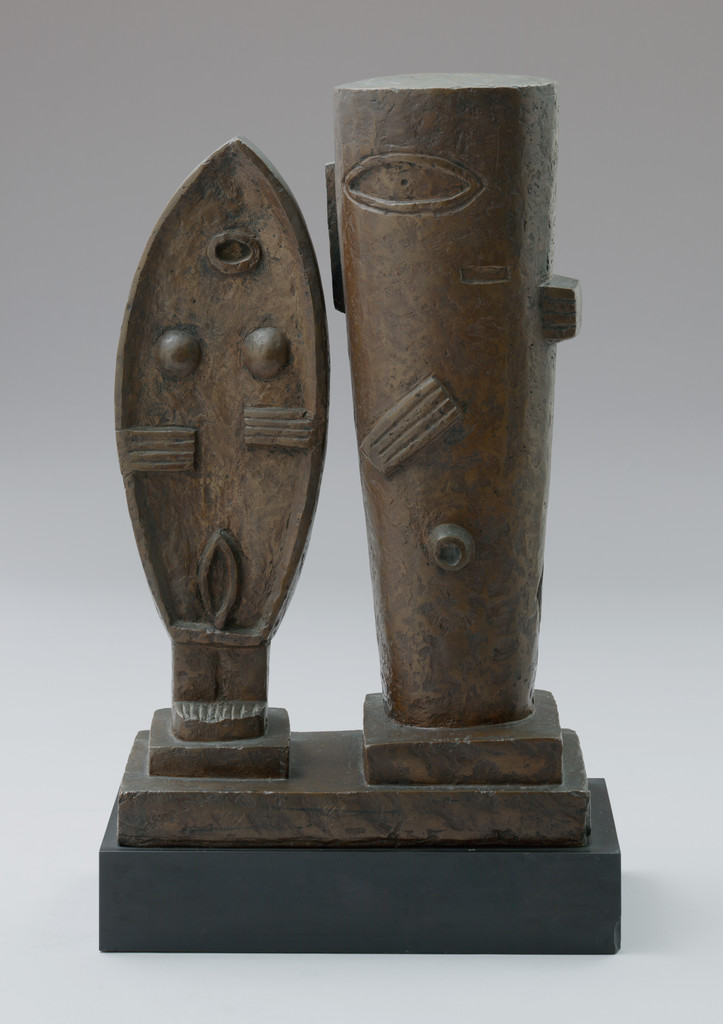
The Couple
Darf man es sehen?
Empfängt derzeit nicht

Museum of Modern Art
New York City, Vereinigte Staaten
Es gehört zur Sammlung, ist derzeit aber nicht ausgestellt.
- Geprüft
- Quelle
- Das Museum
Angaben
- Inventarnummer
- 21.2004
Im Katalog
Quellen
- Museum of Modern Art
- Bild: Museum of Modern Art — © the artist or rights holder
Derweil im Leben von Alberto Giacometti
Das ganze Leben1925–1927
Cubism and the art of Africa, Oceania and ancient America
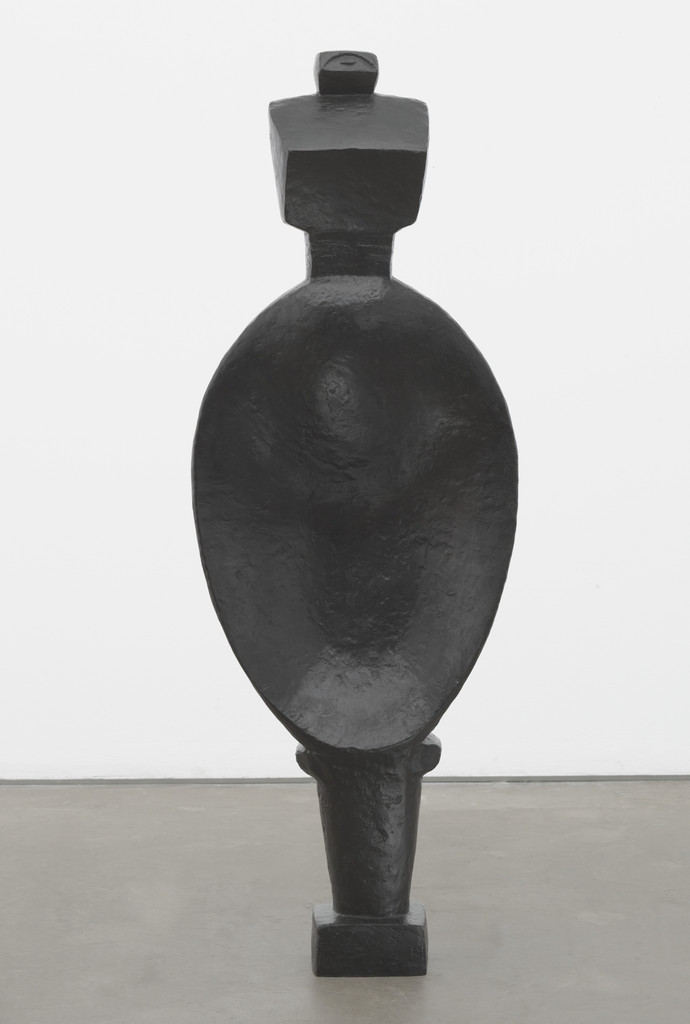
His early works were realistic, but in Paris he came under the influence of Cubism (Torso, 1925; Characters, 1926–1927) and of the art of Africa, Oceania and ancient America (Head, 1925; Crouching Little Man and Spoon Woman, 1926).
1926
Moves into a Montparnasse studio
In 1926 he moved into a simple studio at 46 rue Hippolyte-Maindron, which was also his home and which he would not leave for the rest of his life. There he experimented with Cubism and Surrealism and came to be regarded as one of the leading Surrealist sculptors; among his associates were Miró, Max Ernst, Picasso and Balthus.
1927
Works shown at the Salon des Tuileries
In 1927 Giacometti’s works were presented at the Salon des Tuileries.
1929–1930
Joins the Surrealists and André Breton
He became involved with the Surrealists and André Breton (sources give 1929 or 1930) and was an active member of the group for several years; he published in the journal Surrealism in the Service of the Revolution.
1932
First solo exhibition
Giacometti’s first solo exhibition took place in 1932, five years after his works were shown at the Salon des Tuileries.