ART WIKI32.963 ausgestellt
KarteSammlungKünstlerMuseenAusstellungenJournal
Anmelden

ART WIKI

Wo das Meisterwerk hängt und wann man vorgelassen wird.

Sammlungen: Art Institute of Chicago, Cleveland Museum of Art, Eremitage, Getty Villa, Harvard Art Museums, Hirshhorn Museum and Sculpture Garden, J. Paul Getty Museum, Louvre, Metropolitan Museum of Art, Minneapolis Institute of Art, Museum of Modern Art, National Gallery of Art, National Museum of Asian Art, National Portrait Gallery, Puschkin-Museum, Rijksmuseum Amsterdam, Russisches Museum, Smithsonian American Art Museum, Statens Museum for Kunst, Tretjakow-Galerie, Victoria and Albert Museum, Whitney Museum of American Art, Staatskatalog des Museumsfonds Russlands (274 Museen), Europeana (19 Museen), Wikidata (6 Museen), Paris Musées (12 Museen) und Joconde, die Museumsdatenbank des französischen Kulturministeriums (495 Museen). Die Bilder gehören ihren Rechteinhabern.

Rubriken

  • Karte
  • Suche
  • Sammlung
  • Meisterwerke
  • Jetzt ausgestellt
  • Künstler

Mehr

  • Museen & Galerien
  • Ausstellungen
  • Journal
  • Woher die Daten stammen
  • Datenschutz & Cookies
StartseiteKarteKatalog
  1. Sammlung/
  2. Art Institute of Chicago/
  3. Spain
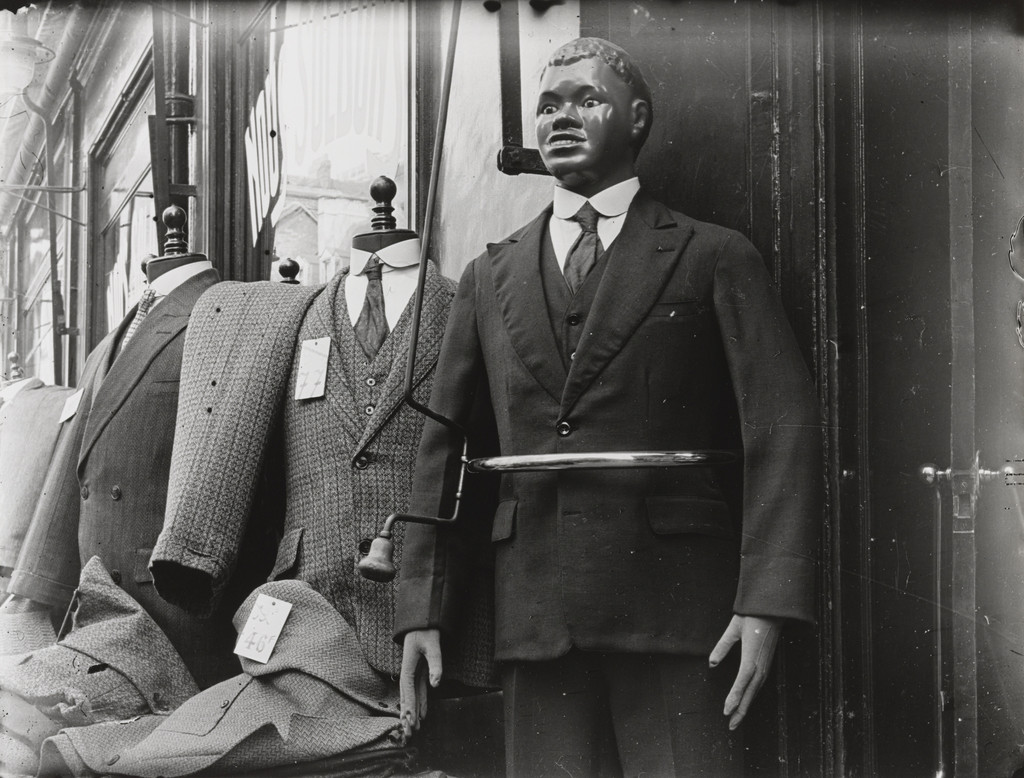
Spain, Henri Cartier-Bresson, 1933
Henri Cartier-Bresson, PorträtHenri Cartier-BressonFrankreich, 1908–2004

Spain

1933 · Photograph

Darf man es sehen?

Empfängt derzeit nicht

Art Institute of Chicago

Chicago, Vereinigte Staaten

Es gehört zur Sammlung, ist derzeit aber nicht ausgestellt.

Geprüft
vor 3 Tagen
Unverändert seit
19. Aug. 2026
Quelle
Das Museum
Auf der KarteMuseumsseite

Über das Werk

Henri Cartier-Bresson became known for “the decisive moment,” an instantaneous composition of a scene, for which the photographer must act quickly and intuitively. As a photojournalist for Magnum Photos, the agency he founded with his colleagues Robert Capa and David “Chim” Seymour, he traveled across the world, photographing some of the most important events of the 20th century. Early in his career, he developed a distinct style of photography and made some of his most famous and enduring images.

Art Institute of Chicago · CC BY 4.0

Angaben

1933 · mit 25 Jahren
19082004
Inventarnummer
1979.63

Im Katalog

FotografienSilbergelatineabzugModerne20. JahrhundertFrankreich

Quellen

  • Art Institute of Chicago
  • Bild: Art Institute of Chicago — © the artist or rights holder

Derweil im Leben von Henri Cartier-Bresson

Das ganze Leben
  1. 1930–1932

    Escape to Africa: Côte d’Ivoire

    After reading Conrad’s “Heart of Darkness” in the army he decided to escape and seek adventure in Côte d’Ivoire; he lived by shooting game and selling it to villagers, and later carried methods learned hunting into his photography. Only seven photographs survived the tropics, although he had taken a portable camera smaller than a Brownie.

  2. 1930–1932

    Blackwater fever and instructions for his own funeral

    In Côte d’Ivoire he contracted blackwater fever, which nearly killed him; still feverish, he sent his grandfather instructions for his own funeral — in Normandy, at the edge of the Eawy Forest, with Debussy’s String Quartet played.

  3. 1931–1932

    Munkácsi’s photograph, a Leica and the choice of photography

    Recovering in Marseille, he saw Martin Munkácsi’s photograph “Three Boys at Lake Tanganyika” and “suddenly understood that a photograph could fix eternity in an instant”; he gave up painting and bought a Leica with a 50 mm lens, darkening its shiny parts to stay unnoticed.

  4. 1933

    First exhibitions: New York and Madrid

    In 1933 his photographs were first exhibited at the Julien Levy Gallery in New York and then at the Ateneo Club in Madrid.

  5. 1934

    He meets Chim, and through him Capa

    In 1934 he met the young Polish intellectual and photographer David Szymin, known as “Chim” (later David Seymour), and through him the Hungarian photographer Endré Friedmann, the future Robert Capa; he would later found Magnum with them.

  6. 1934

    In Mexico, a shared show with Álvarez Bravo

    In 1934 in Mexico he shared an exhibition with Manuel Álvarez Bravo at the Palacio de Bellas Artes.
Mehr von Henri Cartier-Bresson

Alle Werke
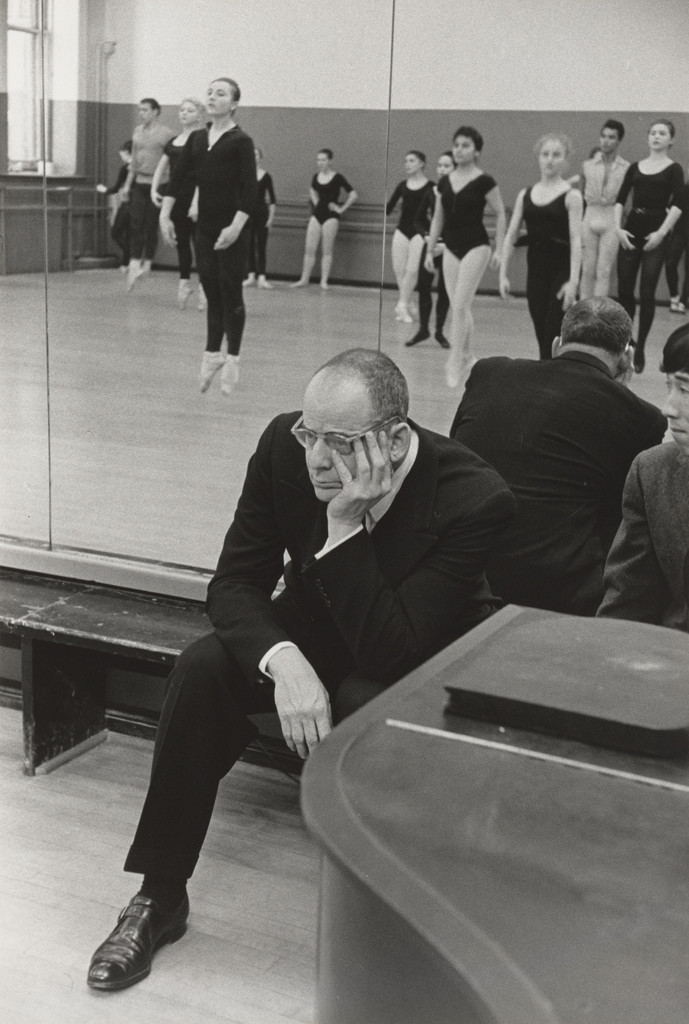
Lincoln Kirstein, Henri Cartier-Bresson, 1964

Lincoln Kirstein

1964 · Museum of Modern Art

Rouen, Henri Cartier-Bresson, 1929

Rouen

1929 · Nicht ausgestellt · Museum of Modern Art

France, Henri Cartier-Bresson, 1929

France

1929 · Nicht ausgestellt · Museum of Modern Art

Dieppe, France, Henri Cartier-Bresson, 1929

Dieppe, France

1929 · Nicht ausgestellt · Museum of Modern Art

Rouen, Henri Cartier-Bresson, 1929

Rouen

1929 · Nicht ausgestellt · Museum of Modern Art

Budapest, Henri Cartier-Bresson, 1931

Budapest

1931 · Nicht ausgestellt · Museum of Modern Art

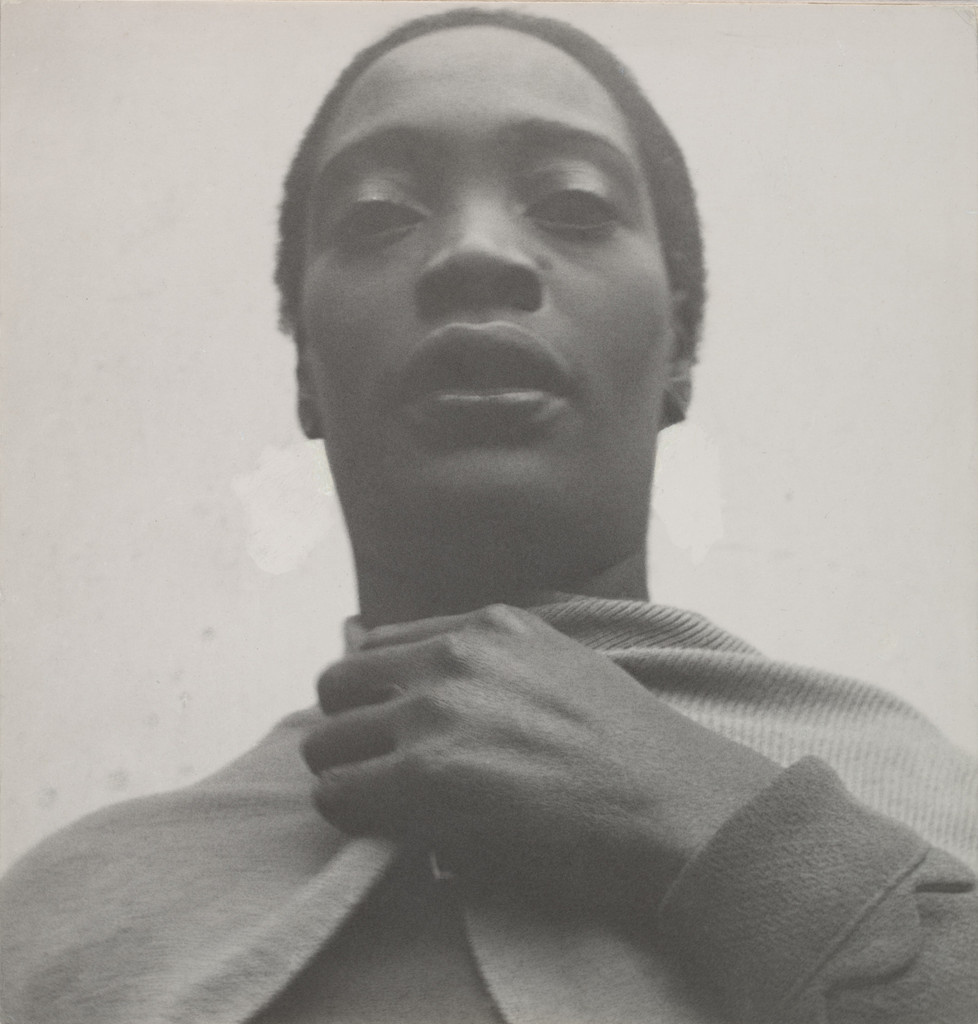
Front view of Jalma with her Hand, Montmarte (Jalma de face et sa main, Montmarte), Henri Cartier-Bresson, c. 1931

Front view of Jalma with her Hand, Montmarte (Jalma de face et sa main, Montmarte)

c. 1931 · Nicht ausgestellt · Museum of Modern Art

Untitled, Henri Cartier-Bresson, c. 1931

Untitled

c. 1931 · Nicht ausgestellt · Museum of Modern Art

Nachbarn im Haus: Art Institute of Chicago

Museumsseite
The Bedroom, Vincent van Gogh, 1889

Vincent van Gogh

The Bedroom, 1889

A Sunday on La Grande Jatte — 1884, Georges Seurat, 1884–86, border added 1888–89

Georges Seurat

Ein Sonntagnachmittag auf der Insel La Grande Jatte, 1884–86, border added 1888–89

Paris Street; Rainy Day, Gustave Caillebotte, 1877

Gustave Caillebotte

Straße in Paris an einem regnerischen Tag, 1877

Two Sisters (On the Terrace), Pierre-Auguste Renoir, 1881

Pierre-Auguste Renoir

Auf der Terrasse, 1881

The Basket of Apples, Paul Cézanne, c. 1893

Paul Cézanne

The Basket of Apples, c. 1893

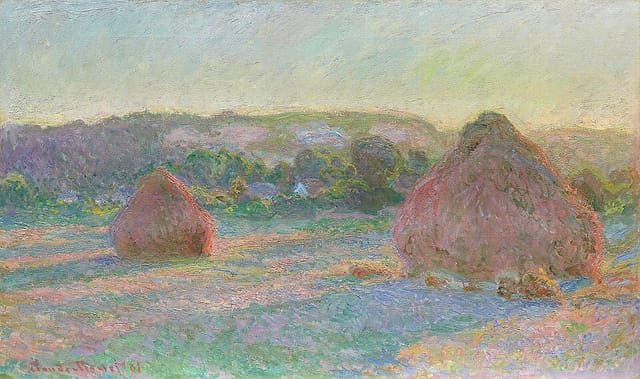
Stacks of Wheat (End of Summer), Claude Monet, 1890–91

Claude Monet

Stacks of Wheat (End of Summer), 1890–91

American Gothic, Grant Wood, 1930

Grant Wood

American Gothic, 1930

Nighthawks, Edward Hopper, 1942

Edward Hopper

Nighthawks, 1942