Robert RauschenbergVereinigte Staaten, 1925–2008
Short Circuit
Darf man es sehen?
Empfängt derzeit nicht

Art Institute of Chicago
Chicago, Vereinigte Staaten
Es gehört zur Sammlung, ist derzeit aber nicht ausgestellt.
- Geprüft
- vor 1 Stunde
- Unverändert seit
- 28. Sept. 2026
- Quelle
- Sammlungsdaten des Museums selbst
About the painting
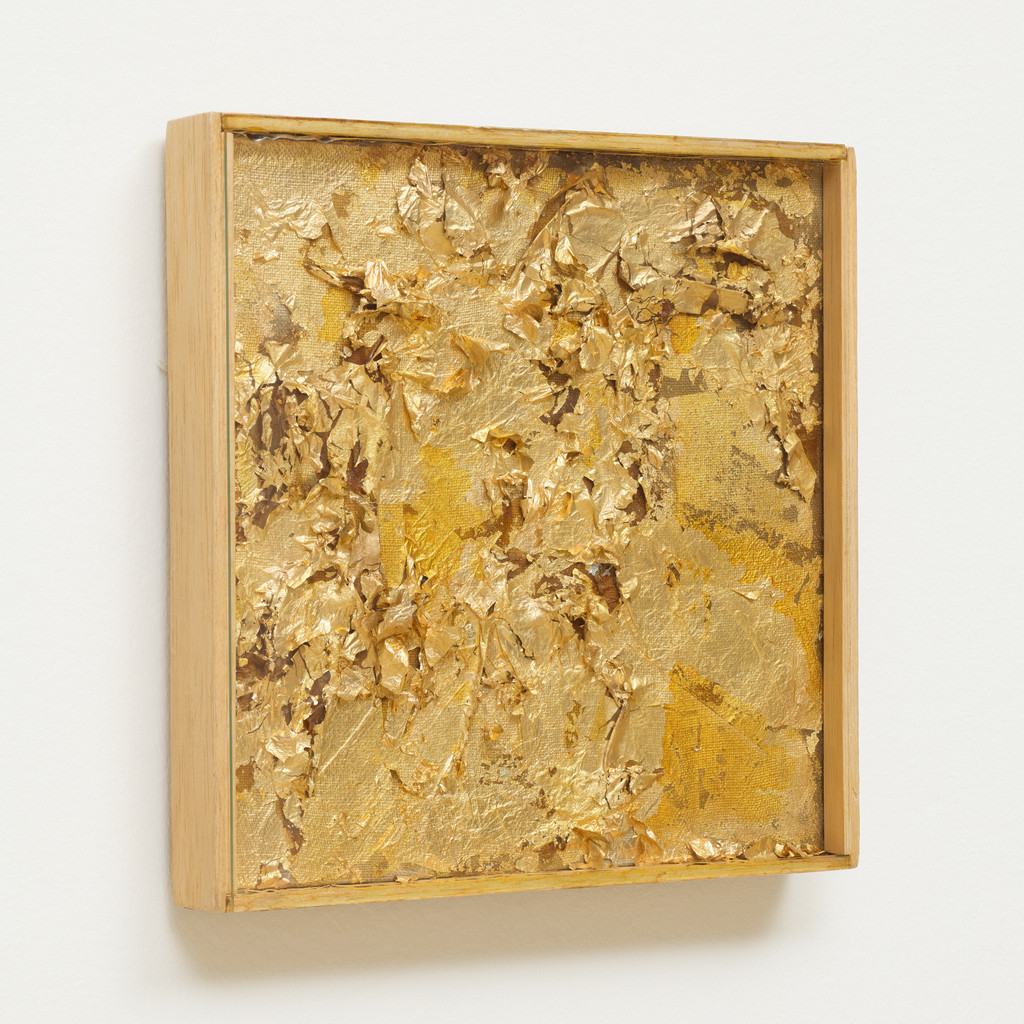
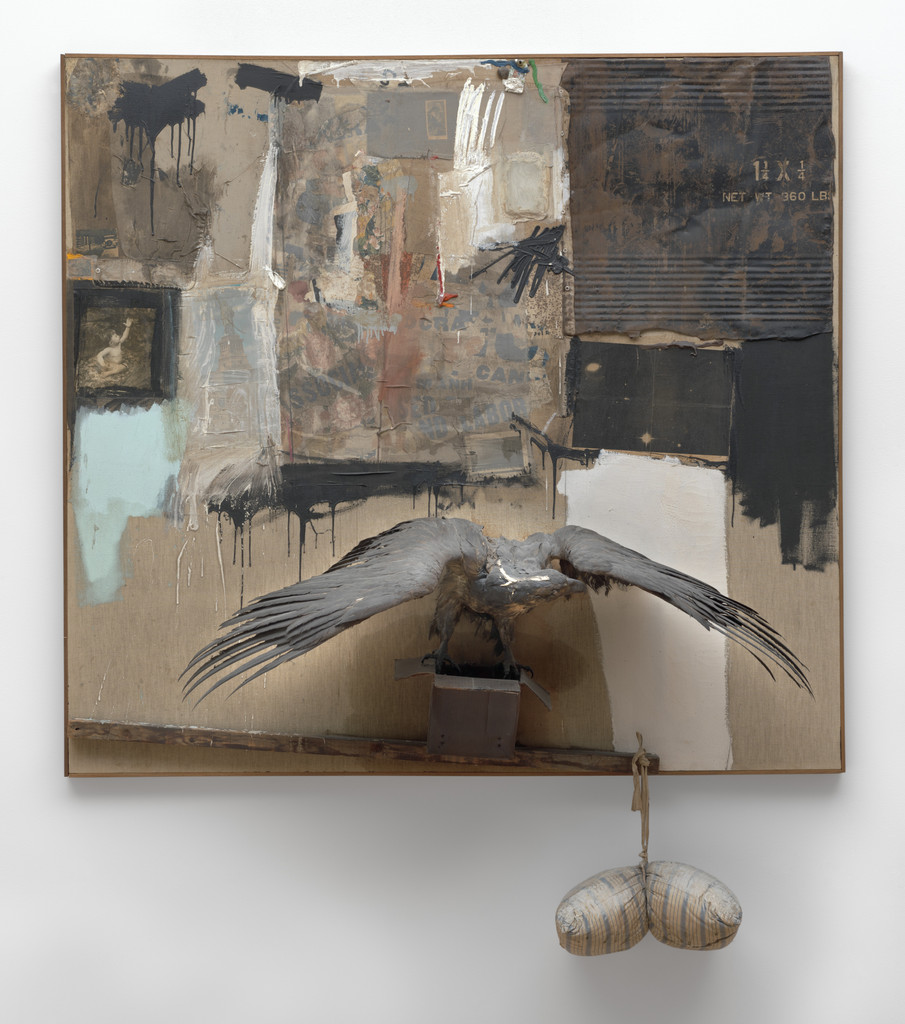
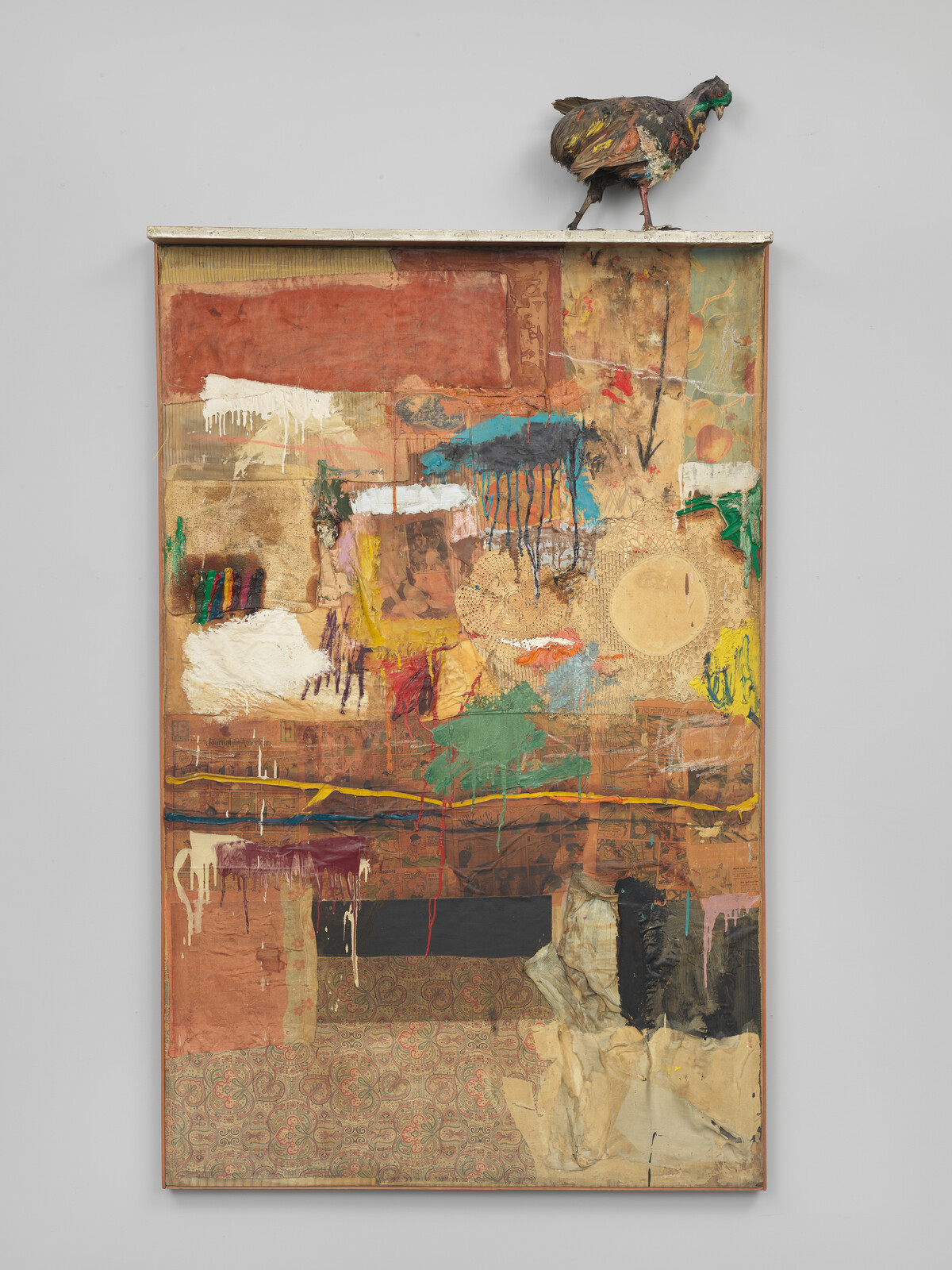
Robert Rauschenberg is best known for the “combine,” a hybrid form of painting and sculpture that integrates humble materials, found images, and paint to bridge what he called “the gap between art and life.” Rauschenberg submitted Short Circuit for an annual exhibition at Stable Gallery in 1955. He invited friends to produce small pieces that could be smuggled into the exhibition in his cabinet-shaped construction. A painting by his former wife, artist Susan Weil, appears behind the right door, and a flag composition by Jasper Johns once sat behind the left door. (It went missing in 1965 and was replaced at Rauschenberg’s invitation with a facsimile by the artist Sturtevant.) The work also includes a Judy Garland autograph, an image of Abraham Lincoln, and a postcard of grazing cows, among other items. While Short Circuit captures aspects of a collective American experience, it also ranks among the most personal of Rauschenberg’s combines.
Art Institute of ChicagoCC BY 4.0
Angaben
- Inventarnummer
- 2011.247
Im Katalog
Quellen
- Art Institute of Chicago: the museum's own open data · abgerufen vor 6 Tagen
- Bild: Art Institute of Chicago — © the artist or rights holder
Derweil im Leben von Robert Rauschenberg
Das ganze Lebenautumn 1952 – spring 1953
Travels in Italy and North Africa with Cy Twombly
From the autumn of 1952 to the spring of 1953 Rauschenberg travelled in Italy and North Africa with his fellow artist and partner Cy Twombly. There he made collages and small sculptures out of found materials, the “Scatole Personali” (Personal Boxes) and “Feticci Personali” (Personal Fetishes).
1953
Joint show with Cy Twombly at the Stable Gallery
Eleanor Ward invited Rauschenberg to a joint exhibition with Cy Twombly at her Stable Gallery in New York; in the autumn of 1953 the gallery also showed his “White Paintings”.
1953
First European exhibition, in Rome
In Italy Rauschenberg was noticed by Irene Brin and Gaspero del Corso, who organised his first European exhibition in their famous gallery in Rome; he also showed in Florence. To his surprise a number of works sold, and many of those that did not he threw into the river Arno, following the suggestion of an art critic who had reviewed his show.
1954
Second solo show, at the Charles Egan Gallery
At his second solo exhibition in New York, at the Charles Egan Gallery, Rauschenberg showed his Red Paintings and his first Combines.
1954–1961
Lives with the artist Jasper Johns
From 1954 to 1961 Rauschenberg lived with his partner, the artist Jasper Johns. They constantly exchanged ideas and took part in each other's work, but never made objects under joint authorship.