Lovis CorinthDeutschland, 1858–1925
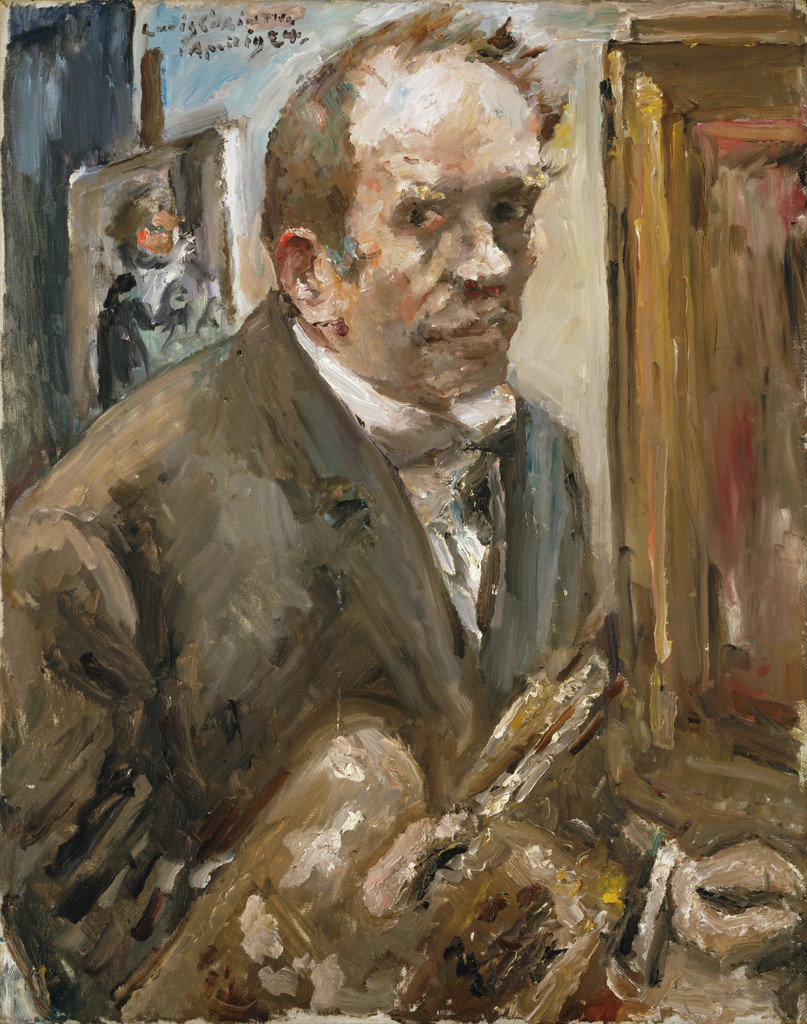
Self-Portrait
Darf man es sehen?
Empfängt derzeit nicht

Art Institute of Chicago
Chicago, Vereinigte Staaten
Es gehört zur Sammlung, ist derzeit aber nicht ausgestellt.
- Geprüft
- vor 9 Stunden
- Unverändert seit
- 19. Aug. 2026
- Quelle
- Sammlungsdaten des Museums selbst
Über das Werk
“The times are not the same for us old folk anymore,” reads a 1923 diary entry by Lovis Corinth, who suffered a stroke in 1911 and never quite recovered. “We have lost our way . . . so sad, so very sad.” The following year, the artist created this tortured self-image; he was sixty-five, with one year left to live. An inveterate self-portraitist, Corinth produced more images of himself than almost any other artist except Rembrandt van Rijn. In this haunting gouache, he gazes at the viewer in anguish. The brooding palette portrays a deeply shadowed face— contorted, haggard, and sunk into hunched shoulders. The pain that both the diary entry and this portrait convey is curiously at odds with Corinth’s professional life, which had, in fact, been successful.
Read on
Challenging traditional approaches to art, his early figure compositions, with their overt sexuality and theatrical movements, made his reputation. Later he executed intensely colored, windswept landscapes that became his most popular works. But Corinth was a deeply patriotic man, and his personal accomplishments failed to assuage the torment he experienced after Germany’s humiliation in World War I and his despair over the values of the Weimar Republic that followed.
Art Institute of ChicagoCC BY 4.0
Angaben
- Inventarnummer
- 1987.280
What it shows
Im Katalog
Quellen
- Art Institute of Chicago: the museum's own open data · abgerufen vor 6 Tagen
- Bild: Art Institute of Chicago — © the artist or rights holder
Derweil im Leben von Lovis Corinth
Das ganze Leben1922
Participation in the Venice Biennale
Corinth's works were shown at the Venice Biennale.
1923
65th-Birthday Exhibition at the National Gallery
For Corinth's 65th birthday the National Gallery organized an exhibition of 170 paintings drawn from private collections.
16 June 1925
Last Journey to the Netherlands
Having finished his last major work, "Ecce Homo," he set off for Düsseldorf and Amsterdam to see the works of Frans Hals and Rembrandt once more; on the journey he fell ill with pneumonia and died in Zandvoort.
17. Juli 1925
Died