
 Berenice AbbottVereinigte Staaten, 1898–1991
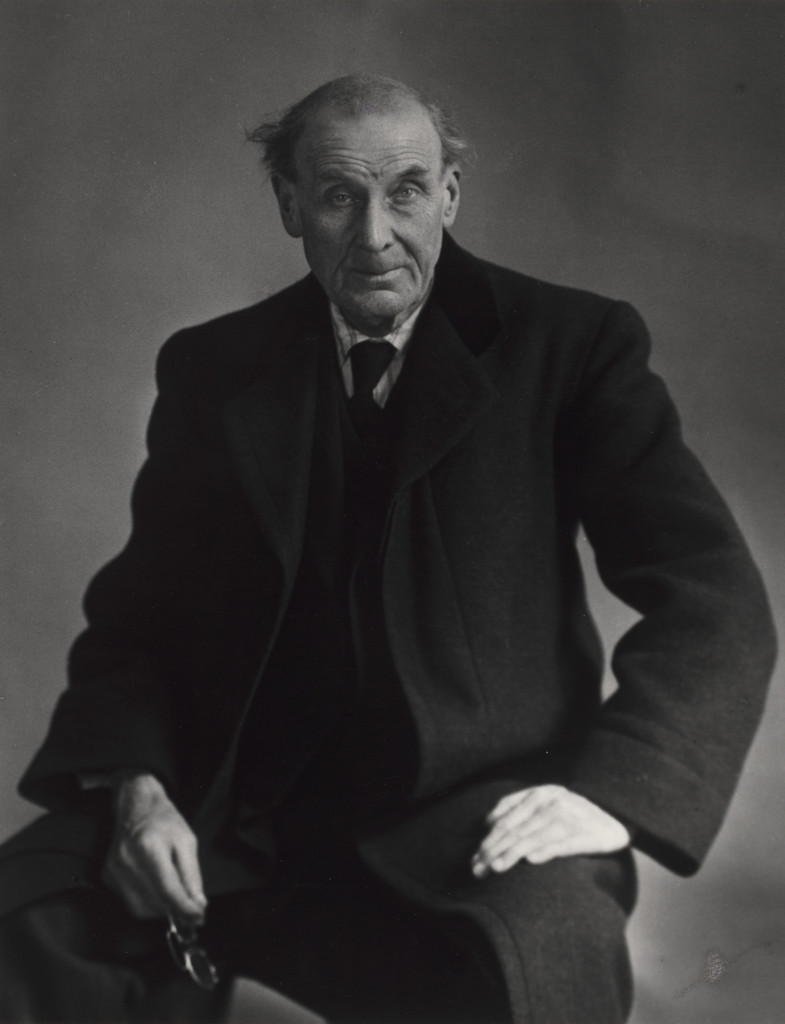
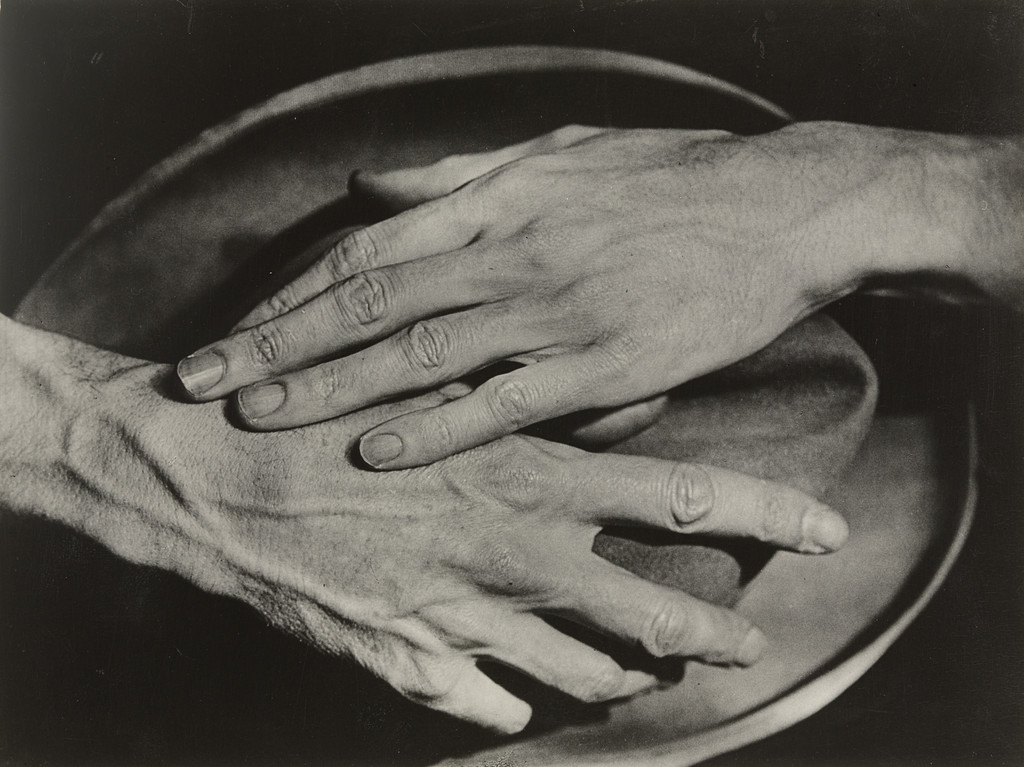
Policeman
Darf man es sehen?
Empfängt derzeit nicht

National Gallery of Art
Washington, D.C., Vereinigte Staaten
Es gehört zur Sammlung, ist derzeit aber nicht ausgestellt.
- Geprüft
- vorgestern
- Unverändert seit
- 19. Aug. 2026
- Quelle
- Sammlungsdaten des Museums selbst
Angaben
- Inventarnummer
- 2009.76.1
What it shows
Im Katalog
Quellen
- National Gallery of Art: the museum's own open data · abgerufen vor 5 Tagen
- Bild: National Gallery of Art — © the artist or rights holder
Derweil im Leben von Berenice Abbott
Das ganze LebenJune 1928
Buys the remainder of Atget’s archive
The government has already acquired much of Atget’s archive — he had sold 2,621 negatives in 1920, and his friend and executor André Calmettes sold 2,000 more immediately after his death; in June 1928 Abbott buys the remainder and quickly starts work on its promotion. Because of a lack of funding she has to sell a one-half interest in the collection to Julien Levy for $1,000.
1928–1929
Exhibitions of modernist photography in Brussels and Germany
Her portraiture stands out as unusual within the exhibitions of modernist photography held in 1928–1929 in Brussels and Germany. Her work was also shown in Paris alongside that of Man Ray, André Kertész and others, in the “Salon de l’Escalier” (the Premier Salon Indépendant de la Photographie) on the staircase of the Théâtre des Champs-Élysées.
early 1929
Travels to New York to find a publisher for Atget
In early 1929 she visits New York, ostensibly to find an American publisher for Atget’s photographs, and on seeing the city again recognises its photographic potential.
September 1929
Closes her Paris studio and returns to New York
Back in Paris she closes up her studio and in September 1929 returns to New York, where over the next decade she focuses on documentary photography and on portraying the city as it transforms into a modern metropolis. She brings over a large part of Atget’s archive; her first photographs are taken with a hand-held Kurt-Bentzin camera, soon replaced by a Century Universal producing 8 × 10-inch negatives.
1930
The book “Atget, photographe de Paris” is published
An early tangible result of her efforts is the 1930 book “Atget, photographe de Paris”, in which she is described as photo editor.
1930s
The idea behind “Changing New York”
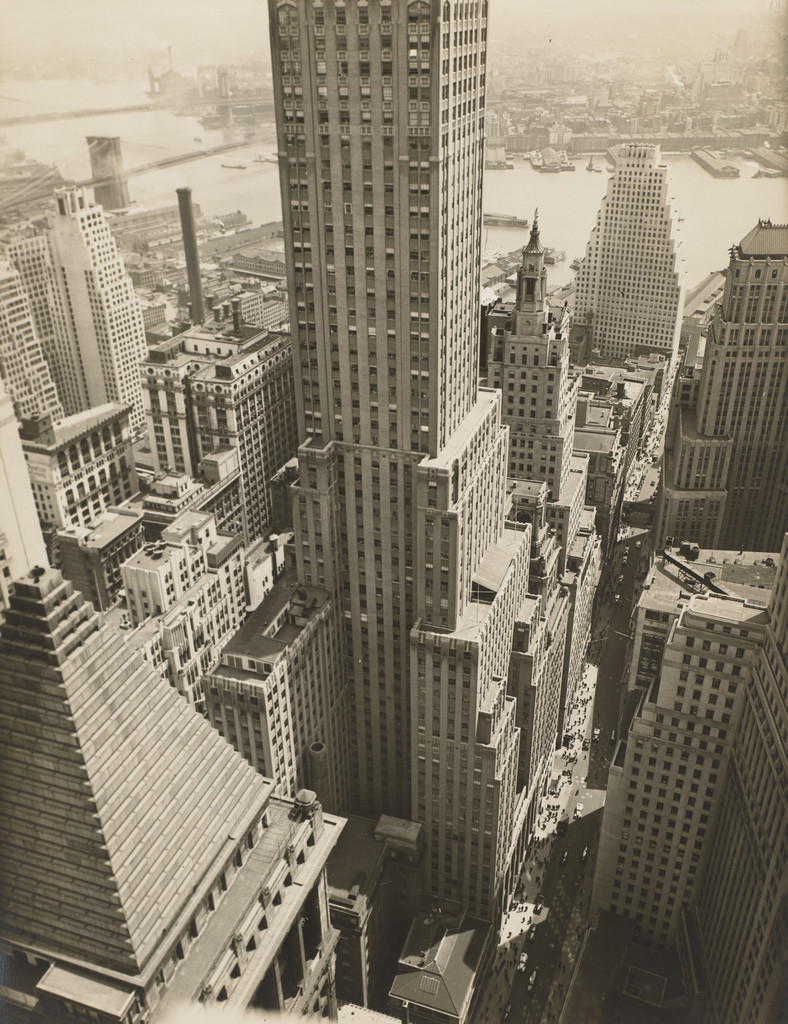
Her project is primarily a sociological study embedded within modernist aesthetic practices, meant to show the interaction between the city’s diverse people, the places where they live, work and play, and their daily activities. Lewis Mumford’s historical writings of the early 1930s strongly influence her, and buildings of the “paleotechnic era” often look downright menacing in her photographs.



![Ginevra de' Benci [obverse], Leonardo da Vinci, c. 1474/1478](https://api.nga.gov/iiif/8f29e3c9-a289-4d53-abf0-31a66e9e98fa/full/!2400,2400/0/default.jpg)
![Wreath of Laurel, Palm, and Juniper with a Scroll inscribed Virtutem Forma Decorat [reverse], Leonardo da Vinci, c. 1474/1478](https://api.nga.gov/iiif/ff62e8d0-45c4-498f-ad36-6358de827e04/full/!2400,2400/0/default.jpg)


