
 Berenice AbbottVereinigte Staaten, 1898–1991
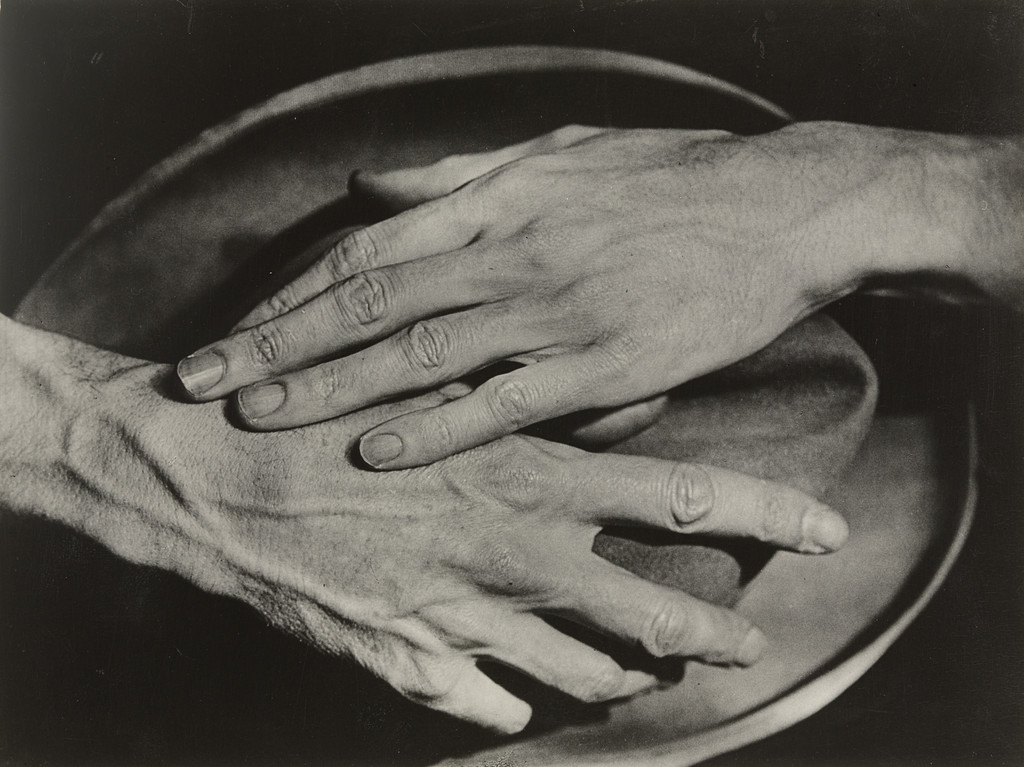
Jean Cocteau
Darf man es sehen?
Empfängt derzeit nicht

National Gallery of Art
Washington, D.C., Vereinigte Staaten
Es gehört zur Sammlung, ist derzeit aber nicht ausgestellt.
- Geprüft
- Unverändert seit
- Quelle
- Das Museum
Angaben
- Inventarnummer
- 2014.13.1
Was es zeigt
Im Katalog
Quellen
- National Gallery of Art
- Bild: National Gallery of Art — © the artist or rights holder
Derweil im Leben von Berenice Abbott
Das ganze Lebenc. 1926
Opens her own studio in Paris
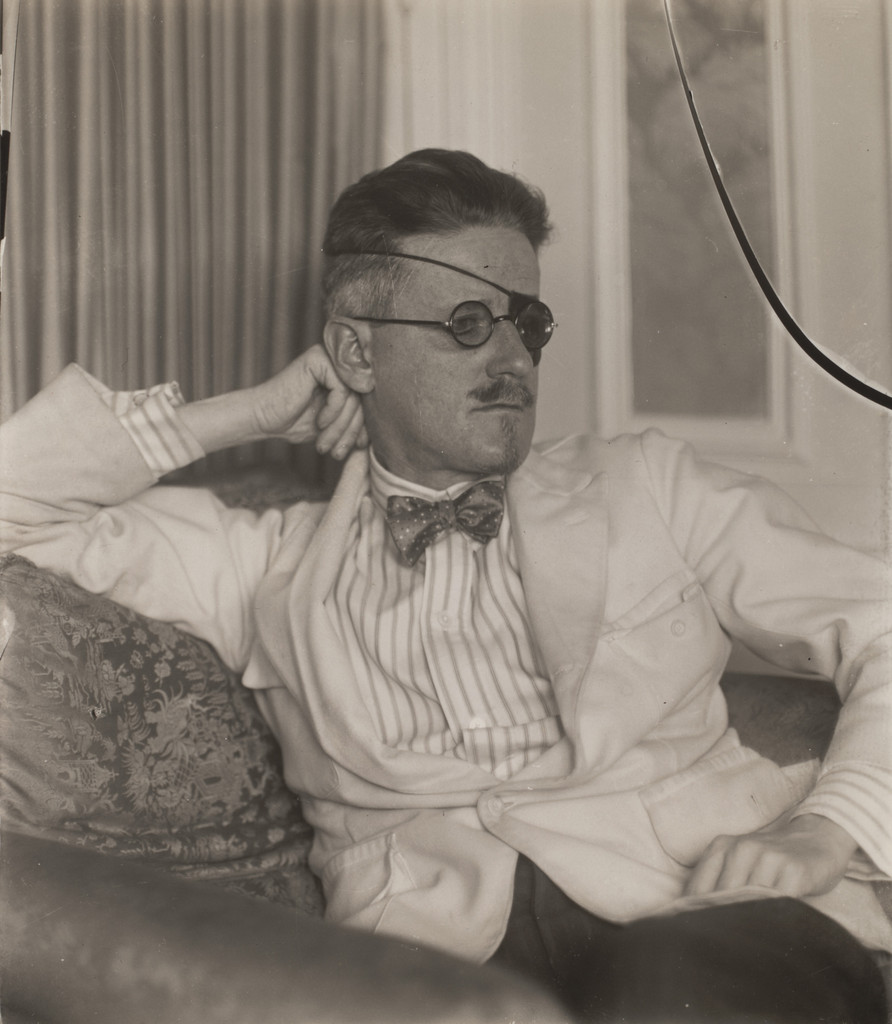
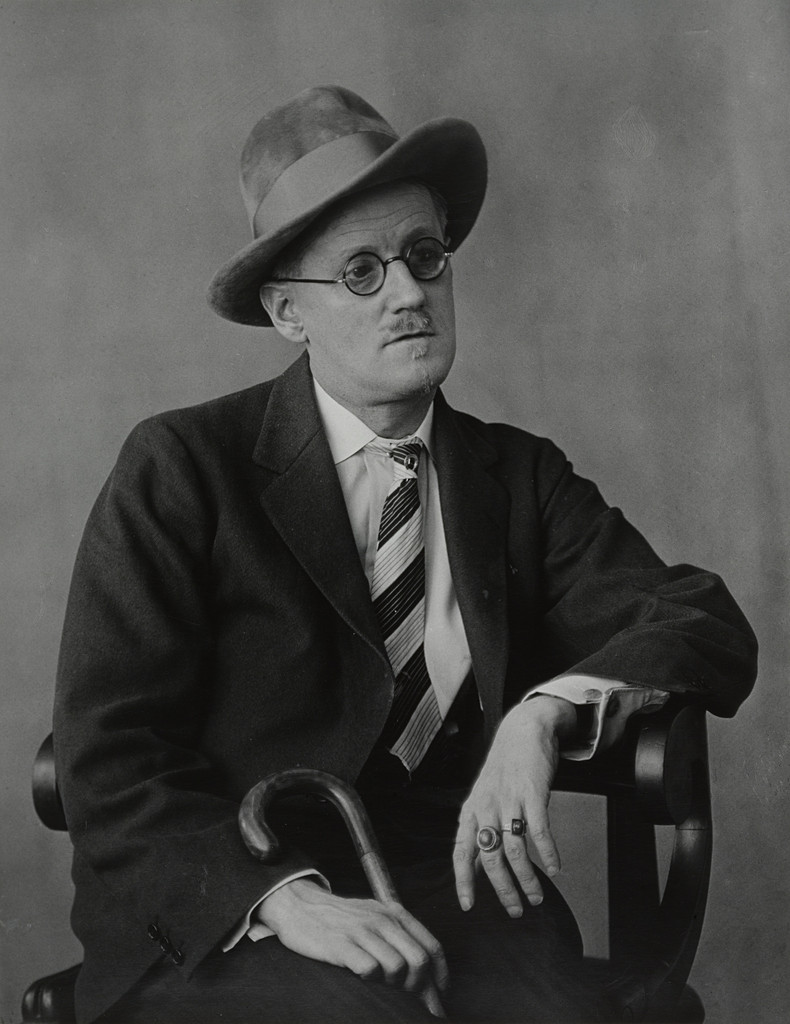
After three years with Man Ray she sets up her own studio and works out rules for herself: she does not seek clients, does not advertise and never photographs for free. She becomes almost the official portraitist of the intellectuals — Joyce, Cocteau and André Gide sit for her; according to Sylvia Beach, to be photographed by Man Ray or Berenice Abbott meant you rated as somebody.
1927
Photographs Eugène Atget shortly before his death
She manages to persuade Eugène Atget to sit for a portrait; he dies shortly thereafter.
June 1928
Buys the remainder of Atget’s archive
The government has already acquired much of Atget’s archive — he had sold 2,621 negatives in 1920, and his friend and executor André Calmettes sold 2,000 more immediately after his death; in June 1928 Abbott buys the remainder and quickly starts work on its promotion. Because of a lack of funding she has to sell a one-half interest in the collection to Julien Levy for $1,000.
September 1929
Closes her Paris studio and returns to New York
Back in Paris she closes up her studio and in September 1929 returns to New York, where over the next decade she focuses on documentary photography and on portraying the city as it transforms into a modern metropolis. She brings over a large part of Atget’s archive; her first photographs are taken with a hand-held Kurt-Bentzin camera, soon replaced by a Century Universal producing 8 × 10-inch negatives.
1935
The Federal Art Project hires her as project supervisor
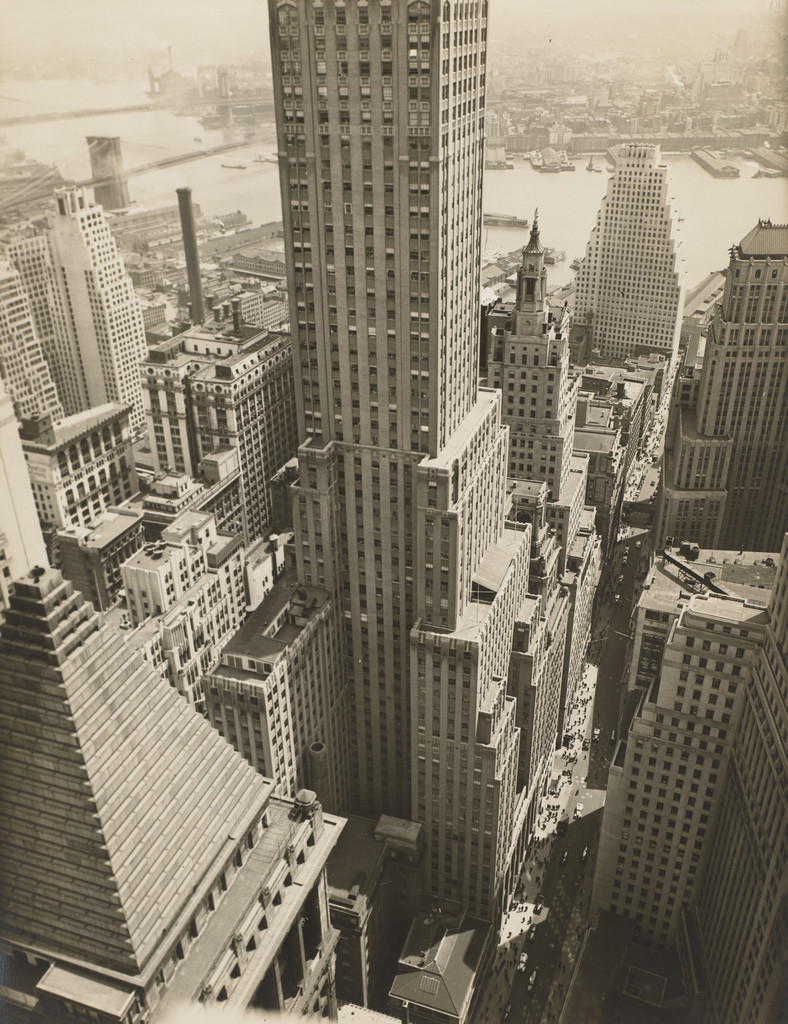
In 1935 the Federal Art Project (FAP) hires her as project supervisor for “Changing New York”: she continues to photograph the city while assistants help in the field and in the office, leaving her all her time for producing, printing and exhibiting her photographs. By the time she resigns from the FAP in 1939 she has produced 305 photographs, deposited at the Museum of the City of New York.
1937
“Changing New York” exhibition at the Museum of the City of New York
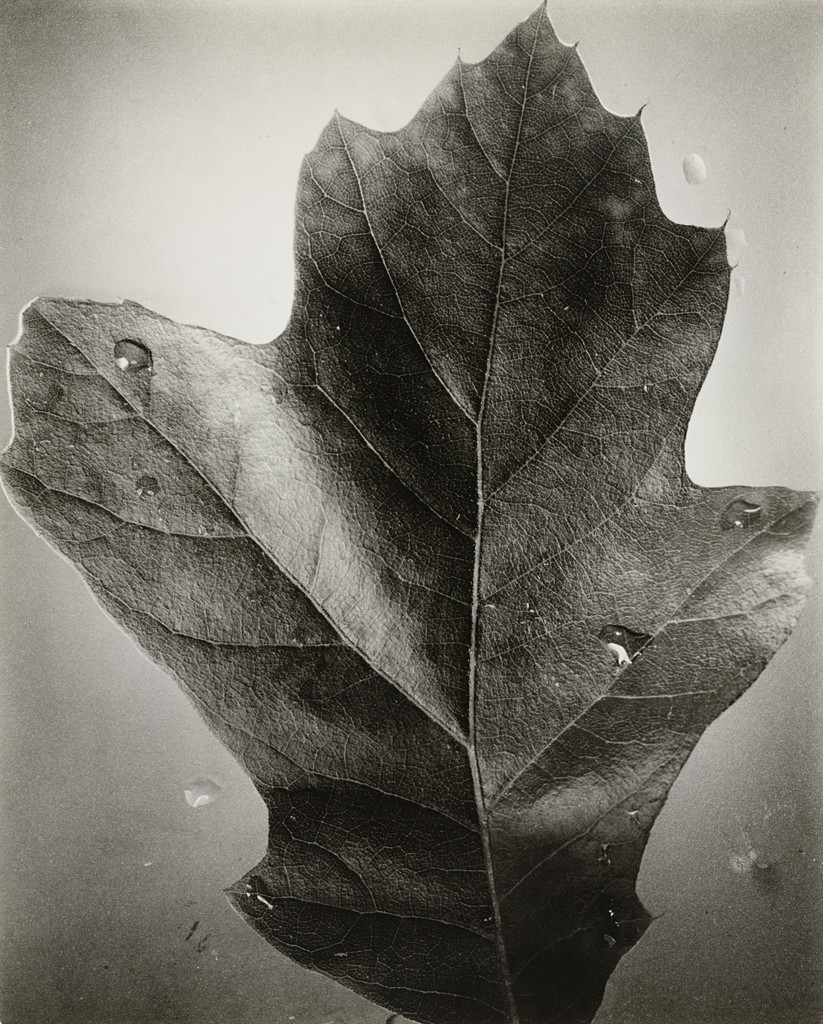
Her first exhibition in New York (other accounts place an exhibition at this museum as early as 1934) becomes her best-known project. The photographs depict the city’s physical transformation, including changes to its neighbourhoods and the replacement of low-rise buildings with skyscrapers.


![Ginevra de' Benci [obverse], Leonardo da Vinci, c. 1474/1478](https://api.nga.gov/iiif/8f29e3c9-a289-4d53-abf0-31a66e9e98fa/full/!2400,2400/0/default.jpg)
![Wreath of Laurel, Palm, and Juniper with a Scroll inscribed Virtutem Forma Decorat [reverse], Leonardo da Vinci, c. 1474/1478](https://api.nga.gov/iiif/ff62e8d0-45c4-498f-ad36-6358de827e04/full/!2400,2400/0/default.jpg)


![Young Man [verso], Pablo Picasso, c. 1906](https://api.nga.gov/iiif/b6ecb7bc-192d-46f8-a4c9-8dfb5dd52abb/full/!2400,2400/0/default.jpg)


