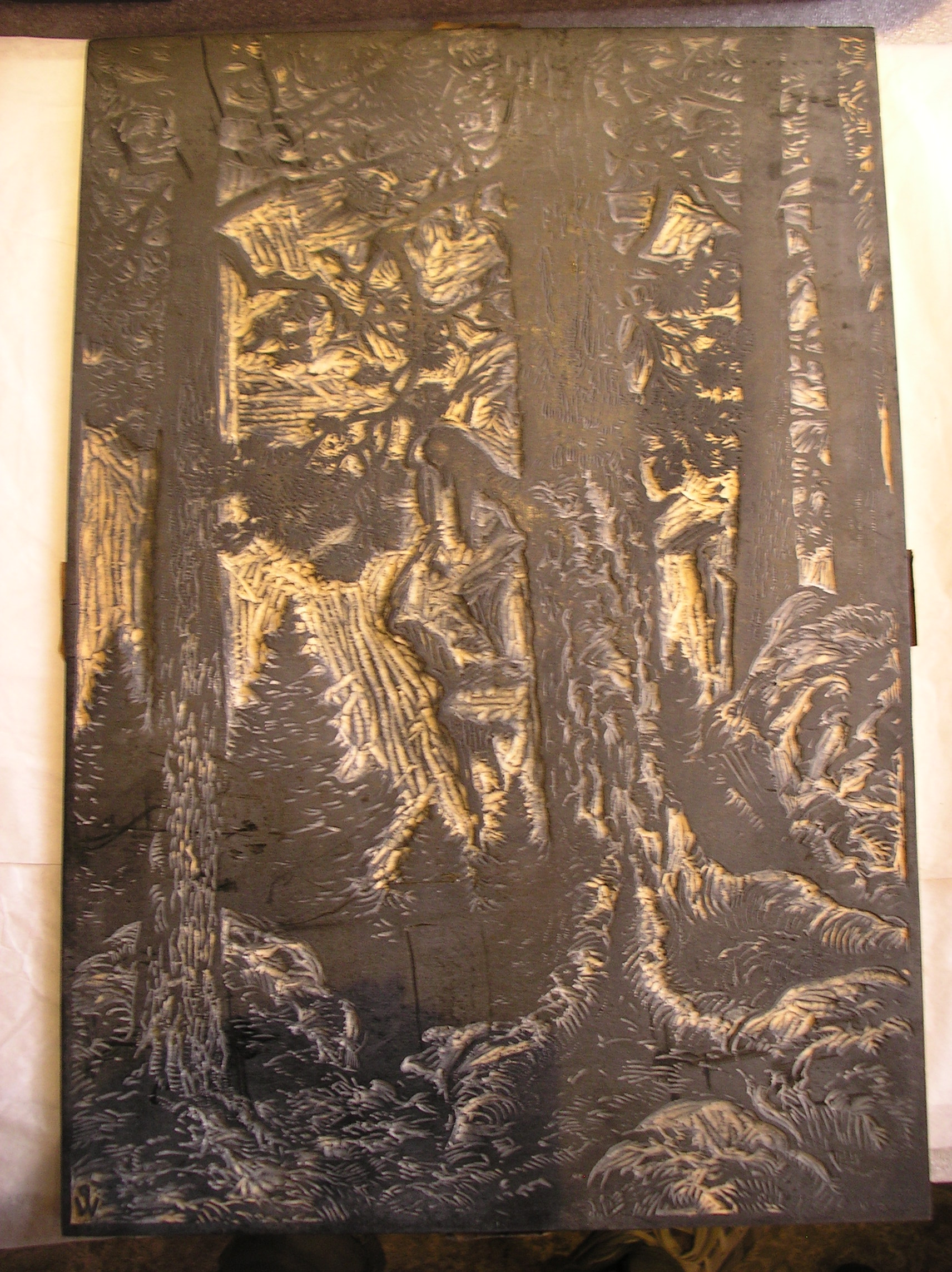
Auguste RodinFrankreich, 1840–1917
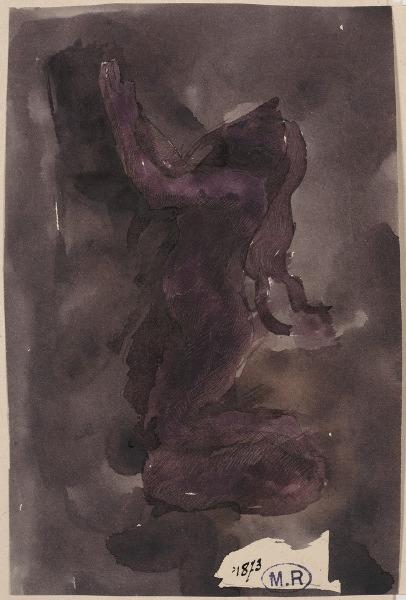
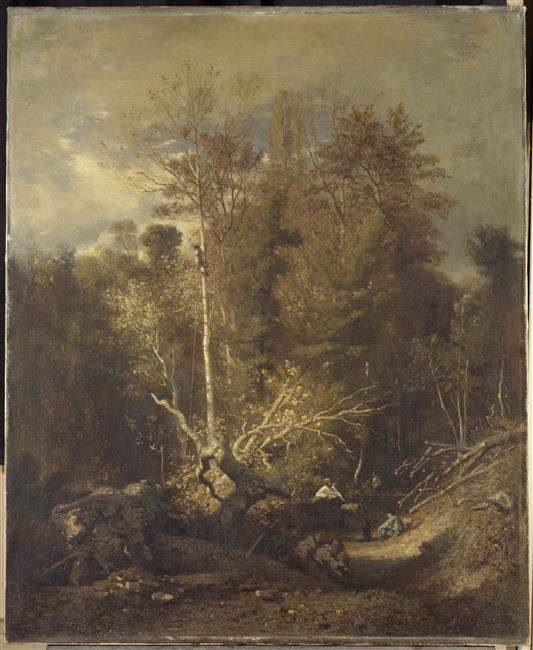
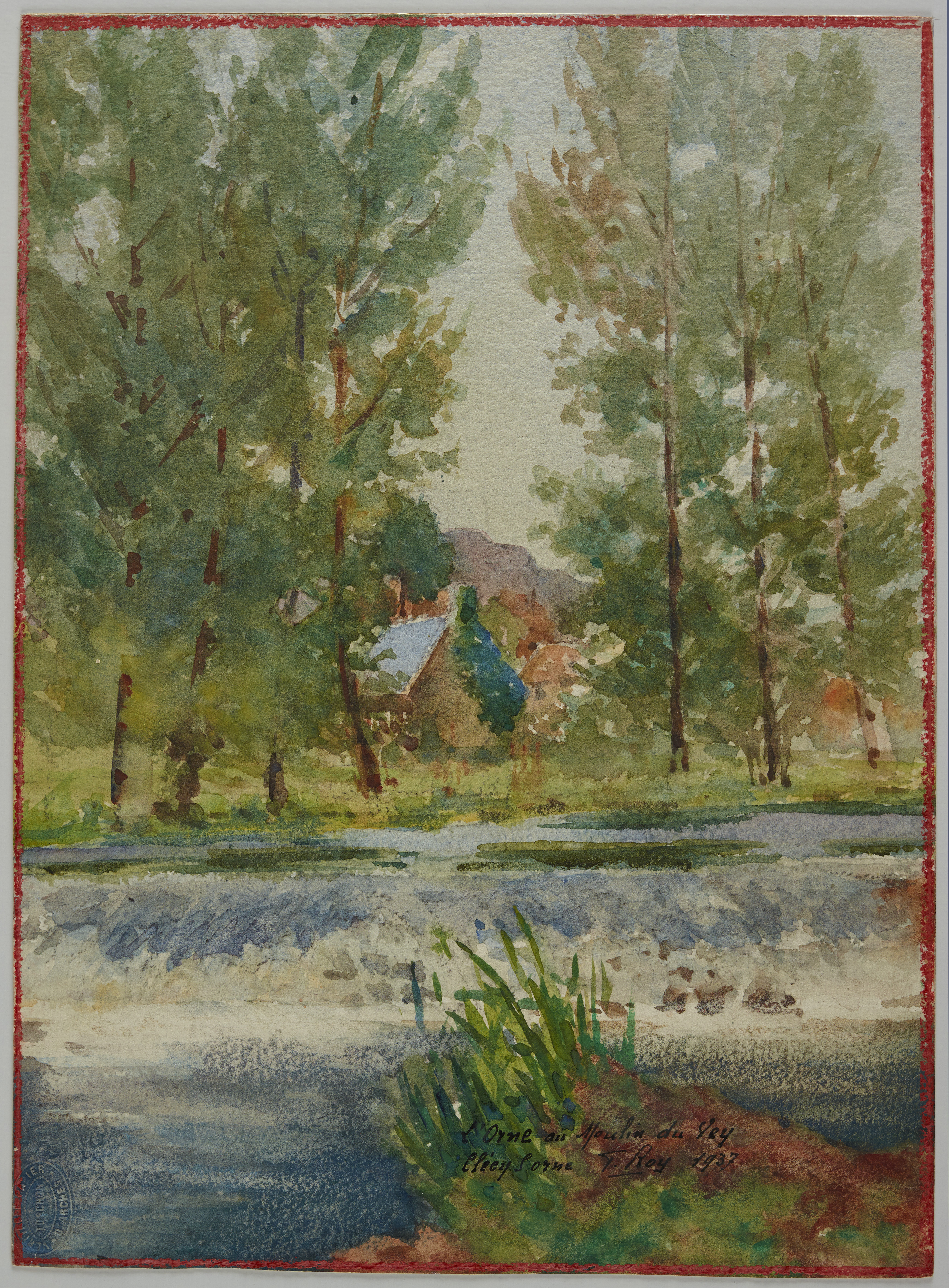
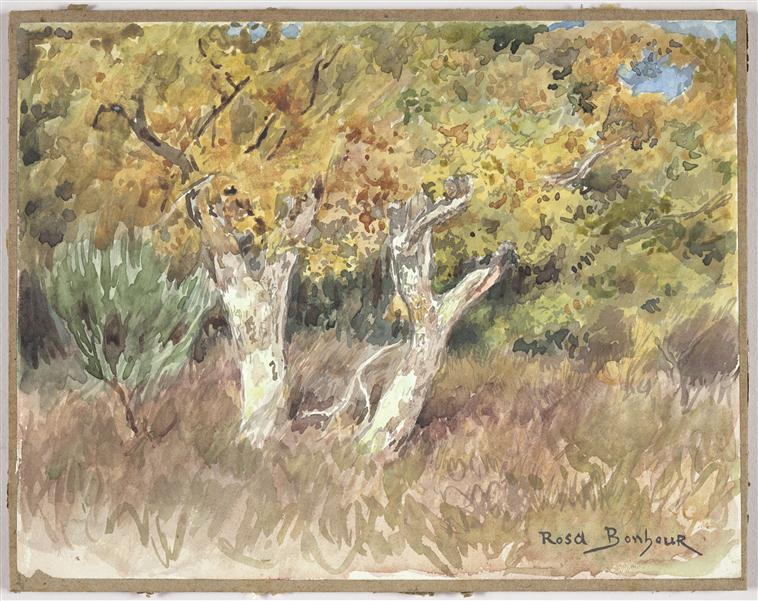
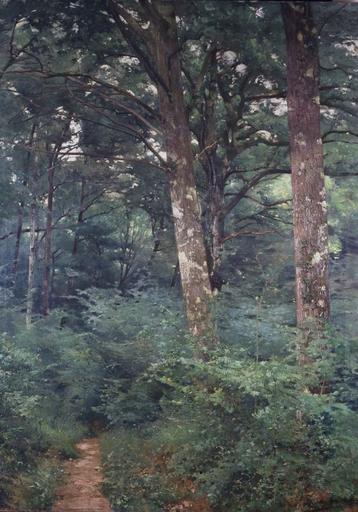
PAYSAGE BOISE
Darf man es sehen?
Unbekannt
Musée Rodin
Paris, Frankreich
Der Besitzer ist bekannt; ob das Werk derzeit ausgestellt ist, nicht.
- Unverändert seit
- Quelle
- Das Museum
Angaben
- Inventarnummer
- D 26
Derweil im Leben von Auguste Rodin
Das ganze Leben1864–1870
In the studio of Albert Carrier-Belleuse
Rodin joined the studio of Carrier-Belleuse, a successful mass producer of objets d'art, and until 1870 was his chief assistant, designing roof decorations and staircase and doorway ornament.
1870
Called up at the start of the Franco-Prussian War
Rodin was called up to the National Guard, but his service was brief because of his near-sightedness. The war dried up decorators' work, yet he still had a family to support.
1871
Moves to Brussels
Carrier-Belleuse asked Rodin to join him in Belgium, where in 1871 they worked on the ornamentation of the Bourse Palace in Brussels. Rodin planned to stay a few months but spent the next six years outside France.
1875–1876
Italy: Michelangelo, Donatello and Reims
Having saved some money, Rodin travelled to Italy — Genoa, Florence, Rome, Naples and Venice — to study the Renaissance, above all Michelangelo and Donatello. On the way, at Reims, he first saw a Gothic cathedral, and the shock stayed with him for life.
1877
Back in Paris after six years in Belgium
Rodin and Rose settled in a small flat on the Left Bank; his mother was dead and his father blind and senile. Rodin's father and his eleven-year-old son Auguste, whom he had essentially abandoned for six years, moved in with the couple, and Rose looked after them.