ART WIKI32.963 ausgestellt
KarteSammlungKünstlerMuseenAusstellungenJournal
Anmelden

ART WIKI

Wo das Meisterwerk hängt und wann man vorgelassen wird.

Sammlungen: Art Institute of Chicago, Cleveland Museum of Art, Eremitage, Getty Villa, Harvard Art Museums, Hirshhorn Museum and Sculpture Garden, J. Paul Getty Museum, Louvre, Metropolitan Museum of Art, Minneapolis Institute of Art, Museum of Modern Art, National Gallery of Art, National Museum of Asian Art, National Portrait Gallery, Puschkin-Museum, Rijksmuseum Amsterdam, Russisches Museum, Smithsonian American Art Museum, Statens Museum for Kunst, Tretjakow-Galerie, Victoria and Albert Museum, Whitney Museum of American Art, Staatskatalog des Museumsfonds Russlands (274 Museen), Europeana (19 Museen), Wikidata (6 Museen), Paris Musées (12 Museen) und Joconde, die Museumsdatenbank des französischen Kulturministeriums (495 Museen). Die Bilder gehören ihren Rechteinhabern.

Rubriken

  • Karte
  • Suche
  • Sammlung
  • Meisterwerke
  • Jetzt ausgestellt
  • Künstler

Mehr

  • Museen & Galerien
  • Ausstellungen
  • Journal
  • Woher die Daten stammen
  • Datenschutz & Cookies
StartseiteKarteKatalog
  1. Sammlung/
  2. Art Institute of Chicago/
  3. Page 2 from Traces suspectes en surface
Page 2 from Traces suspectes en surface, Robert Rauschenberg, 1972–78
Robert Rauschenberg, PorträtRobert RauschenbergVereinigte Staaten, 1925–2008

Page 2 from Traces suspectes en surface

1972–78 · Print

Darf man es sehen?

Empfängt derzeit nicht

Art Institute of Chicago

Chicago, Vereinigte Staaten

Es gehört zur Sammlung, ist derzeit aber nicht ausgestellt.

Geprüft
vor 3 Tagen
Unverändert seit
19. Aug. 2026
Quelle
Das Museum
Auf der KarteMuseumsseite

Angaben

1972–78 · mit 47 Jahren
19252008
Inventarnummer
1985.1114.3

Im Katalog

DruckgrafikLithografieNachkriegskunst20. JahrhundertVereinigte Staaten

Quellen

  • Art Institute of Chicago
  • Bild: Art Institute of Chicago — © the artist or rights holder

Derweil im Leben von Robert Rauschenberg

Das ganze Leben
  1. autumn 1970

    Moves to Captiva for good

    From the autumn of 1970 the Captiva house became Rauschenberg's permanent home and studio. The first works made there were the “Cardboards” (1971–72) and “Early Egyptians” (1973–74) series, from locally sourced cardboard and sand: instead of urban imagery he now favoured the natural fibres of fabric and paper.

  2. 1970

    Sets up Change, Inc. to help artists

    Rauschenberg created Change, Inc., a programme awarding one-time emergency grants of up to $1,000 to visual artists in financial need.

  3. 1970

    Helps create the Pepsi Pavilion at Expo '70 in Osaka

    Rauschenberg took part in creating the Pepsi Pavilion for the 1970 World Exposition in Osaka; the opening was directed by the choreographer and artist Remy Charlip.

  4. 1973

    The Scull auction and the fight for artists' royalties

    In 1973 the taxi baron Robert Scull sold Rauschenberg's paintings “Thaw” and “Double Feature”, bought for $900 and $2,500, for $85,000 and $90,000 at Sotheby Parke Bernet. The artist took up the fight for resale royalties for artists (droit de suite), lobbying the US Congress for a law.
Mehr von Robert Rauschenberg

Alle Werke
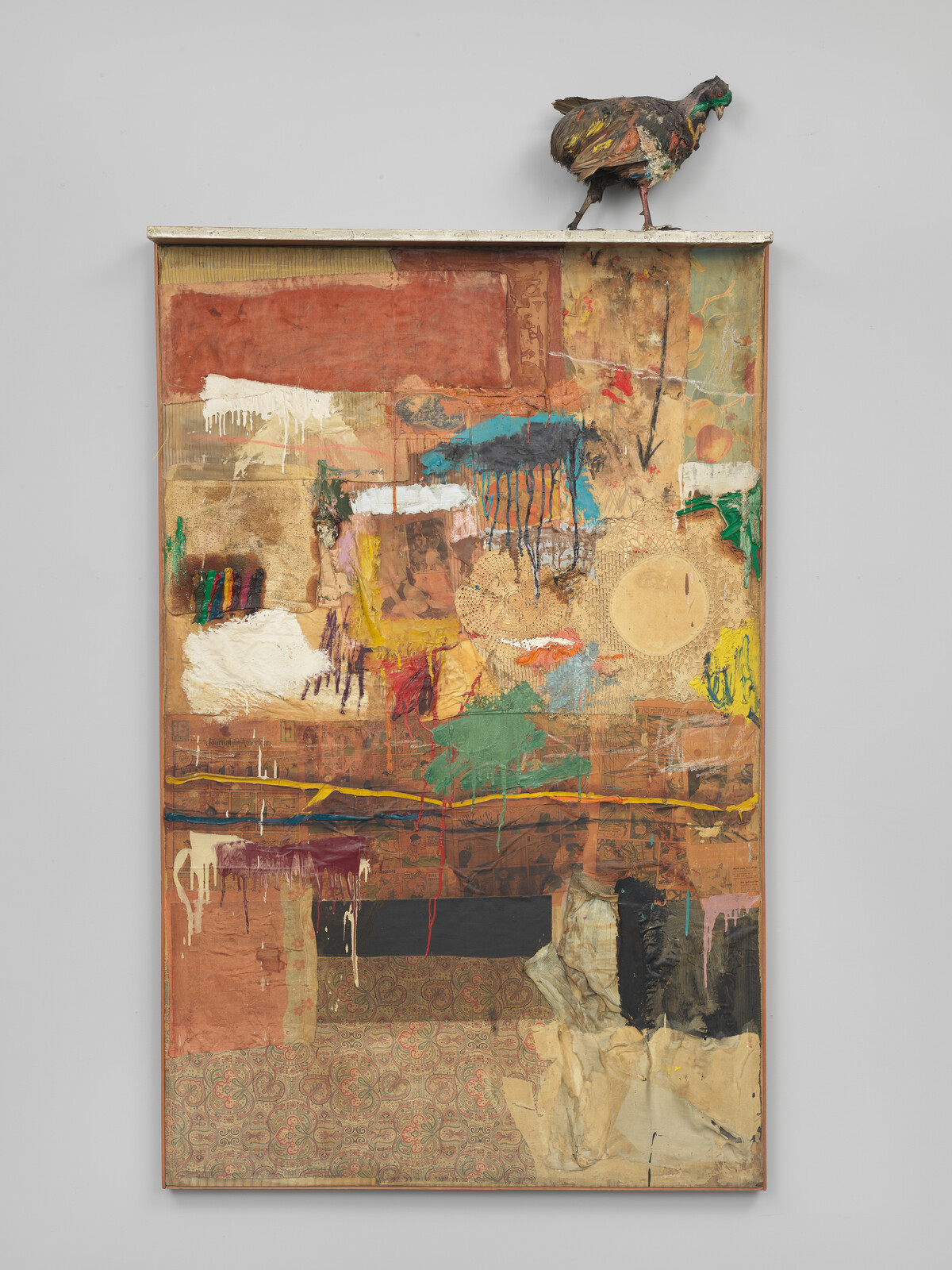
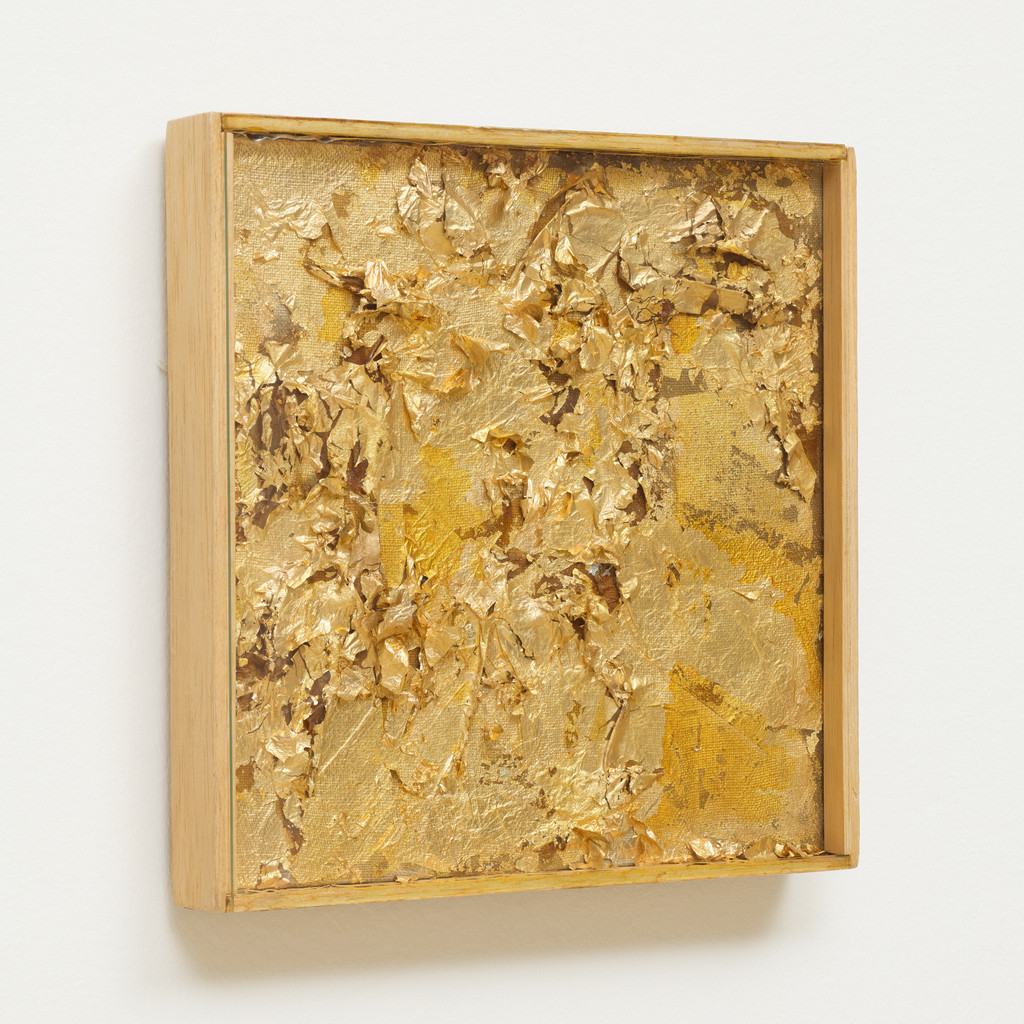
Untitled, Robert Rauschenberg, c. 1953

Untitled

c. 1953 · Museum of Modern Art

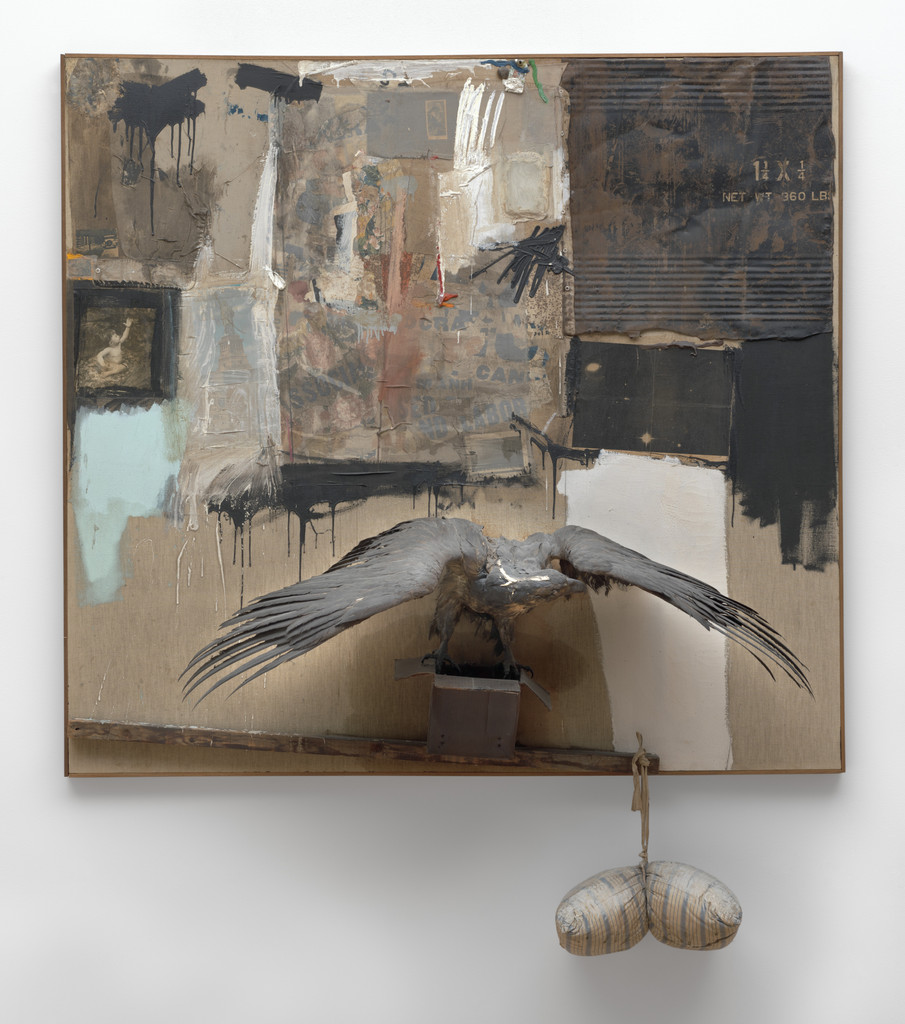
Canyon, Robert Rauschenberg, 1959

Canyon

1959 · Museum of Modern Art

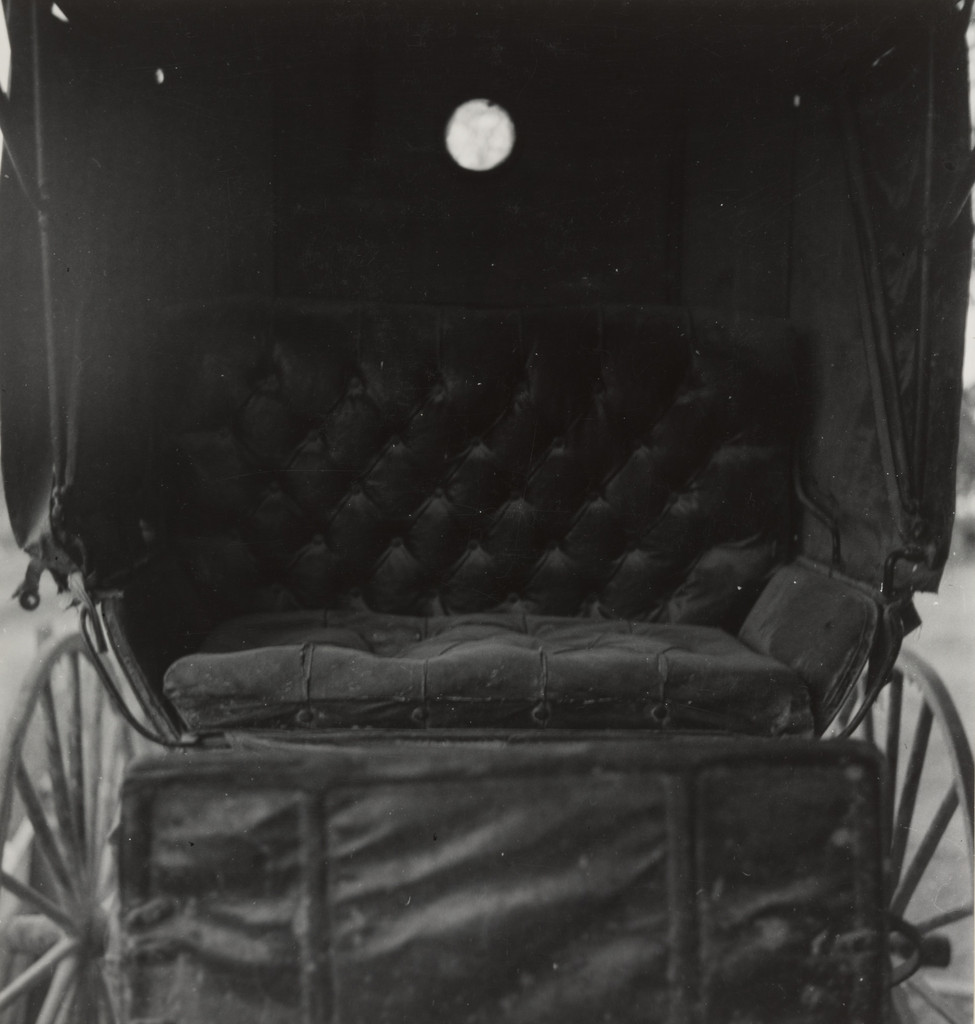
Untitled, Robert Rauschenberg, c. 1955

Untitled

c. 1955 · Art Institute of Chicago

Satellite, Robert Rauschenberg, 1955

Satellite

1955 · Whitney Museum of American Art

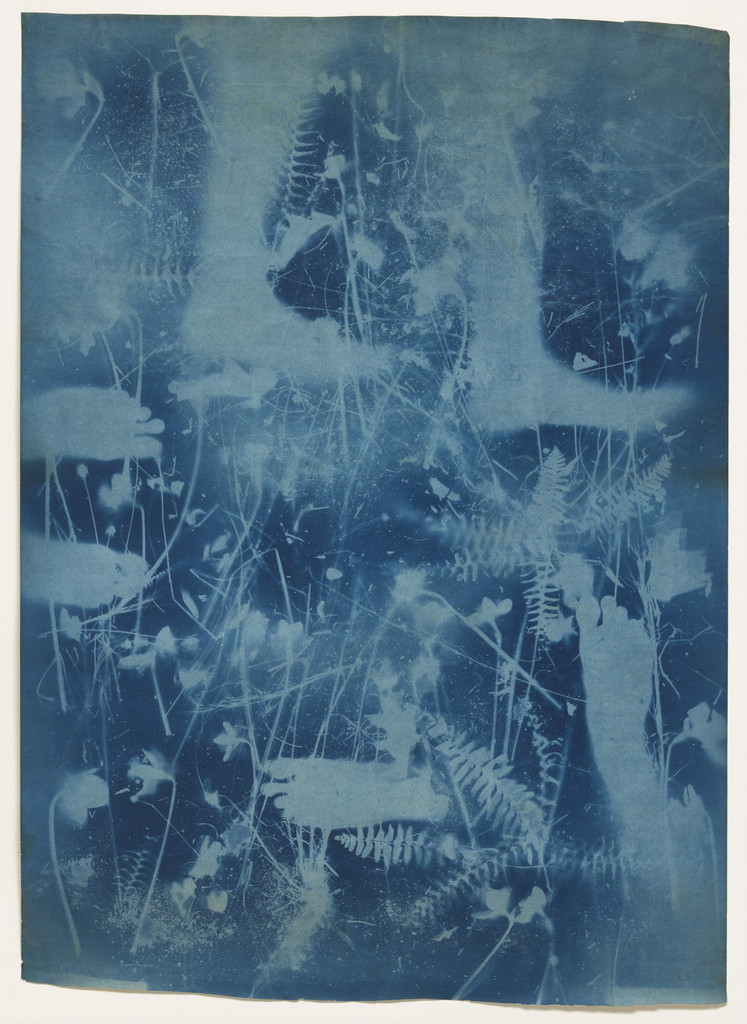
Untitled, Robert Rauschenberg, 1949

Untitled

1949 · Nicht ausgestellt · Museum of Modern Art

Untitled, Robert Rauschenberg, Susan Weil, c. 1950

Untitled

c. 1950 · Nicht ausgestellt · Museum of Modern Art

Black Painting, Robert Rauschenberg, 1952

Black Painting

1952 · Nicht ausgestellt · National Gallery of Art

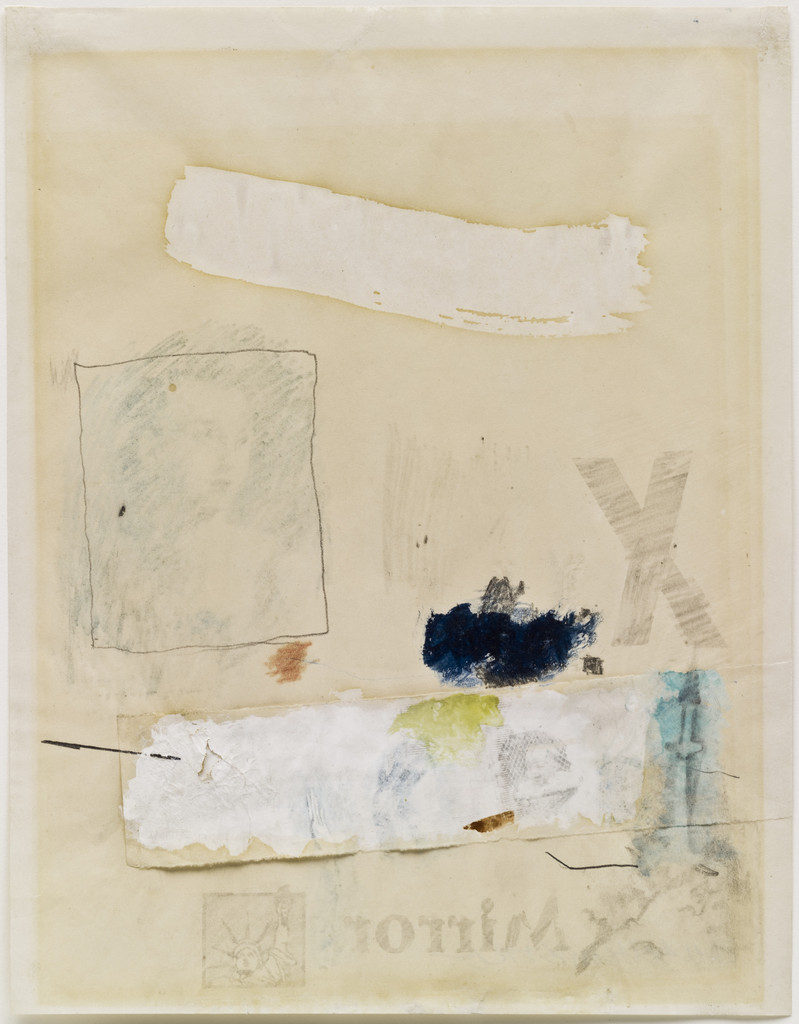
Untitled (Mirror), Robert Rauschenberg, (1952)

Untitled (Mirror)

(1952) · Nicht ausgestellt · Museum of Modern Art

Nachbarn im Haus: Art Institute of Chicago

Museumsseite
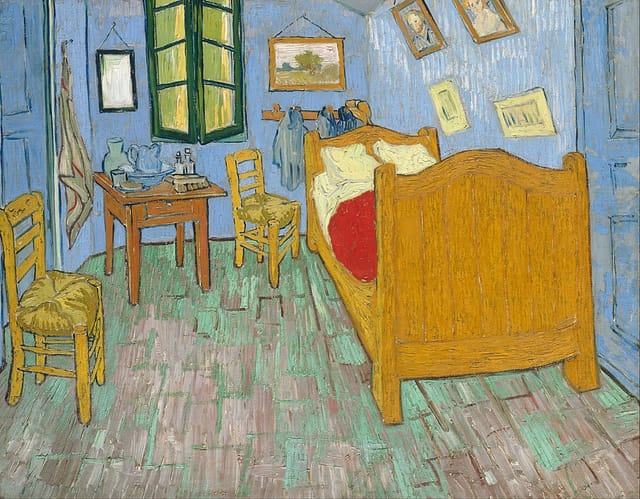
The Bedroom, Vincent van Gogh, 1889

Vincent van Gogh

The Bedroom, 1889

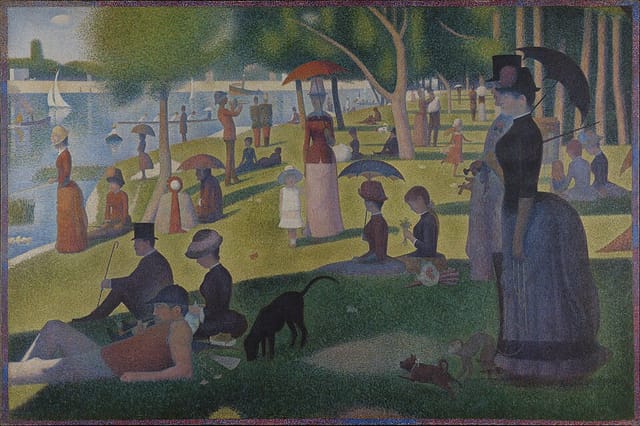
A Sunday on La Grande Jatte — 1884, Georges Seurat, 1884–86, border added 1888–89

Georges Seurat

Ein Sonntagnachmittag auf der Insel La Grande Jatte, 1884–86, border added 1888–89

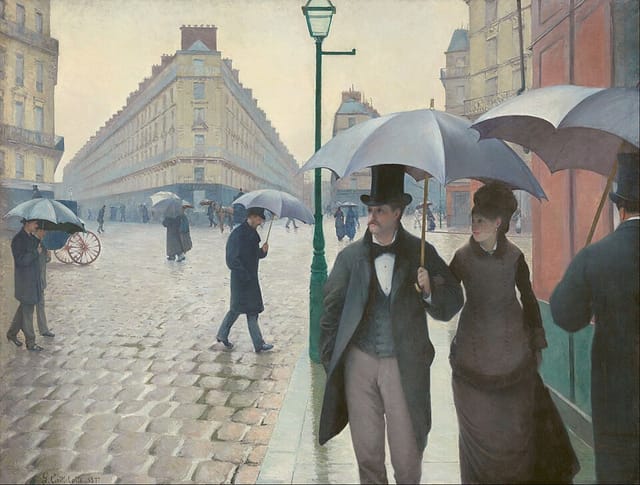
Paris Street; Rainy Day, Gustave Caillebotte, 1877

Gustave Caillebotte

Straße in Paris an einem regnerischen Tag, 1877

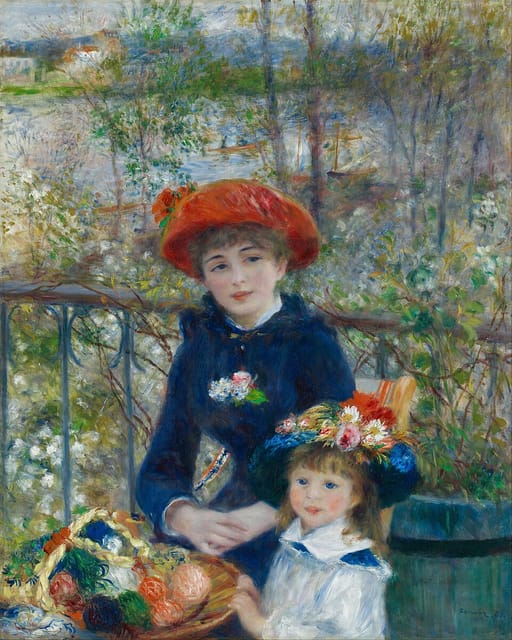
Two Sisters (On the Terrace), Pierre-Auguste Renoir, 1881

Pierre-Auguste Renoir

Auf der Terrasse, 1881

The Basket of Apples, Paul Cézanne, c. 1893

Paul Cézanne

The Basket of Apples, c. 1893

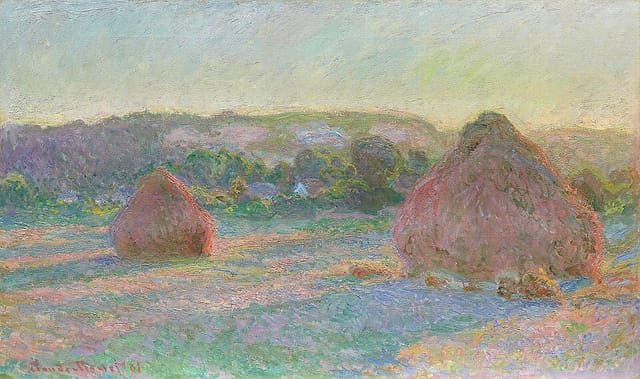
Stacks of Wheat (End of Summer), Claude Monet, 1890–91

Claude Monet

Stacks of Wheat (End of Summer), 1890–91

American Gothic, Grant Wood, 1930

Grant Wood

American Gothic, 1930

Nighthawks, Edward Hopper, 1942

Edward Hopper

Nighthawks, 1942