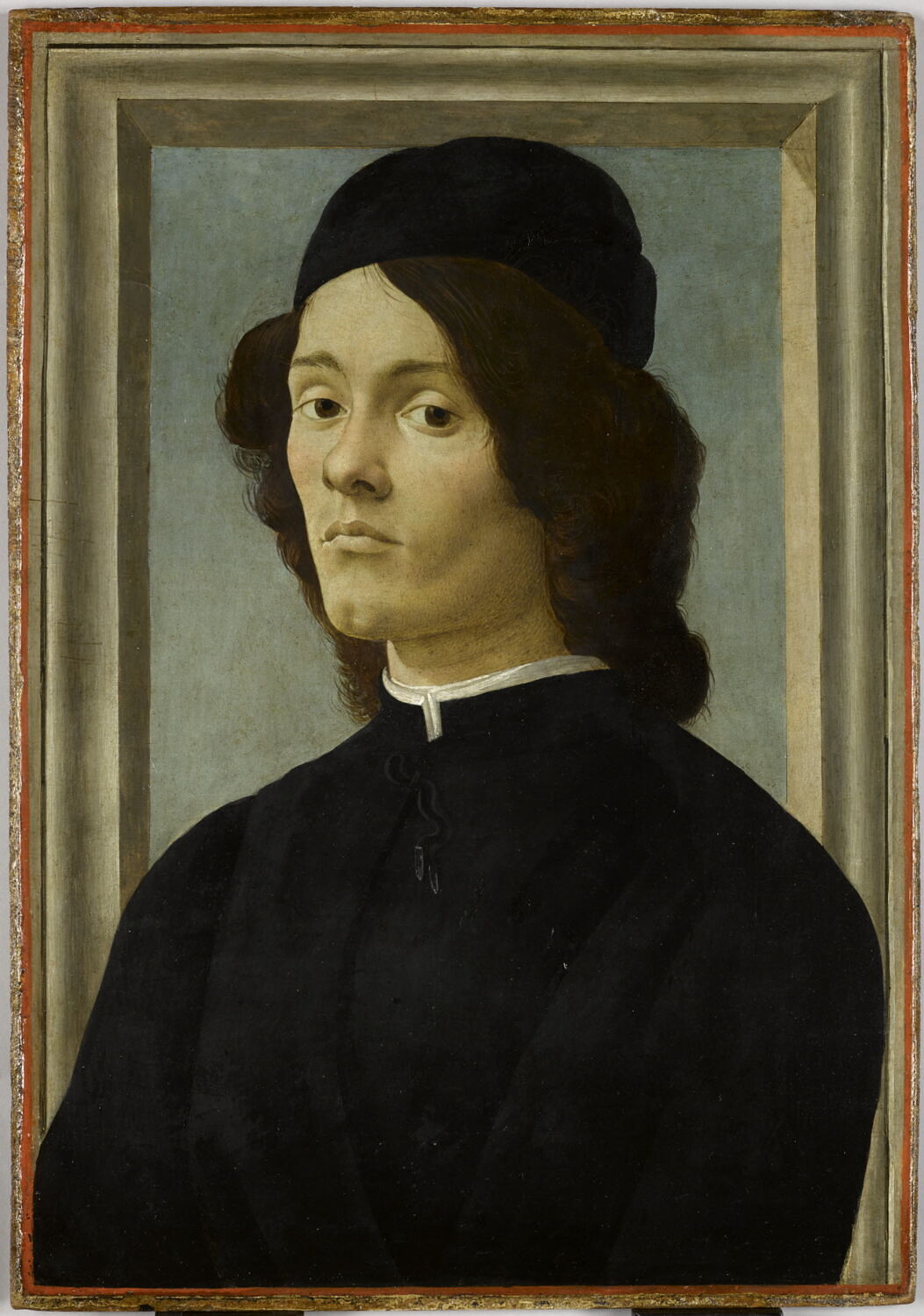
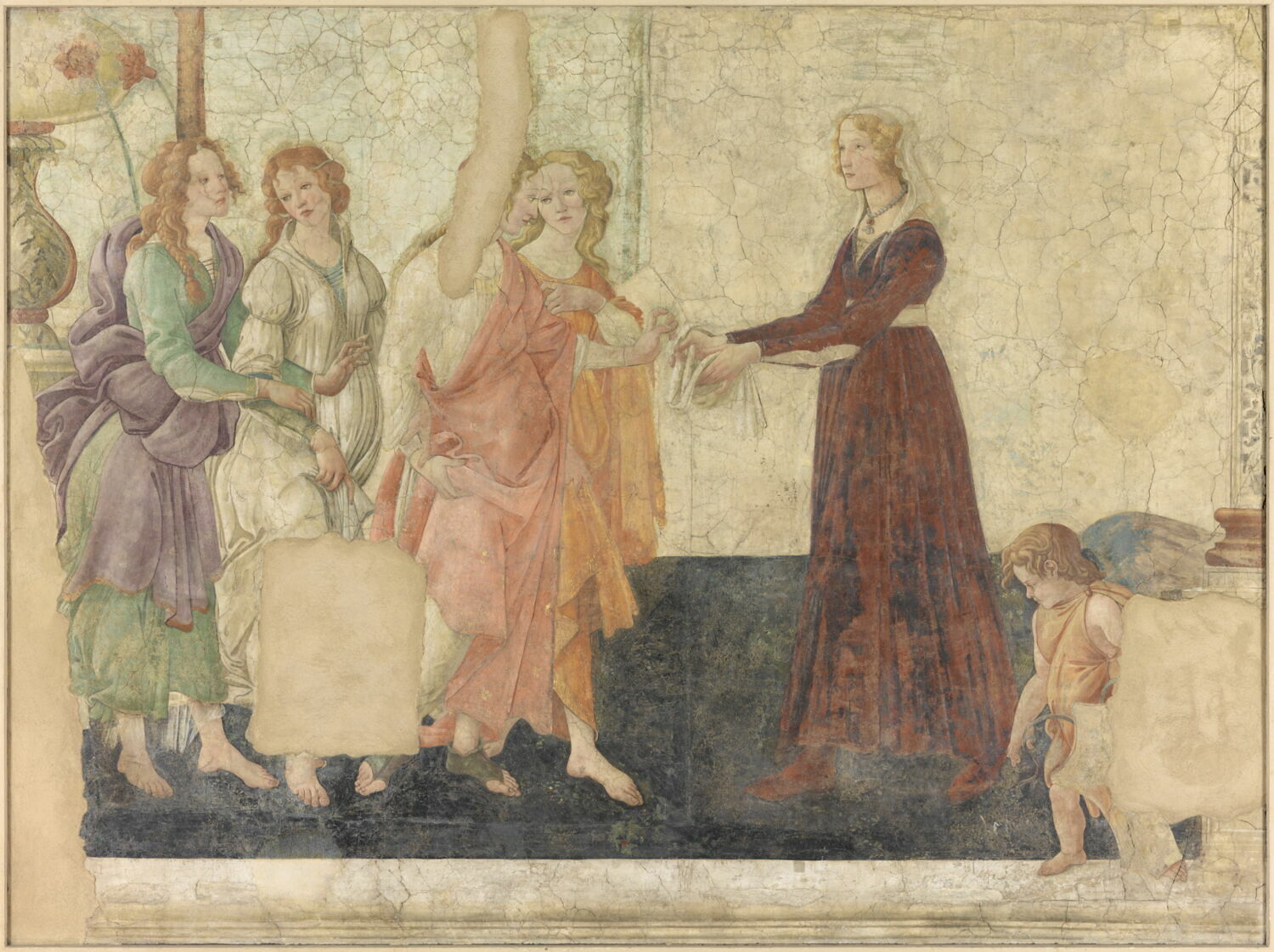
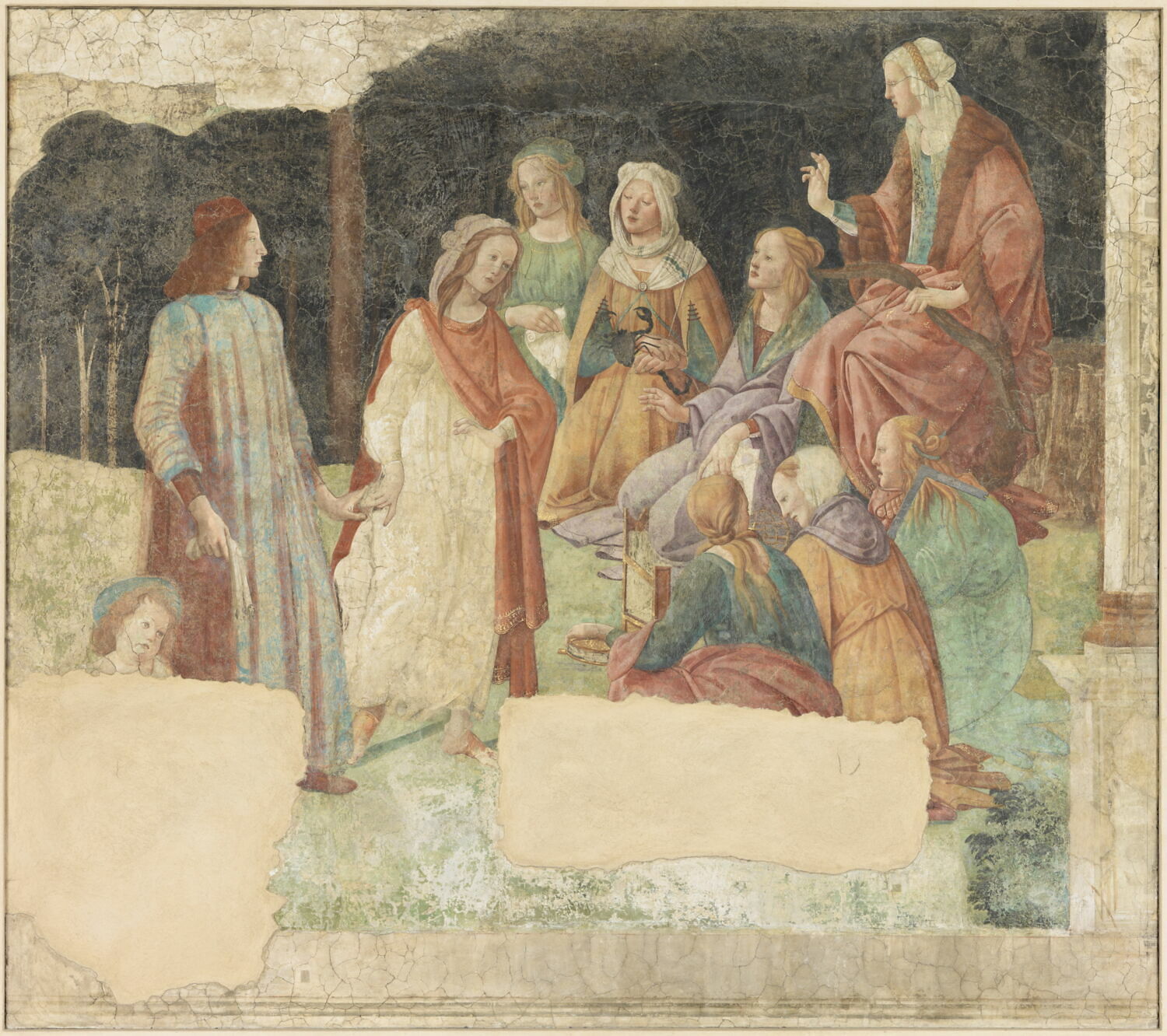
Sandro BotticelliItalien, 1445–1510
Mystic Crucifixion
Darf man es sehen?
Ja, es empfängt Besucher

Öffentlich ausgestellt. Wer dafür bürgt, steht unten.
- Geprüft
- Unverändert seit
- Quelle
- Das Museum
Über das Gemälde
Mystische Kreuzigung, auch bekannt als Kreuzigung mit der büßenden Maria Magdalena und einem Engel, ist ein Tempera-Gemälde des italienischen Renaissance-Malers Sandro Botticelli und zeigt die Kreuzigung Jesu Christi. Das Werk reflektiert ebenso wie die Mystische Geburt die Endzeitstimmung und die Hoffnung auf Welterneuerung in Florenz am Ende des 15. Jahrhunderts, eine Weltsicht, die maßgeblich von den religiösen und politischen Umbrüchen in dieser Zeit geprägt wurde.
In den Worten des Museums
In the 1490s, Florence came under the sway of the magnetic Dominican preacher Girolamo Savonarola. The century had been one of unprecedented innovations in art and literature, but also of loosening social mores and rampant church corruption. Savonarola railed against immorality and unorthodoxy, warning that Judgment Day was imminent and that Florence would be punished for its sins.
Weiterlesen
Botticelli’s brother was a follower of Savonarola, and the artist also came under his sway. In this painting, perhaps made for his own use, Botticelli incorporates themes from Savonarola’s incendiary sermons. Firebrands and weapons rain down from black storm clouds, and an angel of justice raises his sword to slay the marzocco, the small lion that is the emblem of Florence. The purified city is shown in the background, bathed in light emanating from God the Father, as white angels chase the clouds away. Mary Magdalene desperately clutches the foot of the cross, while a wolf, symbolizing clerical vice, flees from under her robe.
Harvard Art Museums
Angaben
- Inventarnummer
- 1924.27
Im Katalog
Quellen
- Harvard Art Museums
- Bild: Harvard Art Museums — © President and Fellows of Harvard College
Derweil im Leben von Sandro Botticelli
Das ganze Leben1490–1498
Savonarola's preaching and Botticelli
From 1490 Savonarola preached in Florence; according to Vasari, Botticelli became his follower, gave up painting and fell into hardship. Modern historians reject this, and the extent of the preacher's influence remains uncertain — Botticelli's brother Simone was the clearer follower.
1498
The execution of Savonarola
In 1498 Savonarola was seized, accused of heresy and sentenced to death; these events shook Botticelli deeply.
late 1502
Isabella d'Este prefers to wait for Perugino
In late 1502 Isabella d'Este wanted a painting done in Florence; her agent Francesco Malatesta reported that Perugino was away, Filippino Lippi was booked for six months, but Botticelli was free to start at once and ready to oblige. She preferred to wait for Perugino's return.