ART WIKI32.963 ausgestellt
KarteSammlungKünstlerMuseenAusstellungenJournal
Anmelden

ART WIKI

Wo das Meisterwerk hängt und wann man vorgelassen wird.

Sammlungen: Art Institute of Chicago, Cleveland Museum of Art, Eremitage, Getty Villa, Harvard Art Museums, Hirshhorn Museum and Sculpture Garden, J. Paul Getty Museum, Louvre, Metropolitan Museum of Art, Minneapolis Institute of Art, Museum of Modern Art, National Gallery of Art, National Museum of Asian Art, National Portrait Gallery, Puschkin-Museum, Rijksmuseum Amsterdam, Russisches Museum, Smithsonian American Art Museum, Statens Museum for Kunst, Tretjakow-Galerie, Victoria and Albert Museum, Whitney Museum of American Art, Staatskatalog des Museumsfonds Russlands (274 Museen), Europeana (19 Museen), Wikidata (6 Museen), Paris Musées (12 Museen) und Joconde, die Museumsdatenbank des französischen Kulturministeriums (495 Museen). Die Bilder gehören ihren Rechteinhabern.

Rubriken

  • Karte
  • Suche
  • Sammlung
  • Meisterwerke
  • Jetzt ausgestellt
  • Künstler

Mehr

  • Museen & Galerien
  • Ausstellungen
  • Journal
  • Woher die Daten stammen
  • Datenschutz & Cookies
StartseiteKarteKatalog
  1. Sammlung/
  2. Museum of Modern Art/
  3. Mlle Pogany
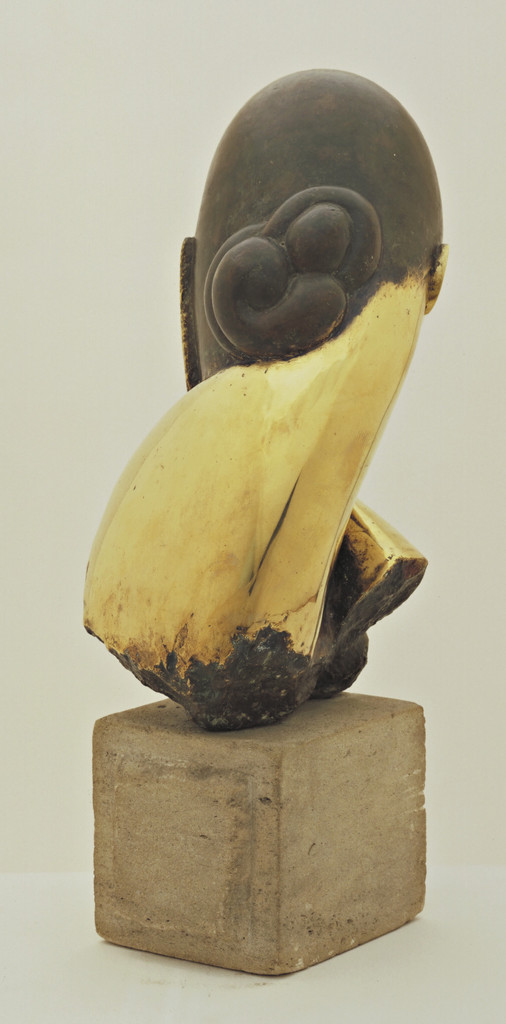
Mlle Pogany, Constantin Brancusi, version I, 1913 (after a marble of 1912)
Constantin Brancusi, PorträtConstantin BrancusiRumänien, 1876–1957

Mlle Pogany

version I, 1913 (after a marble of 1912) · Sculpture

Darf man es sehen?

Empfängt derzeit nicht

Museum of Modern Art

New York City, Vereinigte Staaten

Es gehört zur Sammlung, ist derzeit aber nicht ausgestellt.

Geprüft
vor 9 Tagen
Quelle
Das Museum
Auf der KarteMuseumsseite

Angaben

version I, 1913 (after a marble of 1912)
18761957
Inventarnummer
2.1953

Im Katalog

SkulpturBronzeModerne20. Jahrhundert

Quellen

  • Museum of Modern Art
  • Bild: Museum of Modern Art — © the artist or rights holder

Derweil im Leben von Constantin Brancusi

Das ganze Leben
  1. 1910s

    “Mobile groups”: rearranging the sculptures

    During the 1910s Brâncuși arranges sculptures and pedestals in changing compositions that he calls “mobile groups”: he moves the works and watches how each change alters the space around them. When he sells a sculpture he often puts a plaster version in the same position, and by the 1920s the studio is also an exhibition space whose arrangement forms part of the work.

  2. autumn 1912

    The Grand Palais aviation show with Duchamp and Léger

    In the fall of 1912 Brâncuși visits an aviation exhibition at the Grand Palais with Marcel Duchamp and Fernand Léger; the three stop before an airplane propeller, and its mechanical precision leads them into a conversation about machine-made forms and the direction sculpture might take. In May of that year he had rented a second studio at 47 rue du Montparnasse, across from the first.

  3. 17 February 1913

    The Armory Show in New York: five sculptures

    In December 1912 the Armory Show organisers Arthur Bowen Davies, Walt Kuhn and Walter Pach visit Paris in search of works; the catalogue lists five sculptures by Brâncuși — “The Kiss”, “Sleeping Muse”, “A Muse”, “Mademoiselle Pogany” and “Torso”. The exhibition opens in New York on 17 February 1913 and travels to Chicago and Boston; his compact forms provoke laughter, caricatures and arguments in the press, and “Mademoiselle Pogany” is compared to an egg.

  4. 1914

    The patron John Quinn

    The lawyer and collector John Quinn, a supporter of the Armory Show, buys works from Brâncuși and remains in contact with him until his death in 1924; in 1914 he acquires a version of “Mademoiselle Pogany” from 291.

  5. 12 March – 4 April 1914

    His first US solo show at the gallery 291

    Edward Steichen selects the works for Brâncuși’s first solo exhibition in the United States: eight sculptures, including “Măiastra” and “Mademoiselle Pogany”, are shown at 291, the gallery run by Alfred Stieglitz. Agnes and Eugene Meyer pay for their transportation and begin buying works directly from Brâncuși.

  6. 1915–1917

    The First World War: a refusal to serve

    Brâncuși stays in Paris after the outbreak of World War I; in 1915 he donates works to an exhibition at Bernheim-Jeune that raises money for Polish artists affected by the war. As a Romanian citizen he remains liable for military service, but he refuses to serve in 1916 and receives a permanent exemption on 8 November 1917.

Mehr von Constantin Brancusi

Alle Werke
Maiastra, Constantin Brâncuși, c. 1911

Maiastra

c. 1911 · National Gallery of Art

Bird in Space, Constantin Brâncuși, 1925

Bird in Space

1925 · National Gallery of Art

Bird in Space, Constantin Brâncuși, 1927

Bird in Space

1927 · National Gallery of Art

Agnes E. Meyer, Constantin Brâncuși, 1929

Agnes E. Meyer

1929 · National Gallery of Art

Male Torso, Constantin Brancusi, 1917

Male Torso

1917 · Cleveland Museum of Art

Golden Bird, Constantin Brancusi, 1919/20 (base c. 1922)

Golden Bird

1919/20 (base c. 1922) · Art Institute of Chicago

Golden Bird, Constantin Brancusi, c. 1919

Golden Bird

c. 1919 · Minneapolis Institute of Art

Wisdom, Constantin Brancusi, c. 1908

Wisdom

c. 1908 · Art Institute of Chicago

Nachbarn im Haus: Museum of Modern Art

Museumsseite
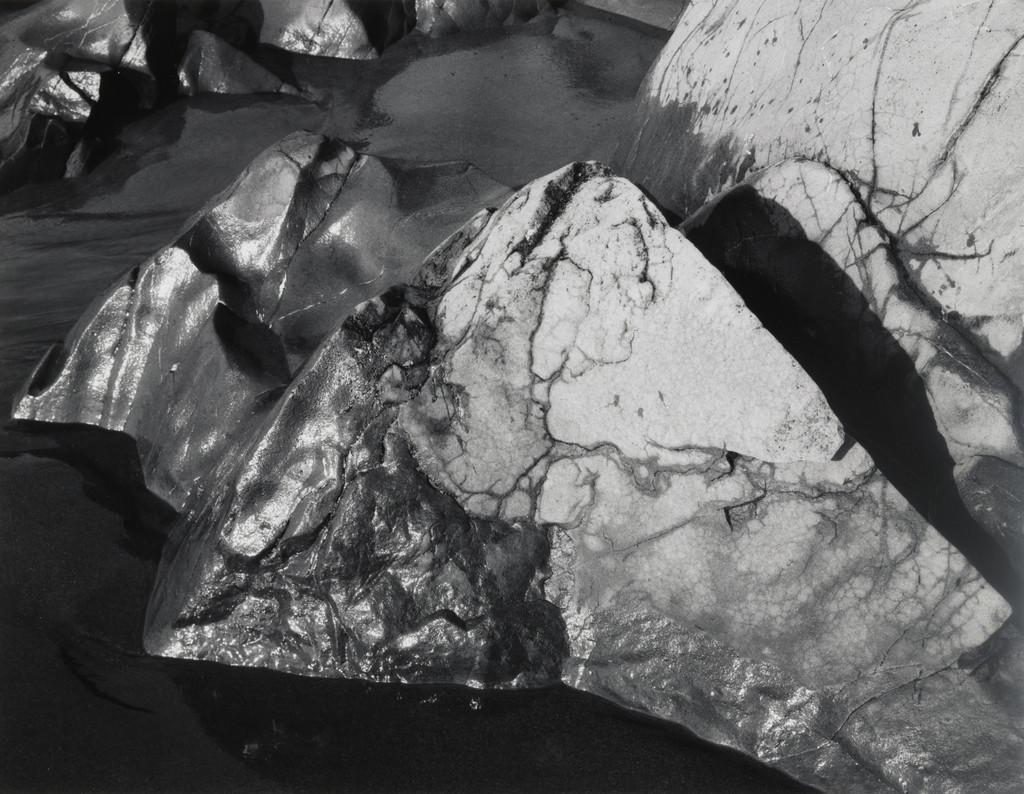
Rock, Bakers Beach, San Francisco, California, Ansel Adams, c. 1931

Ansel Adams

Rock, Bakers Beach, San Francisco, California, c. 1931

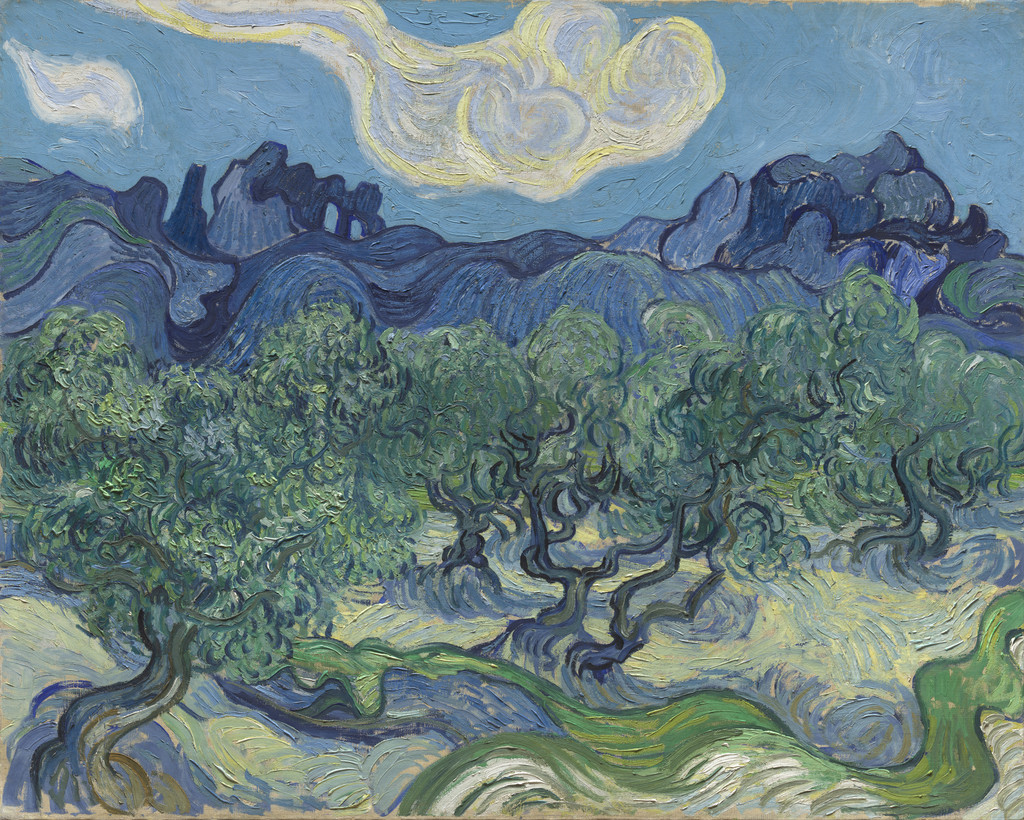
The Olive Trees, Vincent van Gogh, Saint Rémy, June-July 1889

Vincent van Gogh

The Olive Trees, Saint Rémy, June-July 1889

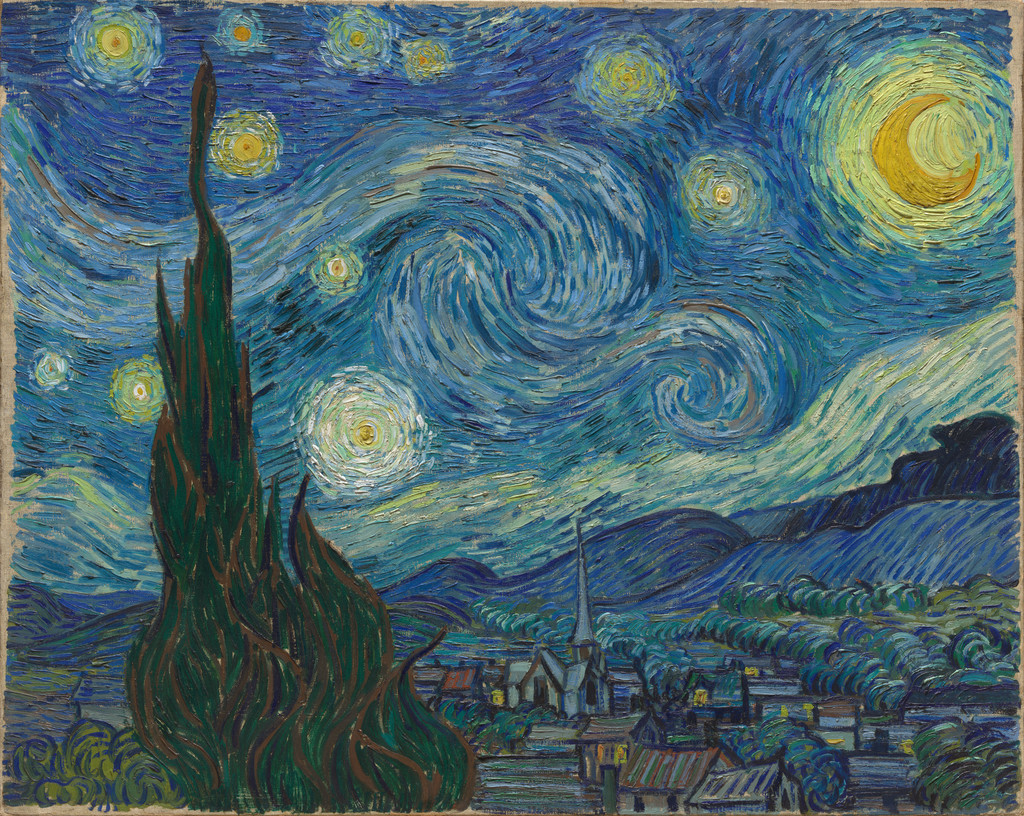
The Starry Night, Vincent van Gogh, Saint Rémy, June 1889

Vincent van Gogh

Sternennacht, Saint Rémy, June 1889

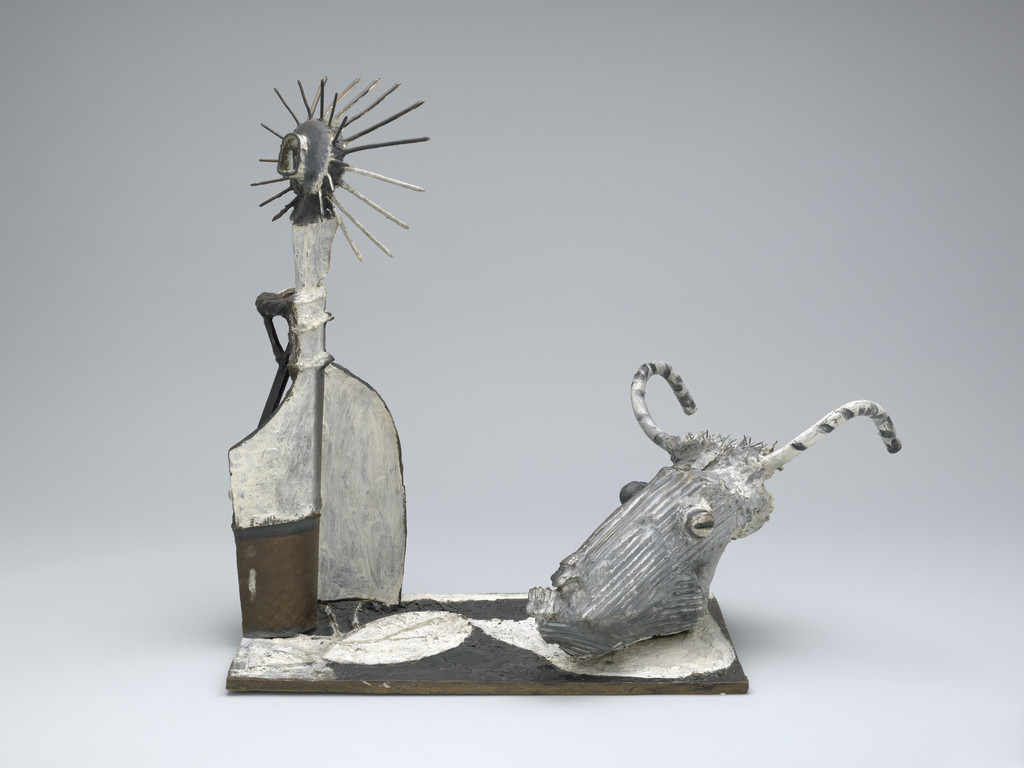
Goat Skull and Bottle, Pablo Picasso, Vallauris, 1951 (cast 1954)

Pablo Picasso

Goat Skull and Bottle, Vallauris, 1951 (cast 1954)

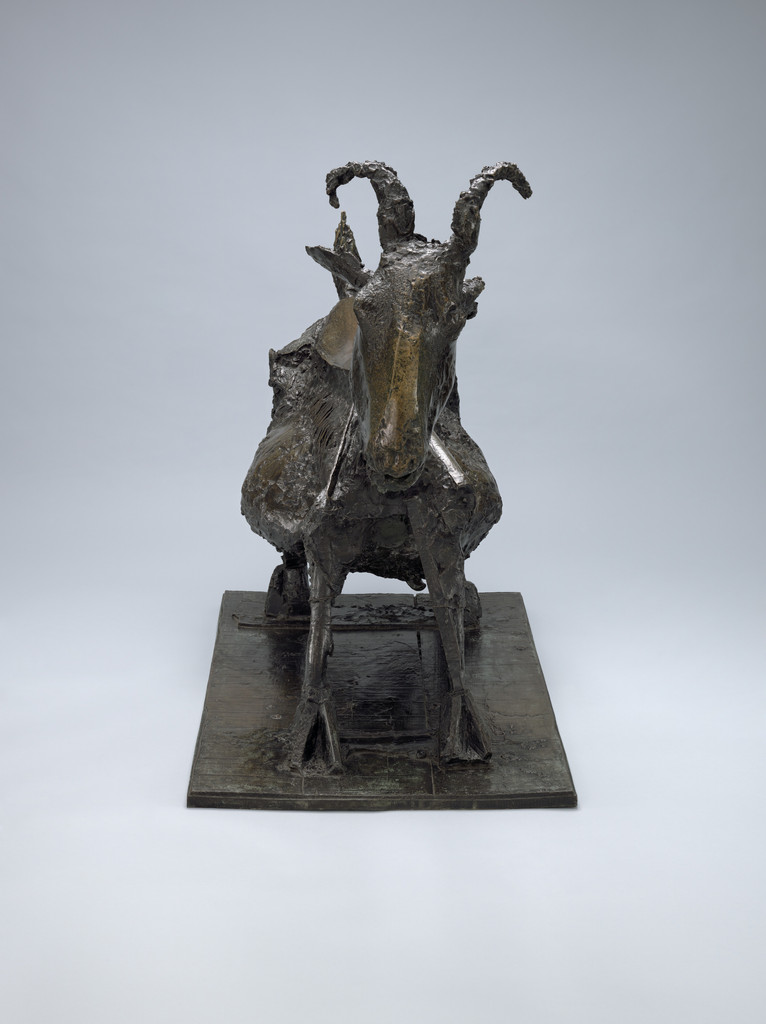
She-Goat, Pablo Picasso, Vallauris, 1950 (cast 1952)

Pablo Picasso

She-Goat, Vallauris, 1950 (cast 1952)

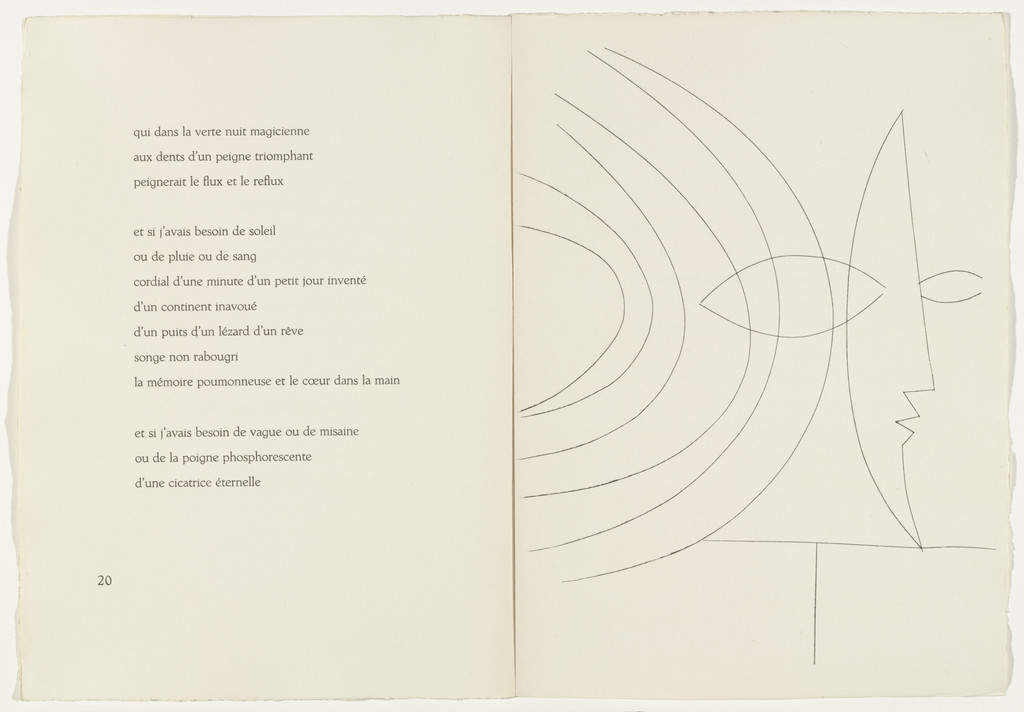
Face in Profile (plate, page 21) from Corps perdu, Pablo Picasso, 1949, published 1950

Pablo Picasso

Face in Profile (plate, page 21) from Corps perdu, 1949, published 1950

Coupling (plate, page 17) from Corps perdu, Pablo Picasso, 1949, published 1950

Pablo Picasso

Coupling (plate, page 17) from Corps perdu, 1949, published 1950

"Présence" (chapter title, page 13) from Corps perdu, Pablo Picasso, 1949, published 1950

Pablo Picasso

"Présence" (chapter title, page 13) from Corps perdu, 1949, published 1950