 Jacques-Louis DavidFrankreich, 1748–1825
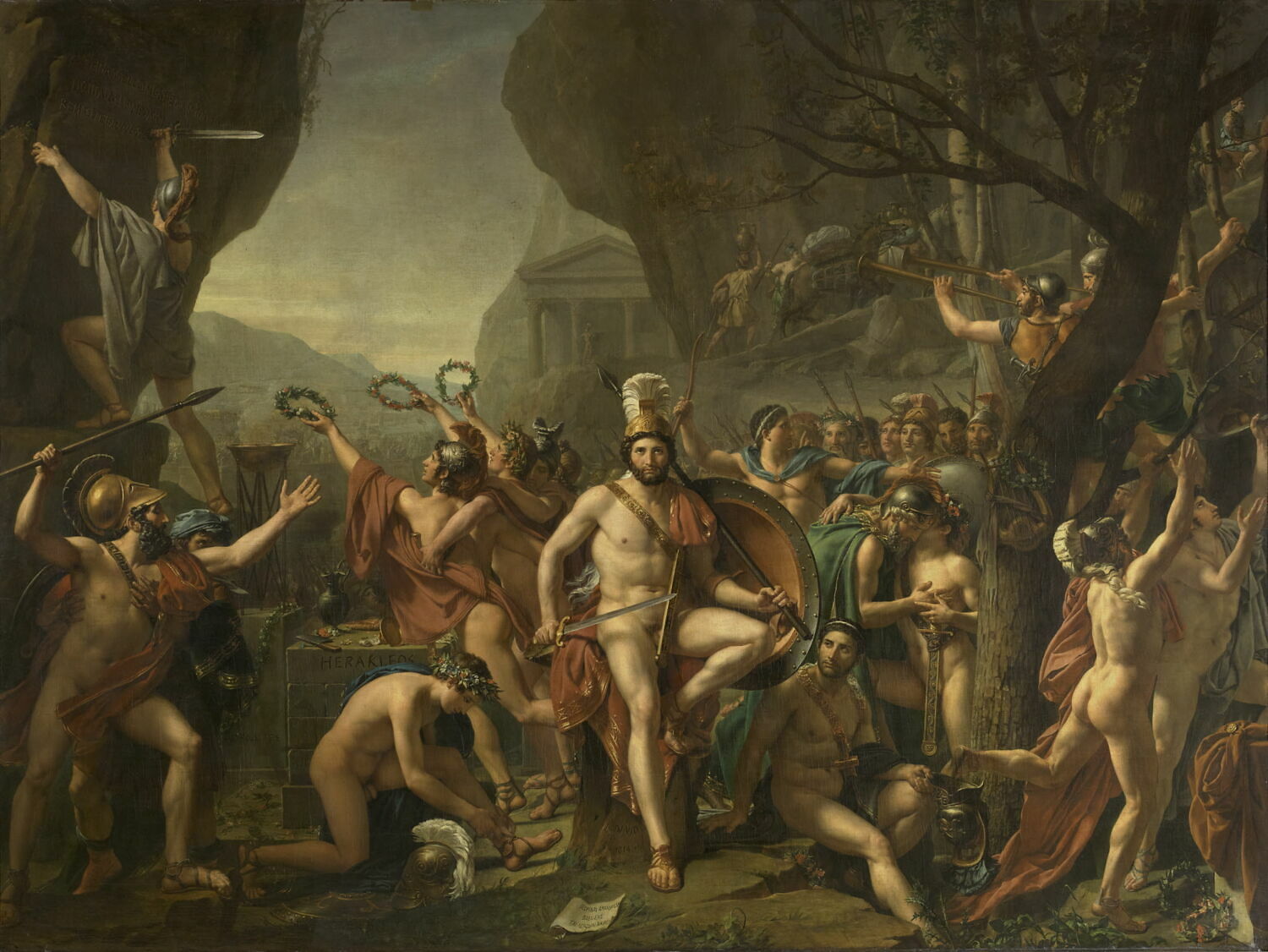
Leonidas an den Thermopylen
Léonidas aux Thermopyles
Kann ich es sehen?
Ja, derzeit ausgestellt
Wo ist „Leonidas an den Thermopylen“ heute? Louvre, Salle 702, Aile Denon, Niveau 1, Paris. Ja, derzeit ausgestellt. Geprüft 26. September 2026.

Geschlossen· öffnet um 9:00
Öffentlich ausgestellt.
- Geprüft
- Unverändert seit
- Quelle
- Das Museum
Über das Gemälde
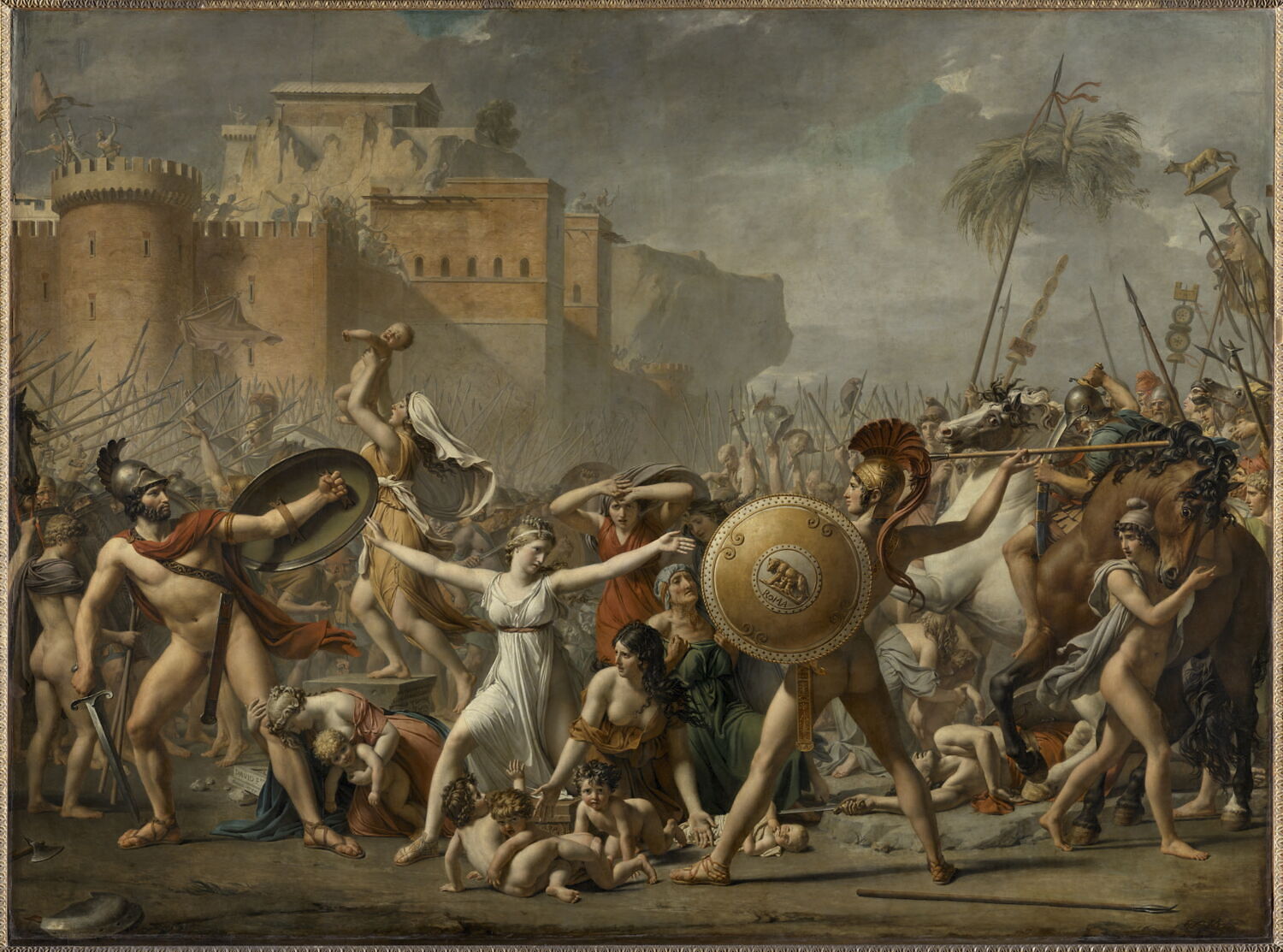
Leonidas at Thermopylae is an oil-on-canvas painting by French artist Jacques-Louis David. The work currently hangs in the Louvre in Paris, France. David completed the massive work (3.95 m × 5.31 m) 15 years after he began, working on it from 1799 to 1803 and again in 1813–1814. Leonidas at Thermopylae was purchased, along with The Intervention of the Sabine Women, in November 1819 for 100,000 francs by Louis XVIII, the king of France. The piece depicts the Spartan king Leonidas prior to the Battle of Thermopylae. David's pupil Georges Rouget collaborated on it.
Angaben
- Inventarnummer
- INV 3690
Im Katalog
Quellen
- Louvre
- Bild: Louvre — © 2018 GrandPalaisRmn (musée du Louvre) / Thierry Ollivier
Im Leben von Jacques-Louis David
Das ganze Leben1815
Flees to Switzerland after Waterloo
After Bonaparte’s defeat at Waterloo and the Bourbon restoration he was forced to flee to Switzerland; in August of the same year he returned to France.
1815
Napoleon visits David during the Hundred Days
During the Hundred Days Napoleon visited the painter and awarded him the commander’s cross of the Legion of Honour.
1816
Exile: moves to Brussels
Exiled from France for his part in the king’s execution, despite the intercession of the police minister Élie Decazes, he settled in Brussels, where he lived for the rest of his life.
1816–1825
The Brussels years: pupils and smaller works
He trained and influenced Brussels artists such as François-Joseph Navez and Ignace Brice, painted “Cupid and Psyche,” smaller mythological scenes, portraits of Brussels citizens and Napoleonic émigrés, and, towards the end of his life, a portrait of his old friend Abbé Sieyès.