ART WIKI33.040 ausgestellt
KarteSammlungKünstlerMuseenAusstellungenJournal
Anmelden

ART WIKI

Wo das Meisterwerk hängt und wann man vorgelassen wird.

Sammlungen: Art Institute of Chicago, Cleveland Museum of Art, Eremitage, Getty Villa, Harvard Art Museums, Hirshhorn Museum and Sculpture Garden, J. Paul Getty Museum, Louvre, Metropolitan Museum of Art, Minneapolis Institute of Art, Museum of Modern Art, National Gallery of Art, National Museum of Asian Art, National Portrait Gallery, Puschkin-Museum, Rijksmuseum Amsterdam, Russisches Museum, Smithsonian American Art Museum, Statens Museum for Kunst, Tretjakow-Galerie, Victoria and Albert Museum, Whitney Museum of American Art, Staatskatalog des Museumsfonds Russlands (274 Museen), Europeana (19 Museen), Wikidata (6 Museen), Paris Musées (12 Museen) und Joconde, die Museumsdatenbank des französischen Kulturministeriums (495 Museen). Die Bilder gehören ihren Rechteinhabern.

Rubriken

  • Karte
  • Suche
  • Sammlung
  • Meisterwerke
  • Jetzt ausgestellt
  • Künstler

Mehr

  • Museen & Galerien
  • Ausstellungen
  • Journal
  • Woher die Daten stammen
  • Datenschutz & Cookies
StartseiteKarteKatalog
  1. Sammlung/
  2. Louvre/
  3. L' École d'Athènes
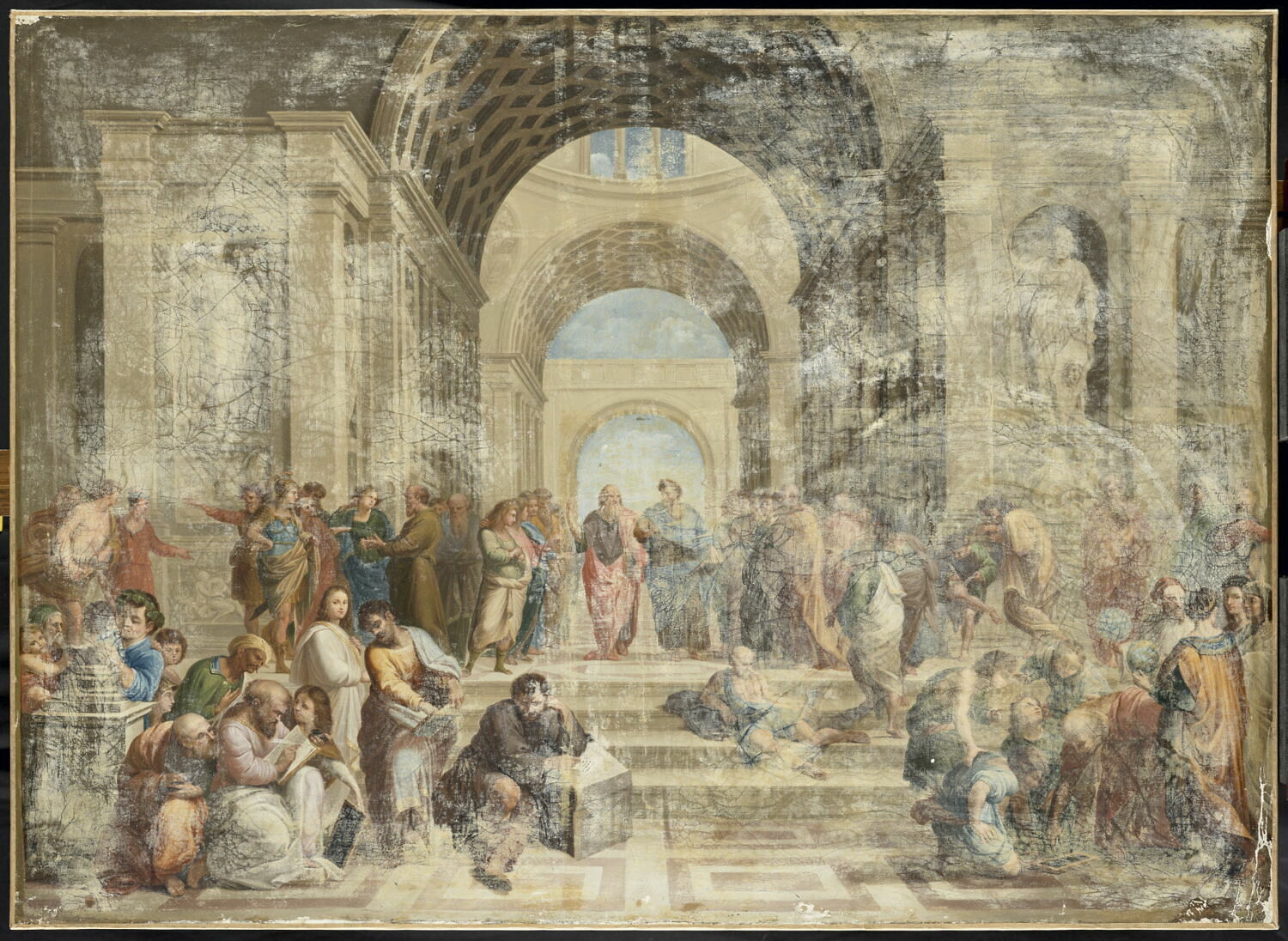
L' École d'Athènes, Santi, Raffaello, dit Raphaël, XVIe siècle (1500 - 1600)
Raphael, PorträtRaphaelItalien, 1483–1520

L' École d'Athènes

XVIe siècle (1500 - 1600) · Peintures

Darf man es sehen?

Empfängt derzeit nicht

Louvre

Paris, Frankreich

Es gehört zur Sammlung, ist derzeit aber nicht ausgestellt.

Geprüft
vor 13 Tagen
Unverändert seit
26. Sept. 2026
Quelle
Das Museum
Auf der KarteMuseumsseite

Angaben

Inventarnummer
INV 618

Im Katalog

GemäldeÖlItalienische MalereiRenaissance16. Jahrhundert

Quellen

  • Louvre
  • Bild: Louvre — © 2022 GrandPalaisRmn (musée du Louvre) / Mathieu Rabeau

Derweil im Leben von Raphael

Das ganze Leben
  1. 1501

    In Perugino's workshop

    From 1501 Raphael studied and worked in Pietro Perugino's workshop in Perugia; according to Vasari, his early works cannot be told apart from his master's. He often travelled home to Urbino, to Città di Castello and, with Pinturicchio, to Siena.

  2. late 1504

    Meets Leonardo and Michelangelo

    Having moved to Florence, Raphael met Leonardo da Vinci, Michelangelo and Bartolomeo della Porta and closely studied Leonardo's sfumato. His first Florentine commission, portraits of Agnolo Doni and his wife, was painted under the clear impression of the “Mona Lisa”.

  3. 1508

    Moves to Rome at the invitation of Julius II

    The new pope, Julius II, invited Raphael to Rome, perhaps at the suggestion of his architect Bramante, a distant relative of the artist. Unlike Michelangelo, kept waiting for months after his summons, Raphael was immediately commissioned to fresco what was to become the pope's private library, a far larger commission than any he had had before.

  4. 1514

    Chief architect of St Peter's

    After Bramante's death Raphael became chief architect of the new St Peter's and continued Bramante's construction of the Vatican Loggias, whose vaults his pupils painted.

  5. 1520

    His last illness and a fatal bloodletting

    Vasari blamed Raphael's death on debauchery, but modern researchers attribute it to a respiratory illness with high fever. A medical error proved fatal: doctors sent by the pope misdiagnosed him and tried to bring down the fever by bloodletting.

  6. 6. April 1520

    Died

Mehr von Raphael

Alle Werke
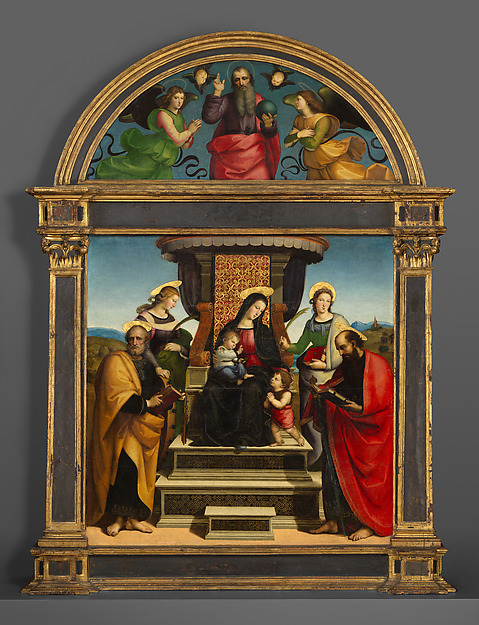
Madonna and Child Enthroned with Saints, Raphael, ca. 1504

Pala Colonna

ca. 1504 · Metropolitan Museum of Art

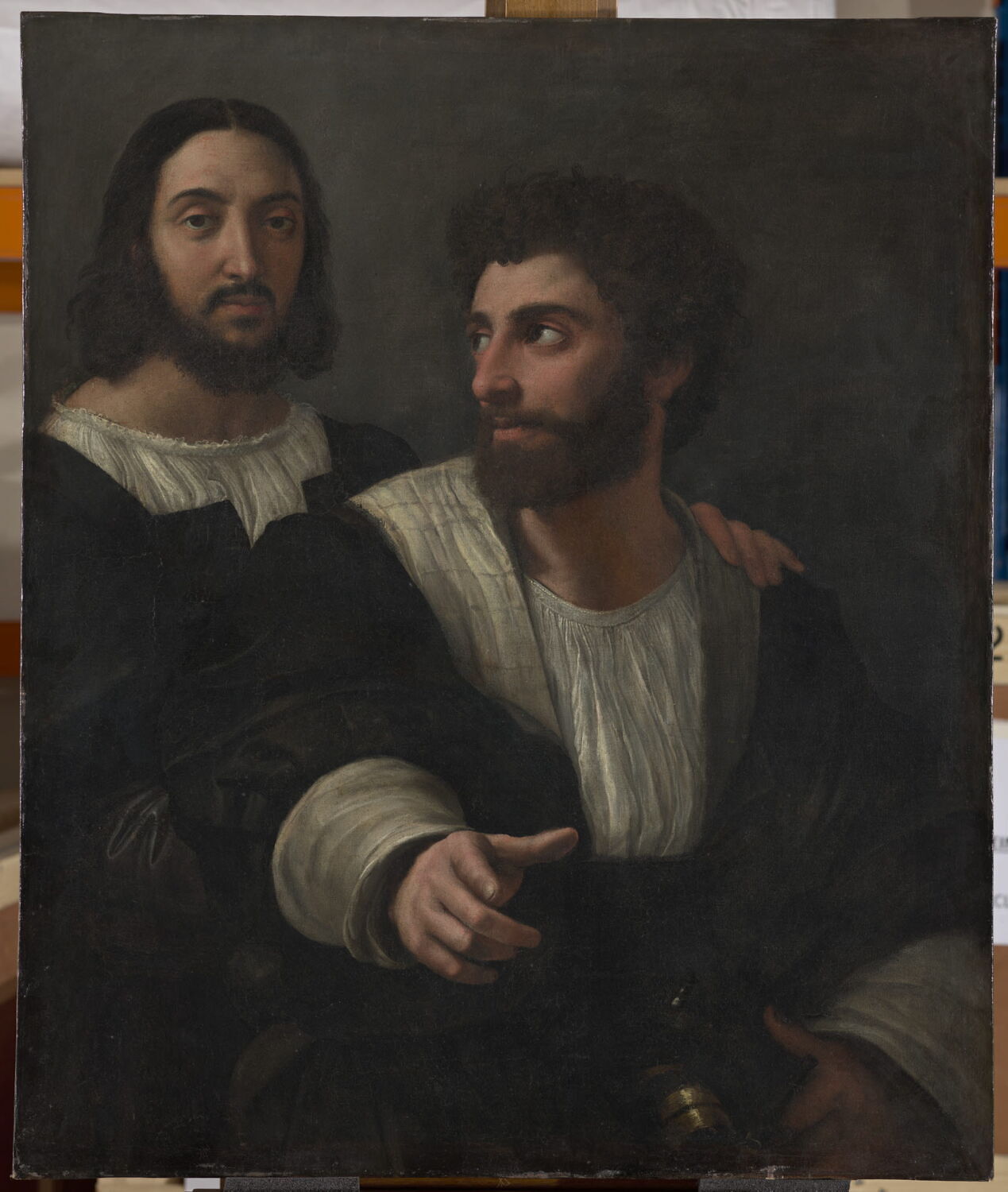
Portrait de l'artiste avec un ami, Santi, Raffaello, dit Raphaël, 1e quart du XVIe siècle (1500 - 1525)

Selbstporträt mit einem Freund

1e quart du XVIe siècle (1500 - 1525) · Louvre

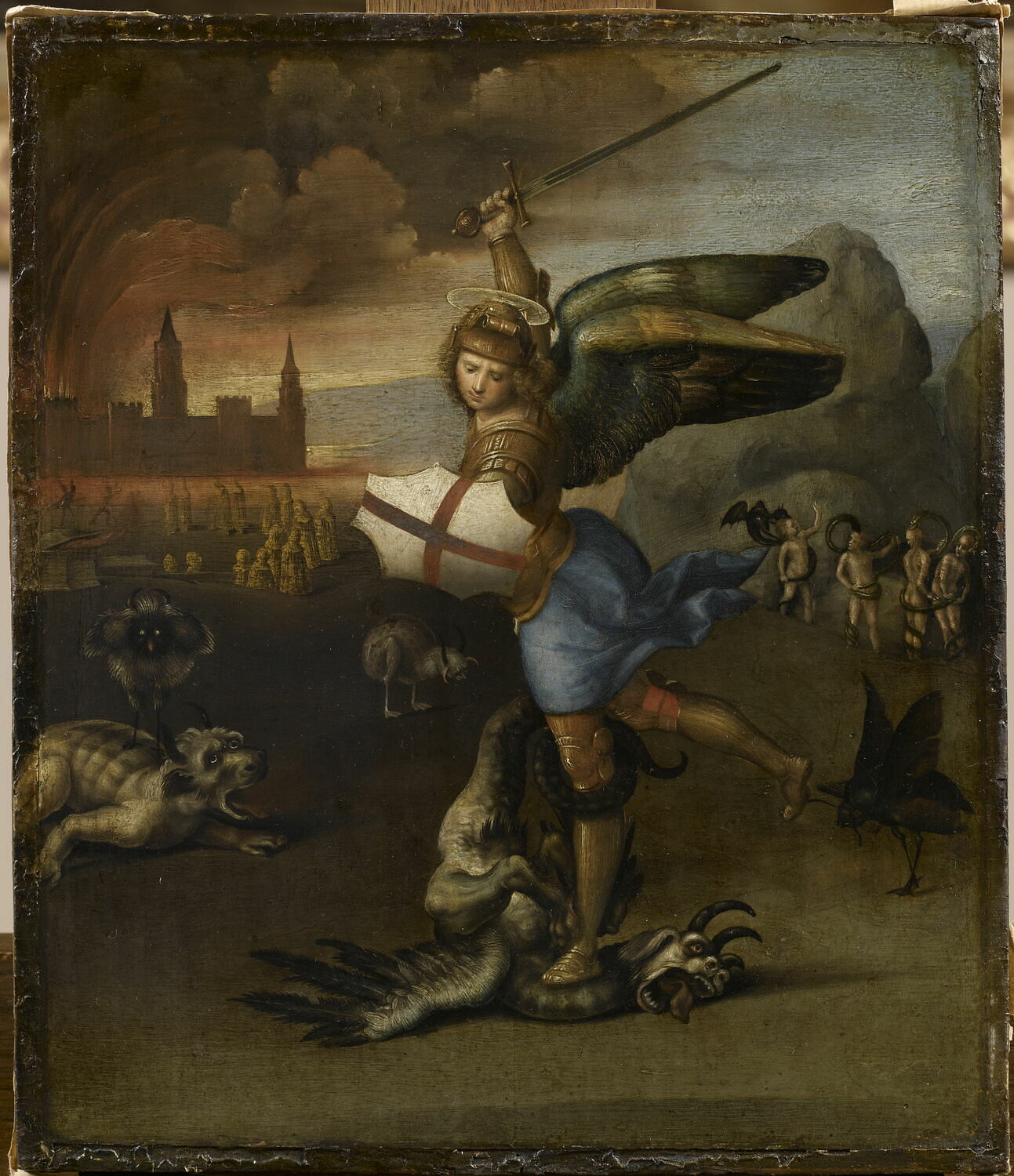
Saint Michel, Santi, Raffaello, dit Raphaël, 1e quart du XVIe siècle (vers 1503 - 1505)

Erzengel Michael vertreibt Satan

1e quart du XVIe siècle (vers 1503 - 1505) · Louvre

Madonna und Kind (Conestabile Madonna), Raphael, c. 1504

Madonna und Kind (Conestabile Madonna)

c. 1504 · Eremitage

The Small Cowper Madonna, Raphael, c. 1505

Kleine Madonna Cowper

c. 1505 · National Gallery of Art

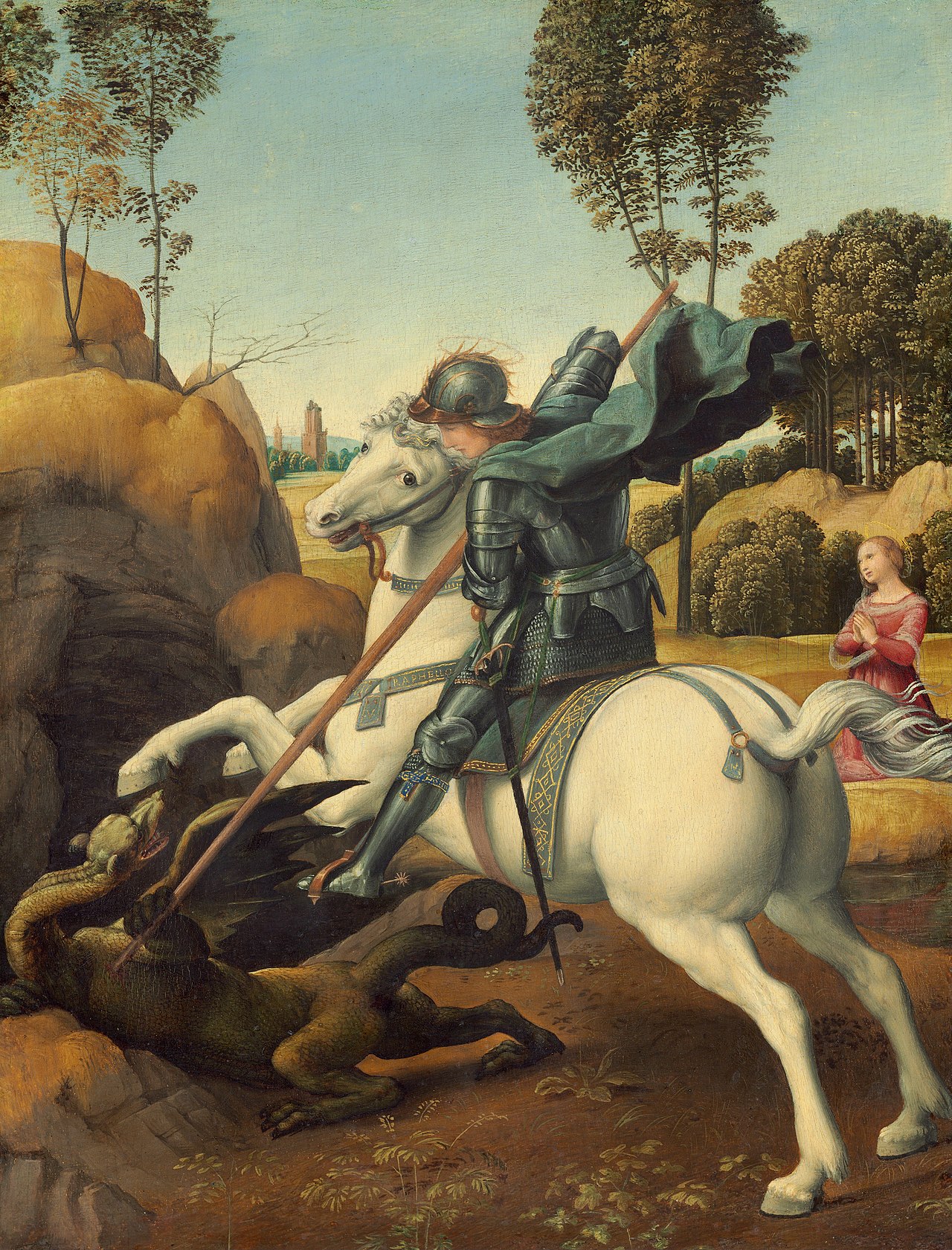
Hl. Georg (in Rüstung mit Waffenrock und Lanze) kämpft mit dem Drachen, Raphael, c. 1506

Hl. Georg (in Rüstung mit Waffenrock und Lanze) kämpft mit dem Drachen

c. 1506 · National Gallery of Art

Madonna mit dem bartlosen heiligen Joseph, Raphael, 1506

Madonna mit dem bartlosen heiligen Joseph

1506 · Eremitage

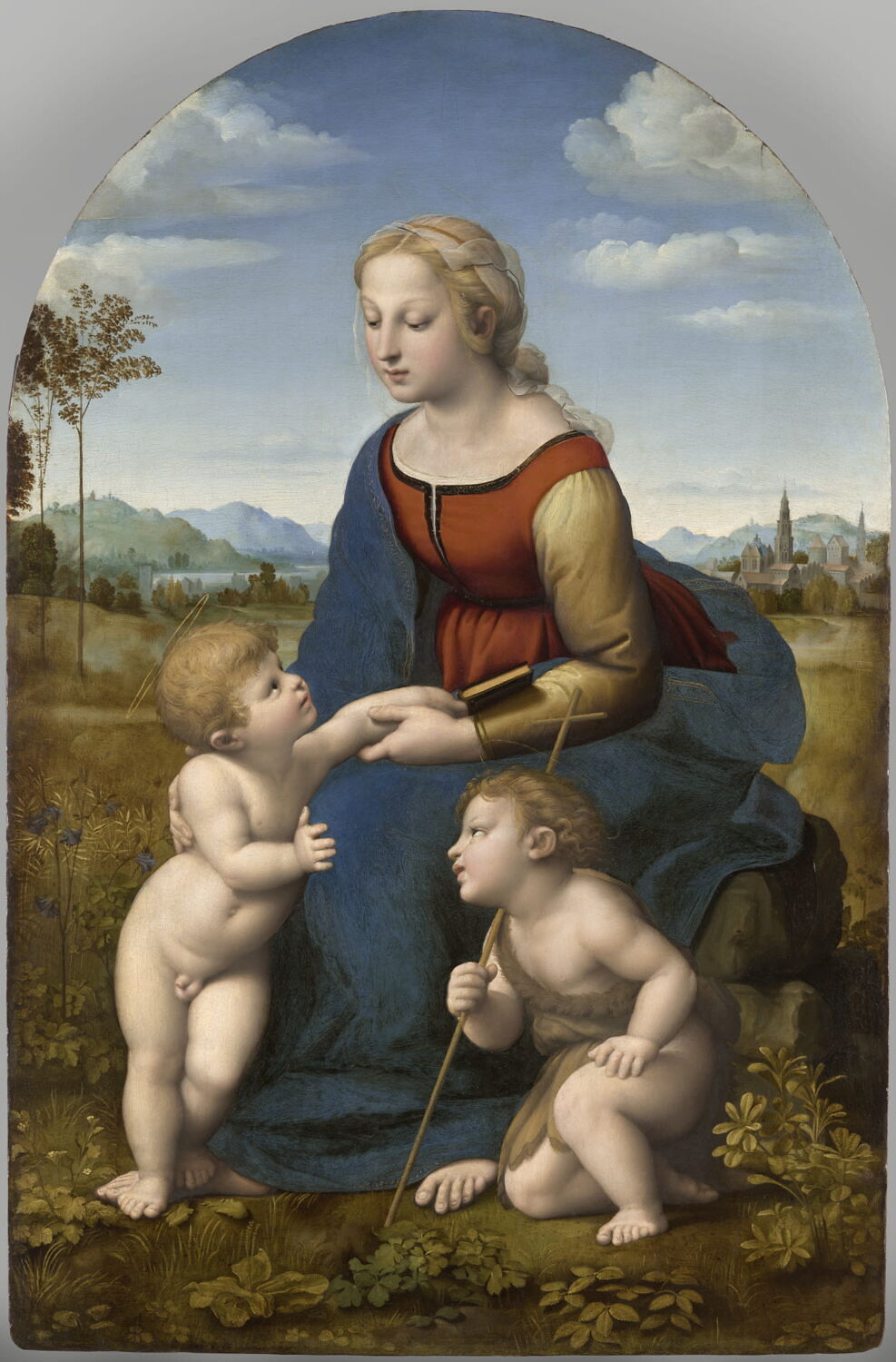
La Vierge à l'Enfant avec le petit saint Jean Baptiste, Santi, Raffaello, dit Raphaël, 1e quart du XVIe siècle (1507)

Maria mit Christus und Johannes

1e quart du XVIe siècle (1507) · Louvre

Nachbarn im Haus: Louvre

Museumsseite
Portrait of Marten Soolmans, Rembrandt van Rijn, 1634

Rembrandt van Rijn

Portrait of Marten Soolmans, 1634

Portrait of Oopjen Coppit, Rembrandt van Rijn, 1634

Rembrandt van Rijn

Portrait of Oopjen Coppit, 1634

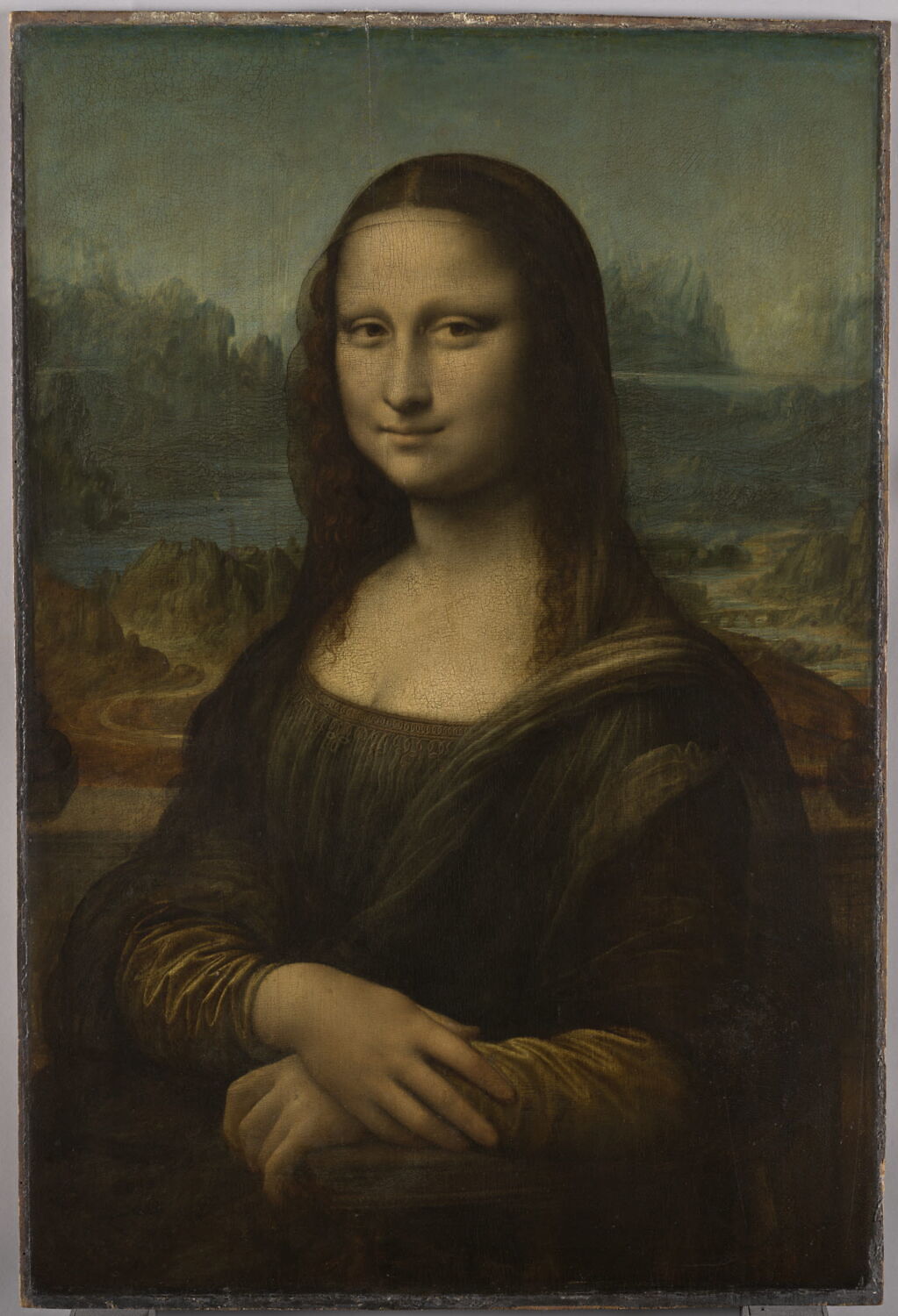
Portrait de Lisa Gherardini, épouse de Francesco del Giocondo, dit La Joconde ou Monna Lisa, Léonard de Vinci, 1e quart du XVIe siècle (1503 - 1519)

Leonardo da Vinci

Mona Lisa, 1e quart du XVIe siècle (1503 - 1519)

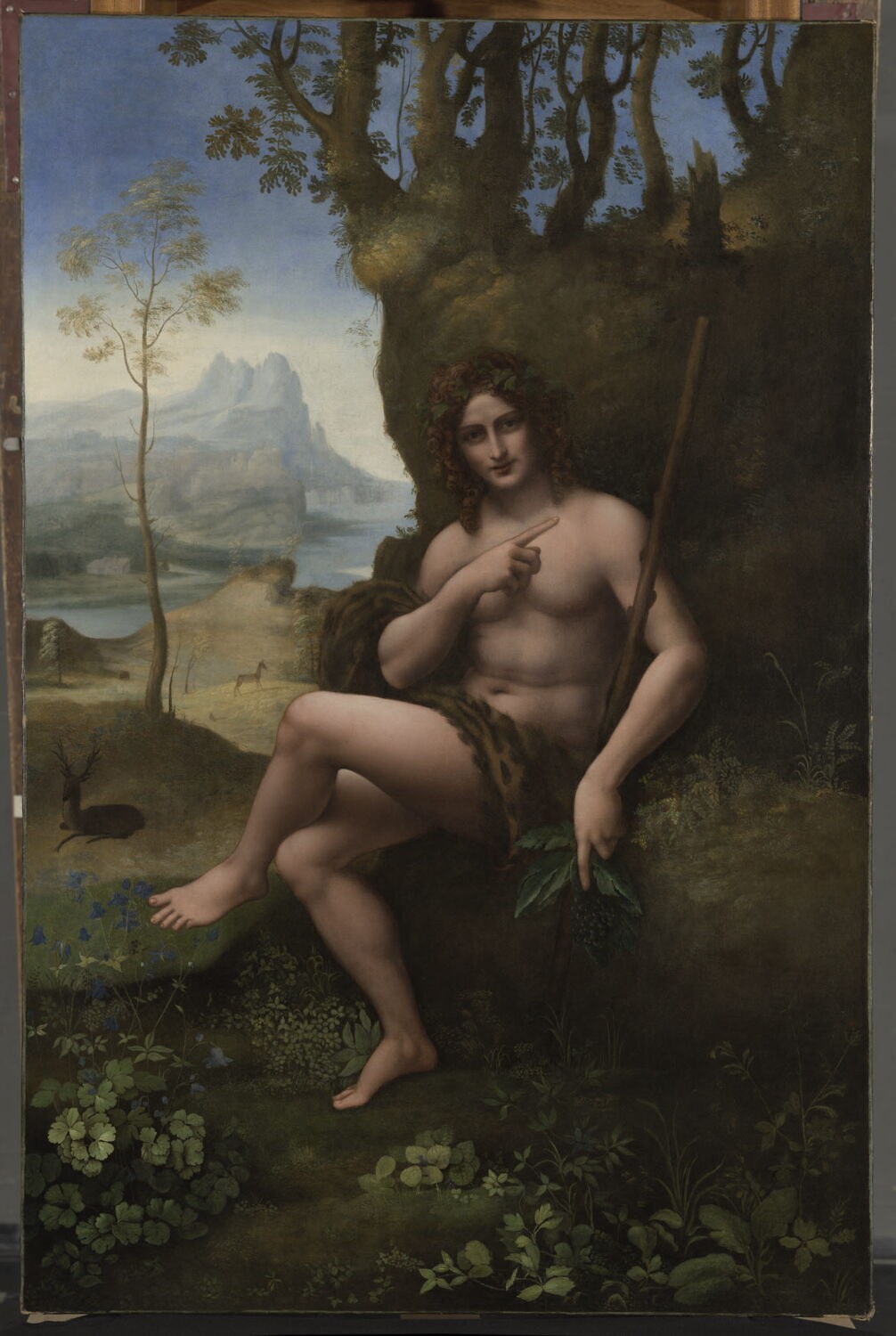
Saint Jean Baptiste, Léonard de Vinci, 1e quart du XVIe siècle (vers 1517 - 1520)

Leonardo da Vinci

Bacchus, 1e quart du XVIe siècle (vers 1517 - 1520)

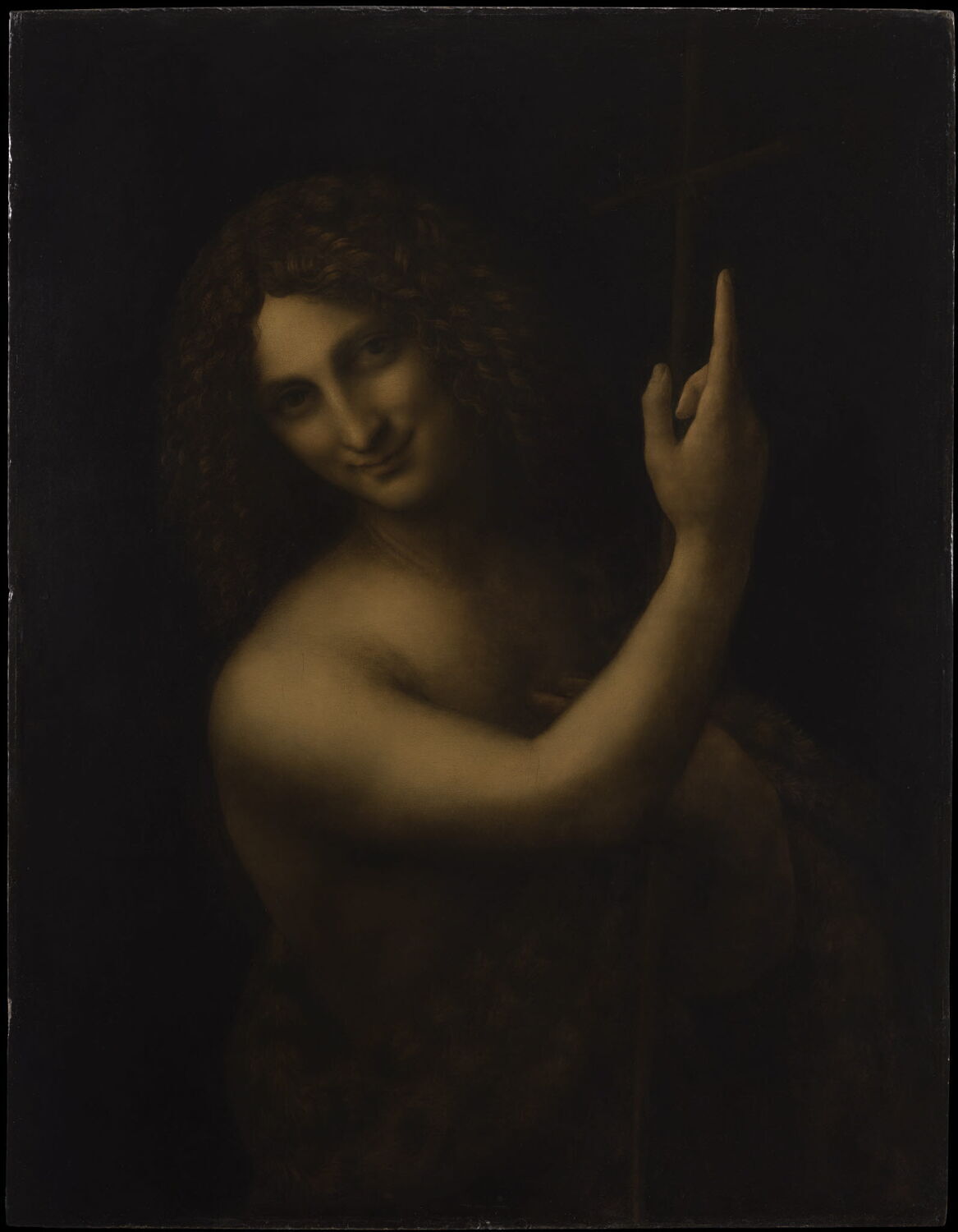
Saint Jean Baptiste, Léonard de Vinci, 1e quart du XVIe siècle (vers 1508 - 1519)

Leonardo da Vinci

Johannes der Täufer, 1e quart du XVIe siècle (vers 1508 - 1519)

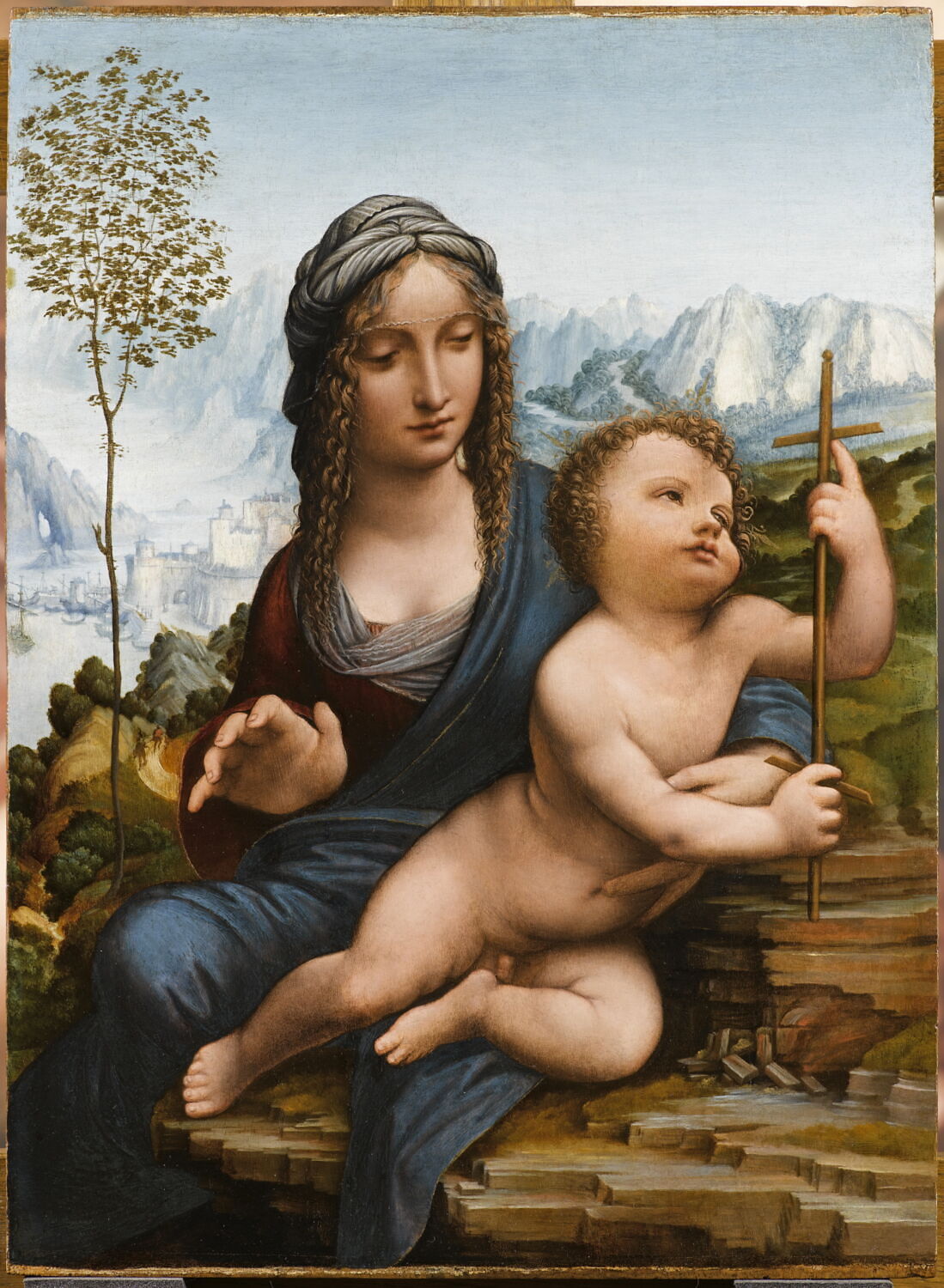
La Vierge et l'Enfant Jésus, dite Vierge au dévidoir ou Vierge aux fuseaux, Léonard de Vinci, XVIe siècle (vers 1505 - 1520)

Leonardo da Vinci

La Vierge et l'Enfant Jésus, dite Vierge au dévidoir ou Vierge aux fuseaux, XVIe siècle (vers 1505 - 1520)

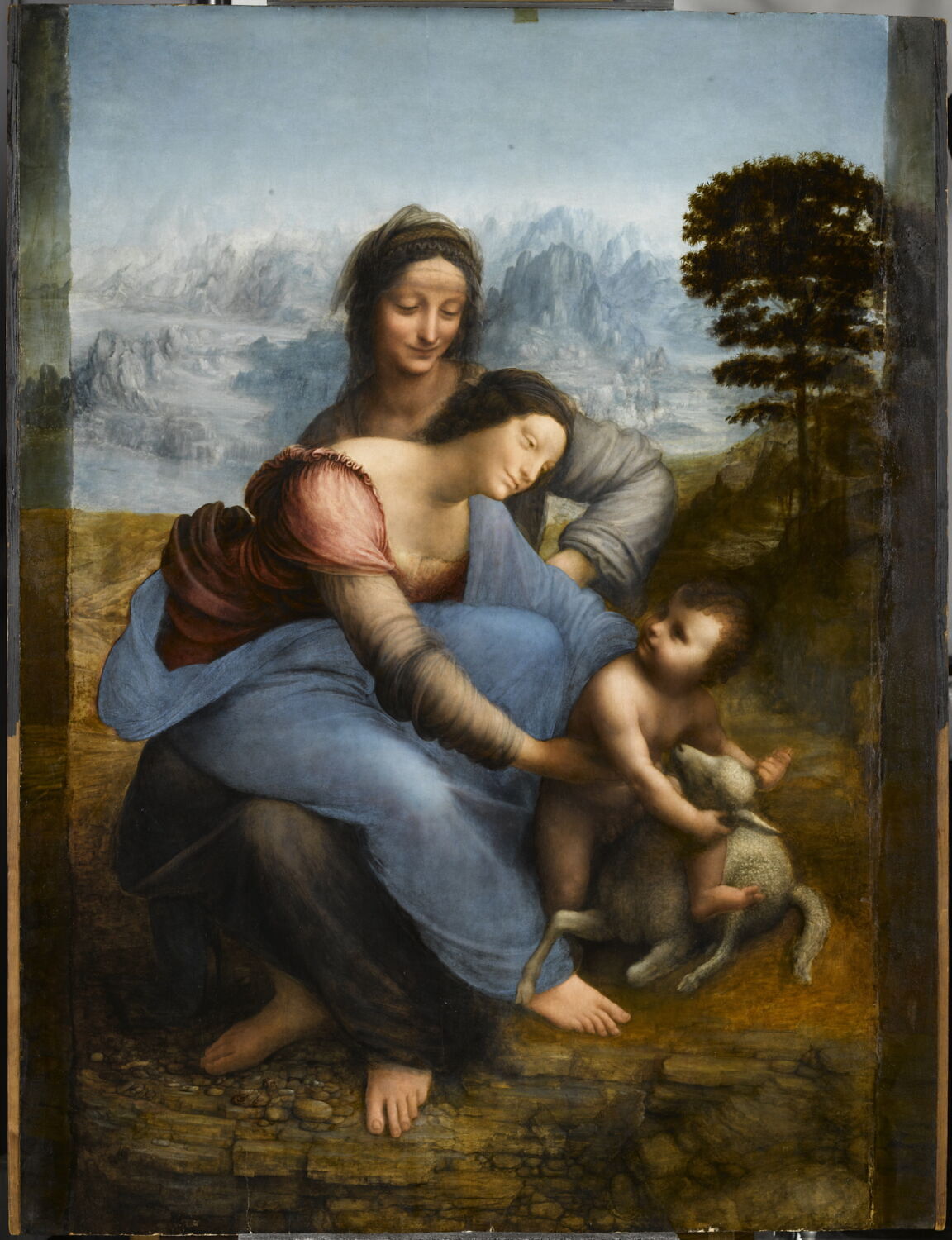
La Vierge, l'Enfant Jésus et sainte Anne, dit La Sainte Anne, Léonard de Vinci, 1e quart du XVIe siècle (vers 1503 - 1519)

Leonardo da Vinci

Anna Selbdritt, 1e quart du XVIe siècle (vers 1503 - 1519)

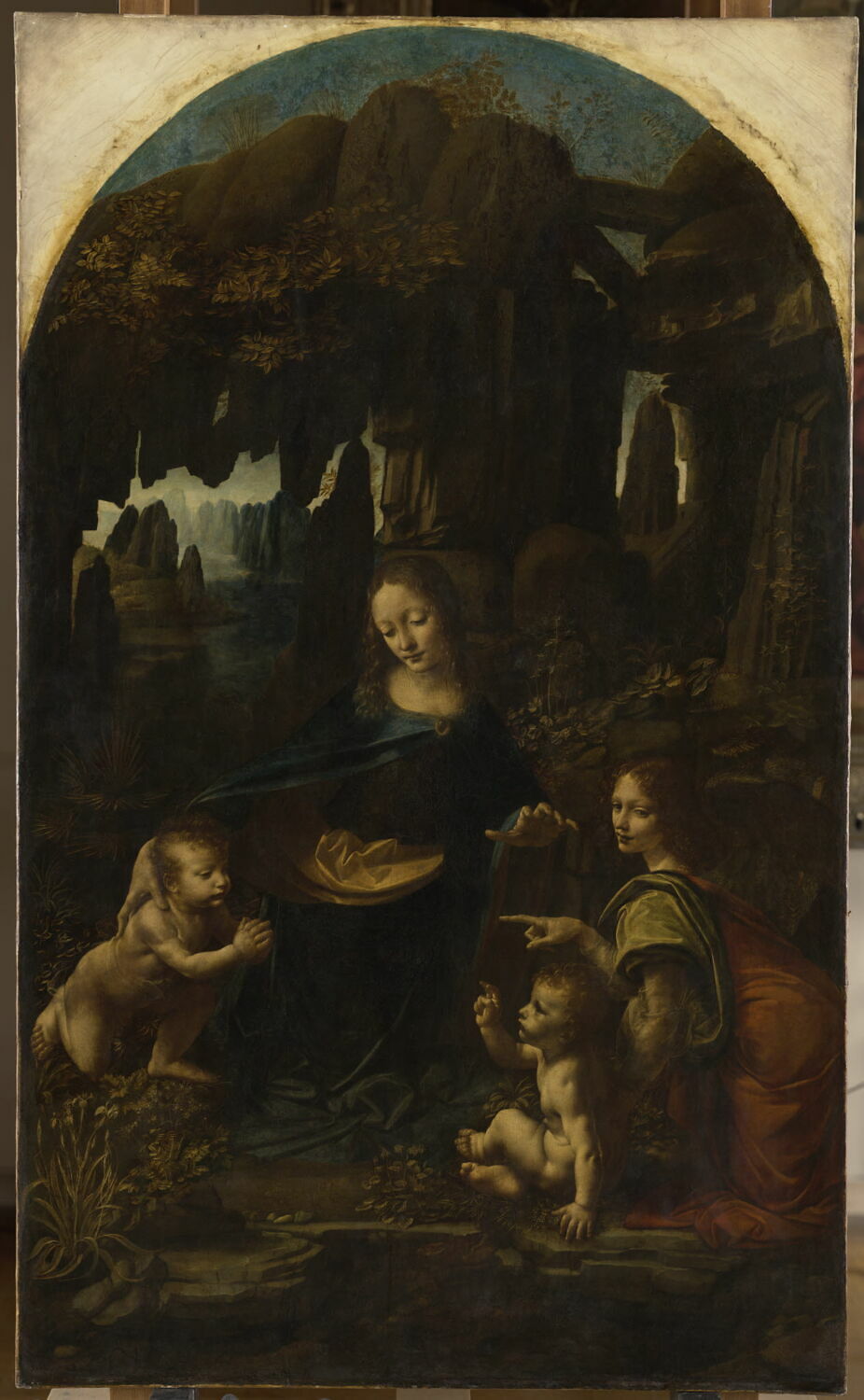
La Vierge, l'Enfant Jésus, saint Jean Baptiste et un ange, dit La Vierge aux rochers, Léonard de Vinci, 4e quart du XVe siècle (vers 1483 - 1494)

Leonardo da Vinci

La Vierge, l'Enfant Jésus, saint Jean Baptiste et un ange, dit La Vierge aux rochers, 4e quart du XVe siècle (vers 1483 - 1494)