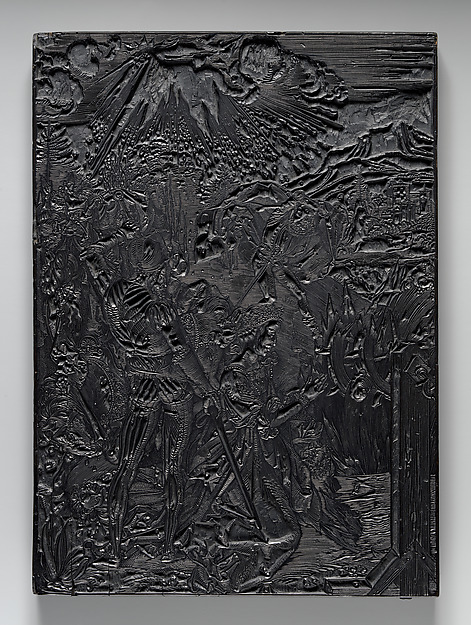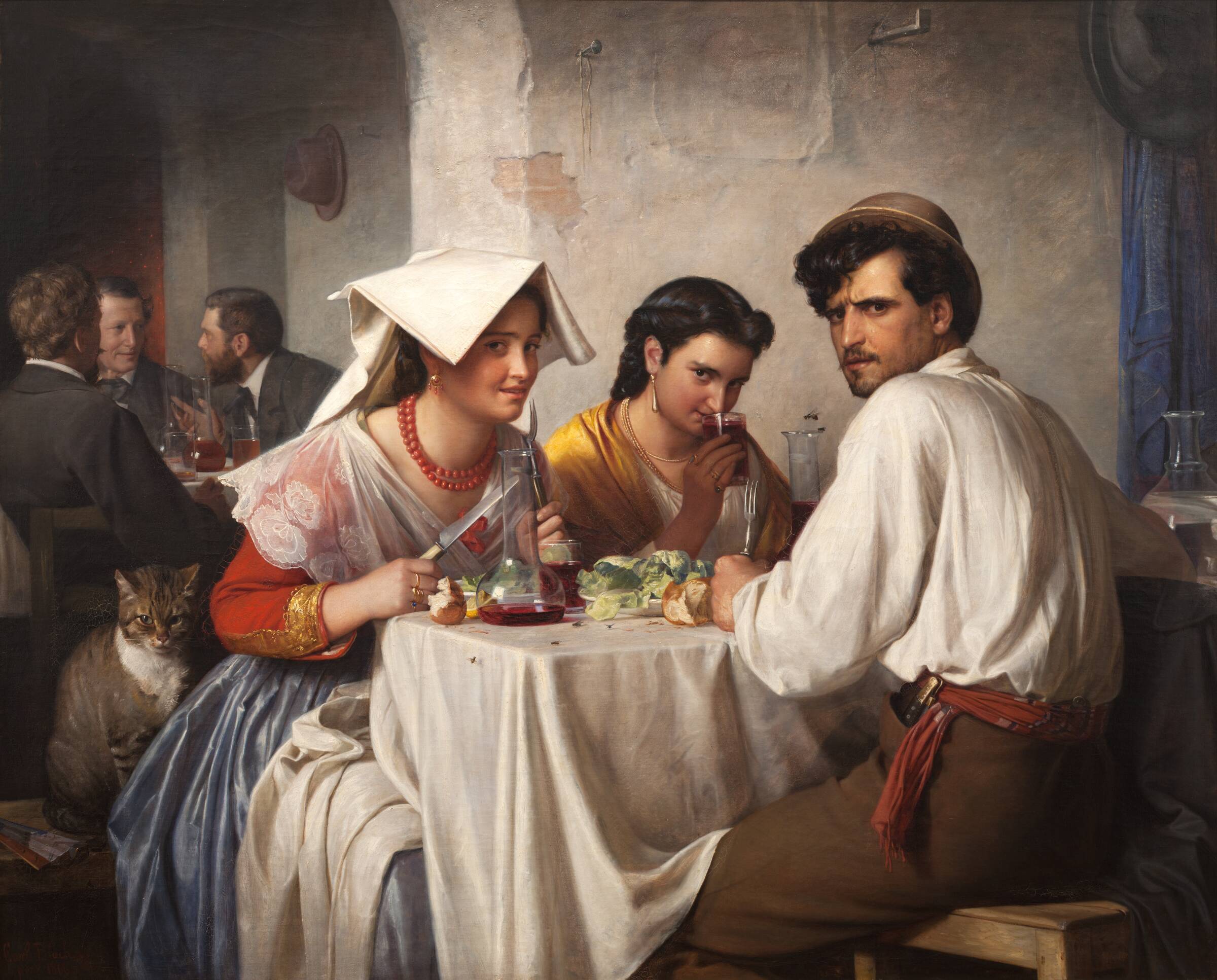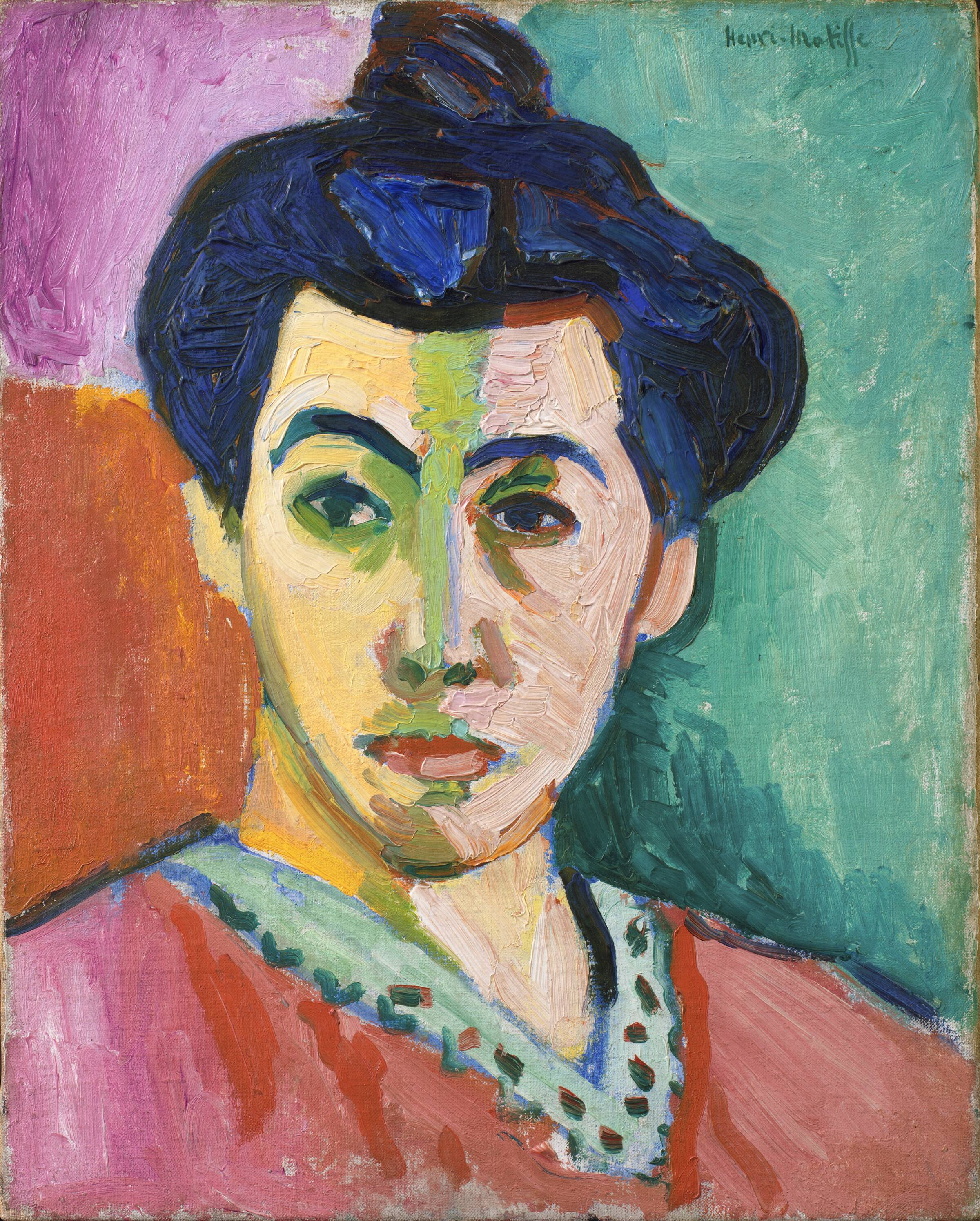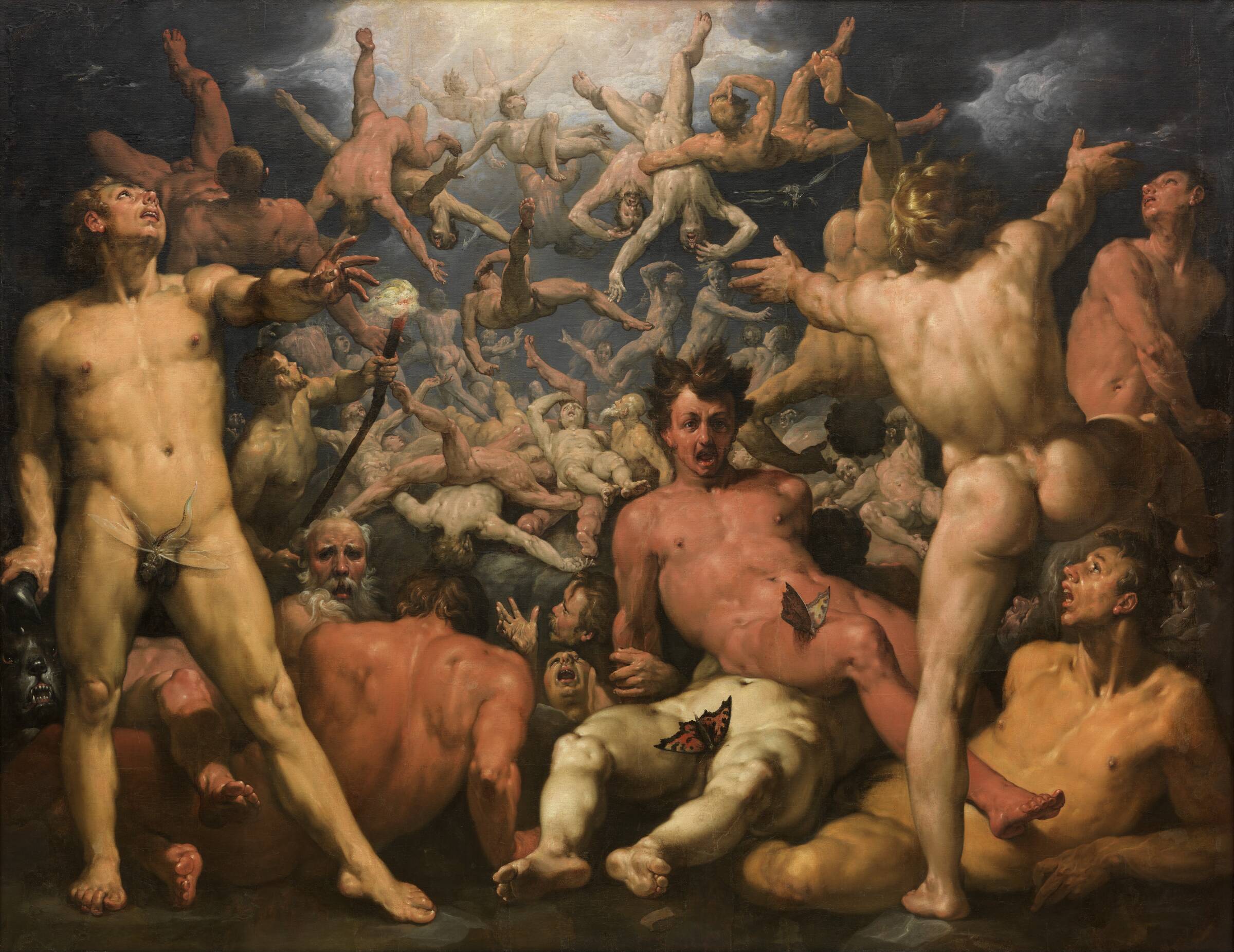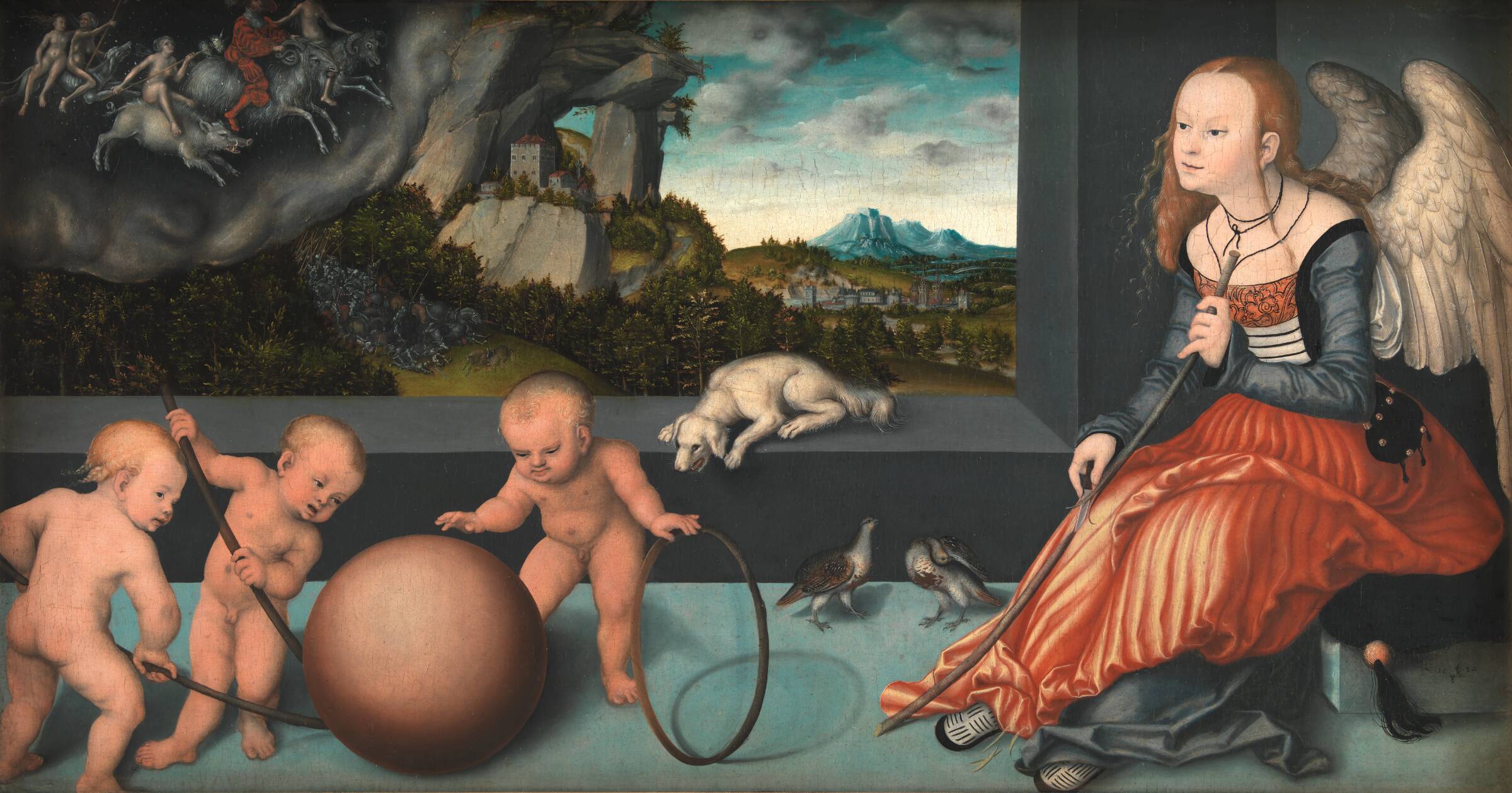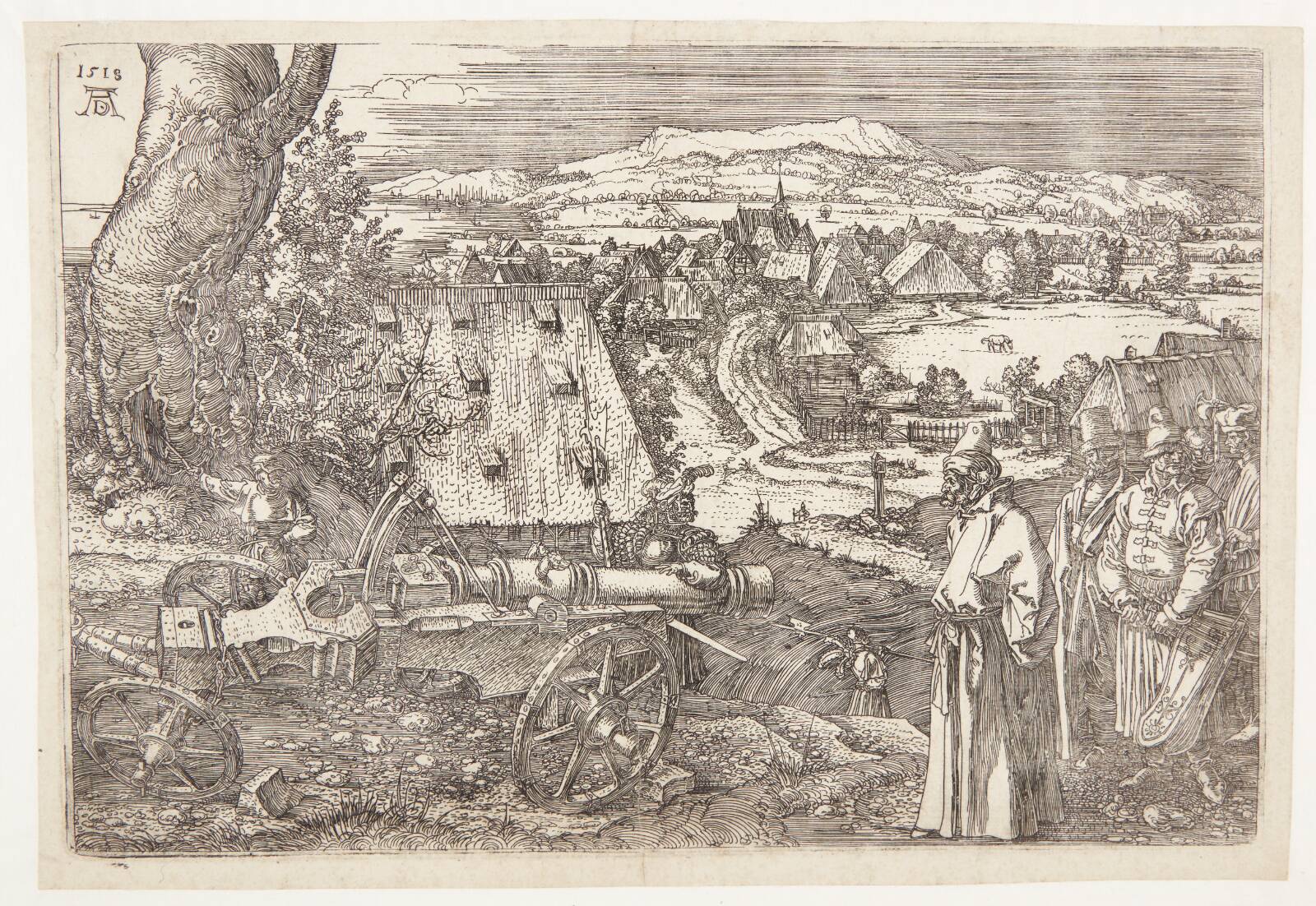
 Albrecht DürerDeutschland, 1471–1528
Kanonen
Darf man es sehen?
Empfängt derzeit nicht

Statens Museum for Kunst
Kopenhagen, Dänemark
Es gehört zur Sammlung, ist derzeit aber nicht ausgestellt.
- Geprüft
- vorgestern
- Unverändert seit
- 19. Aug. 2026
- Quelle
- Sammlungsdaten des Museums selbst
Angaben
- Inventarnummer
- KKSgb1077
Quellen
- Statens Museum for Kunst: the museum's own open data · abgerufen vor 6 Tagen
- Bild: Statens Museum for Kunst — public domain
Derweil im Leben von Albrecht Dürer
Das ganze Leben1507–1528 · Wirkungsort
Nuremberg
1517
Joins Nuremberg's circle of reformers
Dürer joined the circle of Nuremberg reformers led by the Augustinian vicar Johann Staupitz and Wenceslaus Linck. Around 1518 he came to know the writings of Martin Luther, which, he said, had “greatly helped” him.
1519
Death of Emperor Maximilian
Maximilian, Dürer's chief patron, died just as the artist feared he was losing “my sight and freedom of hand” (perhaps from arthritis) and was increasingly drawn to Luther's writings. Shortly before the emperor's death Dürer had made his portrait.
July 1520
Journey to the Netherlands with his wife
To renew his imperial pension and win the patronage of the new emperor, Charles V, Dürer travelled with his wife and her maid down the Rhine via Cologne to Antwerp, where he was warmly received. He attended the coronation at Aachen and saw van Eyck's Ghent Altarpiece and Michelangelo's Madonna of Bruges.
4 October 1520
Charles V confirms his pension
The new emperor, Charles V, confirmed Dürer's right to his pension of 100 guilders a year; the main aim of the journey had been achieved.
1520–1521
An illness caught in the Netherlands
In the Netherlands Dürer caught an unknown illness, possibly malaria, whose attacks plagued him for the rest of his life. He drew himself pointing to his spleen, with the note: “Where the yellow spot is, and where I point with my finger, that is where it hurts.”
![Madonna and Child [obverse], Albrecht Dürer, c. 1496/1499](https://api.nga.gov/iiif/878db7e6-10ae-4cae-ba5d-6d6f5c413ae8/full/!2400,2400/0/default.jpg)
![Lot and His Daughters [reverse], Albrecht Dürer, c. 1496/1499](https://api.nga.gov/iiif/7565a449-f82a-414b-9bda-c93f55a51b4d/full/!2400,2400/0/default.jpg)