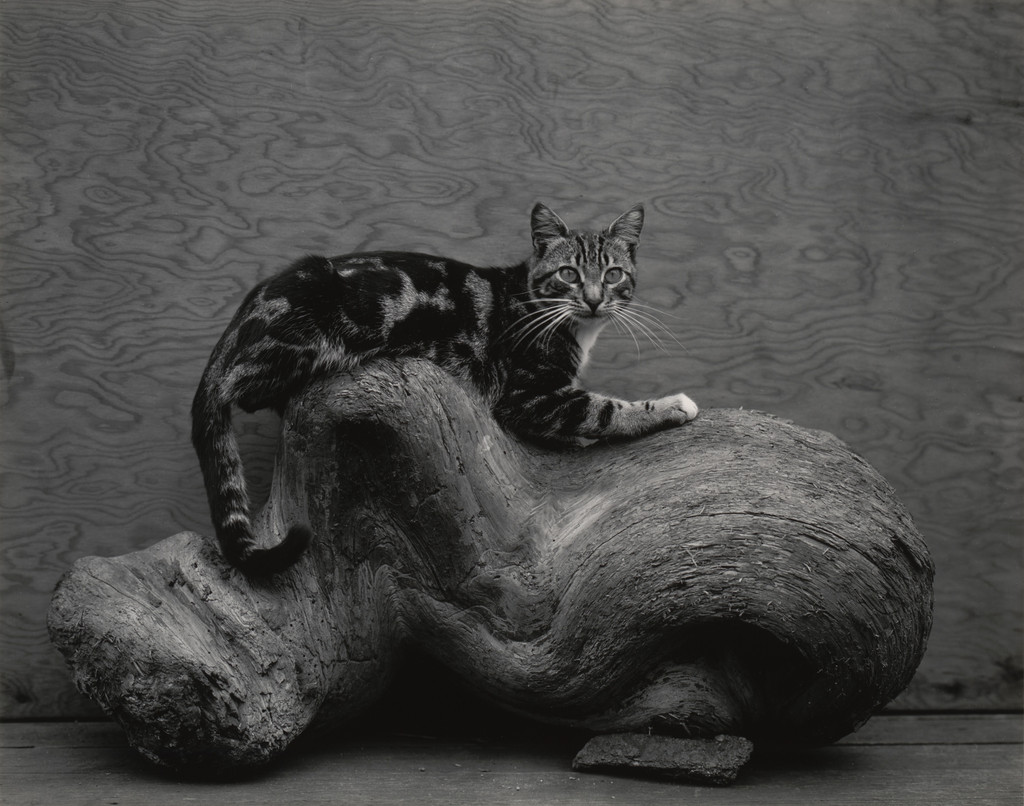
 Edward WestonVereinigte Staaten, 1886–1958
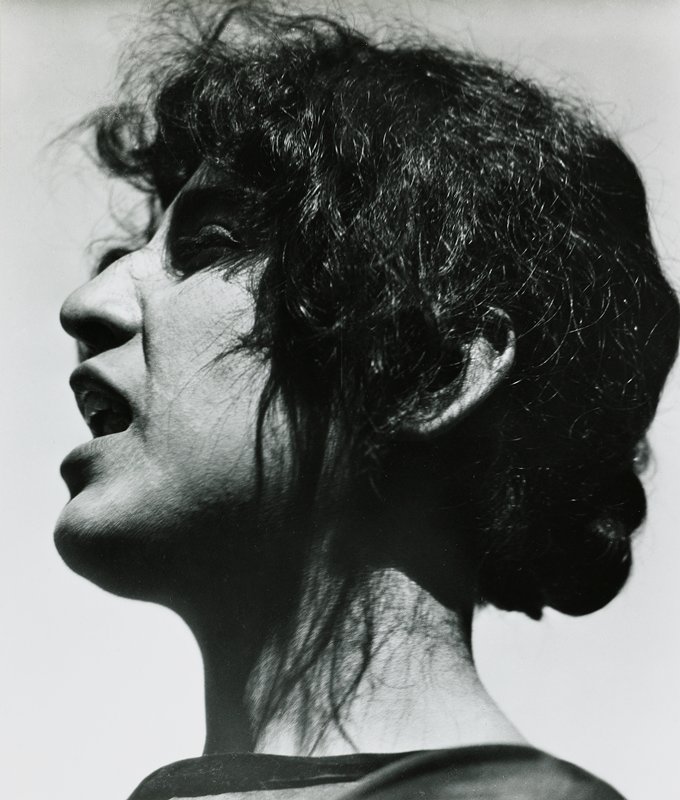
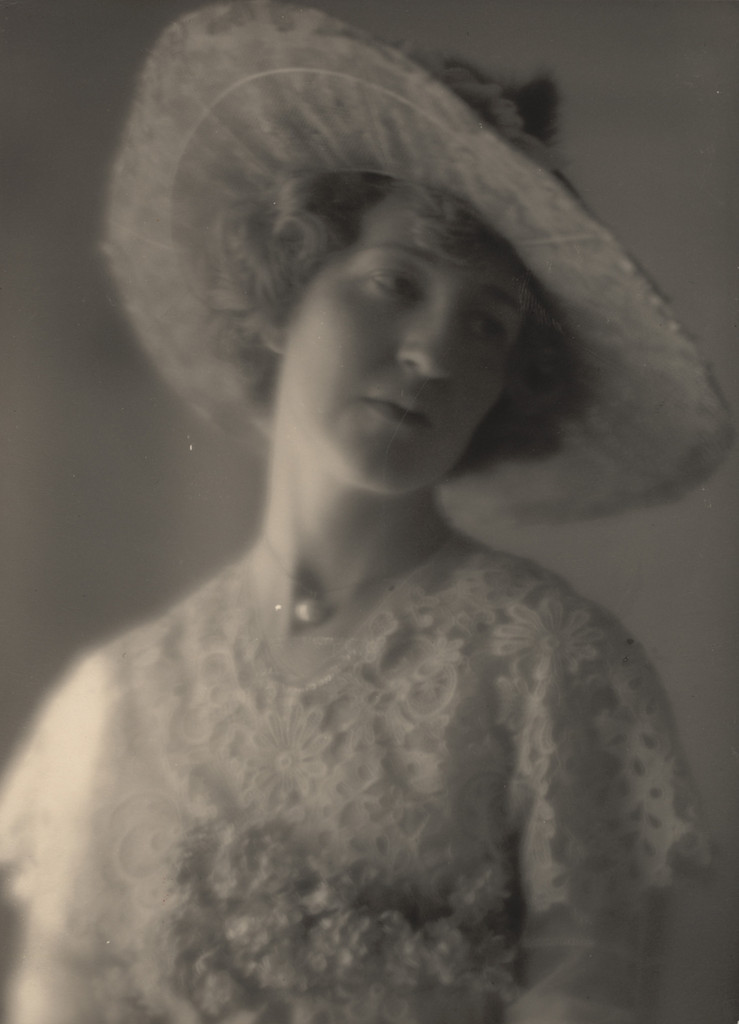
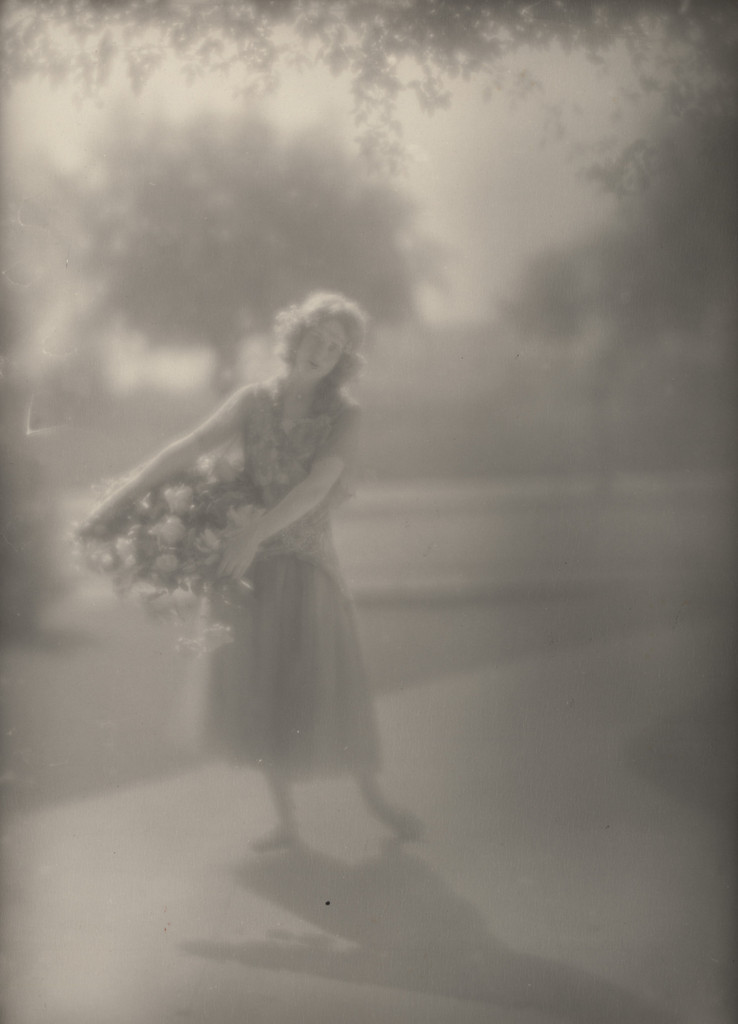
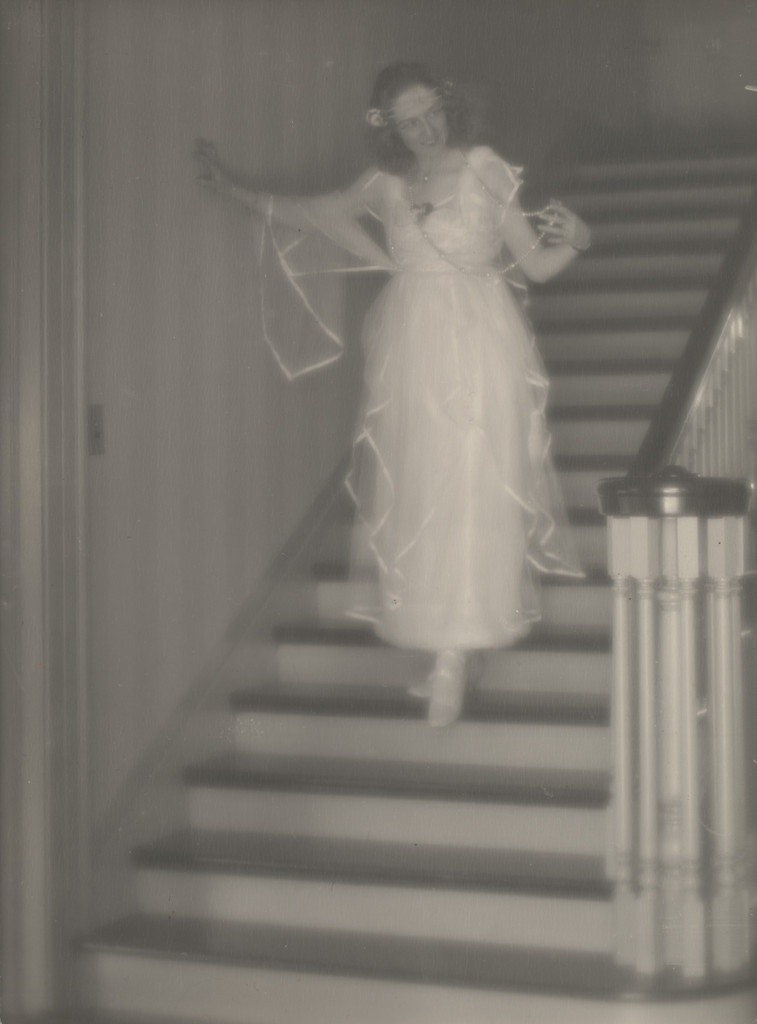
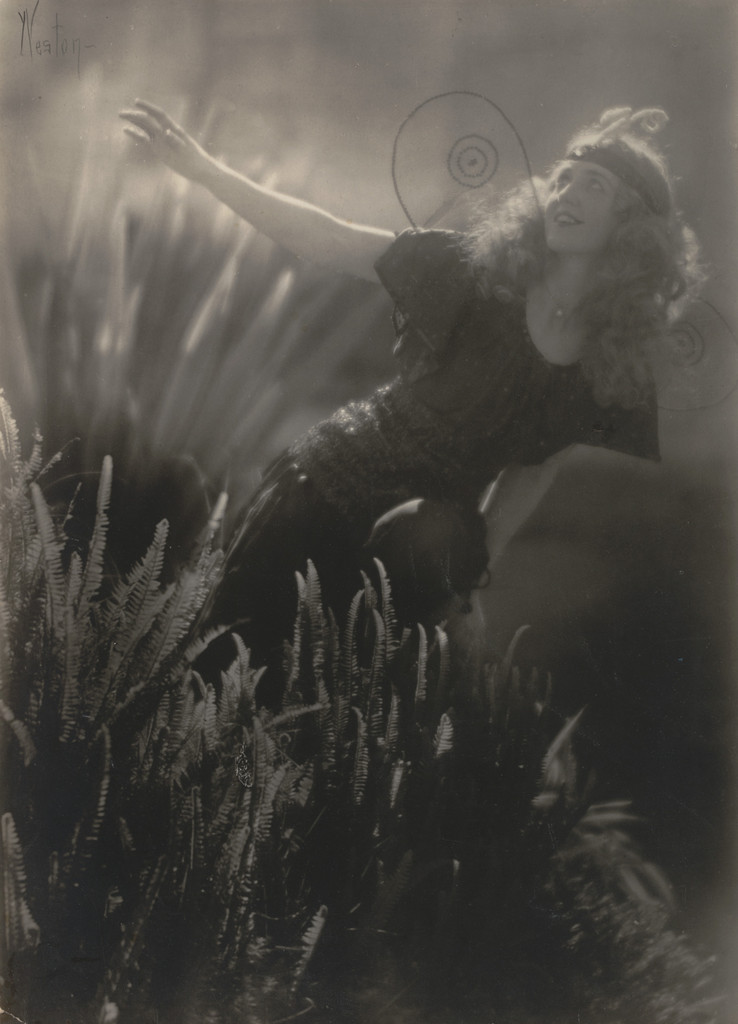
"Johnny"
Darf man es sehen?
Empfängt derzeit nicht

Museum of Modern Art
New York City, Vereinigte Staaten
Es gehört zur Sammlung, ist derzeit aber nicht ausgestellt.
- Geprüft
- vor 13 Tagen
- Quelle
- Sammlungsdaten des Museums selbst
Angaben
- Inventarnummer
- 1900.1968
Quellen
- Museum of Modern Art: the museum's own open data · abgerufen vor 13 Tagen
- Bild: Museum of Modern Art — © the artist or rights holder
Derweil im Leben von Edward Weston
Das ganze Lebenearly 1942
Whitman-trip negatives: forty-nine selected
Weston spends the first months of 1942 organising and printing the negatives from the Whitman trip. Of the hundreds of images, forty-nine are selected for publication.
1945
First symptoms of Parkinson’s disease
The year 1945 marks the beginning of significant changes: Weston begins to experience the first symptoms of Parkinson’s disease, a debilitating ailment that will gradually steal his strength and his ability to photograph. He withdraws from Wilson, who is becoming more involved in local politics and the Carmel cultural scene.
until February 1946
Separation from Charis Wilson
A strength that once brought them together — her lack of interest in becoming a photographer herself — eventually leads to their break-up. While he is working on a major retrospective for the Museum of Modern Art they separate; Weston returns to Glendale, since the land under their cabin on Wildcat Hill still belongs to Wilson’s father. Within a few months she moves out and arranges to sell the property to him. She later wrote that her flight from Edward was partly an escape from photography, which had taken up so much room in her life.
1946
Colour work for Kodak on Kodachrome
In 1946 Dr. George L. Waters of Kodak asks Weston to produce 8×10 Kodachrome transparencies for an advertising campaign. He has never worked in colour before, chiefly because he had no means of developing or printing the more complicated process, but he accepts, not least because Kodak offers $250 per image — the highest sum he will be paid for any single work in his lifetime. He eventually sells Kodak seven colour works of landscapes and scenery at Point Lobos and Monterey harbour, and over the next two years makes at least sixty 8×10 colour images.
February 1946
Retrospective at the Museum of Modern Art
In February 1946 Weston’s major retrospective opens at the Museum of Modern Art in New York. He and Beaumont Newhall select 313 prints, and eventually 250 photographs are displayed along with 11 negatives. Many of his prints are still for sale at the time, and he sells 97 prints from the show at $25 each.