 Kuzma Petrov-VodkinRussland, 1878–1939
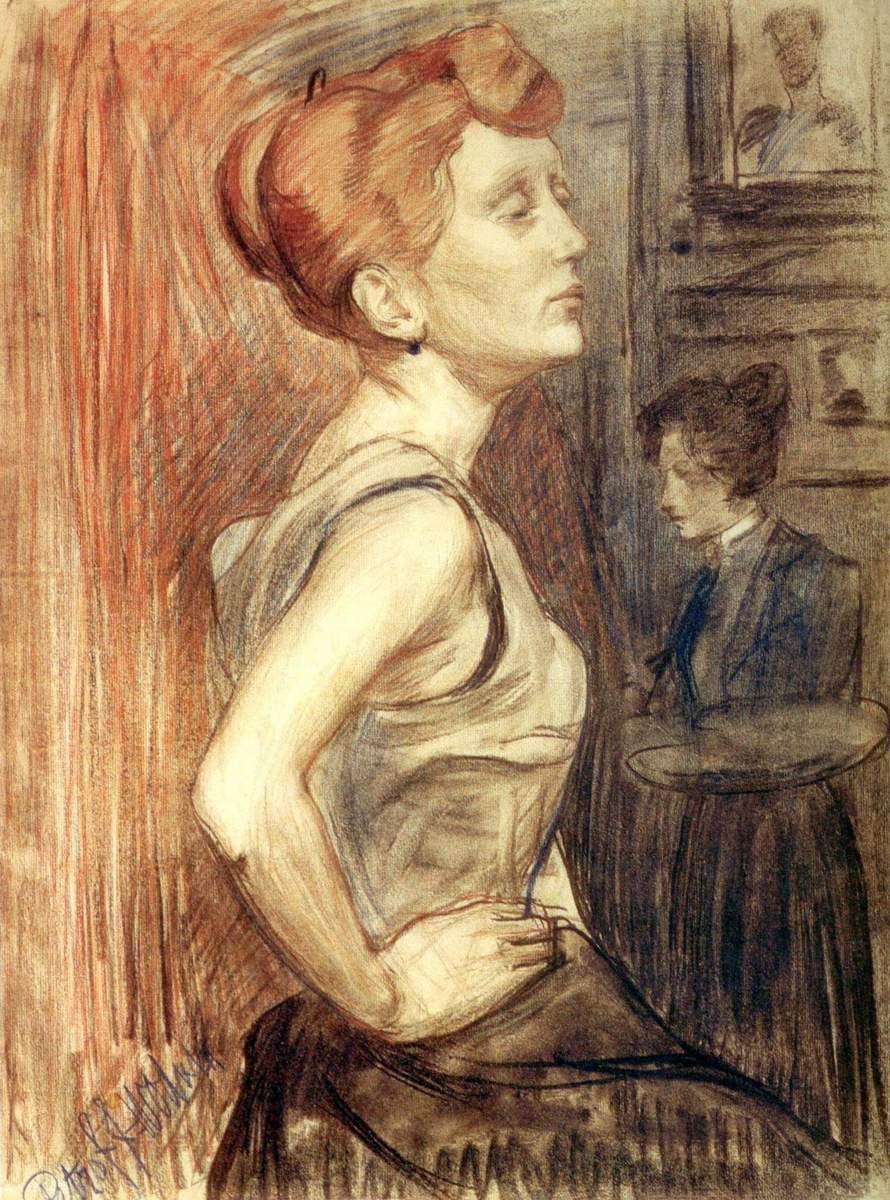
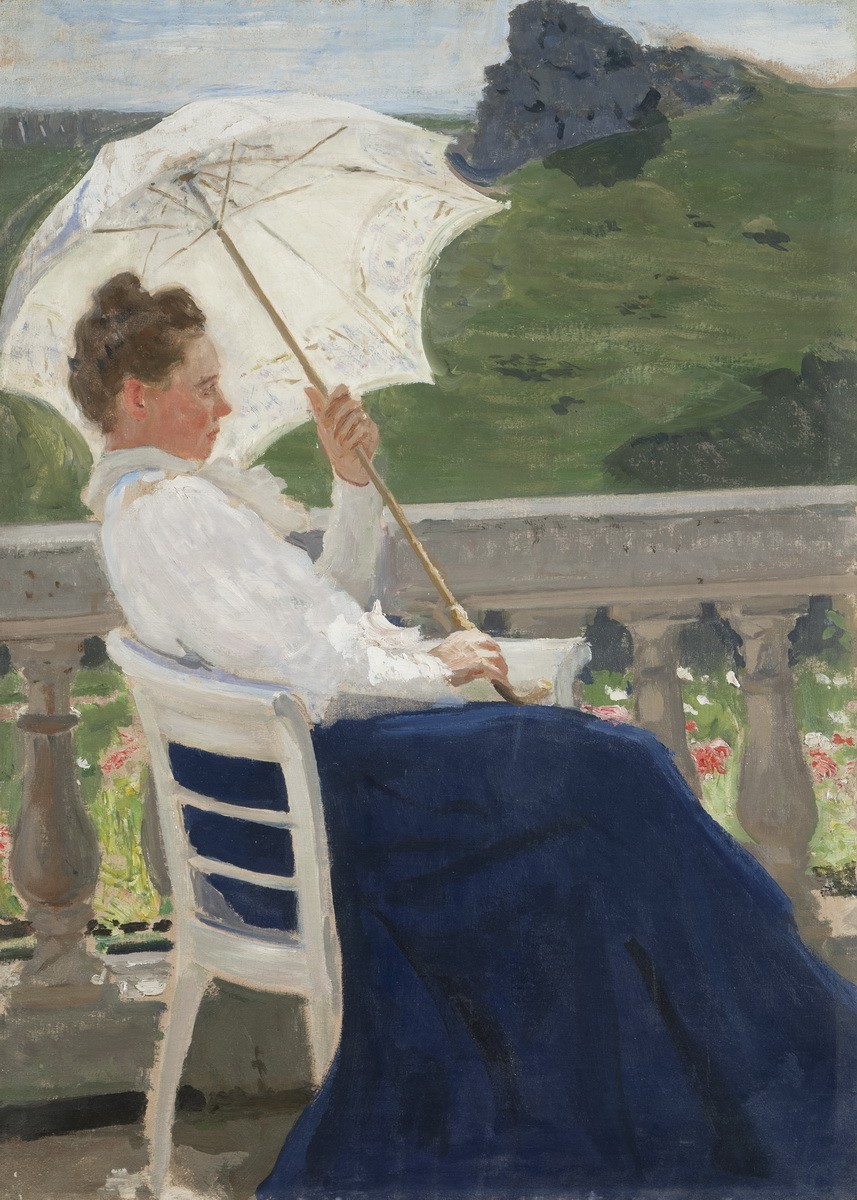
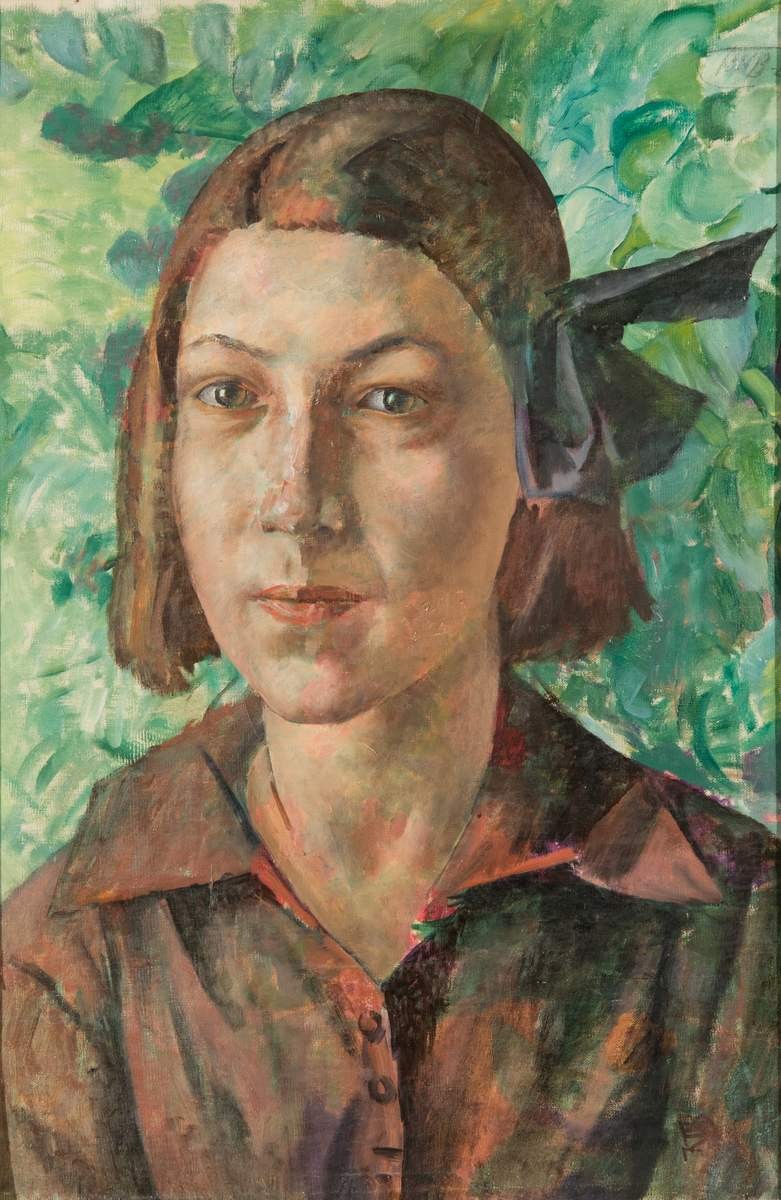
Девушка в саду
Kann ich es sehen?
Unbekannt
Wo ist „Девушка в саду“ heute? Sammlung: Russisches Museum, Sankt Petersburg. Unbekannt.

Sankt Petersburg, Russland
Der Besitzer ist bekannt; ob das Werk derzeit ausgestellt ist, nicht.
- Unverändert seit
- Quelle
- Das Museum
Über das Gemälde
In den Worten des Museums — auf Russisch
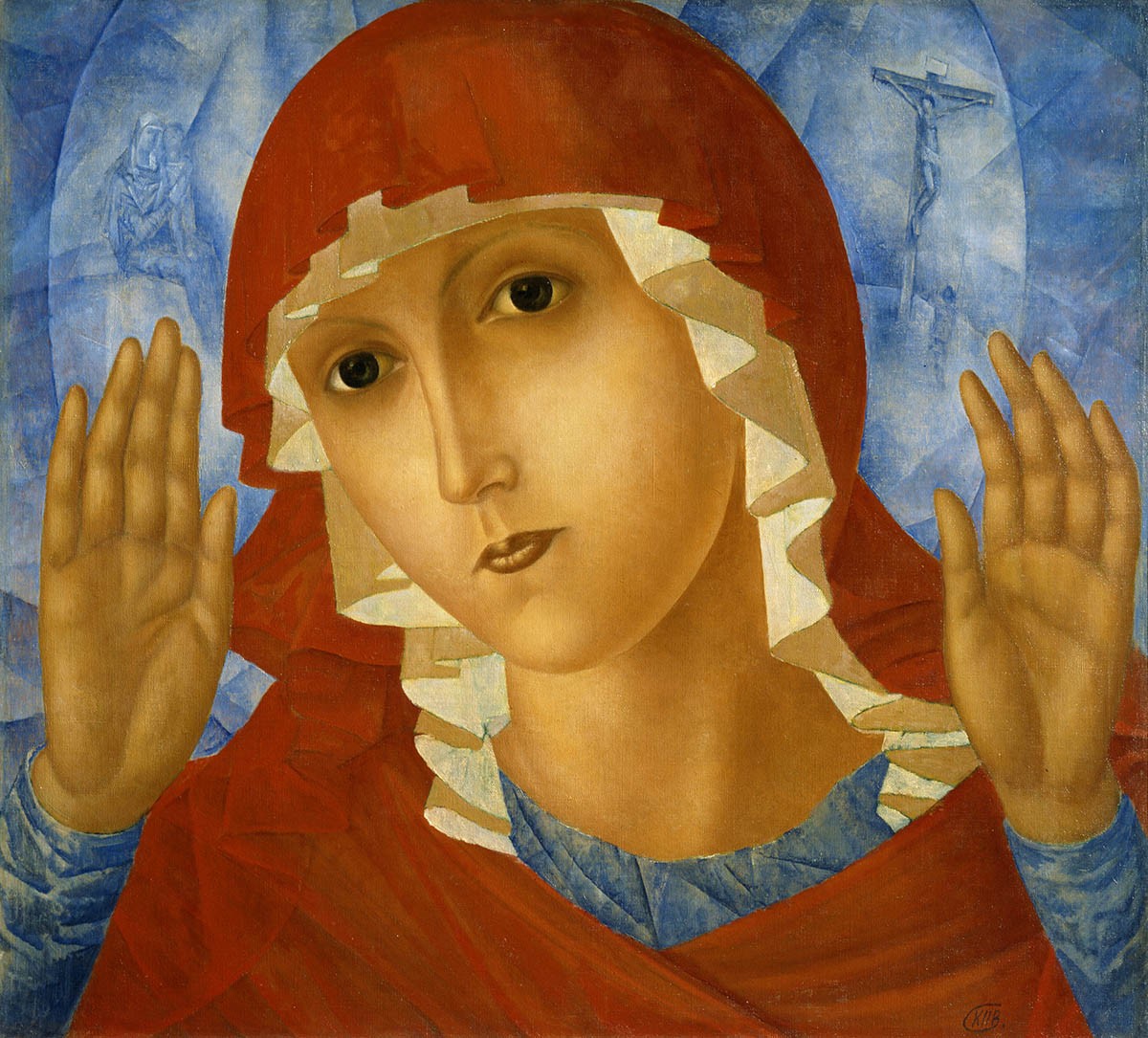
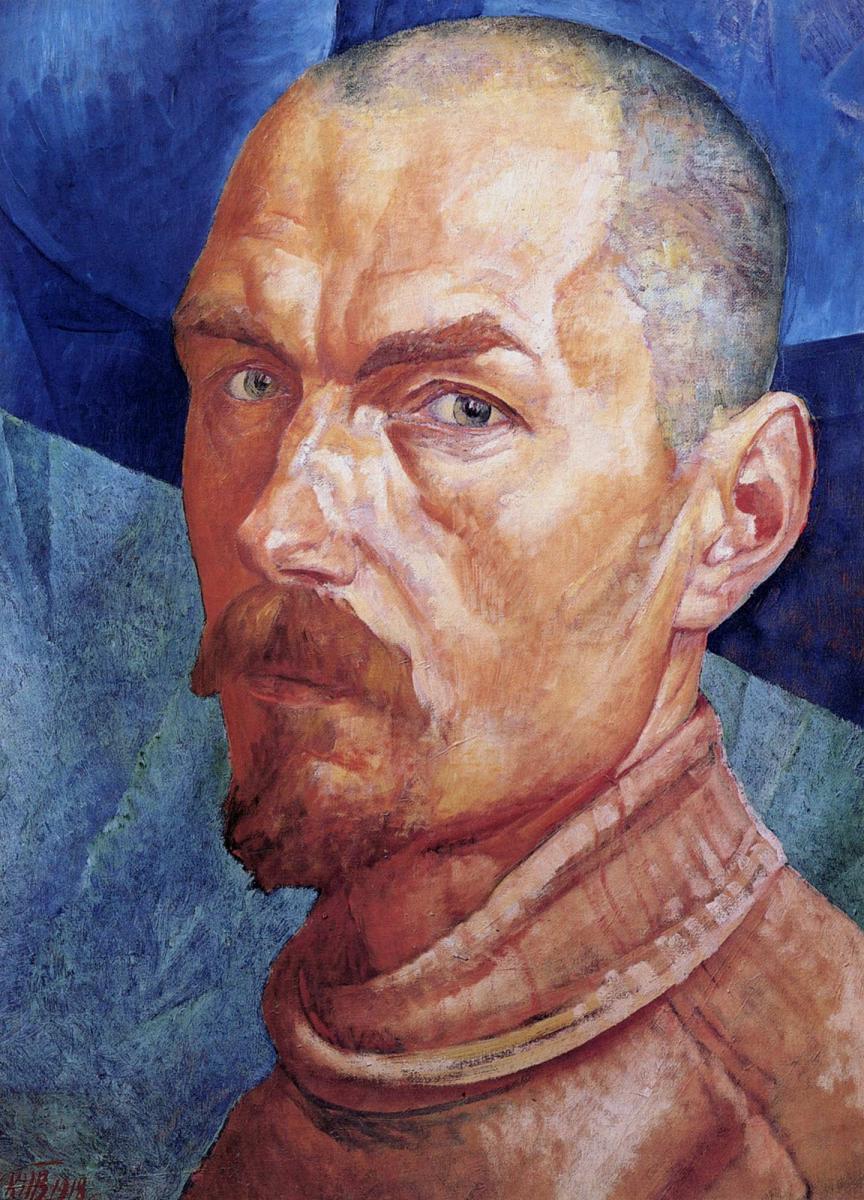
Мастер картины, Петров-Водкин в первые послереволюционные годы больше работает в жанре портрета и натюрморта. Среди портретов самые многочисленные — изображения матери, жены, дочери, автопортреты и портреты людей из близкого окружения художника. При всем многообразии стилистических приемов, всех их объединяет единство внешнего, внутреннего и типического, в результате которого, как пишет Мариэтта Шагинян, рождается «духовный портрет», «икона». Портрет персонажа видится как сумма понятий о нем, становится по преимуществу метафорическим, представляя собой совокупную множественность точек зрения на модель. Художник, как правило, изобретает сложную по своей структуре комбинацию форм заднего плана, в одних случаях включающую в себя детали реальности, в других — материализованные в синей дымке видения-фантазии, символически связанные с персонажем.
Mehr lesen
Художник предпочитает писать головы большого формата. Максимально приближенные к глазам зрителя, они с первой секунды порабощают наше восприятие. Исследователь творчества Петрова-Водкина видит в этом приеме влияние японской гравюры, в первую очередь, Китагава Утамаро с искусством которого художник был знаком, хотя с той же вероятностью можно предположить влияние византийской иконы. Сам Петров-Водкин заявлял о том, что прием масштабных голов он почерпнул у Валентина Серова. Ольга Мусакова. Мгновения вечности // Кузьма Сергеевич Петров-Водкин. СПб. 2018. С. 13.
Russisches Museum
Angaben
- Inventarnummer
- ЖБ-1255
Was es zeigt
Im Katalog
Quellen
- Russisches Museum
- Bild: Russisches Museum — © State Russian Museum
Im Leben von Kuzma Petrov-Vodkin
Das ganze Leben1923–1928
Teaching crowds out painting; the fight over studios
As early as December 1923 he complains to his mother that professorship is crowding out painting; under the party rector E. E. Essen teaching at Vkhutein grows harder, and in 1928, when the individual studios are abolished, he argues that this flattens the students’ artistic thinking and presses for the old system to be restored.
1925
Founding member of the “Four Arts” society
He is among the founding members of the “Four Arts” society; at its 1926 exhibition in Moscow he shows “At the Samovar”, “Lenushka in Bed” and “In Shuvalovo”. Other accounts say the society existed from 1924 to 1931.
early 1925
French collectors start buying his pictures
In early 1925 French collectors begin to buy his pictures; he paints portraits of the Italian actress Penyo and the conductor Sergei Koussevitzky, and the Paris papers write about him.
1925
Return to Leningrad
In July he returns with his family from France to Leningrad; from autumn until the end of 1927 they live at Shuvalovo near the city. Other accounts say the family stayed in France until 1926.
1926–1927
Exhibition of Soviet art in Japan
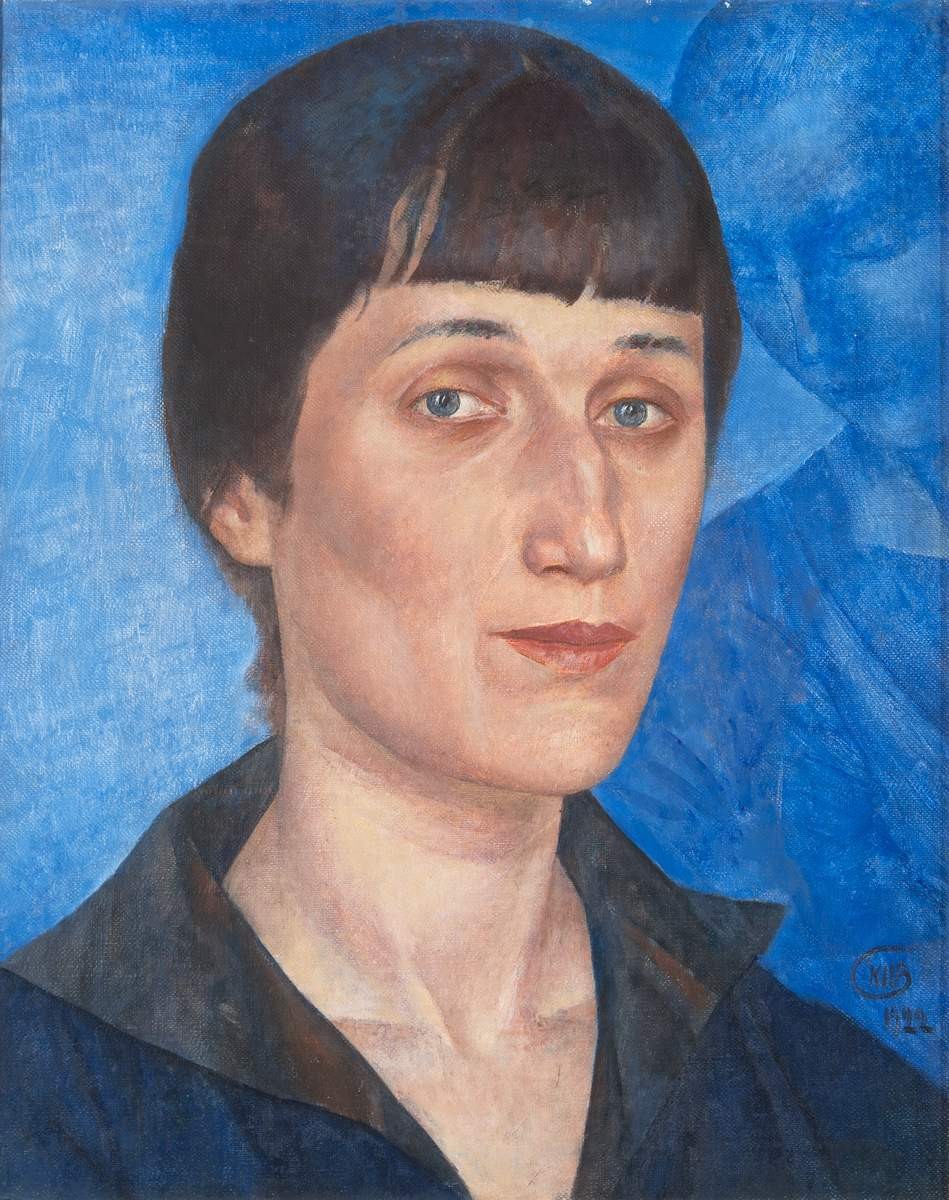
His “Portrait of Akhmatova”, “Portrait of My Wife” and other pictures are included in the travelling exhibition of Soviet art shown in Harbin, Tokyo, Aomori, Osaka and Nagoya.
February 1929
Pulmonary tuberculosis: a ban on painting
His health deteriorates seriously from late 1928, and in February 1929 pulmonary tuberculosis is found; doctors forbid him to paint, and he tries intensive treatment in order to return to his profession. Other accounts date the illness to 1927.