ART WIKI32.963 ausgestellt
KarteSammlungKünstlerMuseenAusstellungenJournal
Anmelden

ART WIKI

Wo das Meisterwerk hängt und wann man vorgelassen wird.

Sammlungen: Art Institute of Chicago, Cleveland Museum of Art, Eremitage, Getty Villa, Harvard Art Museums, Hirshhorn Museum and Sculpture Garden, J. Paul Getty Museum, Louvre, Metropolitan Museum of Art, Minneapolis Institute of Art, Museum of Modern Art, National Gallery of Art, National Museum of Asian Art, National Portrait Gallery, Puschkin-Museum, Rijksmuseum Amsterdam, Russisches Museum, Smithsonian American Art Museum, Statens Museum for Kunst, Tretjakow-Galerie, Victoria and Albert Museum, Whitney Museum of American Art, Staatskatalog des Museumsfonds Russlands (274 Museen), Europeana (19 Museen), Wikidata (6 Museen), Paris Musées (12 Museen) und Joconde, die Museumsdatenbank des französischen Kulturministeriums (495 Museen). Die Bilder gehören ihren Rechteinhabern.

Rubriken

  • Karte
  • Suche
  • Sammlung
  • Meisterwerke
  • Jetzt ausgestellt
  • Künstler

Mehr

  • Museen & Galerien
  • Ausstellungen
  • Journal
  • Woher die Daten stammen
  • Datenschutz & Cookies
StartseiteKarteKatalog
  1. Sammlung/
  2. Art Institute of Chicago/
  3. Dead Pelican, Point Lobos
Dead Pelican, Point Lobos, Edward Weston, 1945, printed 1953/54
Edward Weston, PorträtEdward WestonVereinigte Staaten, 1886–1958

Dead Pelican, Point Lobos

1945, printed 1953/54 · Photograph

Darf man es sehen?

Empfängt derzeit nicht

Art Institute of Chicago

Chicago, Vereinigte Staaten

Es gehört zur Sammlung, ist derzeit aber nicht ausgestellt.

Geprüft
vor 3 Tagen
Unverändert seit
19. Aug. 2026
Quelle
Das Museum
Auf der KarteMuseumsseite

Angaben

1945, printed 1953/54
18861958
Inventarnummer
1959.838

Was es zeigt

Collected by Hugh EdwardsFotografieStreet scenesStillleben

Im Katalog

FotografienSilbergelatineabzugNachkriegskunst20. JahrhundertVereinigte Staaten

Quellen

  • Art Institute of Chicago
  • Bild: Art Institute of Chicago — © the artist or rights holder

Derweil im Leben von Edward Weston

Das ganze Leben
  1. 1945

    First symptoms of Parkinson’s disease

    The year 1945 marks the beginning of significant changes: Weston begins to experience the first symptoms of Parkinson’s disease, a debilitating ailment that will gradually steal his strength and his ability to photograph. He withdraws from Wilson, who is becoming more involved in local politics and the Carmel cultural scene.

  2. until February 1946

    Separation from Charis Wilson

    A strength that once brought them together — her lack of interest in becoming a photographer herself — eventually leads to their break-up. While he is working on a major retrospective for the Museum of Modern Art they separate; Weston returns to Glendale, since the land under their cabin on Wildcat Hill still belongs to Wilson’s father. Within a few months she moves out and arranges to sell the property to him. She later wrote that her flight from Edward was partly an escape from photography, which had taken up so much room in her life.

  3. 1946

    Colour work for Kodak on Kodachrome

    In 1946 Dr. George L. Waters of Kodak asks Weston to produce 8×10 Kodachrome transparencies for an advertising campaign. He has never worked in colour before, chiefly because he had no means of developing or printing the more complicated process, but he accepts, not least because Kodak offers $250 per image — the highest sum he will be paid for any single work in his lifetime. He eventually sells Kodak seven colour works of landscapes and scenery at Point Lobos and Monterey harbour, and over the next two years makes at least sixty 8×10 colour images.

  4. February 1946

    Retrospective at the Museum of Modern Art

    In February 1946 Weston’s major retrospective opens at the Museum of Modern Art in New York. He and Beaumont Newhall select 313 prints, and eventually 250 photographs are displayed along with 11 negatives. Many of his prints are still for sale at the time, and he sells 97 prints from the show at $25 each.

  5. 1947

    Diagnosed with Parkinson’s disease

    He is diagnosed with Parkinson’s disease and soon stops photographing; he spends the remaining ten years of his life overseeing the printing of more than 1,000 of his most famous images.

  6. 1950

    Retrospective at the Musée National d’Art Moderne

    In 1950 a major retrospective of Weston’s work takes place at the Musée National d’Art Moderne in Paris.
Mehr von Edward Weston

Alle Werke
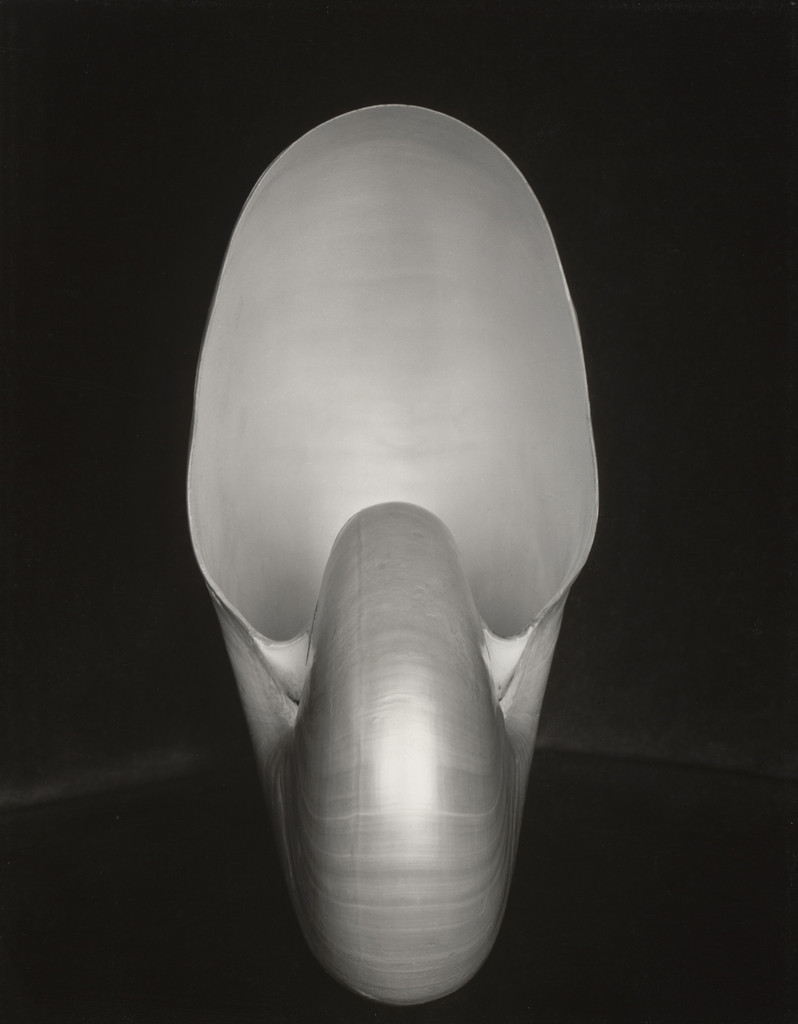
Shell, Edward Weston, 1927

Shell

1927 · Museum of Modern Art

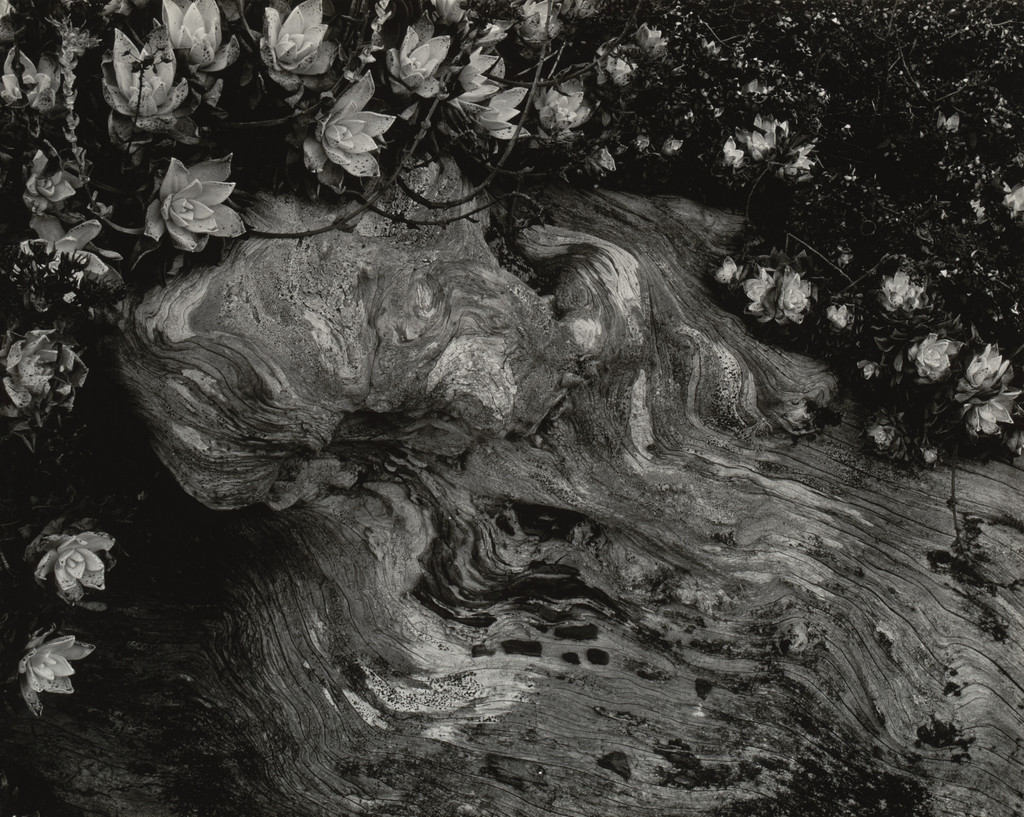
Cypress Root and Succulents, Point Lobos, Edward Weston, 1930

Cypress Root and Succulents, Point Lobos

1930 · Museum of Modern Art

Guadalupe, Mexico, Edward Weston, 1924

Guadalupe, Mexico

1924 · Minneapolis Institute of Art

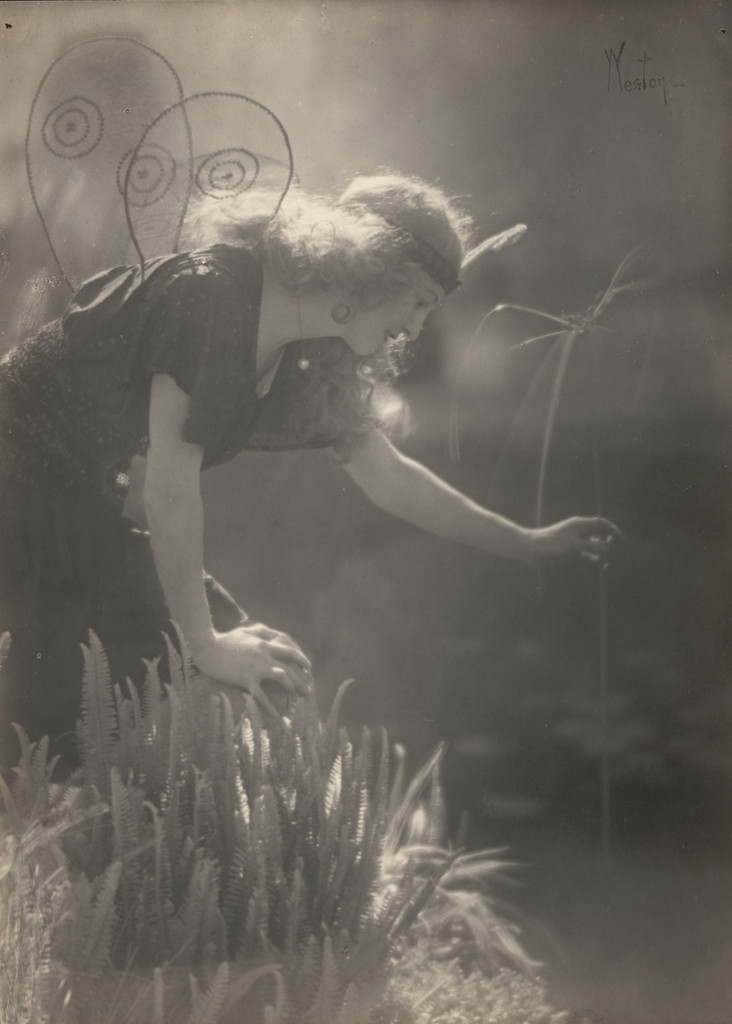
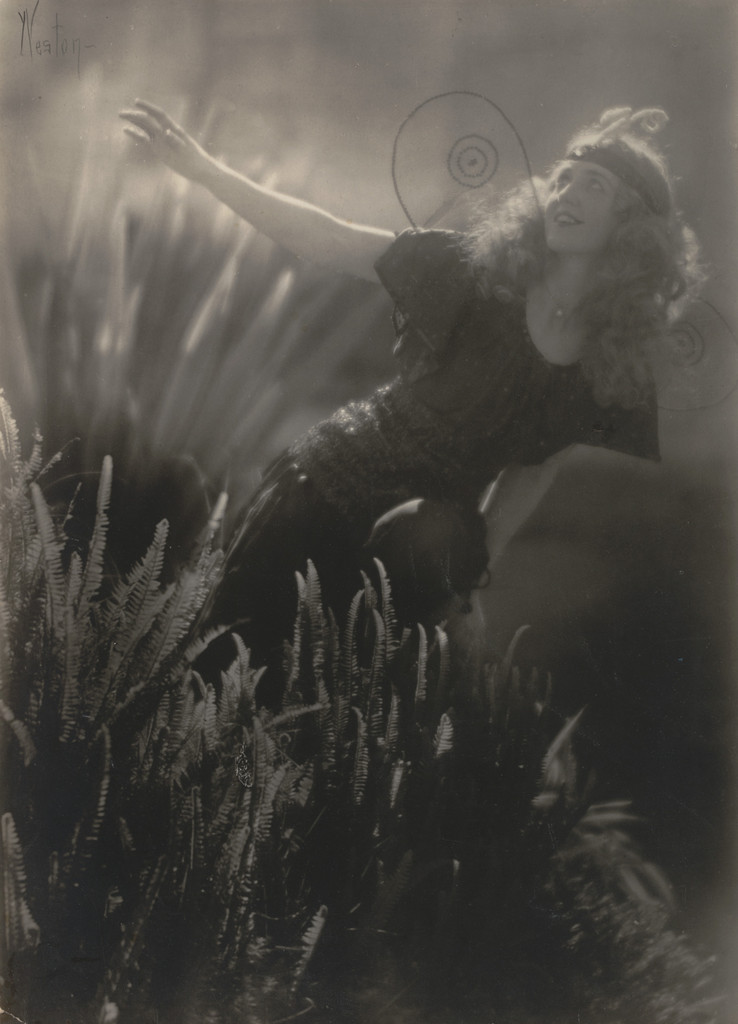
Violet Romer. (reaching for tall reed, wearing fairy costume), Edward Weston, c. 1917

Violet Romer. (reaching for tall reed, wearing fairy costume)

c. 1917 · Nicht ausgestellt · Museum of Modern Art

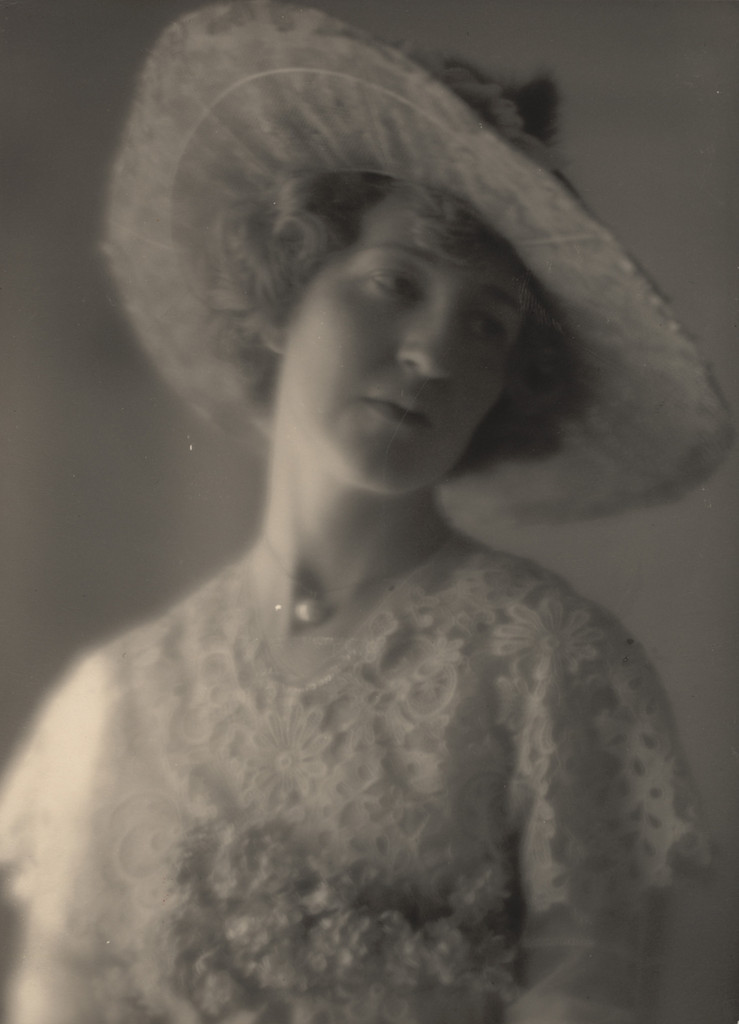
Violet Romer, Edward Weston, c. 1917

Violet Romer

c. 1917 · Nicht ausgestellt · Museum of Modern Art

Violet Romer, Edward Weston, c. 1917

Violet Romer

c. 1917 · Nicht ausgestellt · Museum of Modern Art

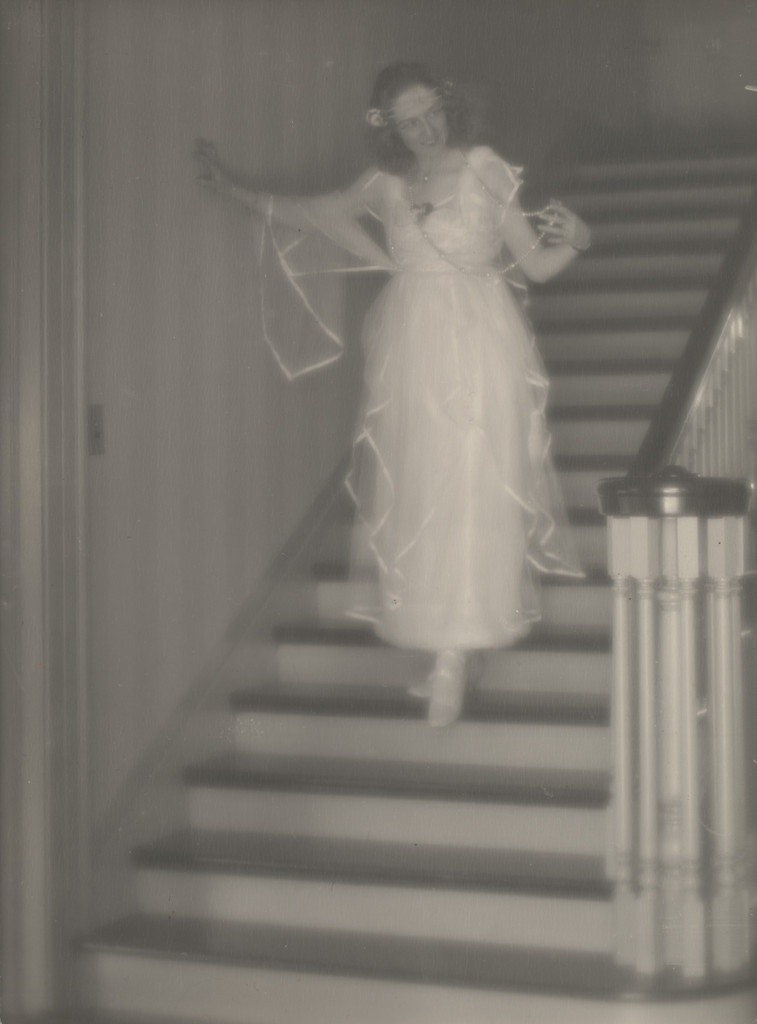
Violet Romer, Edward Weston, c. 1917

Violet Romer

c. 1917 · Nicht ausgestellt · Museum of Modern Art

Violet Romer, Edward Weston, c. 1917

Violet Romer

c. 1917 · Nicht ausgestellt · Museum of Modern Art

Nachbarn im Haus: Art Institute of Chicago

Museumsseite
The Bedroom, Vincent van Gogh, 1889

Vincent van Gogh

The Bedroom, 1889

A Sunday on La Grande Jatte — 1884, Georges Seurat, 1884–86, border added 1888–89

Georges Seurat

Ein Sonntagnachmittag auf der Insel La Grande Jatte, 1884–86, border added 1888–89

Paris Street; Rainy Day, Gustave Caillebotte, 1877

Gustave Caillebotte

Straße in Paris an einem regnerischen Tag, 1877

Two Sisters (On the Terrace), Pierre-Auguste Renoir, 1881

Pierre-Auguste Renoir

Auf der Terrasse, 1881

The Basket of Apples, Paul Cézanne, c. 1893

Paul Cézanne

The Basket of Apples, c. 1893

Stacks of Wheat (End of Summer), Claude Monet, 1890–91

Claude Monet

Stacks of Wheat (End of Summer), 1890–91

American Gothic, Grant Wood, 1930

Grant Wood

American Gothic, 1930

Nighthawks, Edward Hopper, 1942

Edward Hopper

Nighthawks, 1942