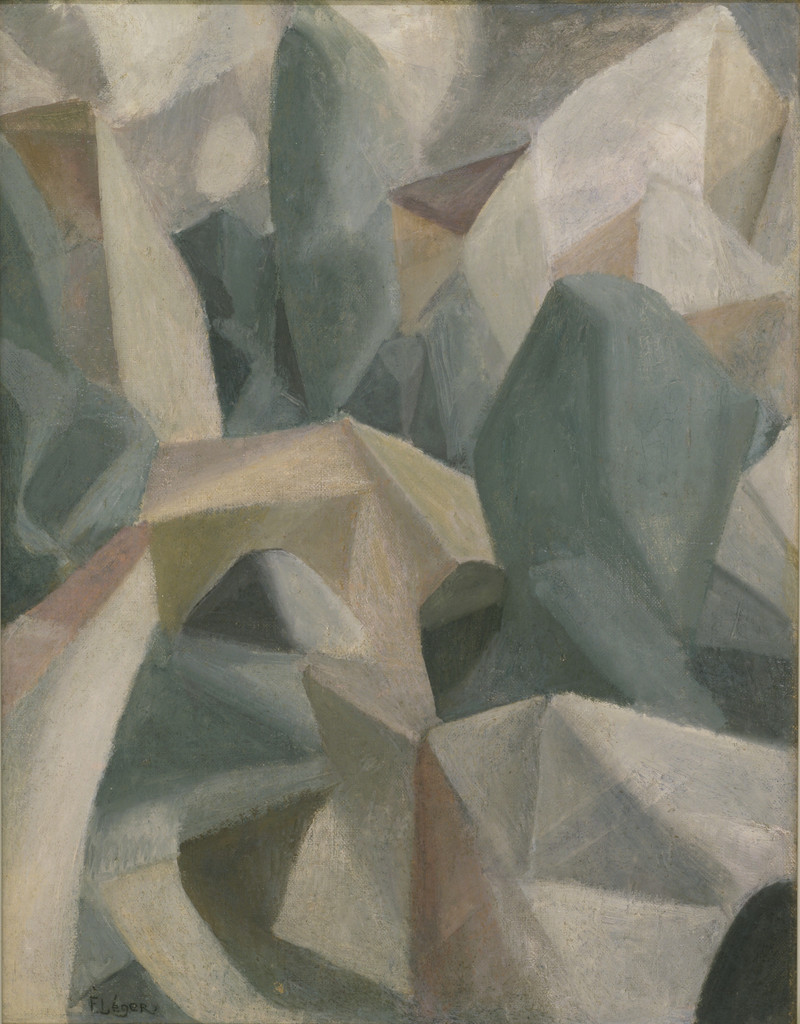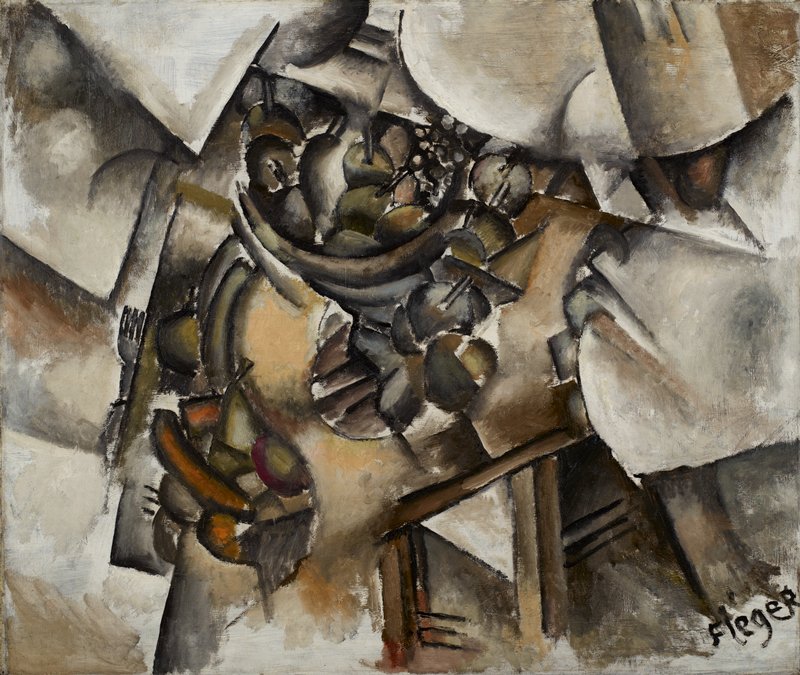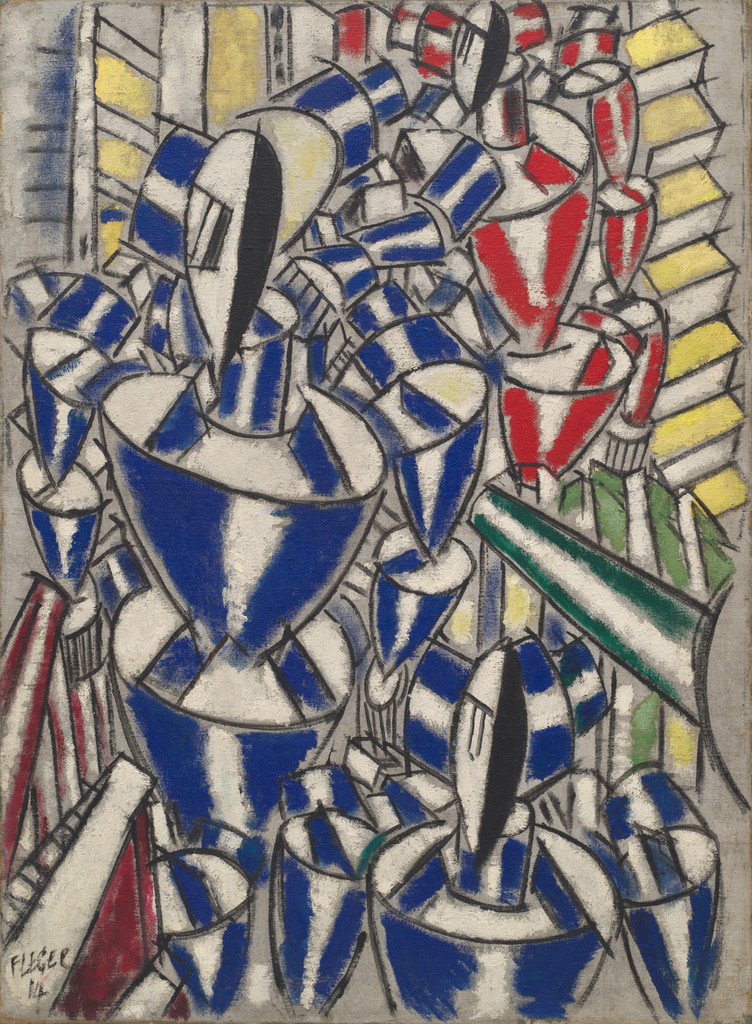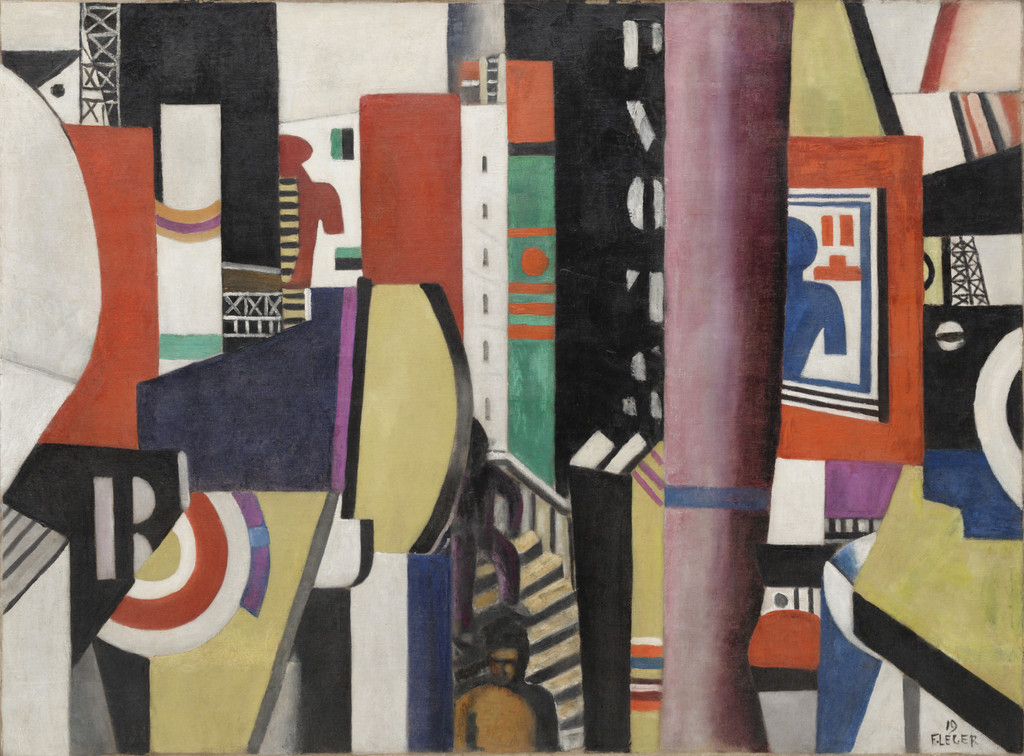
 Fernand LégerFrankreich, 1881–1955
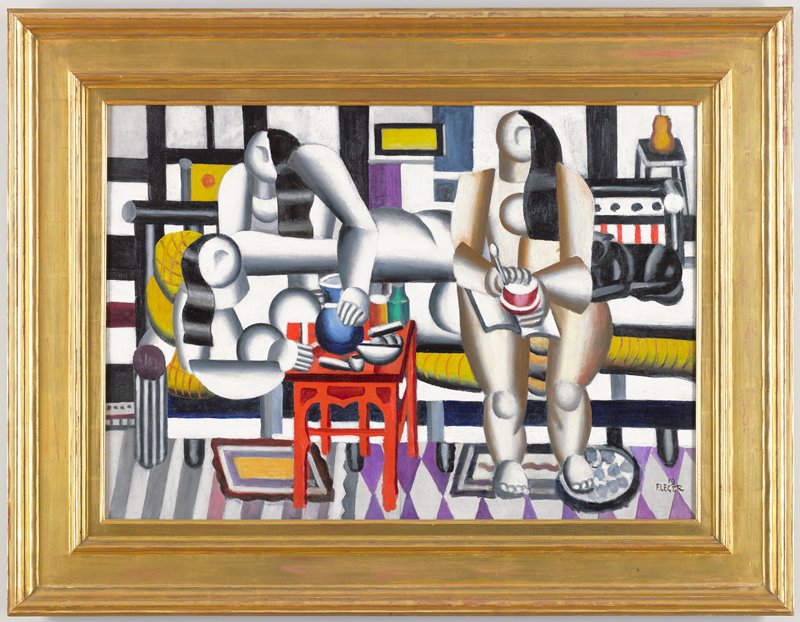
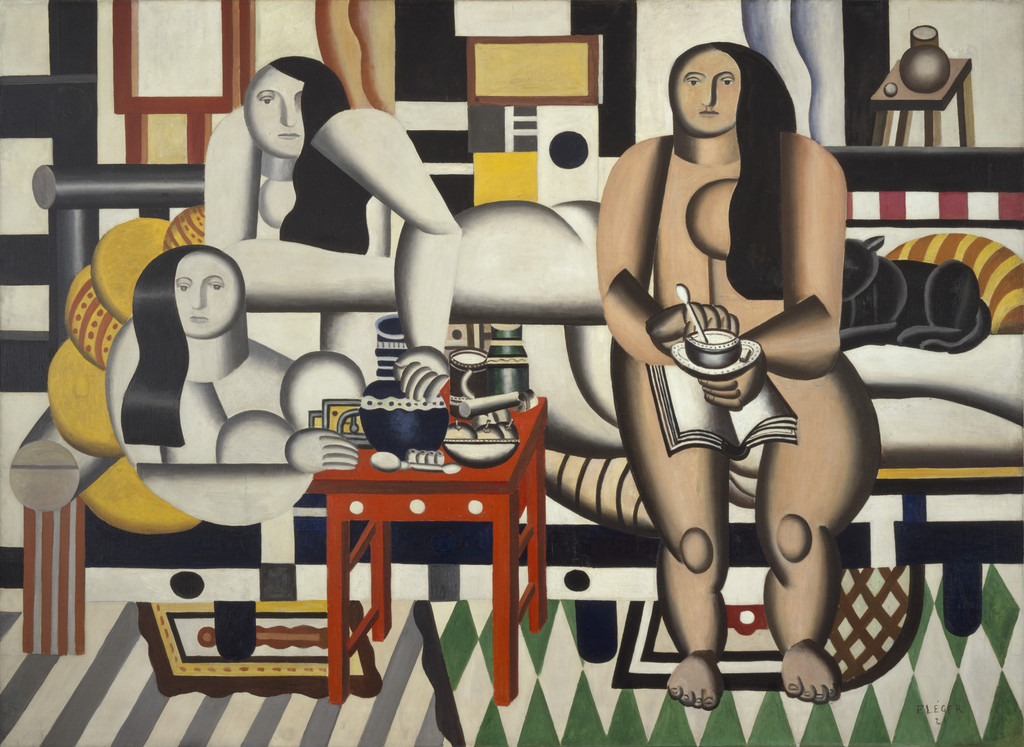
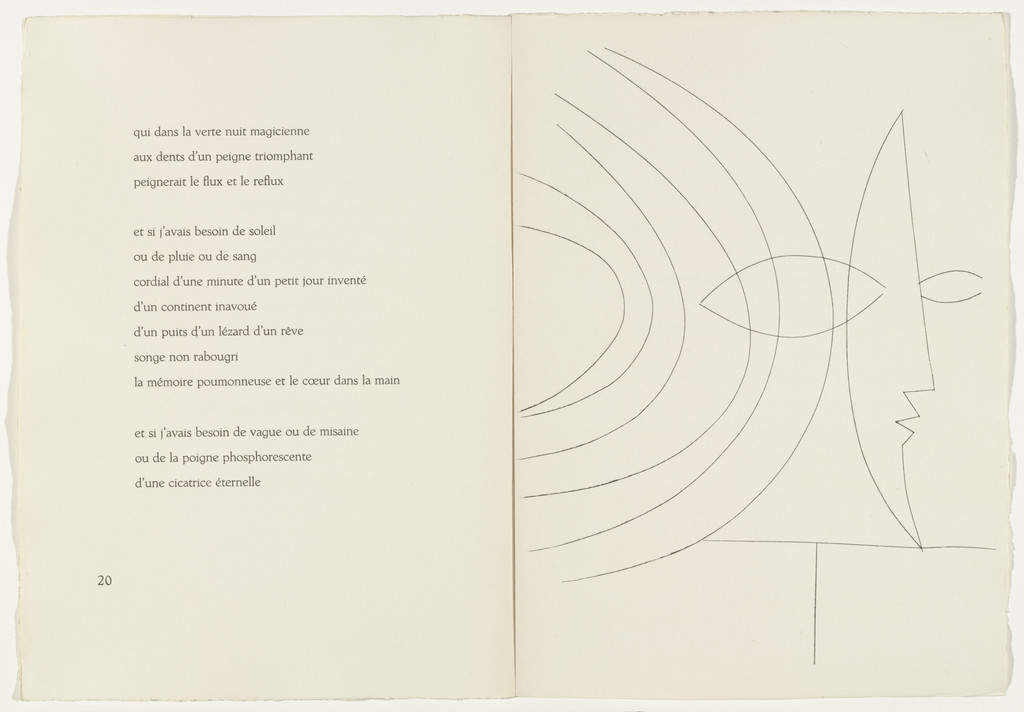
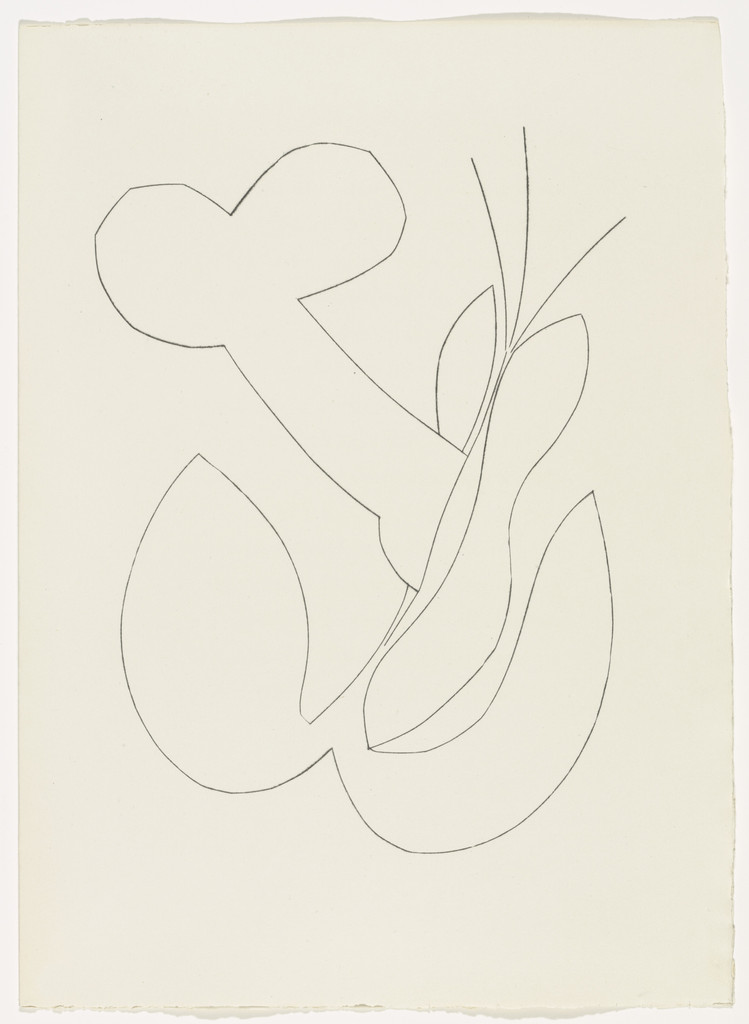
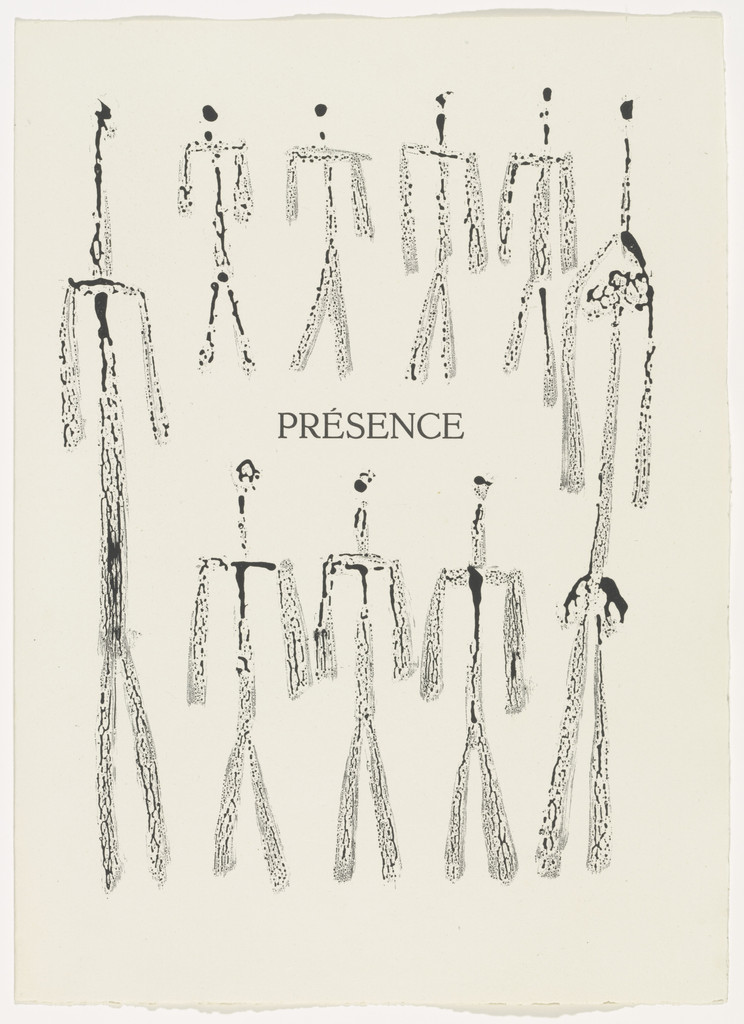
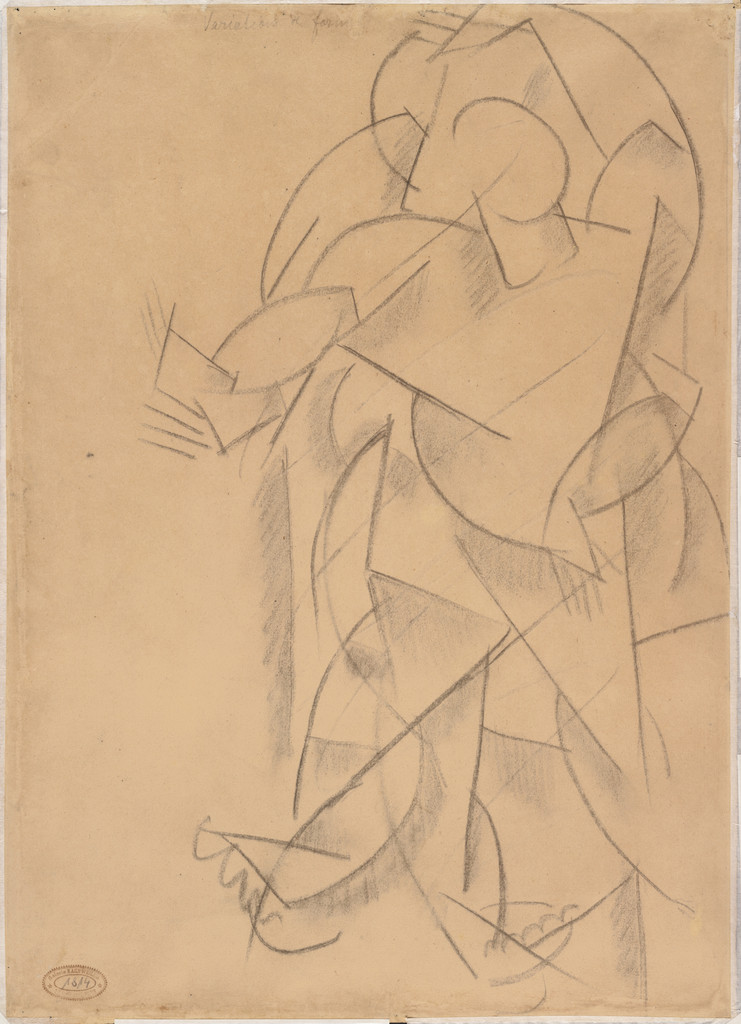
Contrast of Forms
Darf man es sehen?
Empfängt derzeit nicht

Museum of Modern Art
New York City, Vereinigte Staaten
Es gehört zur Sammlung, ist derzeit aber nicht ausgestellt.
- Geprüft
- Quelle
- Das Museum
Angaben
- Inventarnummer
- 119.1986.a-b
Im Katalog
Quellen
- Museum of Modern Art
- Bild: Museum of Modern Art — © the artist or rights holder
Derweil im Leben von Fernand Léger
Das ganze Leben1910
The 1910 Salon d'Automne: “Nudes in the Forest”
In 1910 Léger exhibits at the Salon d'Automne in the same room (salle VIII) as Jean Metzinger and Henri Le Fauconnier. The major painting of these years is “Nudes in the Forest” (1909–1910), in which he develops a personal form of Cubism that critics called “Tubism” for its emphasis on cylindrical forms.
1910
Kahnweiler buys his paintings
In 1910 the dealer Daniel-Henry Kahnweiler, a supporter of Picasso and Georges Braque, buys several of Léger's paintings, which allows the artist to move a year later to the rue de l'Ancienne Comédie.
1911
The “Cubists' room” at the Salon des Indépendants
In 1911 the hanging committee of the Salon des Indépendants places the painters identified as Cubists together — Metzinger, Gleizes, Le Fauconnier, Delaunay and Léger; in room 41, nicknamed the “Cubists' room”, Léger shows “Nudes in the Forest”. It is the first time Cubism is revealed to the general public as an organized group; with the same group Léger also exhibits in Brussels.
1912
First exhibition at Kahnweiler's gallery
In 1912 Léger's first exhibition takes place at Kahnweiler's gallery. In the same year he shows “The Smokers” at the Indépendants and “Woman in Blue” at the Salon d'Automne and takes part in the exhibitions of the Section d'Or group.
1913
The Indépendants, the Armory Show and the Berlin Autumn Salon
In 1913 Léger takes part in the exhibition of the Indépendants, in the Armory Show and in the first exhibition of the Salon d'Automne in Berlin. In May he gives a lecture at the Vassilieff Academy, “The Origins of Painting and Its Representational Value”, whose text is published in Paris, Berlin and Bergen; in May 1914 a second lecture follows there, “New Discoveries in Modern Painting”.
1914–1916
Mobilized: two years at the front
On 2 August 1914, soon after the outbreak of the First World War, Léger is mobilized and sent to the sappers; for two years he is at the front near the Argonne and Verdun, drawing artillery pieces, airplanes and fellow soldiers in the trenches and billets. He paints “Soldier with a Pipe” (1916) while on furlough.