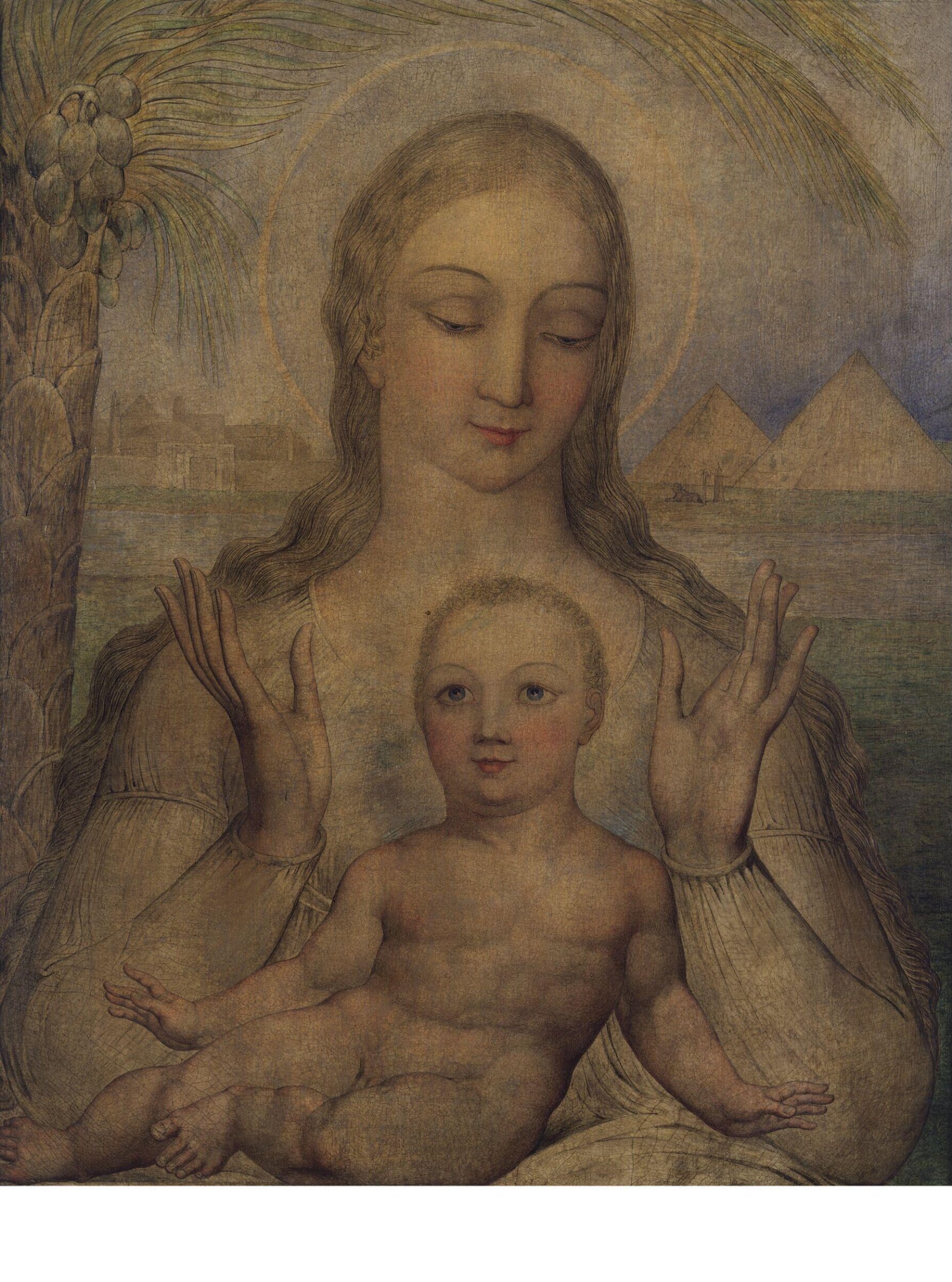
William BlakeVereinigtes Königreich, 1757–1827
Canto I
Kann ich es sehen?
Derzeit nicht ausgestellt
Wo ist „Canto I“ heute? Sammlung: National Gallery of Art, Washington, D.C. Derzeit nicht ausgestellt. Geprüft 16. November 2026.

Washington, D.C., Vereinigte Staaten
Es gehört zur Sammlung, ist derzeit aber nicht ausgestellt.
- Geprüft
- Unverändert seit
- Quelle
- Das Museum
Über das Werk
Gesang I, von William Sharp nach Thomas Stothard 1787 bis 1788 geschaffen, gehört der Washingtoner National Gallery of Art. Gestalten versammeln sich um ein großes Gesicht, das aus dem Fels hervortritt, mit einem weiteren geflügelten Gesicht darüber zwischen Wolken. Radierung und Kupferstich sind auf Velinpapier verbunden. Das mit William Hayleys The Triumphs of Temper verbundene Bild ist nur 10,5 mal 6,9 Zentimeter groß.
Angaben
- Inventarnummer
- 1983.103.2.c
Was es zeigt
Im Katalog
Quellen
- National Gallery of Art
- Bild: National Gallery of Art — Museum open access
Im Leben von William Blake
Das ganze Leben1779–1785
Rebelling against Reynolds at the Academy
At the Royal Academy Blake rebelled against what he regarded as the unfinished style of fashionable painters such as Rubens, championed by the first president, Joshua Reynolds, and over time came to detest Reynolds' pursuit of “general truth” and “general beauty”. Against Reynolds' fashionable oil painting he preferred the classical precision of Michelangelo and Raphael.
1780–1808
Exhibits six times at the Royal Academy
Despite his antagonism towards Reynolds, Blake submitted works to the Royal Academy on six occasions between 1780 and 1808.
1784–1785 · Wohnort
Broadwick Street
1785–1791 · Wohnort
Poland Street
1788
Invents relief etching
In 1788, aged 31, Blake invented relief etching, or “illuminated printing”: text and designs are drawn on a copper plate in acid-resistant ink and etched so that the protected areas stand in relief, and the printed pages are coloured by hand in watercolours. He used it for most of his well-known works, including “Songs of Innocence and of Experience”, “The Book of Thel”, “The Marriage of Heaven and Hell” and “Jerusalem”.