ART WIKI32.963 ausgestellt
KarteSammlungKünstlerMuseenAusstellungenJournal
Anmelden

ART WIKI

Wo das Meisterwerk hängt und wann man vorgelassen wird.

Sammlungen: Art Institute of Chicago, Cleveland Museum of Art, Eremitage, Getty Villa, Harvard Art Museums, Hirshhorn Museum and Sculpture Garden, J. Paul Getty Museum, Louvre, Metropolitan Museum of Art, Minneapolis Institute of Art, Museum of Modern Art, National Gallery of Art, National Museum of Asian Art, National Portrait Gallery, Puschkin-Museum, Rijksmuseum Amsterdam, Russisches Museum, Smithsonian American Art Museum, Statens Museum for Kunst, Tretjakow-Galerie, Victoria and Albert Museum, Whitney Museum of American Art, Staatskatalog des Museumsfonds Russlands (274 Museen), Europeana (19 Museen), Wikidata (6 Museen), Paris Musées (12 Museen) und Joconde, die Museumsdatenbank des französischen Kulturministeriums (495 Museen). Die Bilder gehören ihren Rechteinhabern.

Rubriken

  • Karte
  • Suche
  • Sammlung
  • Meisterwerke
  • Jetzt ausgestellt
  • Künstler

Mehr

  • Museen & Galerien
  • Ausstellungen
  • Journal
  • Woher die Daten stammen
  • Datenschutz & Cookies
StartseiteKarteKatalog
  1. Sammlung/
  2. Art Institute of Chicago/
  3. Braunkreuz
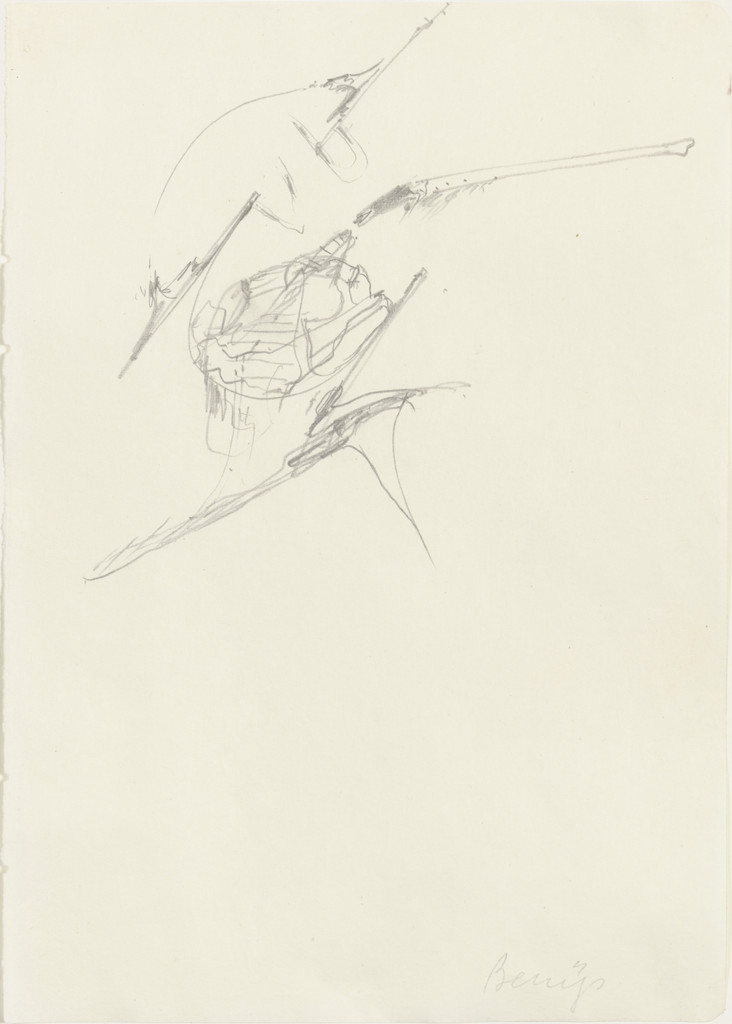
Braunkreuz, Joseph Beuys, 1964
Joseph Beuys, PorträtJoseph BeuysDeutschland, 1921–1986

Braunkreuz

1964 · Drawing and Watercolor

Darf man es sehen?

Empfängt derzeit nicht

Art Institute of Chicago

Chicago, Vereinigte Staaten

Es gehört zur Sammlung, ist derzeit aber nicht ausgestellt.

Geprüft
vor 3 Tagen
Unverändert seit
19. Aug. 2026
Quelle
Das Museum
Auf der KarteMuseumsseite

Angaben

1964 · mit 43 Jahren
19211986
Inventarnummer
2001.712

Im Katalog

Zeichnungen & AquarelleNachkriegskunst20. JahrhundertDeutschland

Quellen

  • Art Institute of Chicago
  • Bild: Art Institute of Chicago — © the artist or rights holder

Derweil im Leben von Joseph Beuys

Das ganze Leben
  1. 1960s

    Forms the idea of “social sculpture”

    Drawing on Novalis and Schiller and on Rudolf Steiner's ideas of social threefolding, Beuys developed the concept of social sculpture: society as a whole is one great work of art to which everyone can contribute creatively (“everyone is an artist”).

  2. 1962

    Friendship with Nam June Paik and first steps in Fluxus

    In 1962 Beuys befriended his Düsseldorf colleague Nam June Paik, a member of Fluxus, which began his brief formal involvement with the movement; he viewed art's economic and institutional framework differently from the others, however.

  3. 1964

    An action in Aachen: a punch in the face

    At a festival at the Technical College in Aachen that coincided with the twentieth anniversary of the attempt on Hitler's life, students interrupted Beuys's action and one of them punched him in the face; a photograph of the artist with a bloodied nose and a raised arm circulated in the media and brought him wider public attention.

  4. 1964

    Composes the fictionalised CV “Lebenslauf/Werklauf”

    For the Aachen festival Beuys produced an idiosyncratic CV, “Lebenslauf/Werklauf” (“Life Course/Work Course”) — a deliberately fictionalised account of his life in which historical events mingle with metaphor and myth (he called his birth the “exhibition of a wound”).

  5. 28. Juni 1964 – 6. Oktober 1964

    Exhibition: Documenta III

  6. 26 November 1965

    First solo exhibition in a private gallery

    The show opened with an action involving a dead hare: Beuys, his face covered in honey and gold leaf, murmured explanations of the drawings on the walls to the animal while viewers watched through the gallery window; some critics called the photograph with the hare a new Mona Lisa of the 20th century.
Mehr von Joseph Beuys

Alle Werke
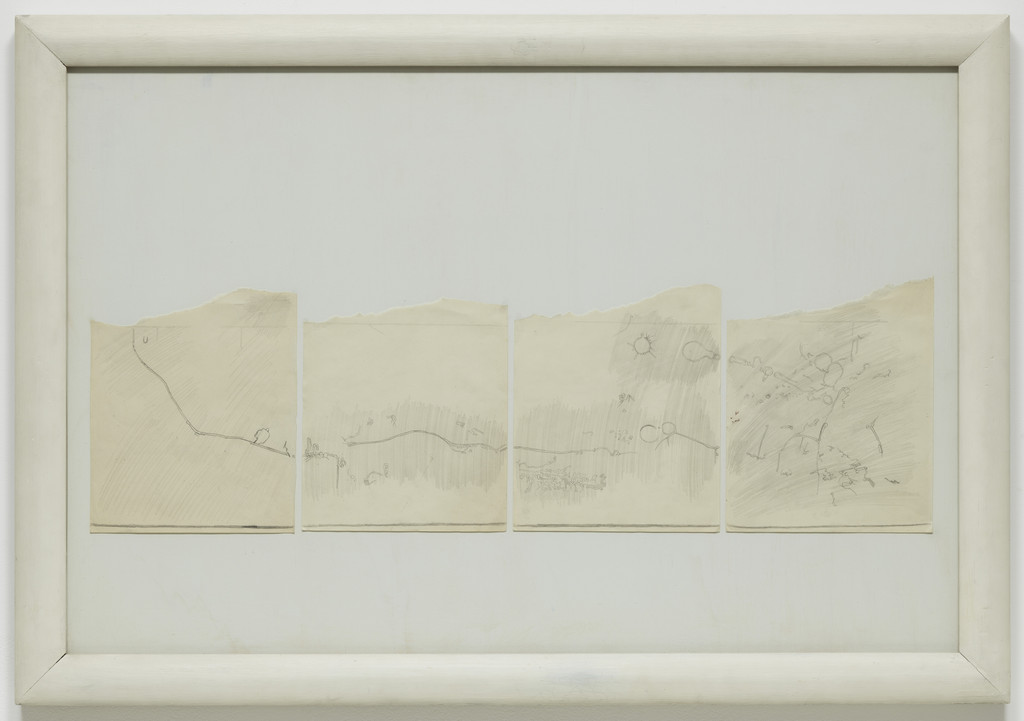
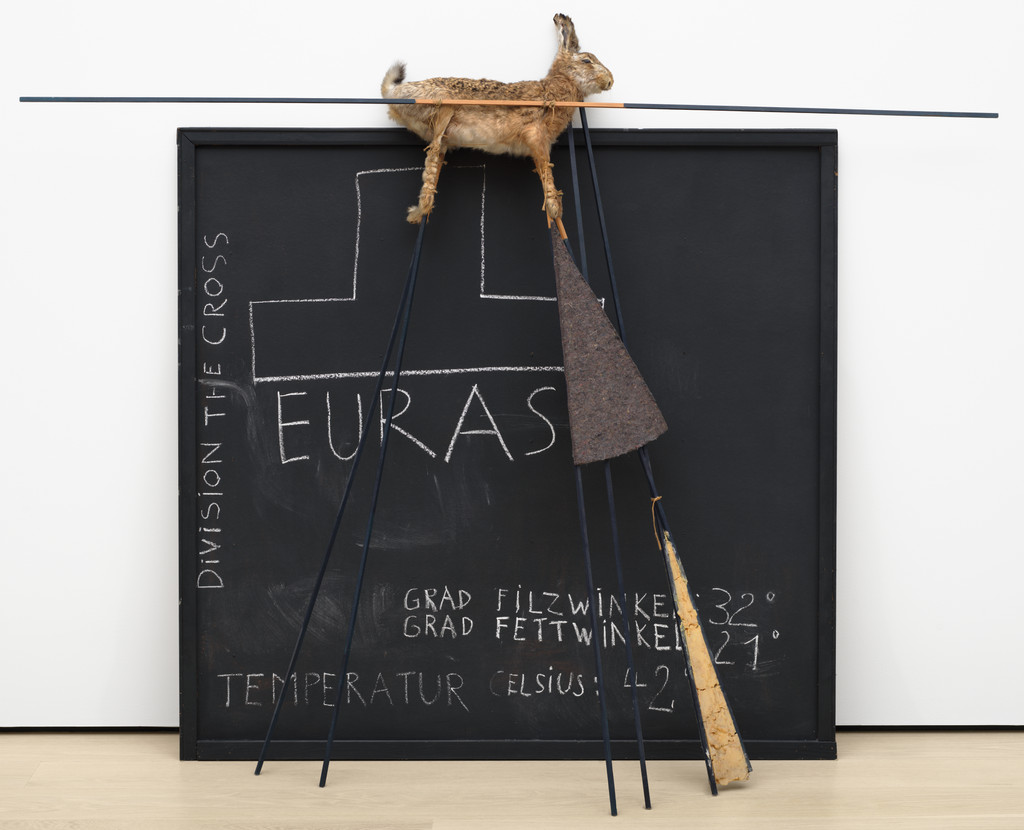
Eurasia Siberian Symphony 1963, Joseph Beuys, 1966

Eurasia Siberian Symphony 1963

1966 · Museum of Modern Art

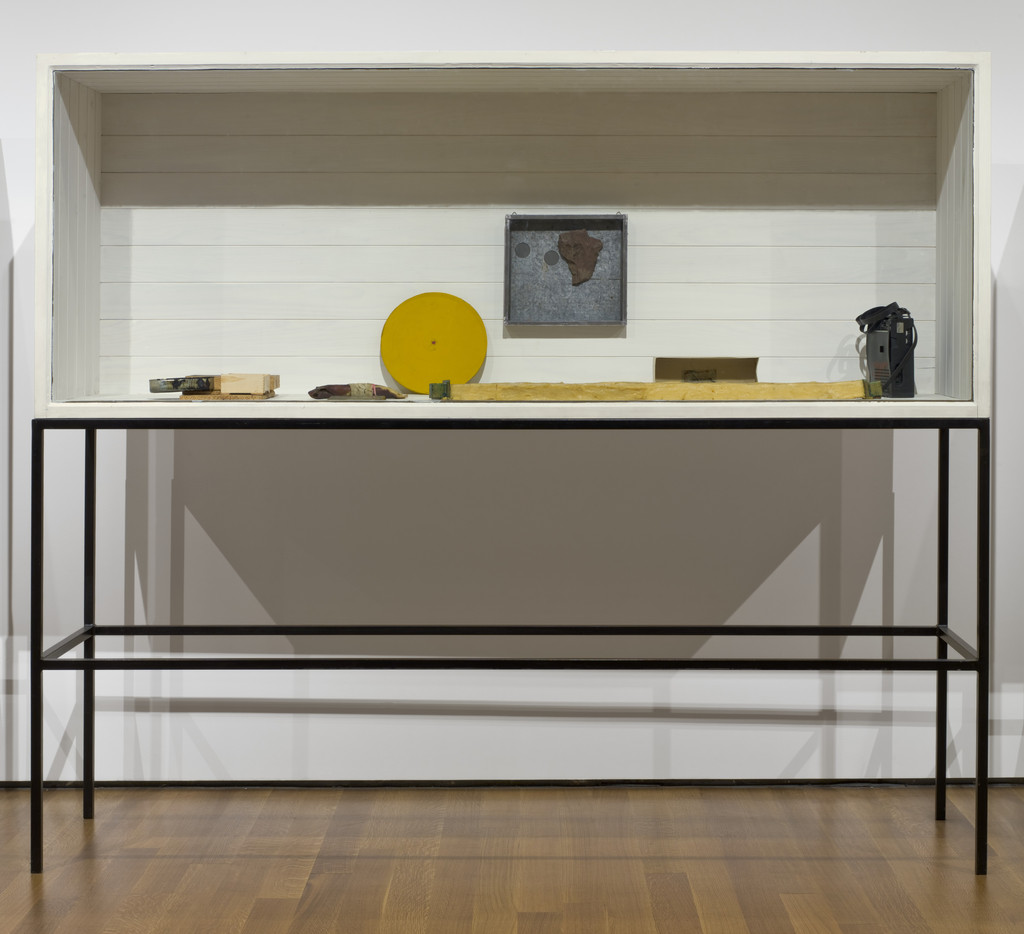
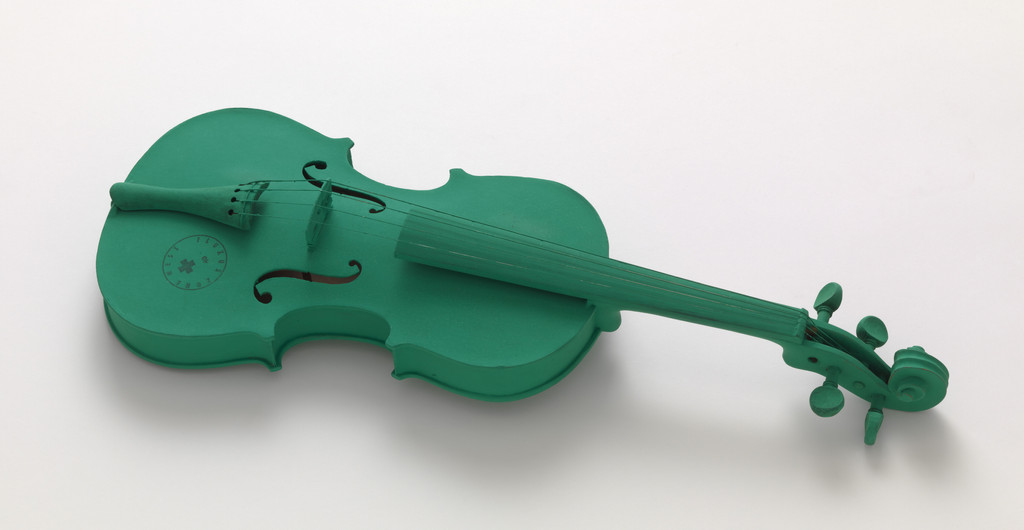
Green Violin (Grüne Geige), Joseph Beuys, Henning Christiansen, 1974

Green Violin (Grüne Geige)

1974 · Museum of Modern Art

Untitled, Joseph Beuys, n.d.

Untitled

n.d. · Nicht ausgestellt · Museum of Modern Art

Untitled, Joseph Beuys, 1947 and 1970s

Untitled

1947 and 1970s · Nicht ausgestellt · Museum of Modern Art

Untitled III, Joseph Beuys, 1948-81

Untitled III

1948-81 · Nicht ausgestellt · Museum of Modern Art

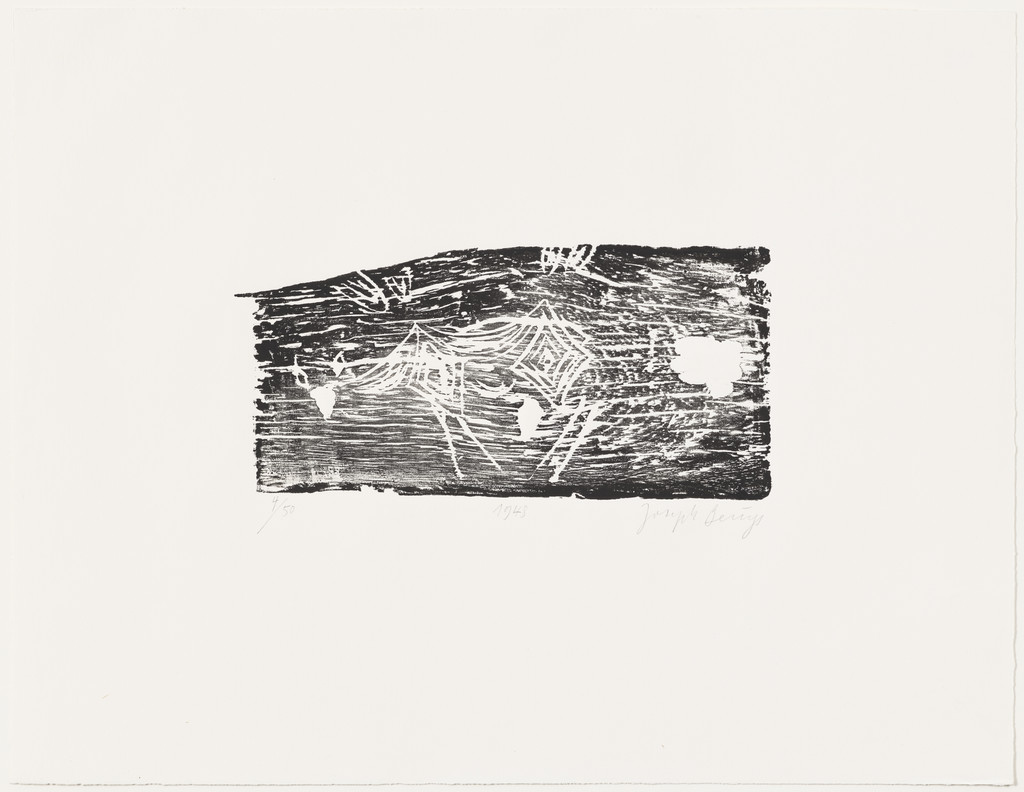
Hind (Hirschkuh), Joseph Beuys, 1948, printed 1973-74

Hind (Hirschkuh)

1948, printed 1973-74 · Nicht ausgestellt · Museum of Modern Art

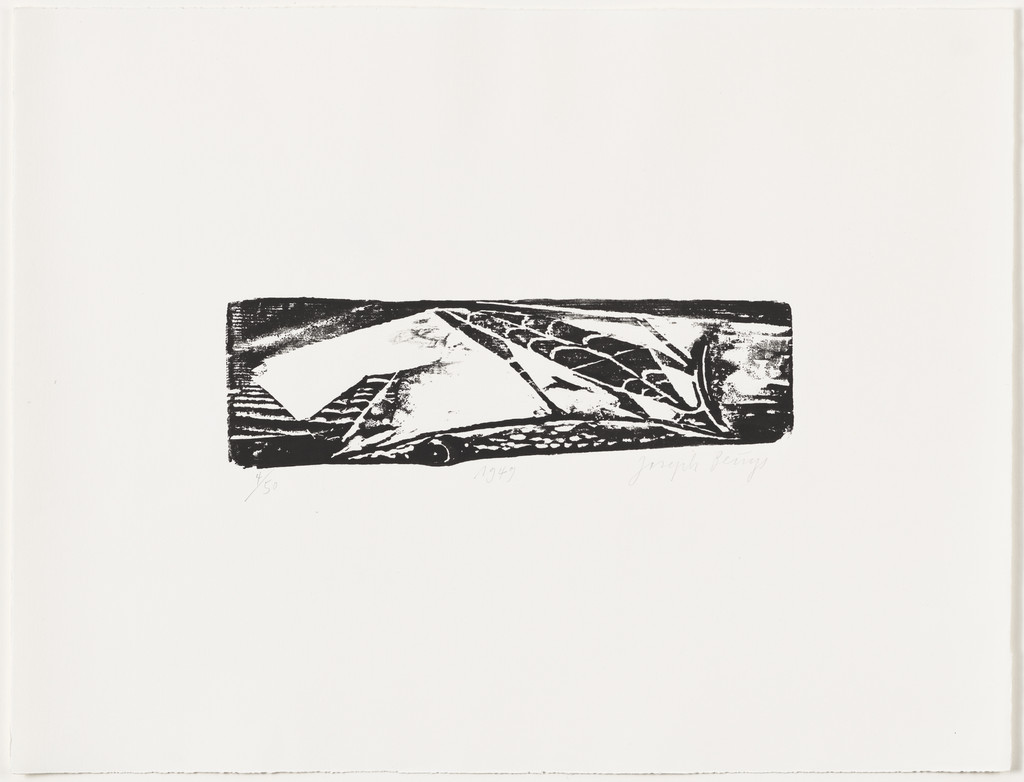
Shallows (Wattenmeer), Joseph Beuys, 1949,  printed 1973-74

Shallows (Wattenmeer)

1949, printed 1973-74 · Nicht ausgestellt · Museum of Modern Art

Untitled V, Joseph Beuys, 1949-82

Untitled V

1949-82 · Nicht ausgestellt · Museum of Modern Art

Nachbarn im Haus: Art Institute of Chicago

Museumsseite
The Bedroom, Vincent van Gogh, 1889

Vincent van Gogh

The Bedroom, 1889

A Sunday on La Grande Jatte — 1884, Georges Seurat, 1884–86, border added 1888–89

Georges Seurat

Ein Sonntagnachmittag auf der Insel La Grande Jatte, 1884–86, border added 1888–89

Paris Street; Rainy Day, Gustave Caillebotte, 1877

Gustave Caillebotte

Straße in Paris an einem regnerischen Tag, 1877

Two Sisters (On the Terrace), Pierre-Auguste Renoir, 1881

Pierre-Auguste Renoir

Auf der Terrasse, 1881

The Basket of Apples, Paul Cézanne, c. 1893

Paul Cézanne

The Basket of Apples, c. 1893

Stacks of Wheat (End of Summer), Claude Monet, 1890–91

Claude Monet

Stacks of Wheat (End of Summer), 1890–91

American Gothic, Grant Wood, 1930

Grant Wood

American Gothic, 1930

Nighthawks, Edward Hopper, 1942

Edward Hopper

Nighthawks, 1942