 Luca GiordanoItalien, 1646–1705
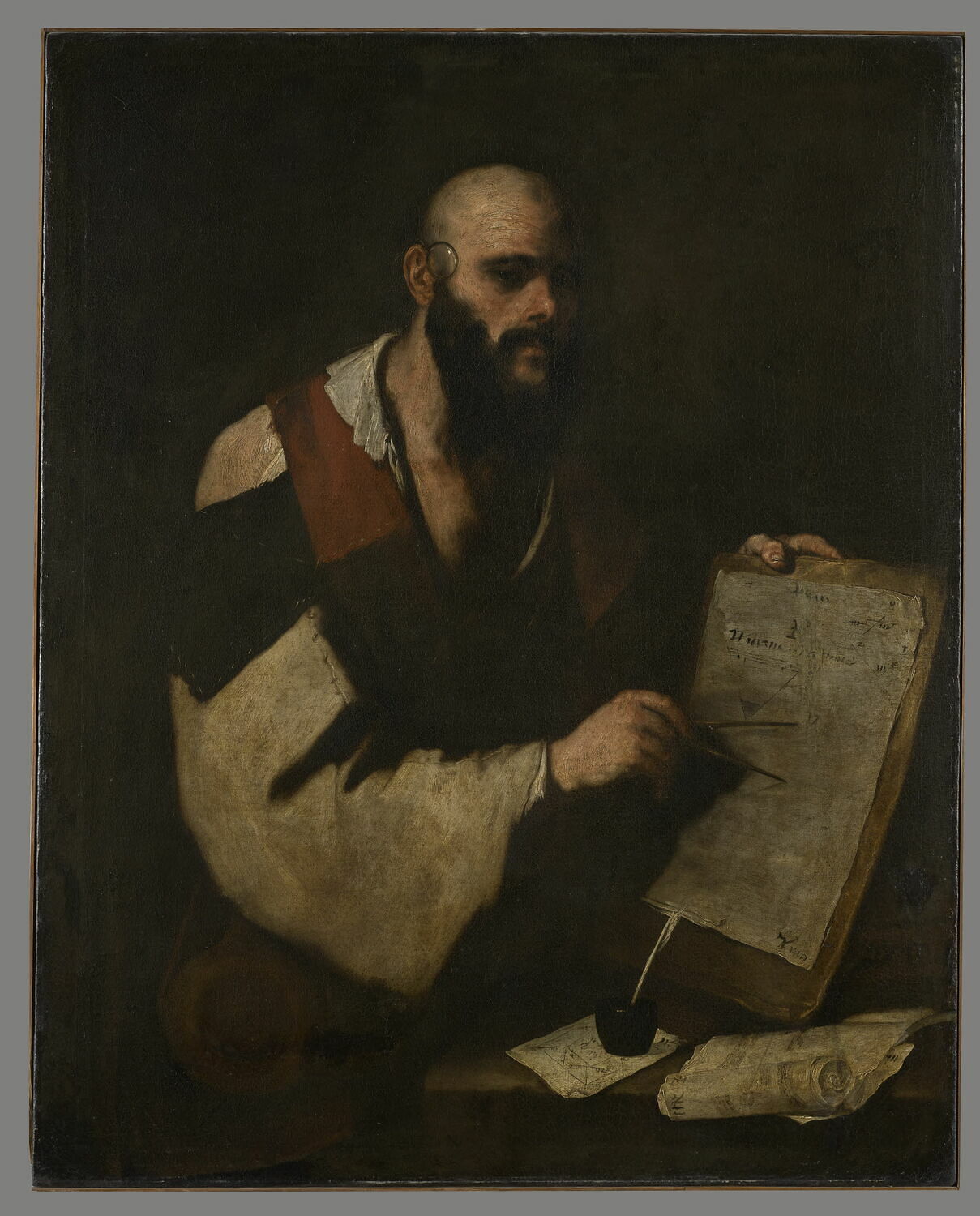
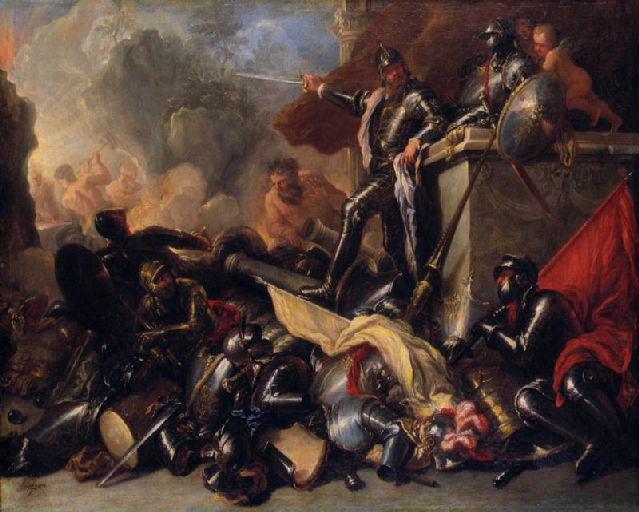
Allégorie de la Guerre
Kann ich es sehen?
Unbekannt
Wo ist „Allégorie de la Guerre“ heute? Sammlung: Musée de Picardie, Amiens. Unbekannt.
Amiens, Frankreich
Der Besitzer ist bekannt; ob das Werk derzeit ausgestellt ist, nicht.
- Unverändert seit
- Quelle
- Das Museum
Angaben
- Inventarnummer
- M.P.Lav.1894-213
Was es zeigt
Im Katalog
Quellen
- Musée de Picardie
- Bild: Musée de Picardie — © Jeanneteau Marc; Ministère de la Culture (France), base Joconde
Im Leben von Luca Giordano
Das ganze Leben1692–1702 · Wirkungsort
Madrid
1692–1702
His speed reaches its peak
His nickname “Luca fa presto” (“Luca paints quickly”) is fully borne out in Spain: the Prior of the Escorial reports to Charles II that in a single day Giordano paints ten to twelve figures three times life size, with the angels and clouds that go with them, while the two theologians instructing him in the mysteries answer more slowly than he asks his questions.
1700
Charles II dies: commissions only from private patrons
After the death of Charles II, Giordano works only for private patrons, although Philip V greatly admires his art.
8 February 1702
Leaves Madrid for Naples
Leaves Madrid and returns to Naples. During his decade in Spain he painted major decorative schemes at the Buen Retiro, the Escorial, the sacristy of Toledo Cathedral and the Royal Palace of Aranjuez, as well as part of the frescoes in the church of San Antonio de los Alemanes.
1702–1705 · Wirkungsort
Naples
1702–1705
Late years in Naples
After his return he goes on painting prolifically, in a lighter, less rhetorical style that prefigures the Rococo. He spends large sums on acts of munificence and is particularly liberal to poorer artists.