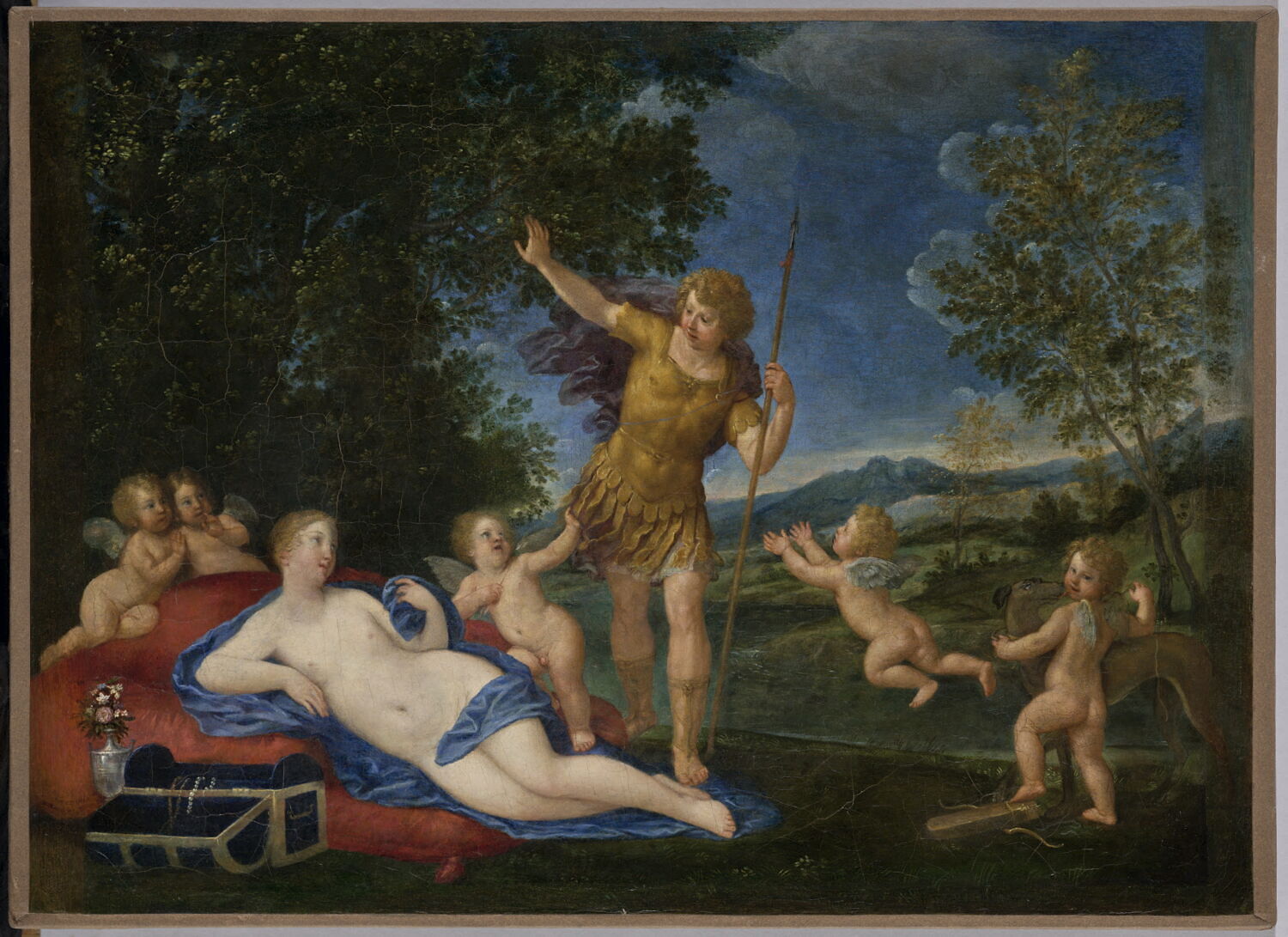
 Francesco AlbaniItalien, 1578–1660
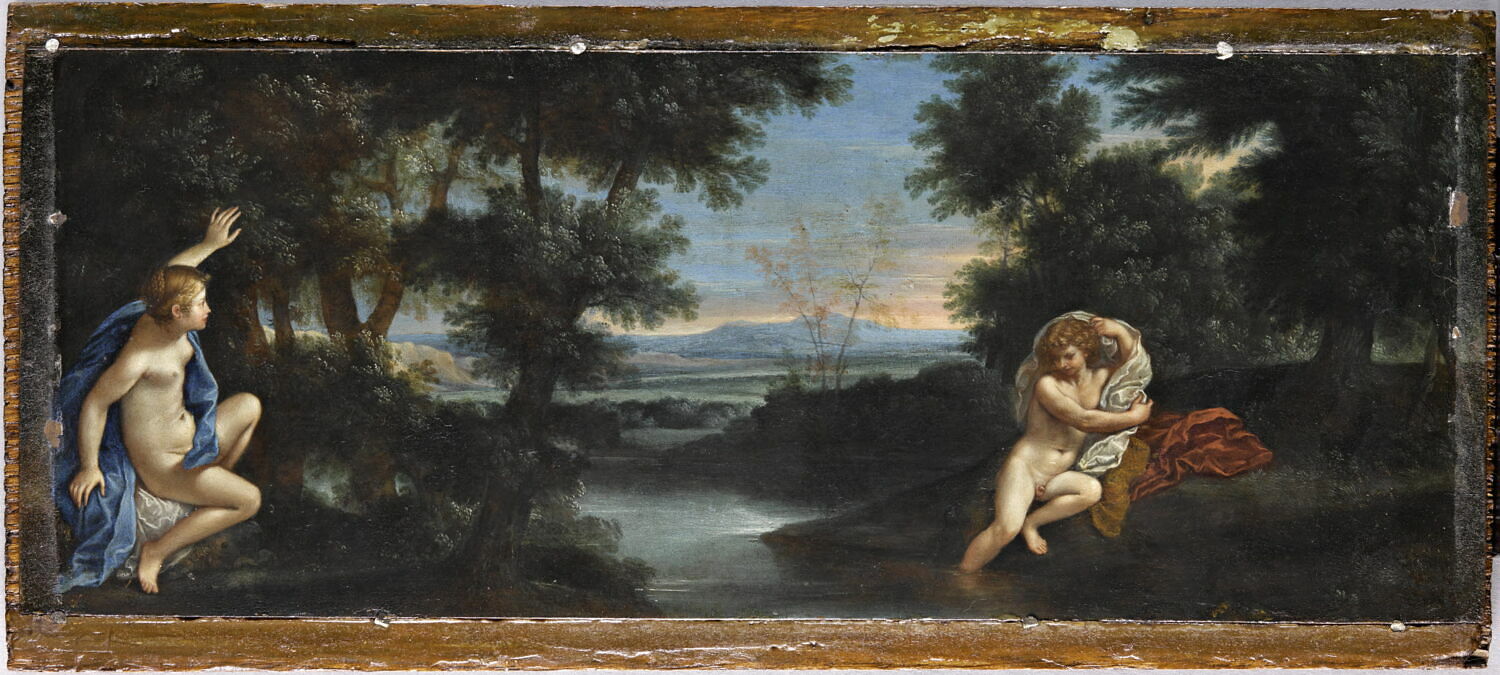
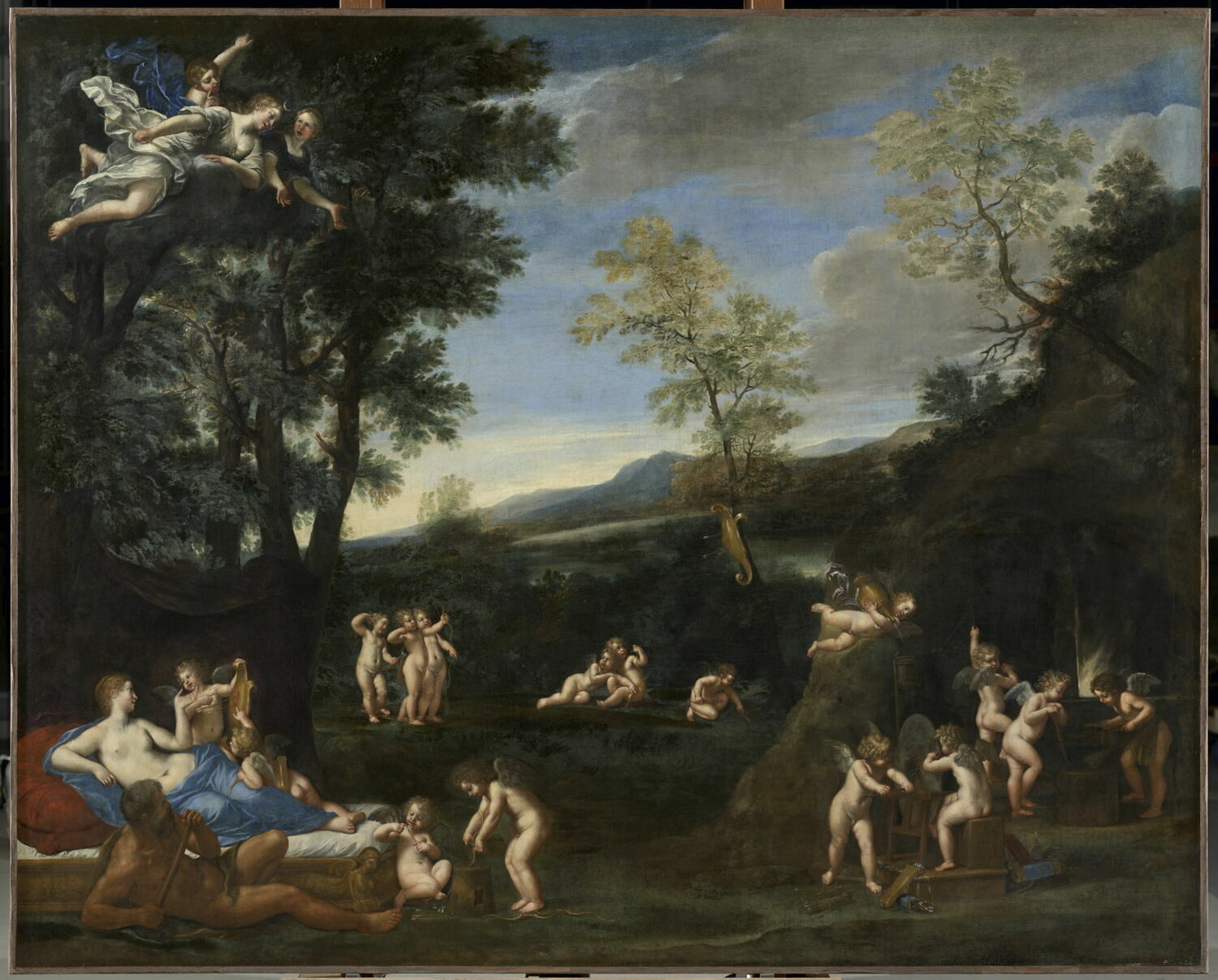
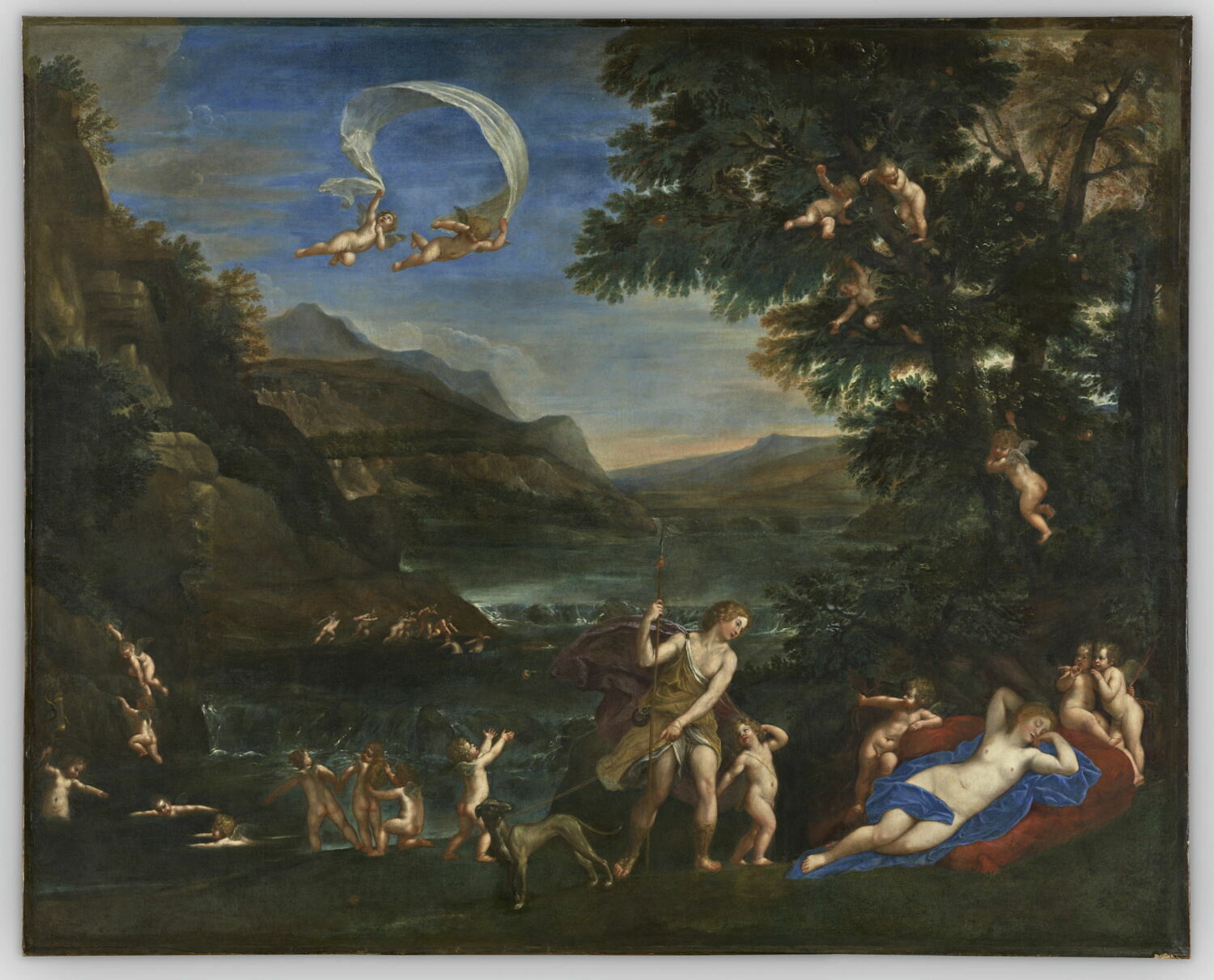
Vénus et Adonis
Må man se det?
Tager ikke imod for tiden

Paris, Frankrig
Det hører til samlingen, men er ikke udstillet for tiden.
- Kontrolleret
- Uændret siden
- Kilde
- Museet
Oplysninger
- Inventarnummer
- INV 20
I kataloget
Kilder
- Louvre
- Billede: Louvre — © 2026 GrandPalaisRmn (musée du Louvre) / Sylvie Chan-Liat
Imens i livet hos Francesco Albani
Hele livet1600–1625
Roman patrons and the Academy of St Luke
In Rome Albani works for members of the most powerful aristocratic families — the Borghese, Colonna, Corsini and Giustiniani; proof of his success is his admission to the Academy of St Luke.
after 1625
Back in Bologna: a large studio
After working in Rome from 1623 to 1625, Albani returns to Bologna and runs a large studio that rivals Reni's for the most important public commissions. His main work becomes large-scale altarpieces for Bolognese and provincial churches and easel pictures for an international clientele.
1630s
Begins a treatise on painting
Albani begins a treatise on painting, whose general content is known from excerpts of his notes published in Malvasia's biography: it stresses the importance of invention and of the artist's education and sharply criticizes the naturalism of Caravaggio and his followers.
1633
In Florence: completing a cycle for Giancarlo de' Medici
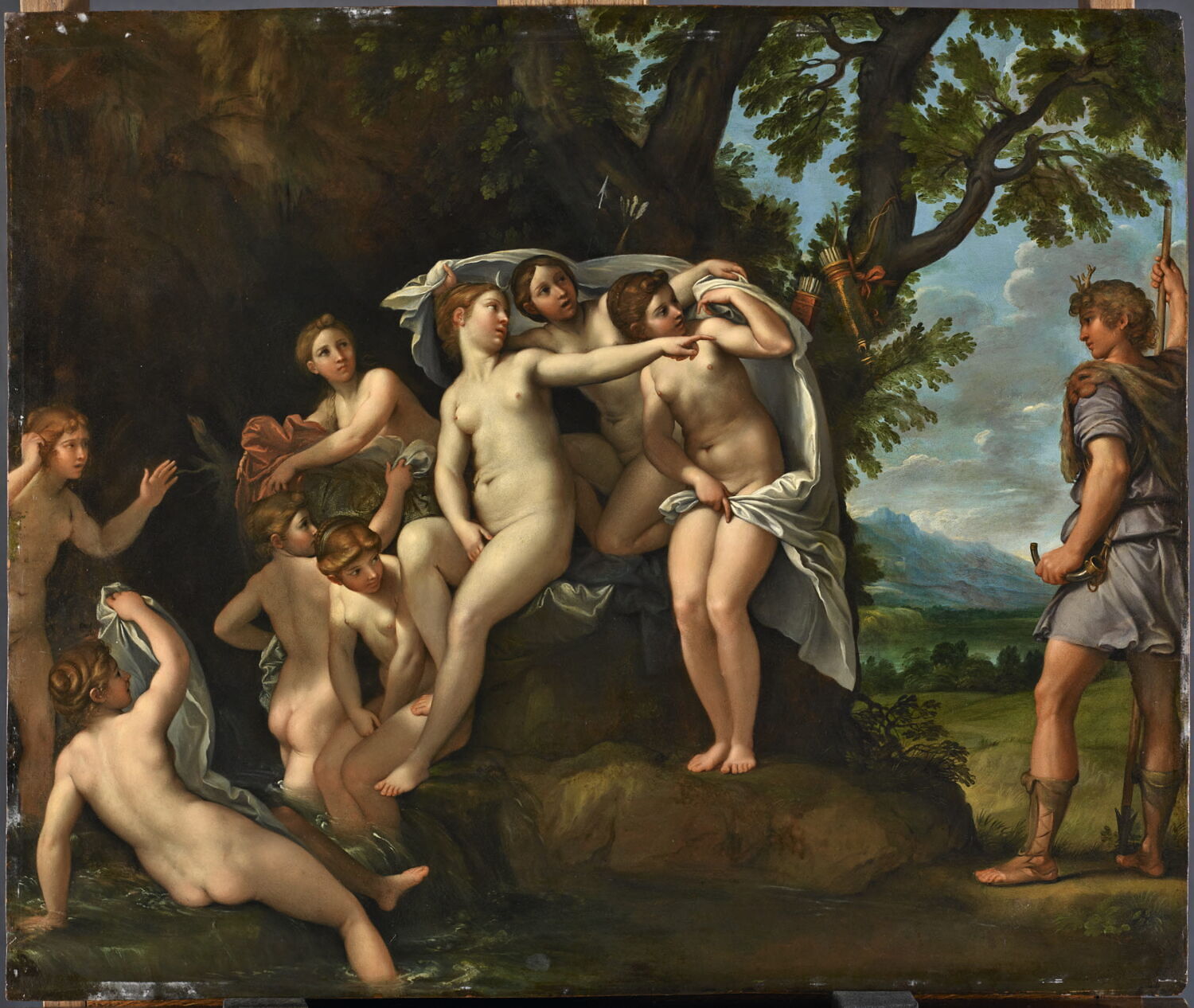
In 1633 Prince Giancarlo de' Medici summons Albani to Florence, where he completes several pictures originally commissioned by the Duke of Mantua — the cycle begun in 1621 for Ferdinando Gonzaga (now in the Louvre).
by 1643
A family of twelve children
By 1643 the Albani family numbers twelve children; the putti that increasingly populate his secular and sacred paintings, his biographers said, were modelled on his own babies. Other accounts say that his second marriage, to Doralice Fioravanti, produced ten children who served as models for the angels.
1645–1660
The workshop turns out replicas
Extensive workshop assistance and the execution of many replicas account for the decline in quality of works datable after 1645; other accounts say that for the last thirty years of his life the workshop kept producing small mythological and religious pictures of uneven quality.