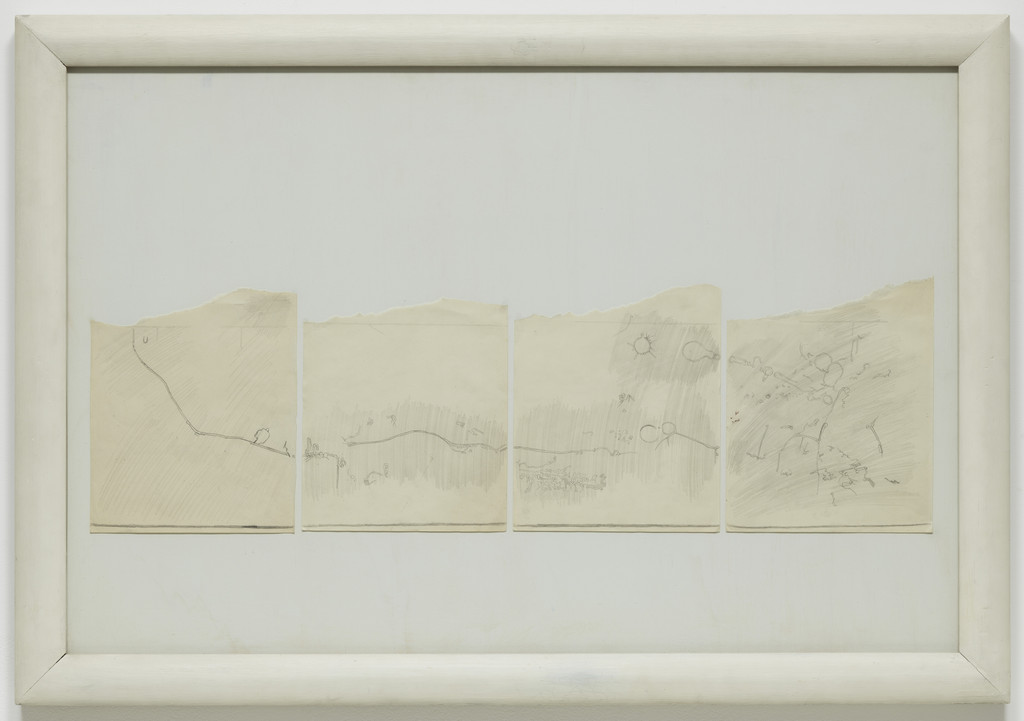
 Joseph BeuysTyskland, 1921–1986
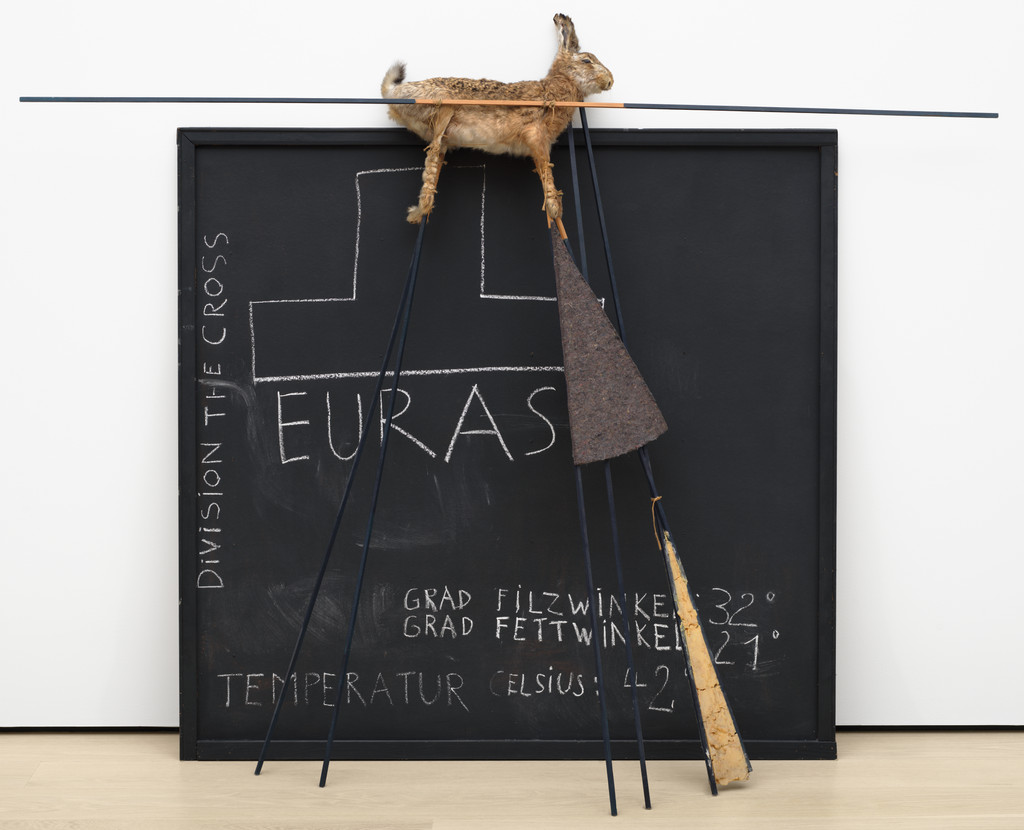
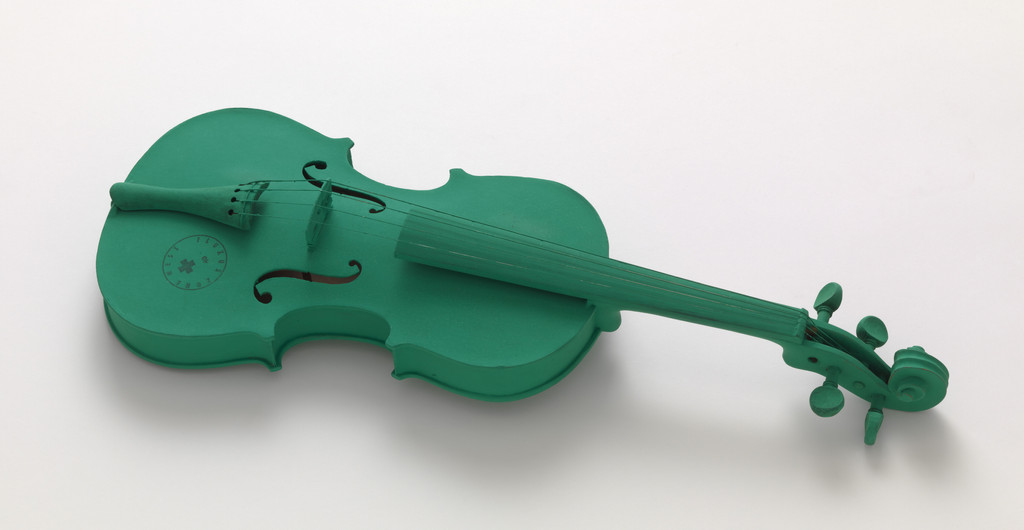
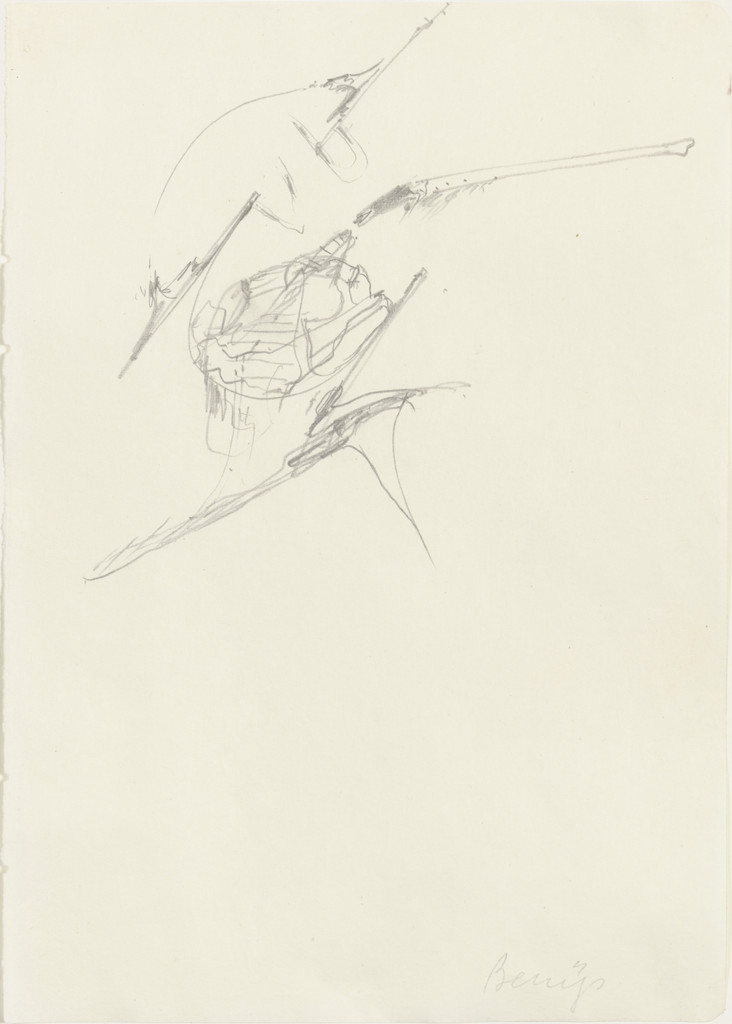
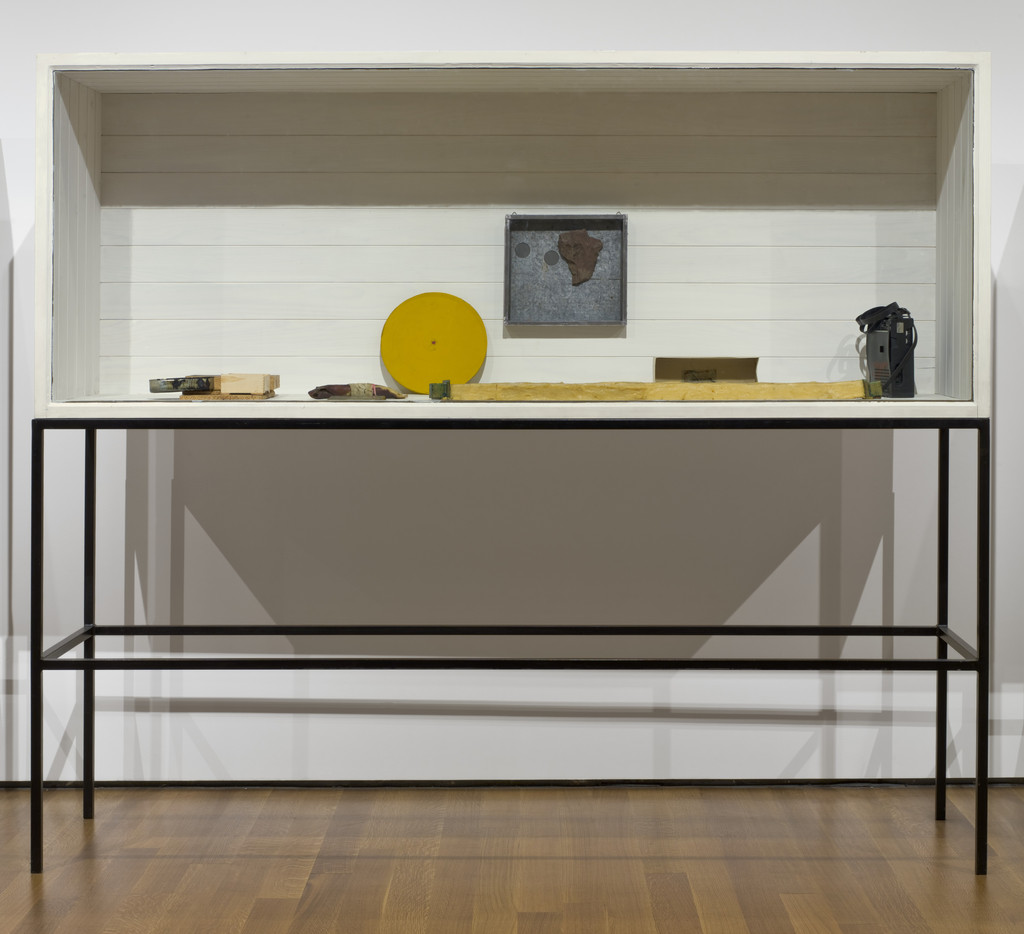
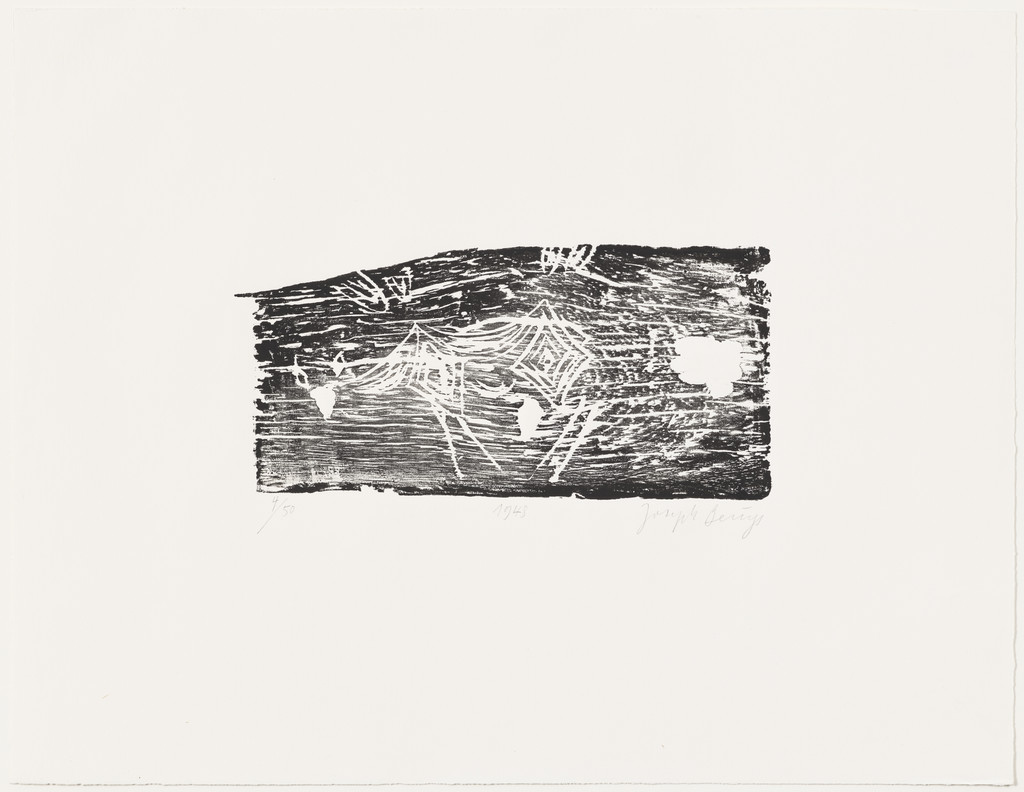
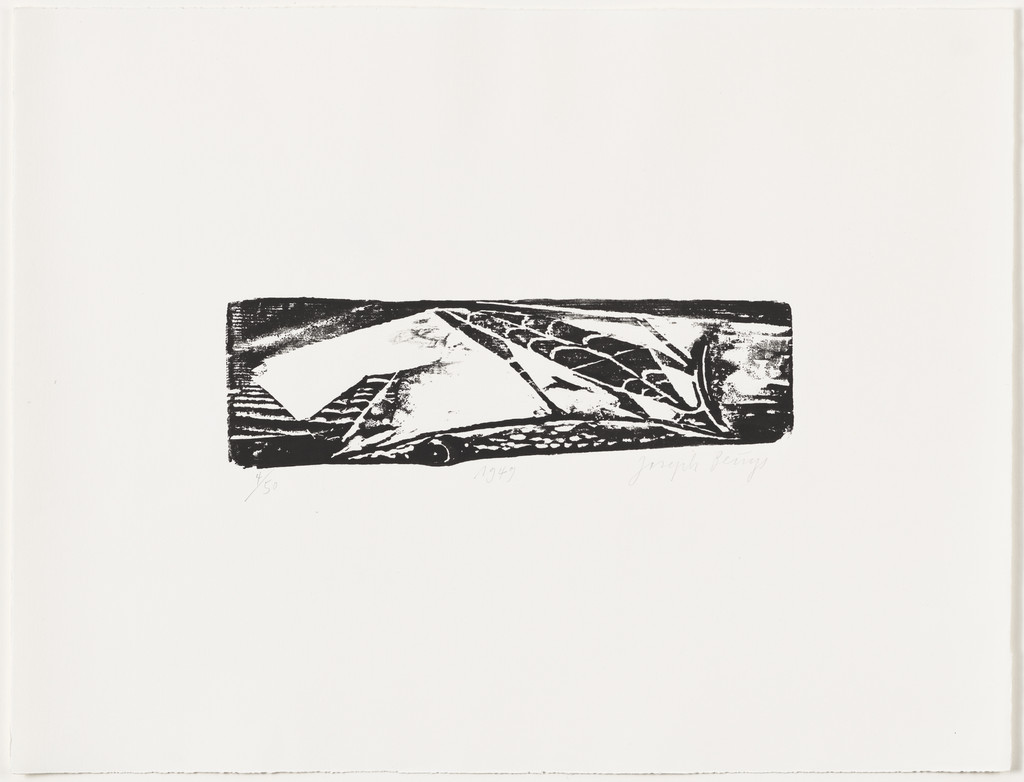
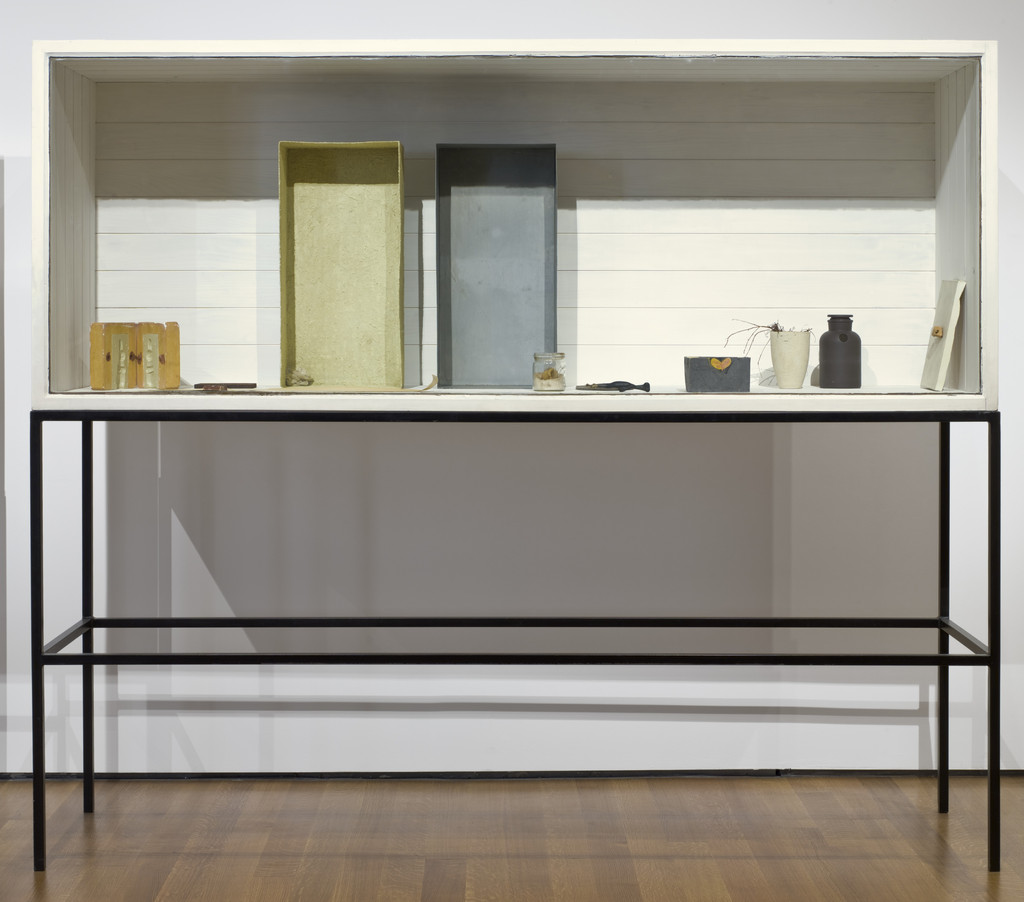
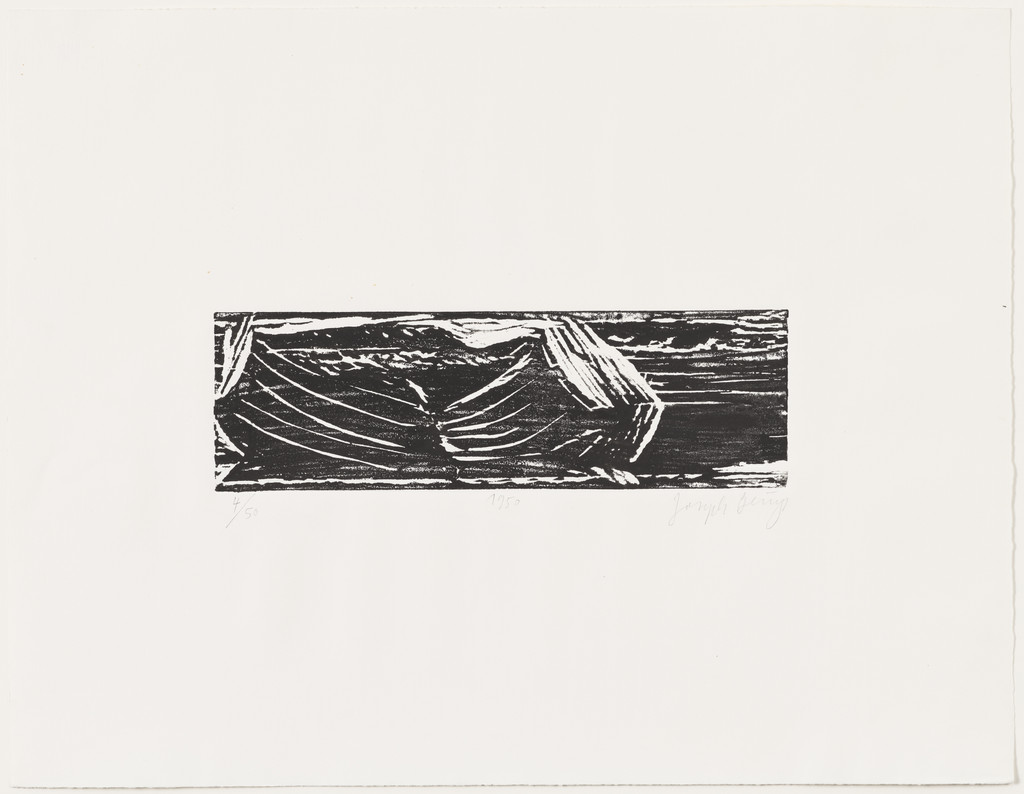
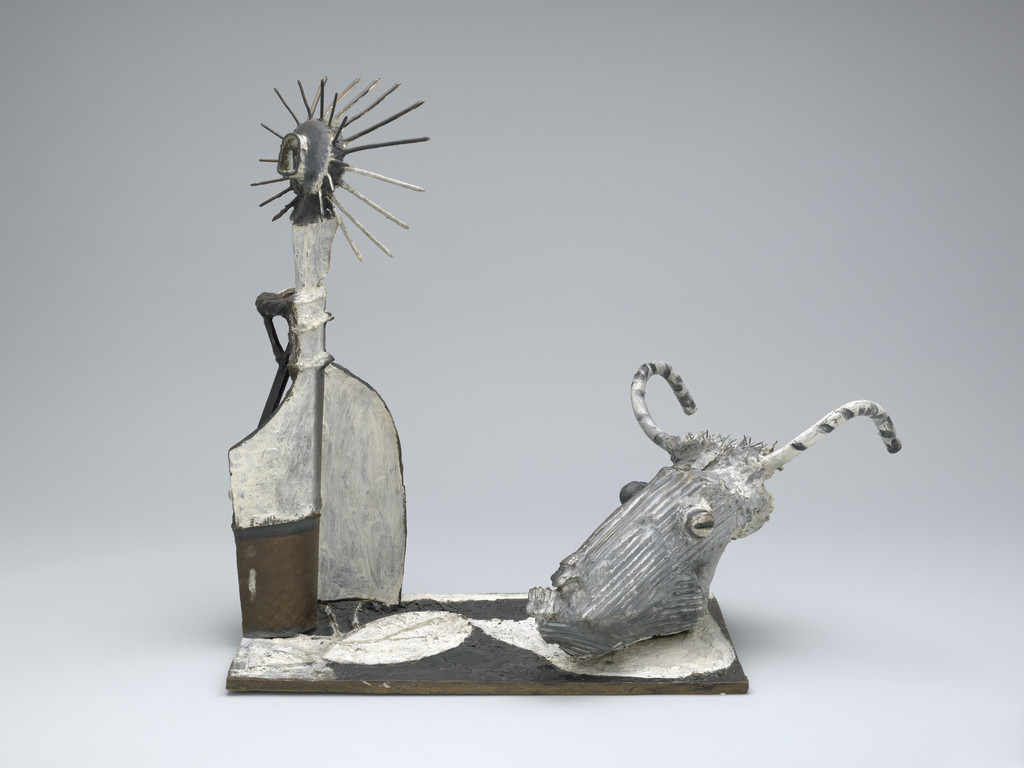
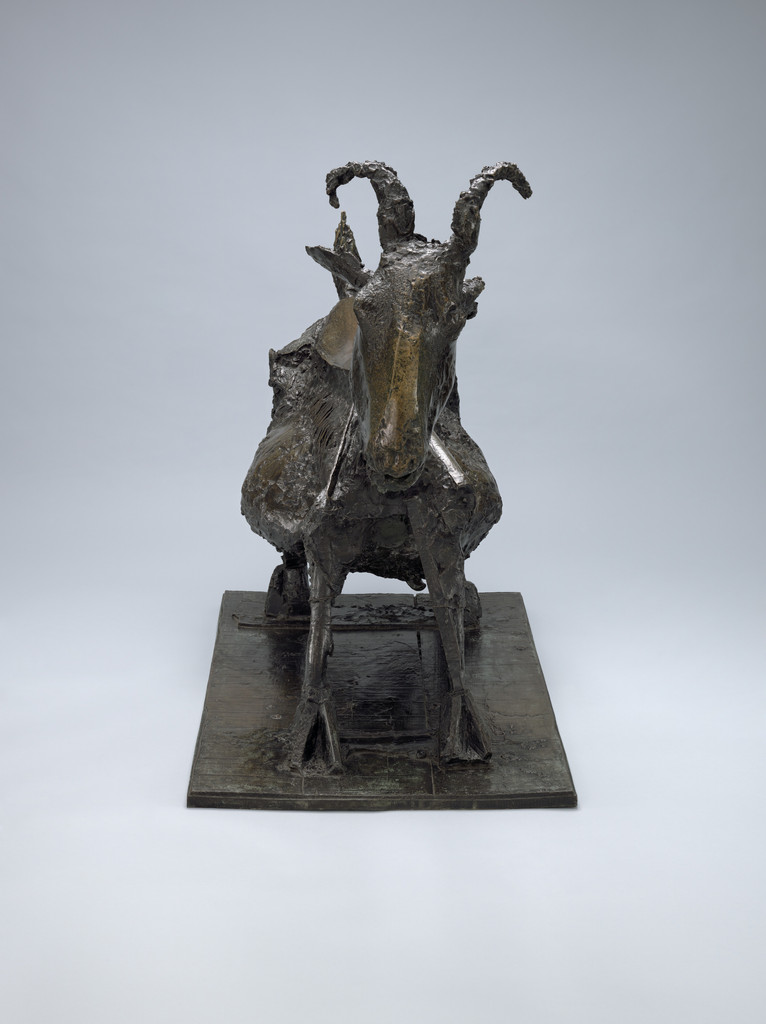
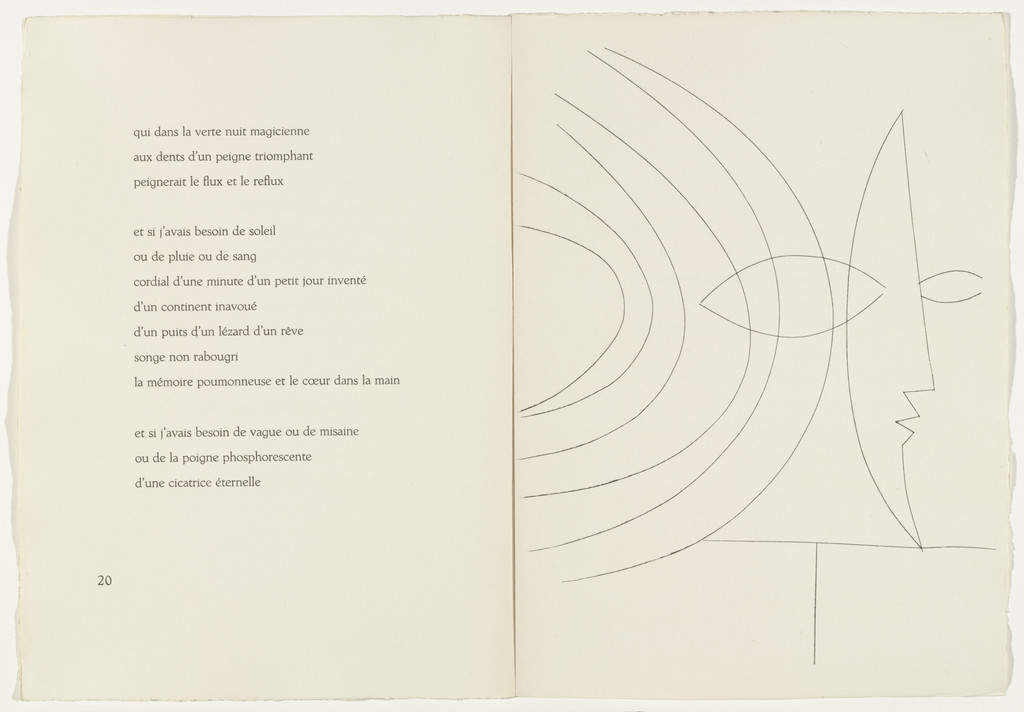
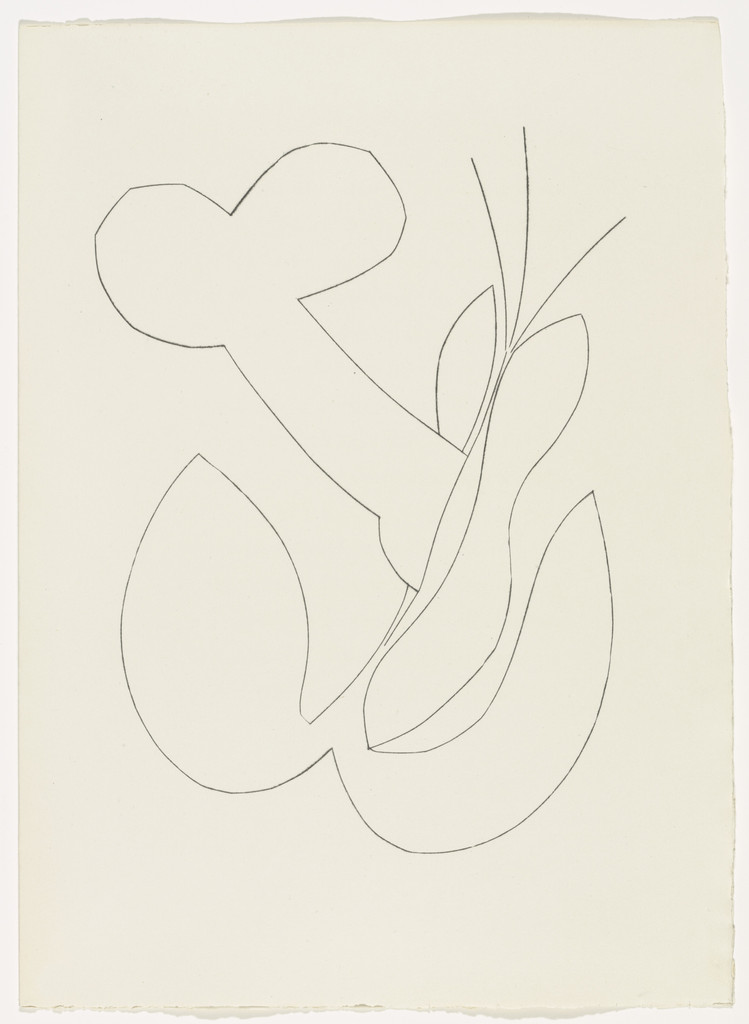
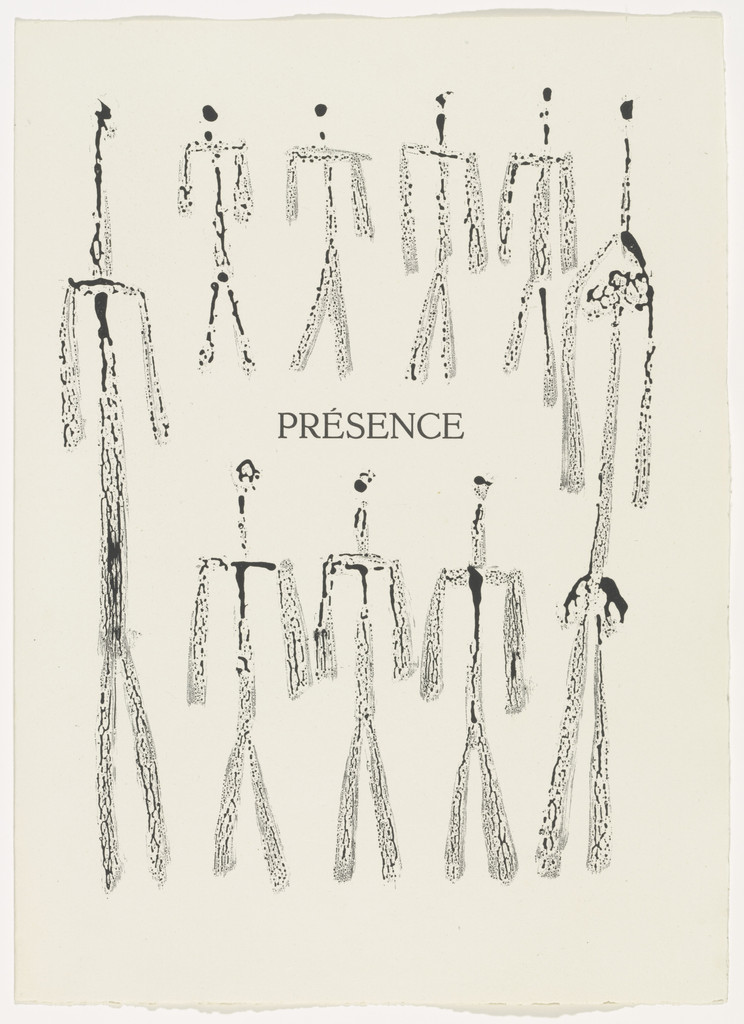
Untitled
Må man se det?
Tager ikke imod for tiden

Museum of Modern Art
New York City, USA
Det hører til samlingen, men er ikke udstillet for tiden.
- Kontrolleret
- for 13 dage siden
- Kilde
- Museets egne samlingsdata
Oplysninger
- Inventarnummer
- 249.1990.a-d
Kilder
- Museum of Modern Art: the museum's own open data · hentet for 13 dage siden
- Billede: Museum of Modern Art — © the artist or rights holder
Imens i livet hos Joseph Beuys
Hele livetMay – 5 August 1945
British captivity and the return to Kleve
The day after Germany's unconditional surrender Beuys was taken prisoner in Cuxhaven and sent to a British internment camp; on 5 August he was released and returned to his parents, who had moved to a suburb of Kleve.
after August 1945
Meeting Walter Brüx and Hanns Lamers
After returning to Kleve, Beuys met the local sculptor Walter Brüx and the painter Hanns Lamers; they encouraged him to take up art as a full-time career, and he joined the Kleve Artists Association that they had founded.
1945–1960
First exhibitions: Kleve, Kranenburg, Wuppertal
In his early years Beuys showed watercolours and sketches at the Kleve Artists Association's annual exhibition in the Villa Koekkoek, had a solo show at the home of Hans and Franz Joseph van der Grinten in Kranenburg, and took part in a show at the Von der Heydt Museum in Wuppertal.
1 April 1946
Enrols at the Düsseldorf Academy of Fine Arts
Beuys enrolled in the monumental sculpture programme; at first he was assigned to the class of Joseph Enseling, who had a more traditional, representational focus.
1947
Moves into Ewald Mataré's class
After three semesters Beuys managed to change his mentor and in 1947 joined the small class of Ewald Mataré, who had returned to the academy after being banned by the Nazis; the anthroposophy of Rudolf Steiner became an increasingly important basis for his thinking.
1947–1950
The “Thursday Society” at Alfter Castle
Together with other artists, including Hann Trier, Beuys founded the “Thursday Society” (Donnerstag-Gesellschaft), which from 1947 to 1950 organised discussions, exhibitions, events and concerts at Alfter Castle.