ART WIKI33.040 udstillet
KortSamlingKunstnereMuseerUdstillingerJournal
Log ind

ART WIKI

Hvor mesterværket hænger, og hvornår man bliver lukket ind.

Samlinger: Art Institute of Chicago, Det Russiske Museum, Eremitagen, Getty Villa, Harvard Art Museums, Hirshhorn Museum and Sculpture Garden, J. Paul Getty Museum, Louvre, Metropolitan Museum of Art, Minneapolis Institute of Art, Museum of Modern Art, National Gallery of Art, National Museum of Asian Art, National Portrait Gallery (Smithsonian), Pusjkinmuseet, Rijksmuseum Amsterdam, Smithsonian American Art Museum, Statens Museum for Kunst, The Cleveland Museum of Art, Tretjakovgalleriet, Victoria and Albert Museum, Whitney Museum of American Art, Ruslands statskatalog over museumsfonden (274 museer), Europeana (19 museer), Wikidata (6 museer), Paris Musées (12 museer) og Joconde, det franske kulturministeriums museumsdatabase (495 museer). Billederne tilhører deres rettighedshavere.

Afsnit

  • Kort
  • Søgning
  • Samling
  • Mesterværker
  • Udstillet nu
  • Kunstnere

Mere

  • Museer & gallerier
  • Udstillinger
  • Journal
  • Hvor data kommer fra
  • Privatliv & cookies
ForsideKortKatalog
  1. Samling/
  2. The Cleveland Museum of Art/
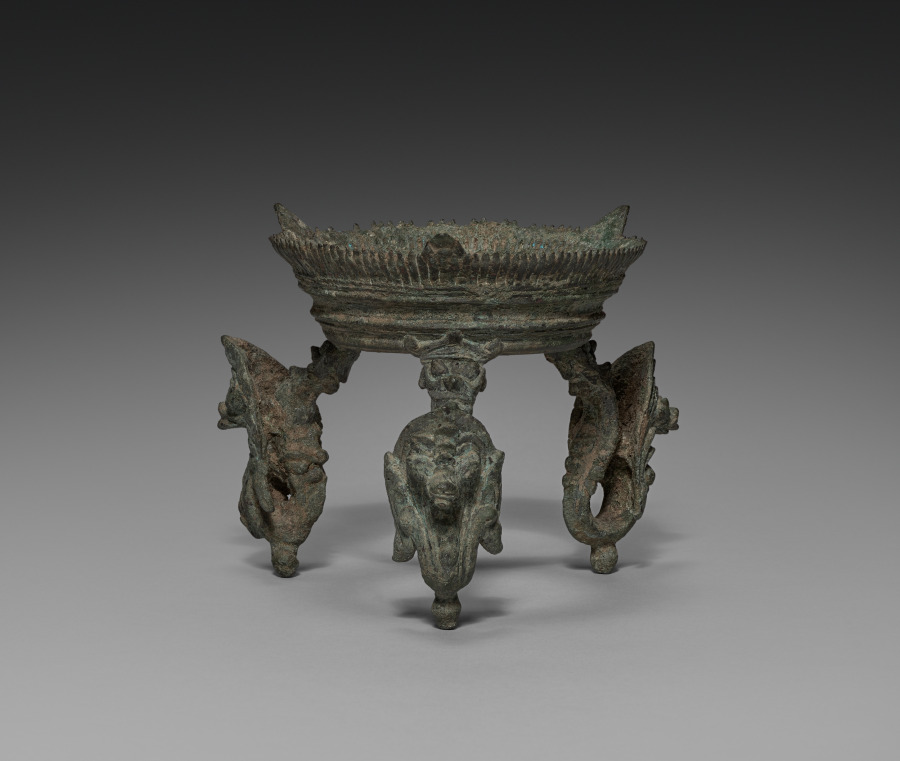
  3. Tripod stand with nagas for a ritual conch shell
Tripod stand with nagas for a ritual conch shell, 1100s

Tripod stand with nagas for a ritual conch shell

1100s · Sculpture

Må man se det?

Tager ikke imod for tiden

The Cleveland Museum of Art

Cleveland, USA

Det hører til samlingen, men er ikke udstillet for tiden.

Kontrolleret
for 9 dage siden
Uændret siden
19. aug. 2026
Kilde
Museet
På kortetMuseets side

Om skulpturen

A royal temple like Banteay Chhmar was built for performing rituals and to honor images of gods, Buddhas, and other sacred or enlightened beings for the sake of the kingdom’s protection and ongoing prosperity. Conch shells were blown at the start of rituals to make the sound corresponding to the syllable om.

The dancing figure of Hevajra, a Buddhist being of enlightenment with eight heads, sixteen arms, and four legs, has been worked into the bronze embellishment of the shell. Hevajra was elevated to a prominent position in Khmer Buddhism of the Angkorian period as the standard figure denoting the practice of rituals prescribed in a text called the Hevajra-tantra. The tripod stand with three serpents is probably not original to the shell.

The Cleveland Museum of Art

Oplysninger

Inventarnummer
1977.176.a

I kataloget

SkulpturBronzeMiddelalderenFør 1400Cambodia, Khmer, Angkor Period, 12th-13th Century

Kilder

  • The Cleveland Museum of Art
  • Billede: The Cleveland Museum of Art — Museum open access
Naboer på The Cleveland Museum of Art

Museets side
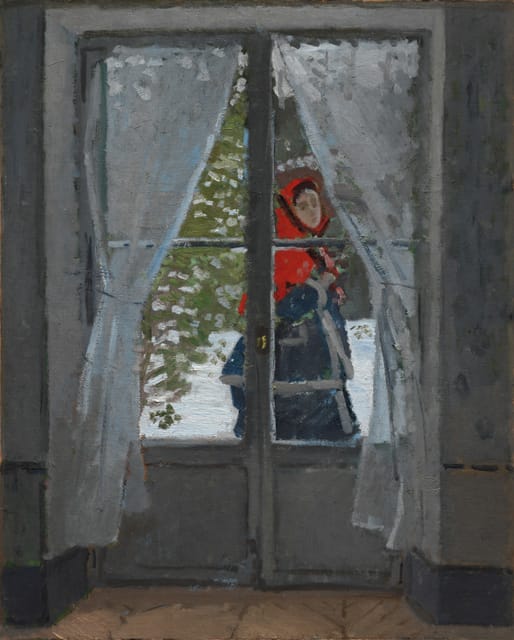
The Red Kerchief, Claude Monet, c. 1868–73

Claude Monet

The Red Kerchief, c. 1868–73

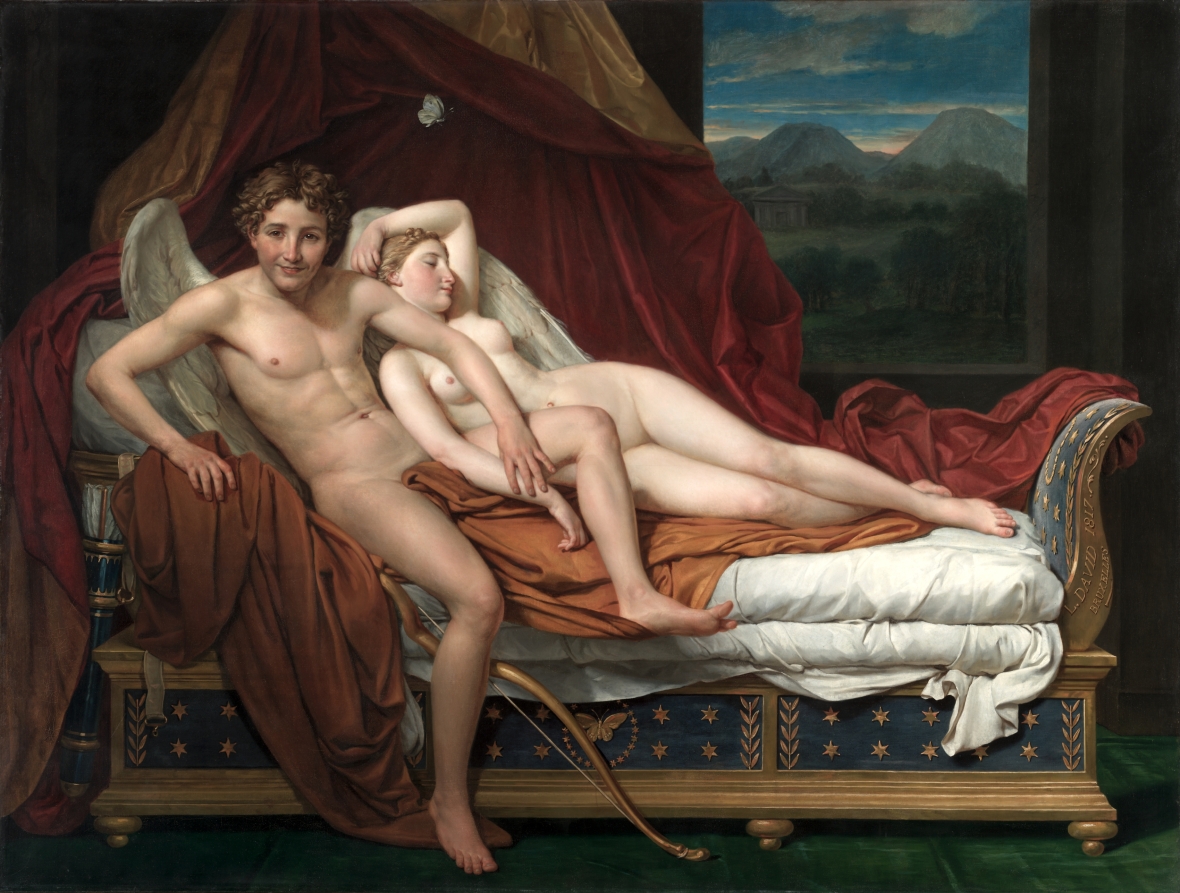
Cupid and Psyche, Jacques-Louis David, 1817

Jacques-Louis David

Cupid and Psyche, 1817

Mars, Venus, and Eros, Marcantonio Raimondi possibly after Andrea Mantegna, 1508

Andrea Mantegna

Mars, Venus, and Eros, 1508

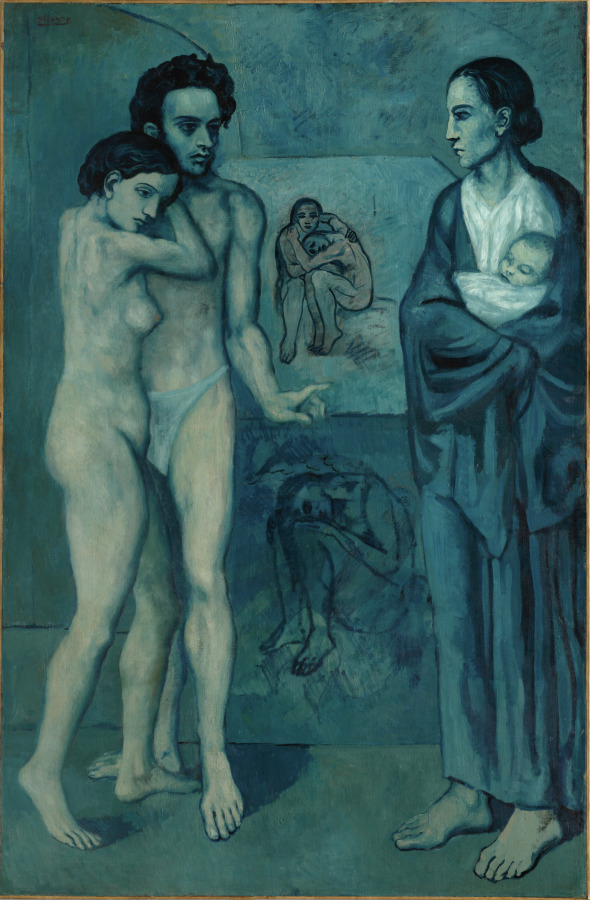
La Vie, Pablo Picasso, 1903

Pablo Picasso

La Vie, 1903

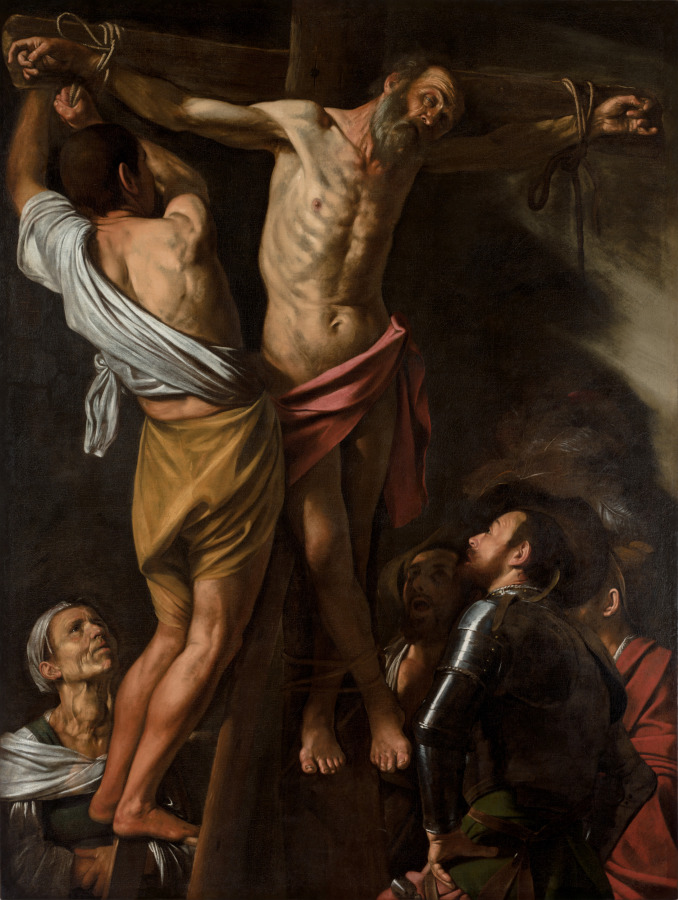
The Crucifixion of Saint Andrew, Caravaggio, 1606–7

Caravaggio

The Crucifixion of Saint Andrew, 1606–7

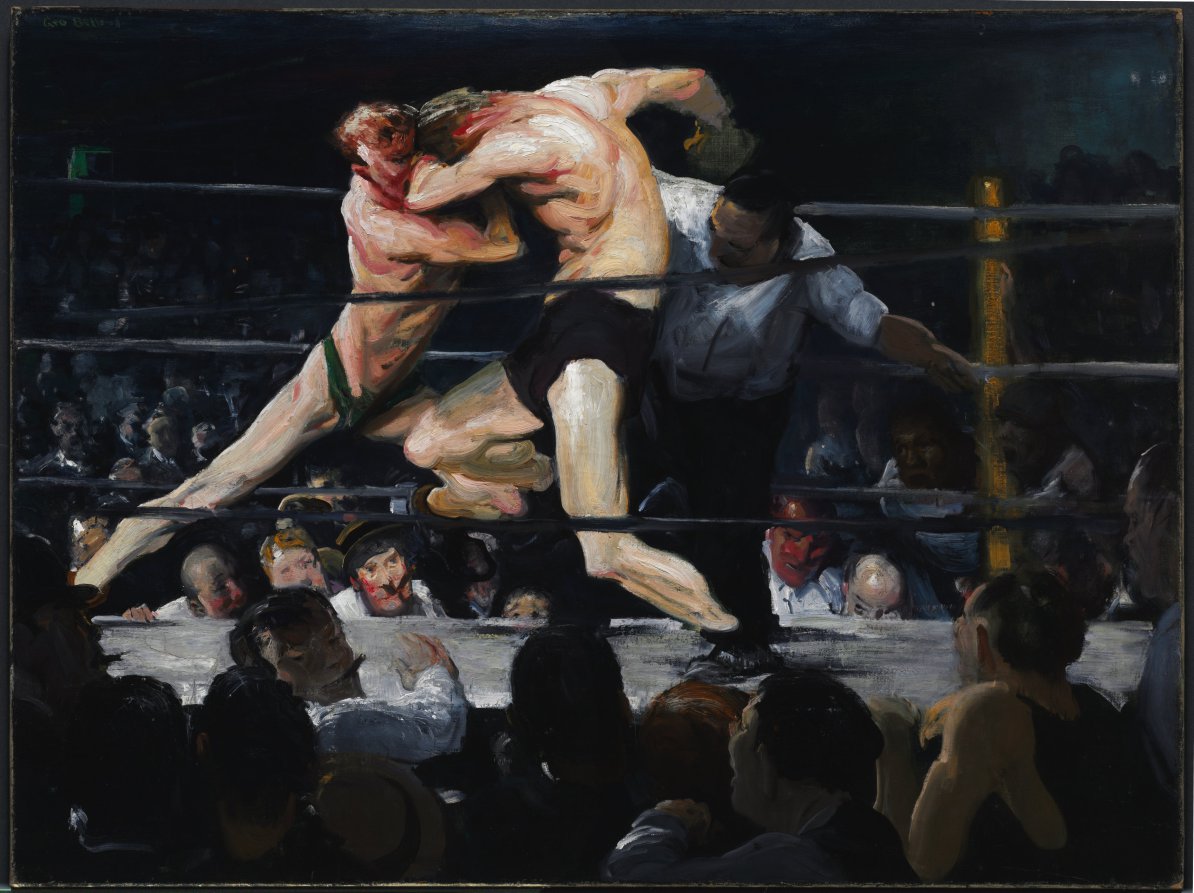
Stag at Sharkey's, George Bellows, 1909

George Bellows

Stag at Sharkey's, 1909

Twilight in the Wilderness, Frederic Edwin Church, 1860

Frederic Edwin Church

Twilight in the Wilderness, 1860

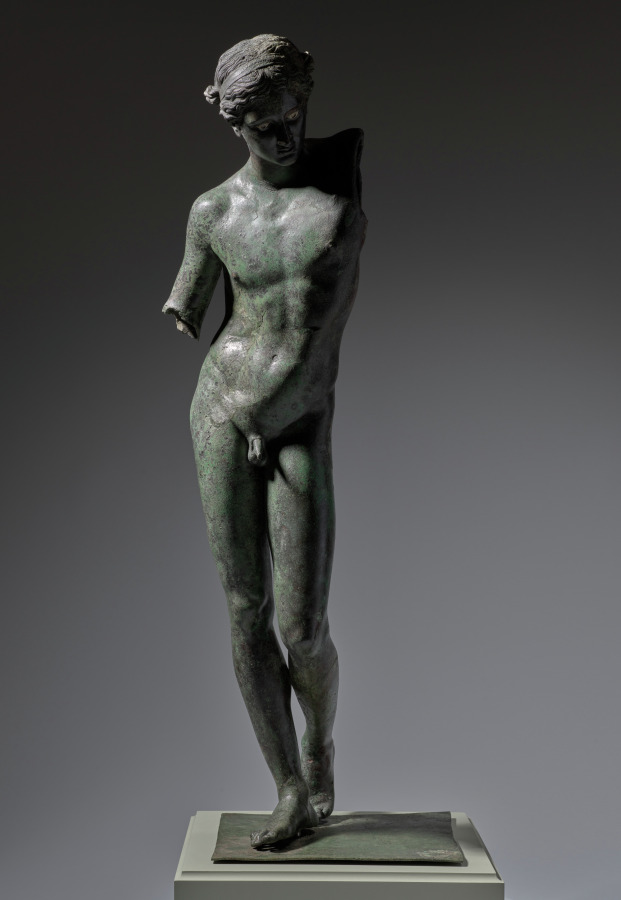
The Cleveland Apollo: Apollo Sauroktonos (Lizard-Slayer) or Apollo the Python-Slayer, Praxiteles, c. 350–200 BCE

Praxiteles

The Cleveland Apollo: Apollo Sauroktonos (Lizard-Slayer) or Apollo the Python-Slayer, c. 350–200 BCE