Ensor, JamesBelgien, 1860–1949
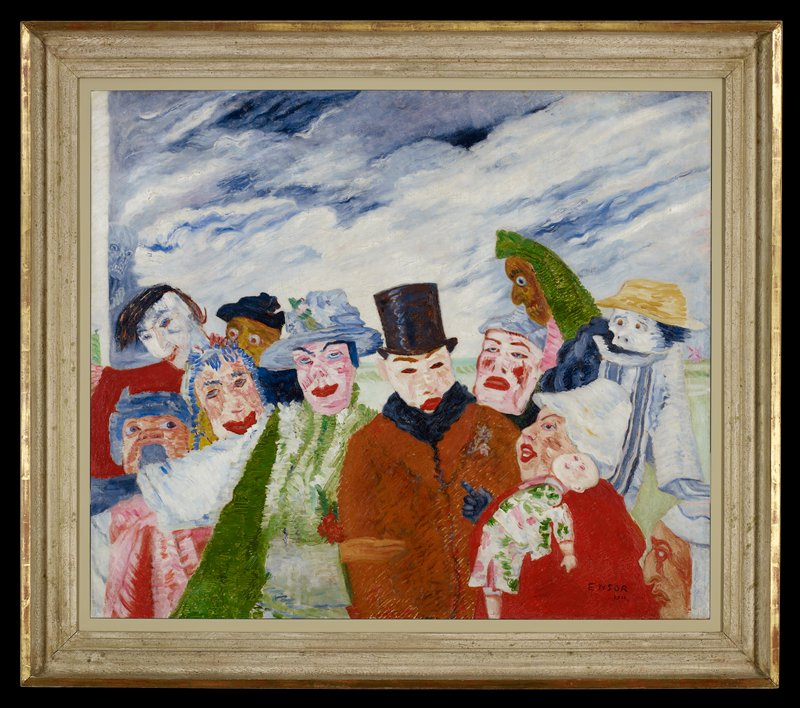
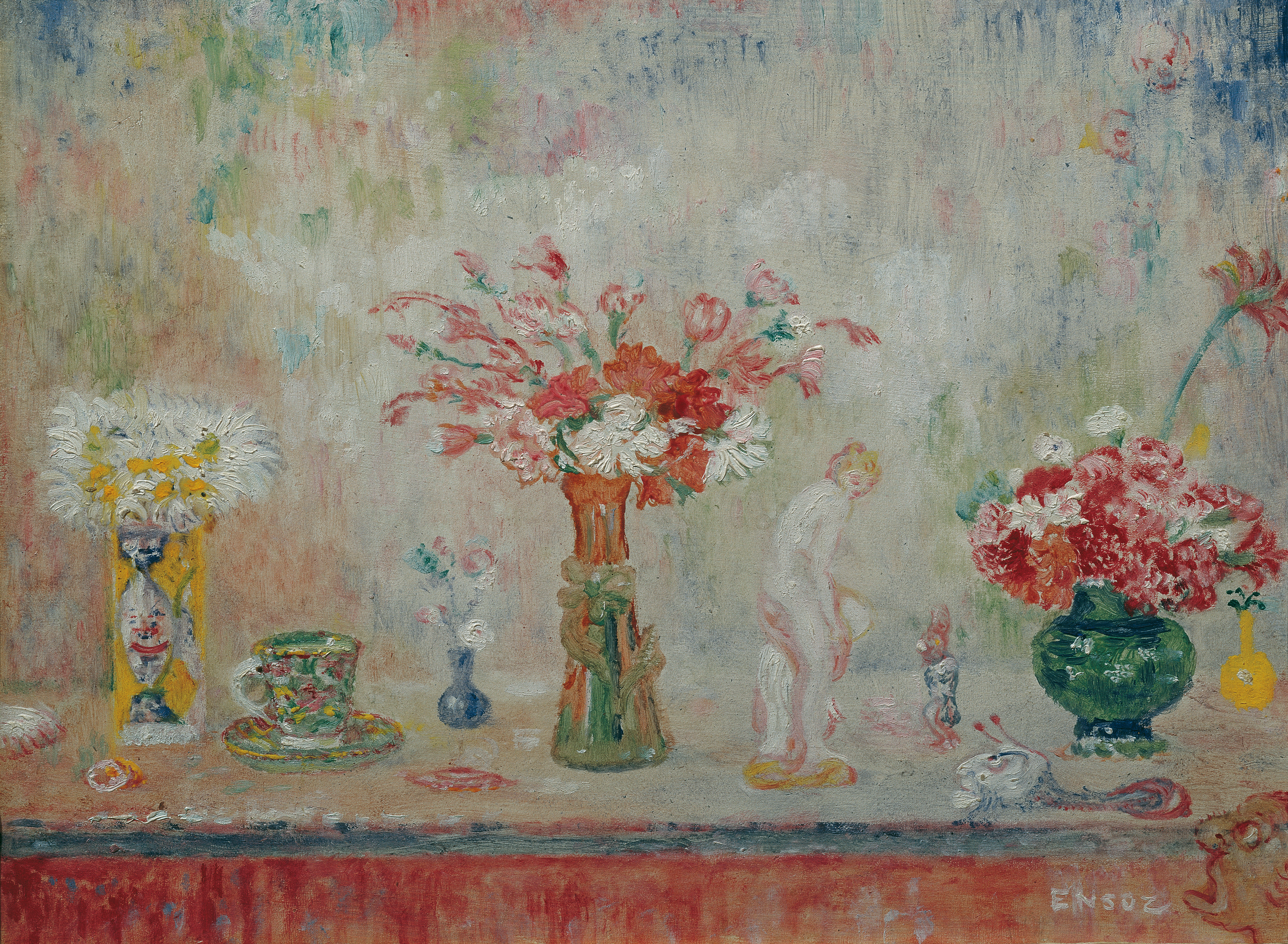
The Lady with Fan
Kan det ses?
Ukendt
Hvor er »The Lady with Fan« i dag? Samling: Royal Museum of Fine Arts Antwerp (KMSKA), Antwerp. Om det er udstillet i dag, er ukendt.
Antwerp, Belgien
Ejeren er kendt; om værket er udstillet i dag, vides ikke.
- Uændret siden
- Kilde
- Museet
Oplysninger
- Inventarnummer
- 2833
I kataloget
Kilder
- Wikidata
- Billede: Royal Museum of Fine Arts Antwerp (KMSKA) — James Ensor · CC0 · Wikimedia Commons
Imens i livet hos Ensor, James
Hele livet1860–1949 · Virkested
Ostend
1877–1880
Brussels friends and the Rousseau household
At the Academy Ensor befriended Willy Finch, Fernand Khnopff and Théo Hannon, and through Hannon met Ernest Rousseau, a professor at the Free University of Brussels, whose house drew the Brussels avant-garde to debate socialist and anarchist ideas. The lady of the house, Mariette Rousseau, became one of the few women close to him, though she kept him at a certain distance.
1880
A studio in the attic of his parents' house
Disappointed by the dry teaching, Ensor left the Brussels Academy — 'an establishment for the half-blind' — and returned to Ostend, where until 1917 he worked in the attic of his parents' house above his mother's souvenir shop. There he created all his key paintings of the 19th century — even the huge “Christ's Entry into Brussels”, which, under the low ceiling, he painted now kneeling, now standing on a chair.
1881
First exhibition, with La Chrysalide
Ensor first showed his work in public, with the Belgian avant-garde group La Chrysalide in Brussels.
1887
Death of his father
His father, James Frederic Ensor, died — a scion of a wealthy English family who never found his footing in Belgium, mocked by small-town Ostend as a drunkard and failure, yet always supportive of his son's passion for art. Left the only man in the family, James felt a special responsibility for his younger sister Mariette (Mitche).
1888–1892
Turning-point years: the Passion of Christ
Ensor turned to religious themes, most often the torments of Christ, expressing through them his disgust at the inhumanity of the world; an atheist, he identified with Christ as a victim of mockery. At the height of his creative powers, between 1886 and 1891, he made 86 of his 133 etchings.