ART WIKI32.979 udstillet
KortSamlingKunstnereMuseerUdstillingerJournal
Log ind

ART WIKI

Hvor mesterværket hænger, og hvornår man bliver lukket ind.

Samlinger: Art Institute of Chicago, Det Russiske Museum, Eremitagen, Getty Villa, Harvard Art Museums, Hirshhorn Museum and Sculpture Garden, J. Paul Getty Museum, Louvre, Metropolitan Museum of Art, Minneapolis Institute of Art, Museum of Modern Art, National Gallery of Art, National Museum of Asian Art, National Portrait Gallery (Smithsonian), Pusjkinmuseet, Rijksmuseum Amsterdam, Smithsonian American Art Museum, Statens Museum for Kunst, The Cleveland Museum of Art, Tretjakovgalleriet, Victoria and Albert Museum, Whitney Museum of American Art, Ruslands statskatalog over museumsfonden (274 museer), Europeana (19 museer), Wikidata (6 museer), Paris Musées (12 museer) og Joconde, det franske kulturministeriums museumsdatabase (495 museer). Billederne tilhører deres rettighedshavere.

Afsnit

  • Kort
  • Søgning
  • Samling
  • Mesterværker
  • Udstillet nu
  • Kunstnere

Mere

  • Museer & gallerier
  • Udstillinger
  • Journal
  • Hvor data kommer fra
  • Privatliv & cookies
ForsideKortKatalog
  1. Samling/
  2. The Cleveland Museum of Art/
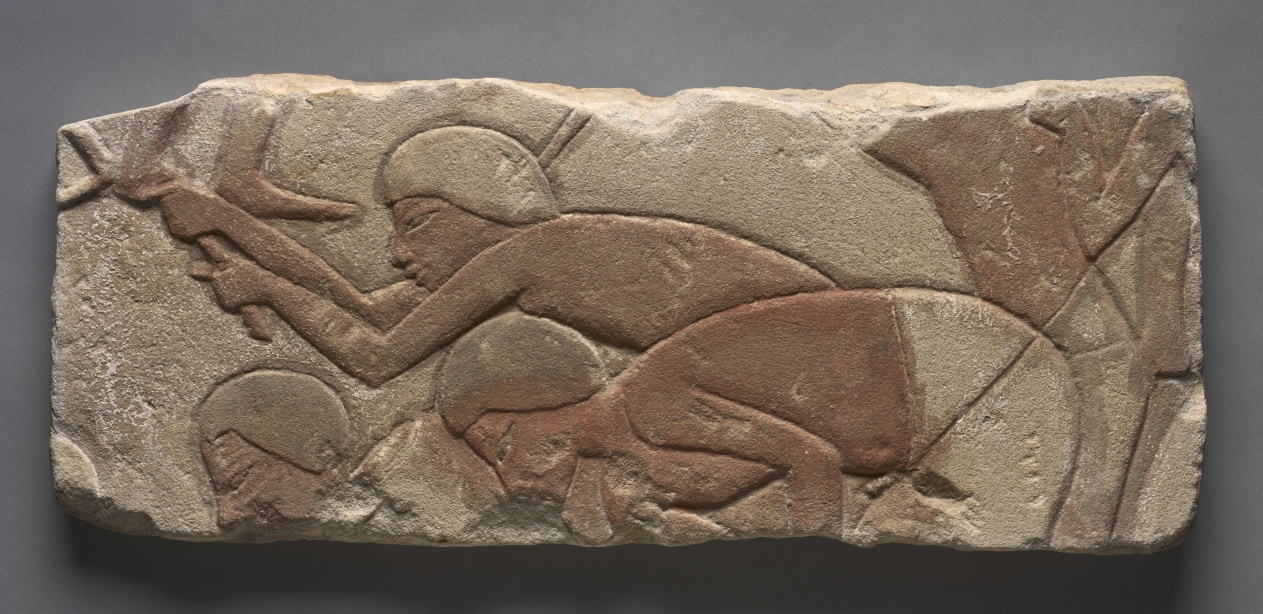
  3. Talatat: Men Hoeing the Earth
Talatat: Men Hoeing the Earth, c. 1353–1347 BCE

Talatat: Men Hoeing the Earth

c. 1353–1347 BCE · Sculpture

Må man se det?

Ja, det tager imod

The Cleveland Museum of Art

Cleveland, USA

Sal107 Egyptian

Udstillet for publikum. Hvem der står inde for det, står nedenfor.

Kontrolleret
for 3 dage siden
Uændret siden
19. aug. 2026
Kilde
Museet
På kortetMuseets side

Om skulpturen

In the early part of his reign, Amenhotep IV built an enormous temple to the sun disk (Aten) at the east end of the temple of Karnak. To expedite construction, sandstone was quarried in small, regularly sized, easily manageable blocks called talatat. Unlike the huge monoliths typically used in temple construction, talatat could be carried and moved into position by one man. Not all of the temple was built of stone, however. In this block, workmen are shown bent in toil. They once formed part of a panoramic scene depicting the production of mud bricks. The men are involved in the initial stages of this process: hacking up the earth and gathering the raw clay. It is very likely that this talatat represents a distinct historical event, undoubtedly connected with Amenhotep IV’s huge building enterprises at East Karnak.

The Cleveland Museum of Art

Oplysninger

Inventarnummer
1959.187

I samme sal · 107 Egyptian, The Cleveland Museum of Art

Museets side

I kataloget

SkulpturStenFør 1400Egypt, Karnak, New Kingdom (1540–1069 BCE), Dynasty 18, reign of Akhenaten (1351–1334 BCE)

Kilder

  • The Cleveland Museum of Art
  • Billede: The Cleveland Museum of Art — Museum open access
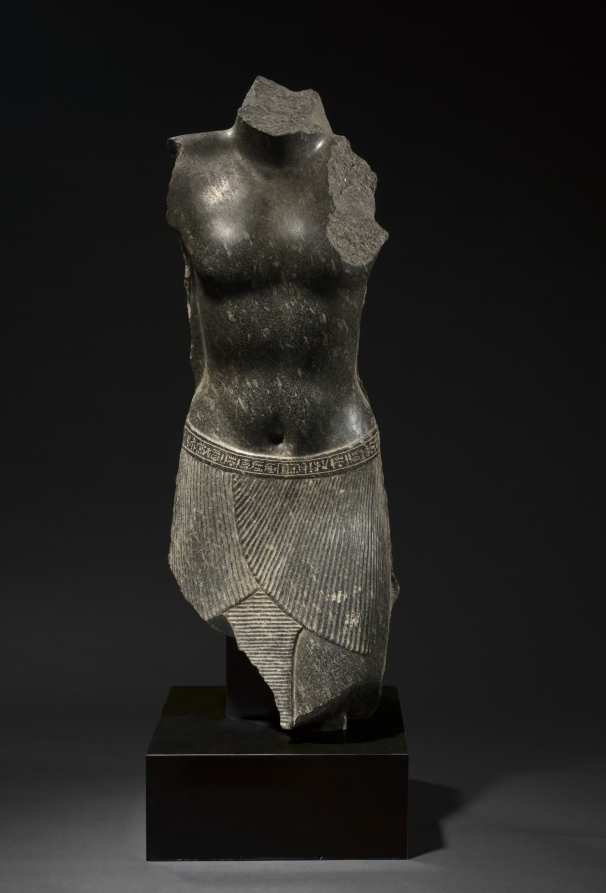
Torso of Amenpayom, probably 200–100 BCE

Torso of Amenpayom, probably 200–100 BCE

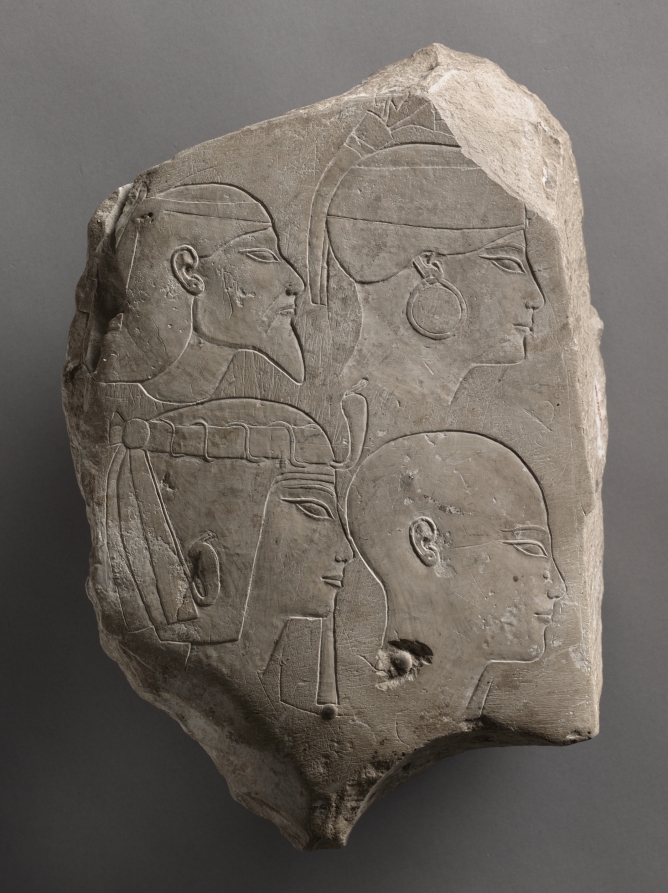
Trial Piece Worked on Both Sides, c. 1391–1353 BCE

Trial Piece Worked on Both Sides, c. 1391–1353 BCE

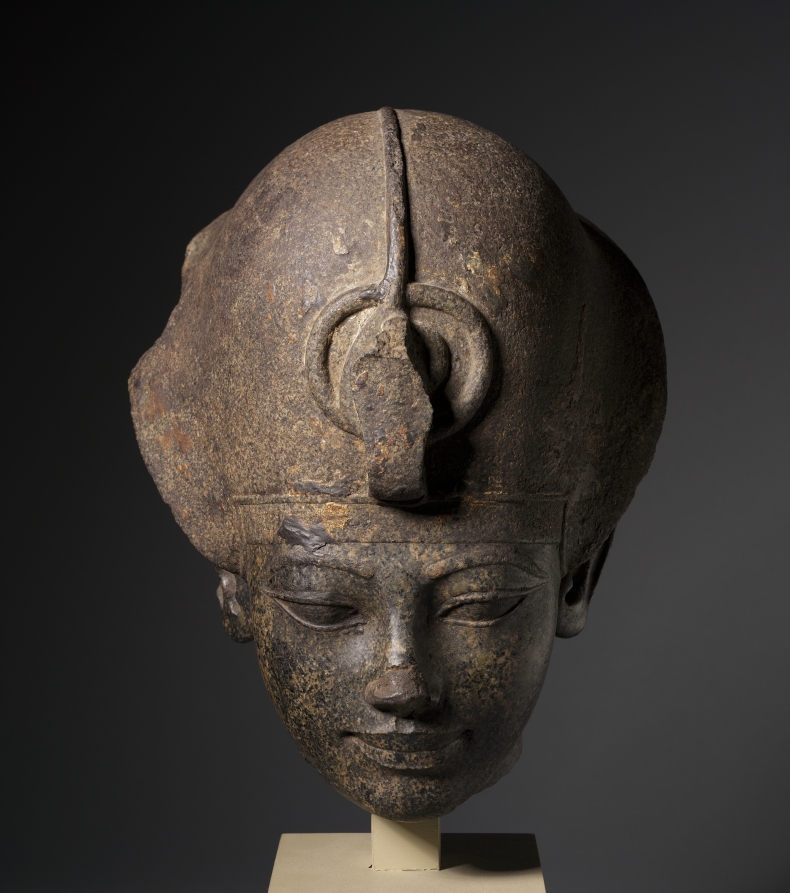
Head of Amenhotep III Wearing the Blue Crown, c. 1391–1353 BCE

Head of Amenhotep III Wearing the Blue Crown, c. 1391–1353 BCE

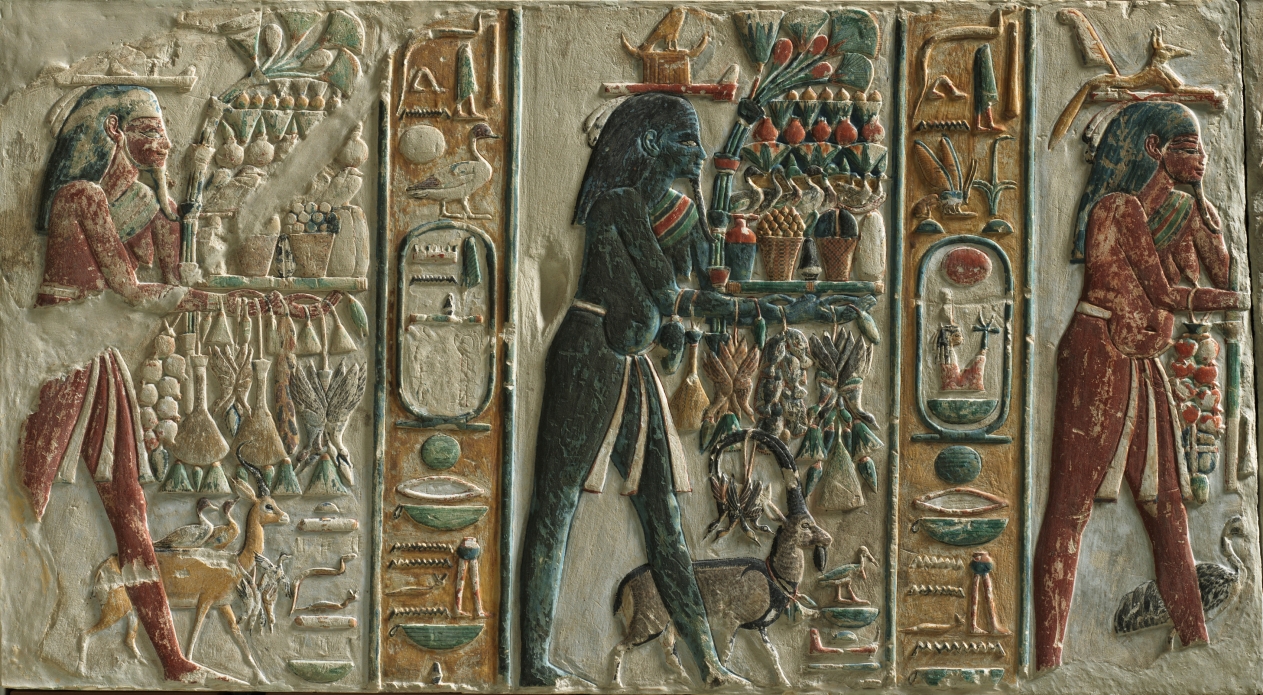
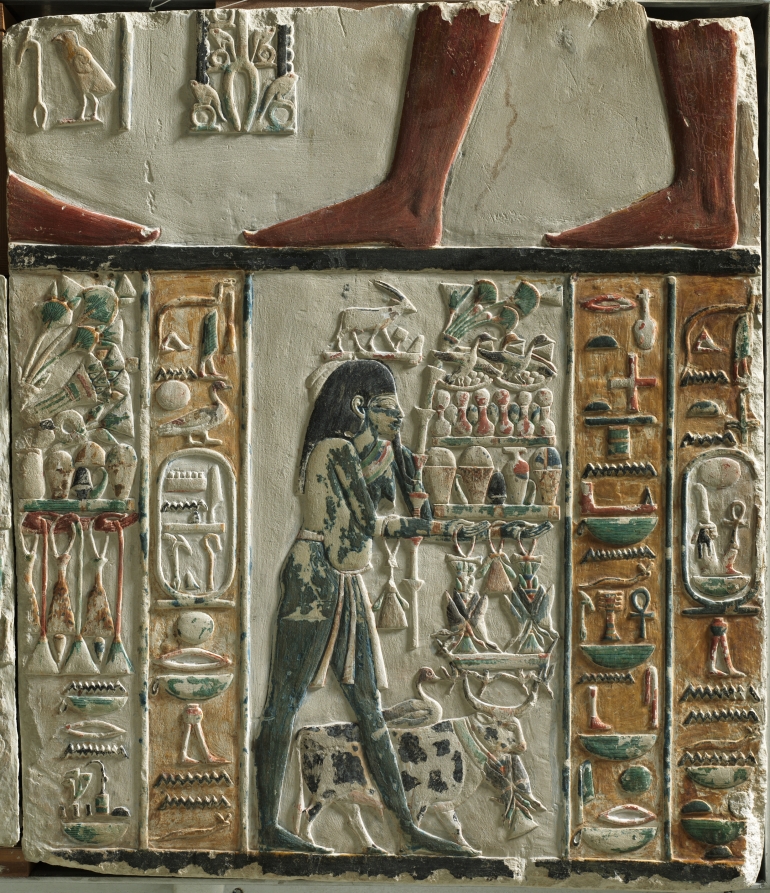
Nome Gods Bearing Offerings, c. 1391–1353 BCE

Nome Gods Bearing Offerings, c. 1391–1353 BCE

Nome Gods Bearing Offerings, c. 1391–1353 BCE

Nome Gods Bearing Offerings, c. 1391–1353 BCE

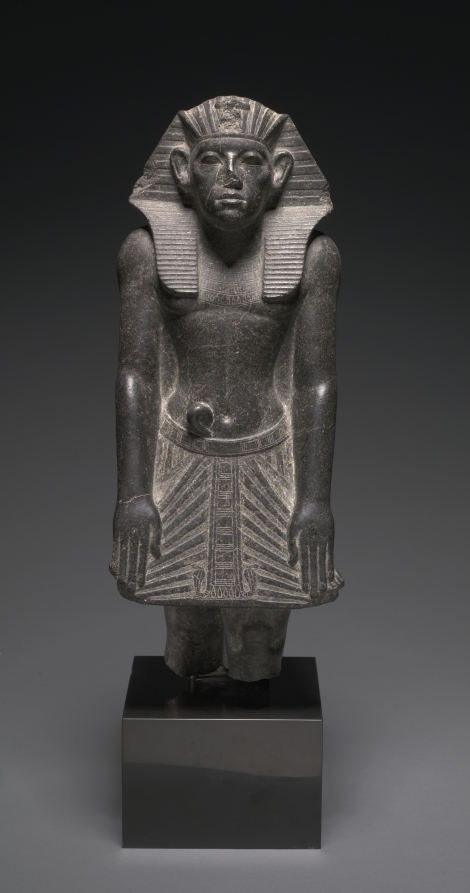
Statue of Amenemhat III, c. 1859–1814 BCE

Statue of Amenemhat III, c. 1859–1814 BCE

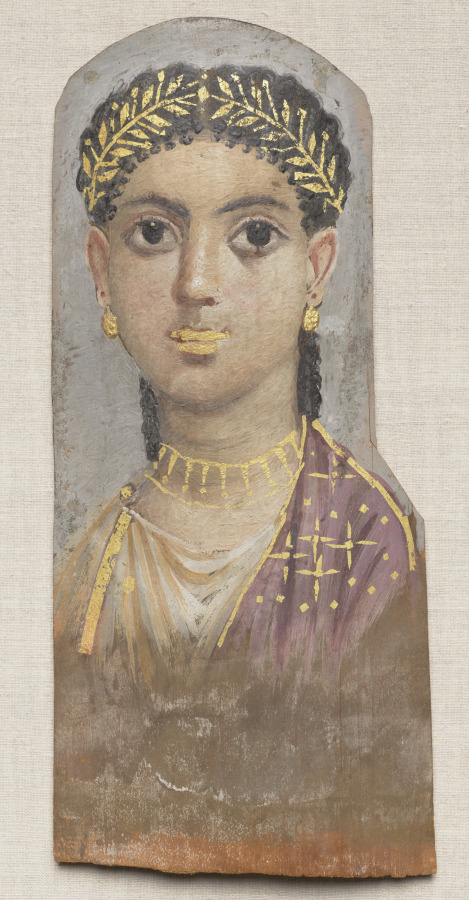
Funerary Portrait of a Young Girl, c. 25–37 CE

Funerary Portrait of a Young Girl, c. 25–37 CE

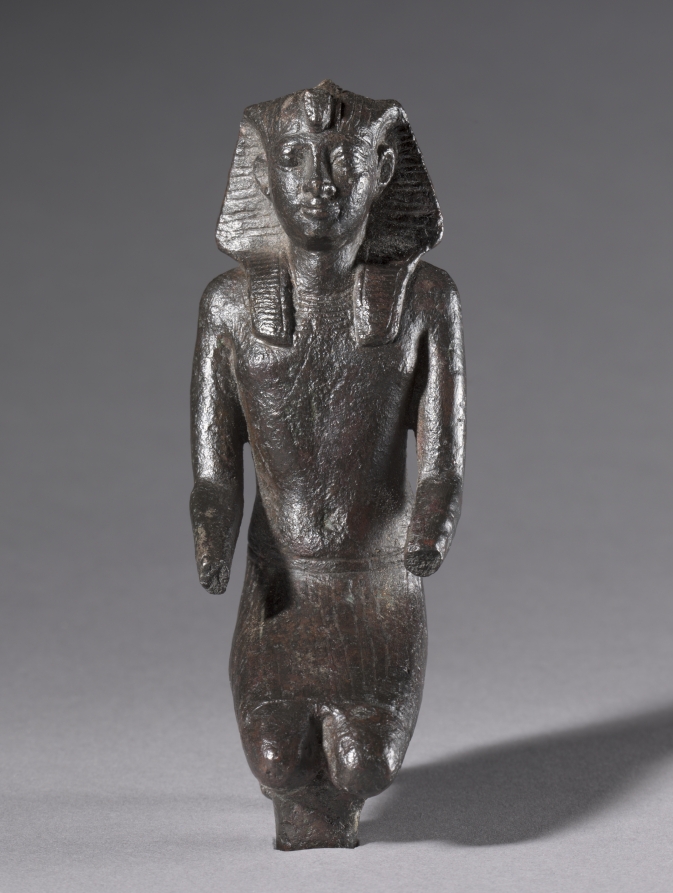
Statuette of Kneeling King, 304–30 BCE

Statuette of Kneeling King, 304–30 BCE