 Le CorbusierSchweiz, 1887–1965
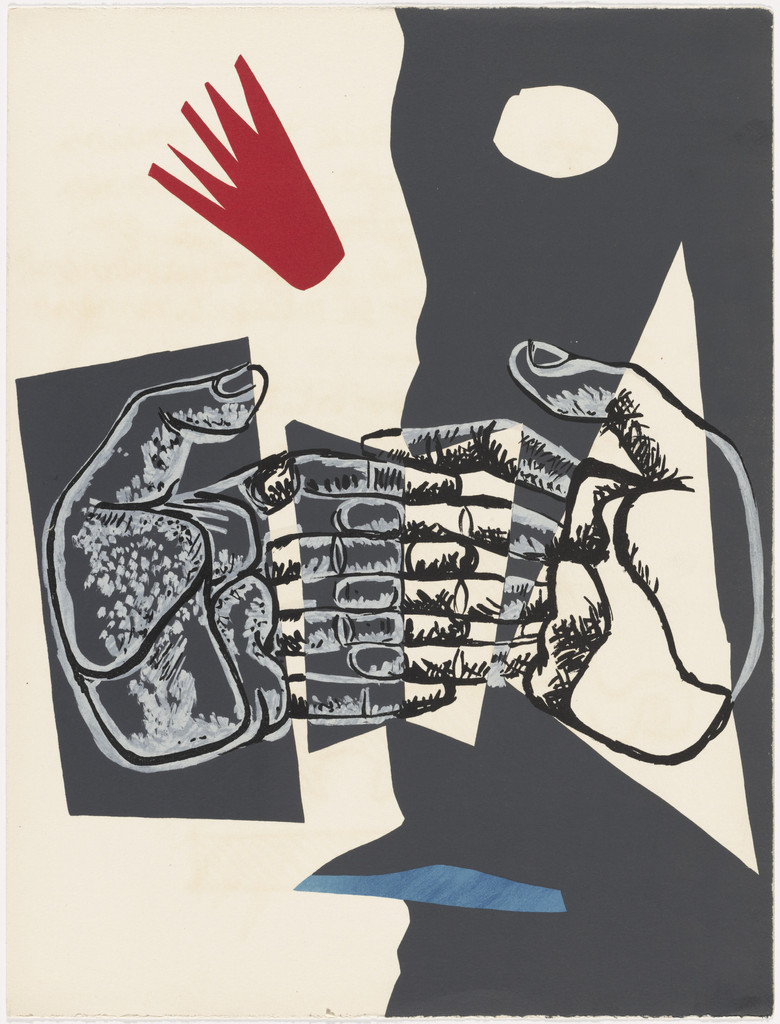
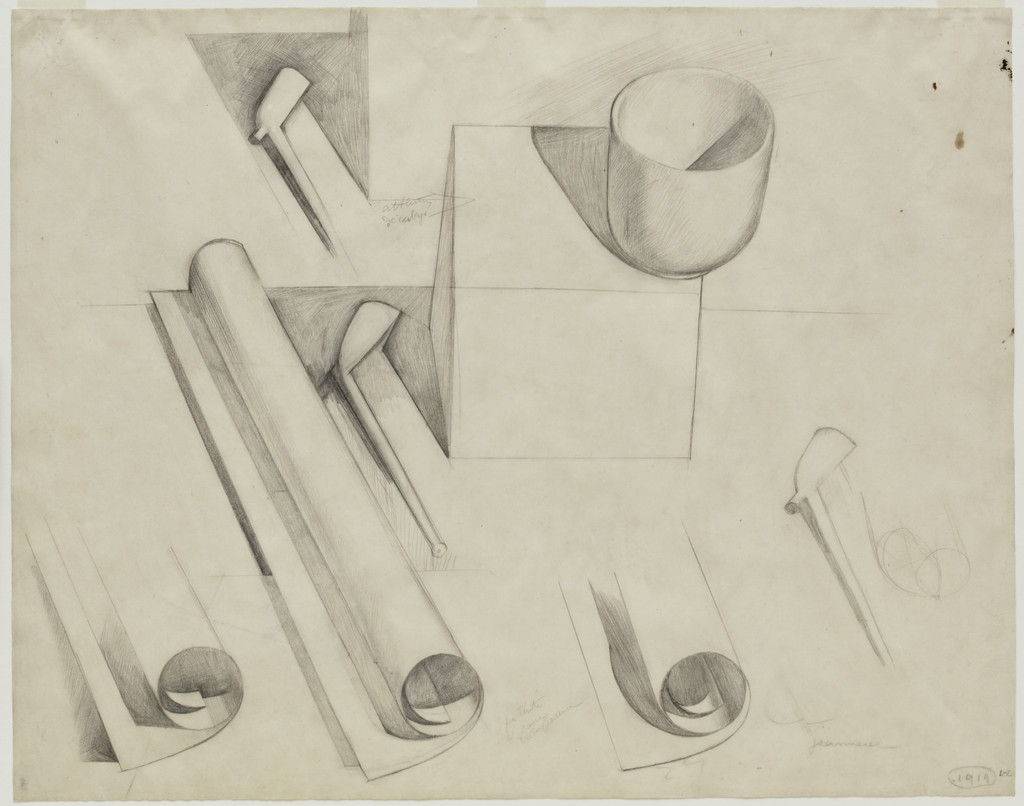
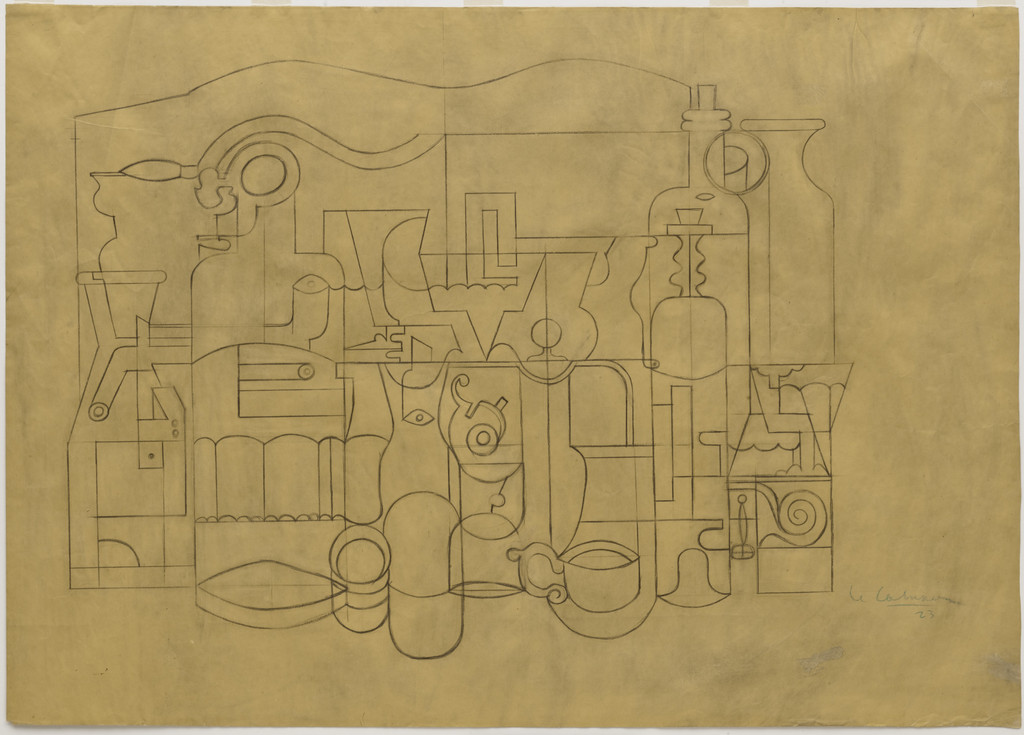
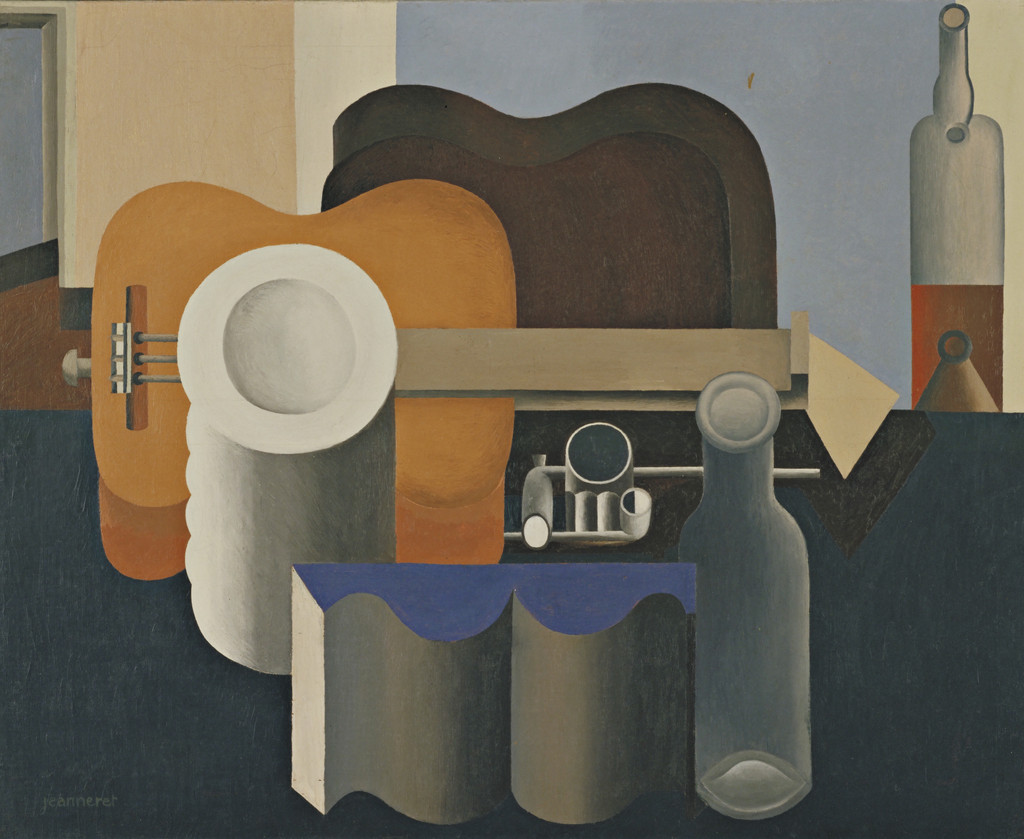
Still Life
Må man se det?
Tager ikke imod for tiden

Museum of Modern Art
New York City, USA
Det hører til samlingen, men er ikke udstillet for tiden.
- Kontrolleret
- Kilde
- Museets egne samlingsdata
Oplysninger
- Inventarnummer
- 261.1937
Kilder
- Museum of Modern Art: the museum's own open data · hentet for 13 dage siden
- Billede: Museum of Modern Art — © the artist or rights holder
Imens i livet hos Le Corbusier
Hele livet1918
The manifesto After Cubism: the birth of Purism
Ozenfant introduced Jeanneret to Georges Braque, Pablo Picasso, Juan Gris and Jacques Lipchitz, and painting became his second profession. Together they issued the manifesto After Cubism, calling for reality to be “purified” of the accidental in favour of ideal, pure forms, and staged joint “Purist” exhibitions.
1918
Meets Amédée Ozenfant
Jeanneret met the Cubist painter Amédée Ozenfant, in whom he recognised a kindred spirit. Ozenfant encouraged him to paint, and the two began a period of collaboration.
1920
Adopts the name Le Corbusier
In the first issue of L'Esprit Nouveau, Charles-Édouard Jeanneret signed himself Le Corbusier, an altered form of his maternal grandfather's name, Lecorbésier. The pseudonym reflected his belief that anyone could reinvent themselves.
1920
The magazine L'Esprit Nouveau
With financial backing from the Swiss businessman Raoul La Roche, Jeanneret and Ozenfant launched the art magazine L'Esprit Nouveau. Jeanneret ran its architecture section, where the first chapters of his book Towards an Architecture appeared.
1922
The Ville Contemporaine at the Salon d'Automne
At the Paris Salon d'Automne Le Corbusier presented his plan for the Ville Contemporaine, a city for three million people: identical towers among lower zigzag blocks and a large park. An imaginary city in an imaginary place, it did not attract the attention he had hoped for.
1922
Opens his own office with his cousin Pierre Jeanneret
Le Corbusier opened his own architectural office in Paris and took on his cousin Pierre Jeanneret, who became his permanent partner.