 Mary SullyUSA, 1896–1963
Steinmetz
Må man se det?
Tager ikke imod for tiden

Minneapolis Institute of Art
Minneapolis, USA
Det hører til samlingen, men er ikke udstillet for tiden.
- Kontrolleret
- i går
- Uændret siden
- 25. sep. 2026
- Kilde
- Museets egne samlingsdata
Om værket
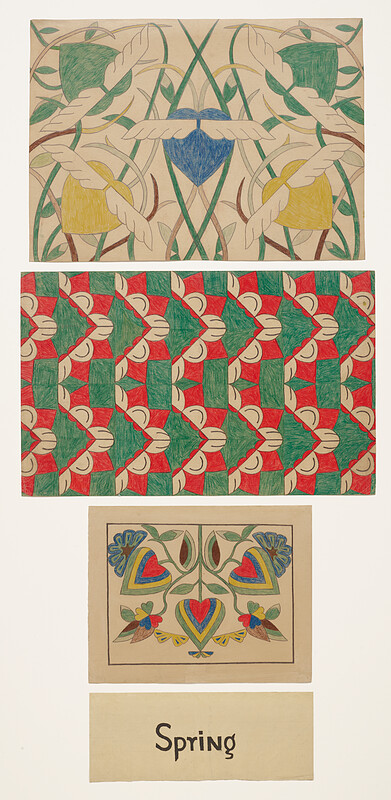
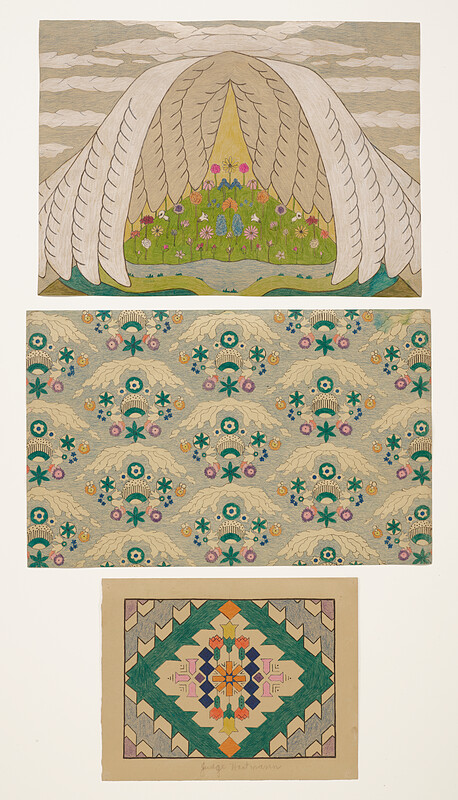
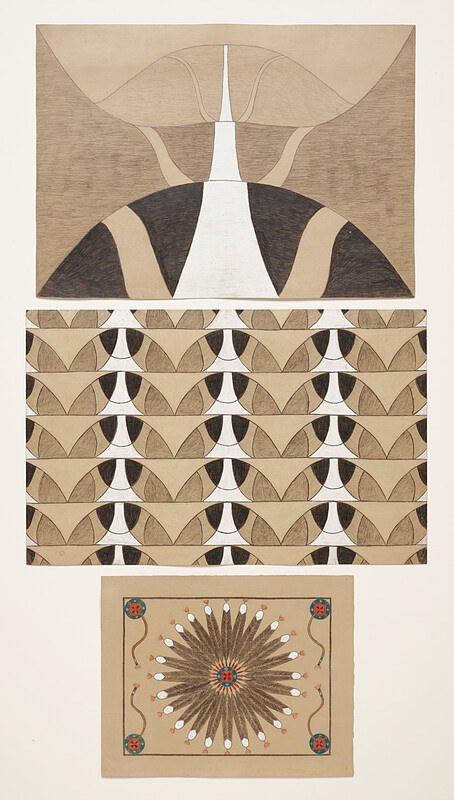
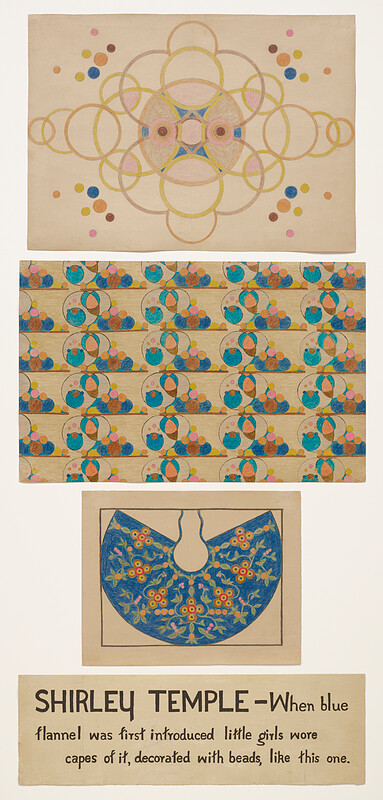
In the early half of the twentieth century, at a moment when modernism, abstraction, Art Nouveau-style designs, and Native American art established a place in fine art museums across America, Sully quietly began to revolutionize Native and American art by intentionally and carefully making connections between these seemingly unrelated genres, and, in doing so, perhaps unintentionally transformed the field of American art. Working without patronage, in near obscurity and largely self-taught, Sully produced over 130 intricately drawn and vividly colored three-panel ‘personality prints’ and several detailed drawings that captured the culture of her Dakota community and other Native nations; scenes she observed while living in New York City; and vignettes of popular culture of the 1920s and ‘30s.
Read on
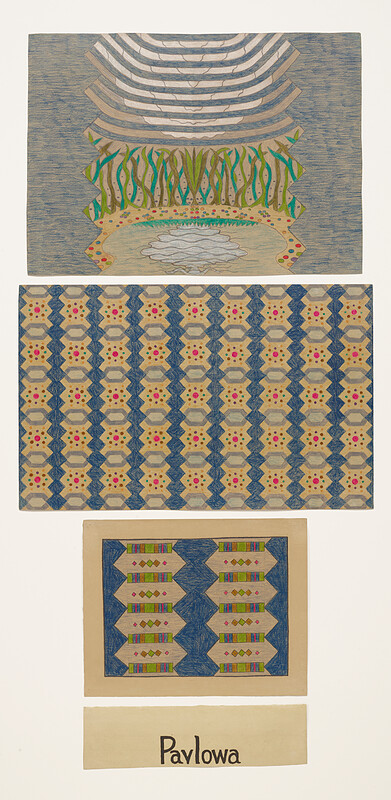
Anna Pavlova was one of the most celebrated ballerinas of the early 20th Century, most known for The Dying Swan, a solo performance choreographed for her. In this personality print, the distorted white dying swan appearing in the water takes flight into the tall green airy and graceful green grasses dancing on the page. White curved parallel lines - found in quilled and beaded blankets – appear at the top of the panel, perhaps signaling the swan’s ascension to heaven.
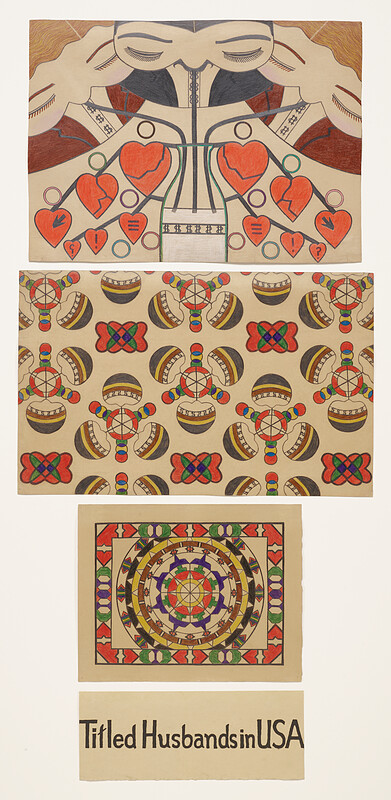
In addition to personality portraits, Sully created several works related to broader themes of the day. In Titled Husbands in the USA, the artist pokes fun at the glitter and celebrity of European noble men marrying wealthy American women. Three men suck from a milk bottle labeled with dollar signs, and broken straws extend from the sides of the milk bottle like broken wings. Attached to them are red hearts, all marked with the signs of rupture, and wedding bands. The middle panel extends the top panel design into kaleidoscope fashion, and the bottom panel further abstracts the composition into one that resembles both stain glass windows found in churches and those found in Lakota quilled and beaded hide robes.
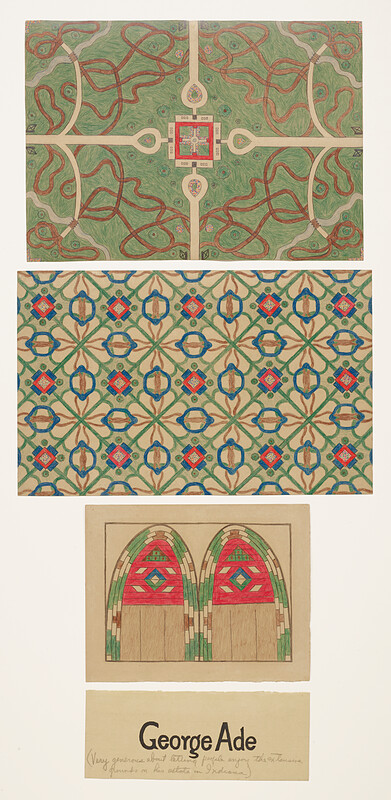
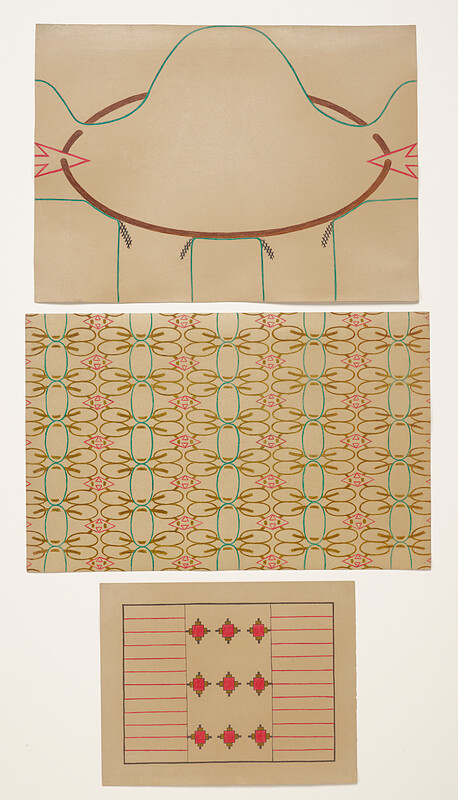
In this work, Sully depicts Charles Steinmetz, a celebrity scientist, founder of modern electrical engineering and discoverer of the Steinmetz Curve of electric alternating currents. Alternating blue energy waves and arrow-like cross currents appear, and these currents become more contained in the center panel. Red diamonds interconnect with the green ovals throughout, not unlike a circuit diagram. The bottom panel distills the visual information into a Dakota and Lakota patterning, perhaps referencing cosmological energy, featuring designs found on moccasins, blankets, clothing, and robes.
Minneapolis Institute of Art
Oplysninger
- Inventarnummer
- 2023.56.6
I kataloget
Kilder
- Minneapolis Institute of Art: the museum's own open data · hentet for 5 dage siden
- Billede: Minneapolis Institute of Art — © Minneapolis Institute of Art