 Constantin BrancusiRumænien, 1876–1957
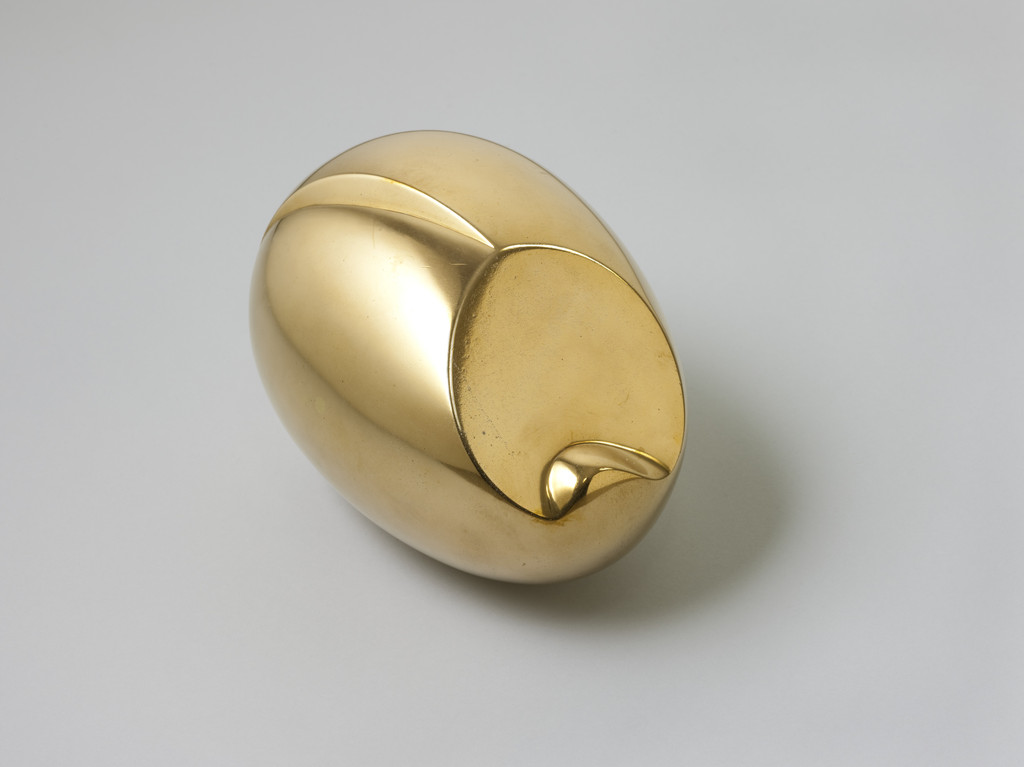
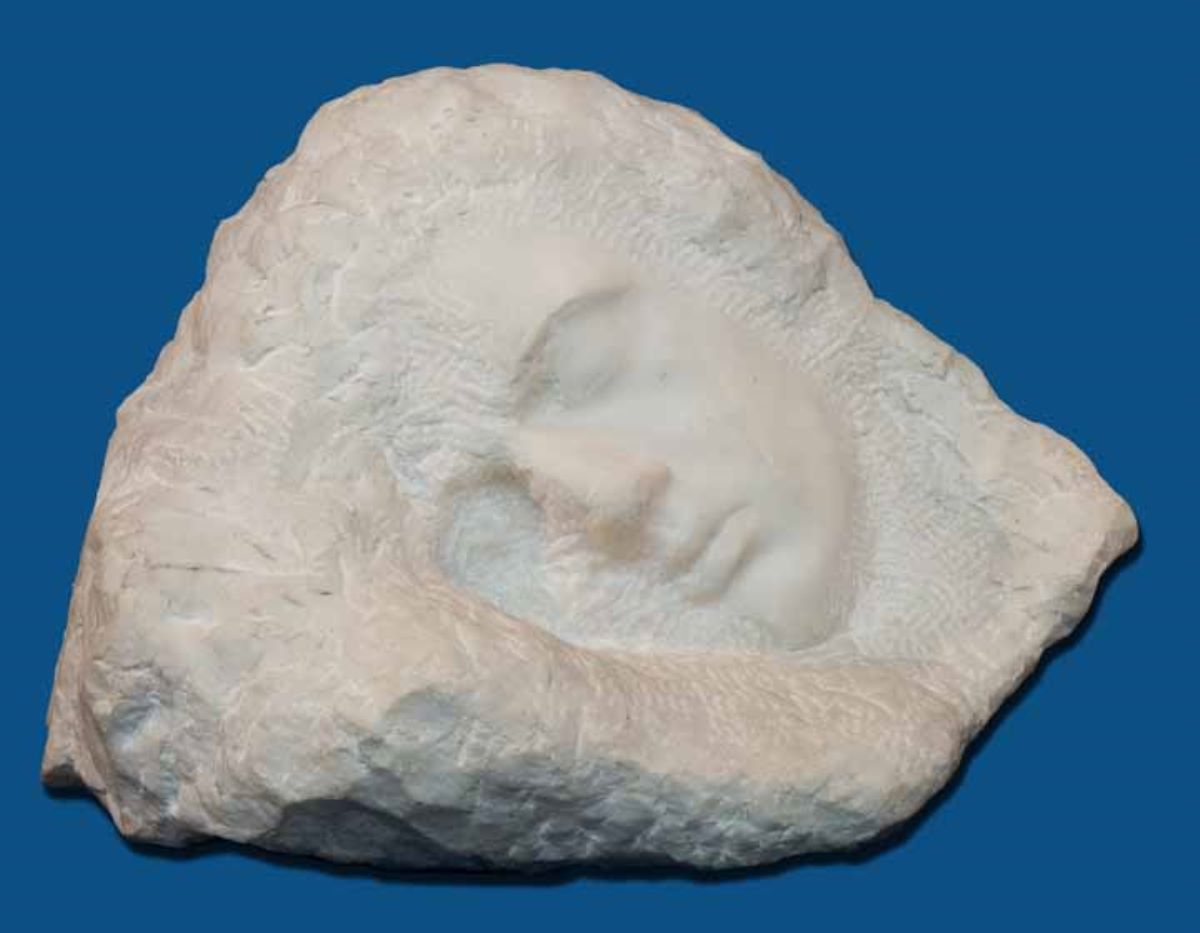
Somnul
Må man se det?
Ukendt: museet holder tæt

National Museum of Art of Romania
Bukarest, Rumænien
Ejeren er kendt. Om det er udstillet i dag, siger museet ikke, og at gætte har vi ikke lært.
- Uændret siden
- 27. sep. 2026
- Kilde
- Museets egne samlingsdata
About the sculpture
"Somnul" reprezinta capul unei femei dormind. in blocul de marmura trasaturile delicate sunt abia perceptibile emanand o mare sensibilitate. Se pare ca Brancusi a conceput o versiune in gips inca din 1906, fiind precedata de Adolescenta modelata in 1905 si Repaus din 1906. Aceasta sculptura in marmura a fost comandata de Anastase Simu un compatriot, pentru viitorul sau muzeu din Bucuresti.
National Museum of Art of Romania
Oplysninger
Kilder
- National Museum of Art of Romania: the museum's own open data · hentet for 5 dage siden
- Billede: National Museum of Art of Romania — CC BY-SA 4.0
Imens i livet hos Constantin Brancusi
Hele livet1906
His first Paris salons
In 1906 Brâncuși exhibits for the first time at the salon of the Société Nationale des Beaux-Arts and at the Salon d’Automne; his works include the plaster sculptures “L’Enfant” and “L’Orgueil”. At the following salon of the Société Nationale he shows “Le Supplice”, a portrait of Nicolae Dărăscu and two heads of children.
1907
The turn to direct carving in stone
In 1907 Brâncuși moves away from modelling in clay, the method used to prepare sculpture for casting, and begins carving stone directly, adding wood soon afterward; he continues to make plaster and bronze versions as well. The methods he learned in Romania remain present in his handling of tools and his sustained contact with the material.
March 1907
A brief stint with Rodin, and the break
In March 1907 Brâncuși begins working as an assistant to Auguste Rodin but stays in his studio for only a few weeks (other accounts say two months): he prefers to find his own path and sums up the decision with the words “Nothing grows in the shade of large trees.”
from 1908
His Paris circle: Léger, Duchamp, Rousseau, Apollinaire
From 1908 Brâncuși spends time with artists and writers working in Paris, including Amedeo Modigliani, Fernand Léger, Marcel Duchamp, Henri Rousseau, Guillaume Apollinaire, Alexander Archipenko and Henri Matisse. He also stays in touch with Romanians living in France — George Enescu, Theodor Pallady, Benjamin Fondane, Panait Istrati — speaks Romanian in his studio and welcomes visitors from Romania.
1909
Meeting Modigliani
In 1909 the collector Paul Alexandre introduces Brâncuși to Amedeo Modigliani; the two become friends, and the Italian draws his portrait in black and red pencil that year. From 1909 to 1914 Modigliani works chiefly in sculpture, and his elongated limestone heads, with simplified forms and polished surfaces, are related to Brâncuși’s sculpture.
1910s
“Mobile groups”: rearranging the sculptures
During the 1910s Brâncuși arranges sculptures and pedestals in changing compositions that he calls “mobile groups”: he moves the works and watches how each change alters the space around them. When he sells a sculpture he often puts a plaster version in the same position, and by the 1920s the studio is also an exhibition space whose arrangement forms part of the work.