 Constantin BrancusiRumænien, 1876–1957
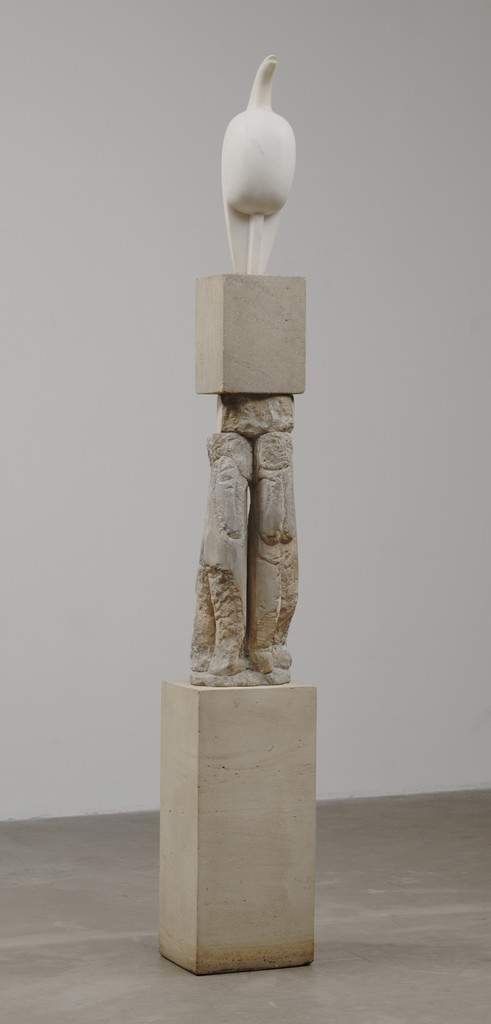
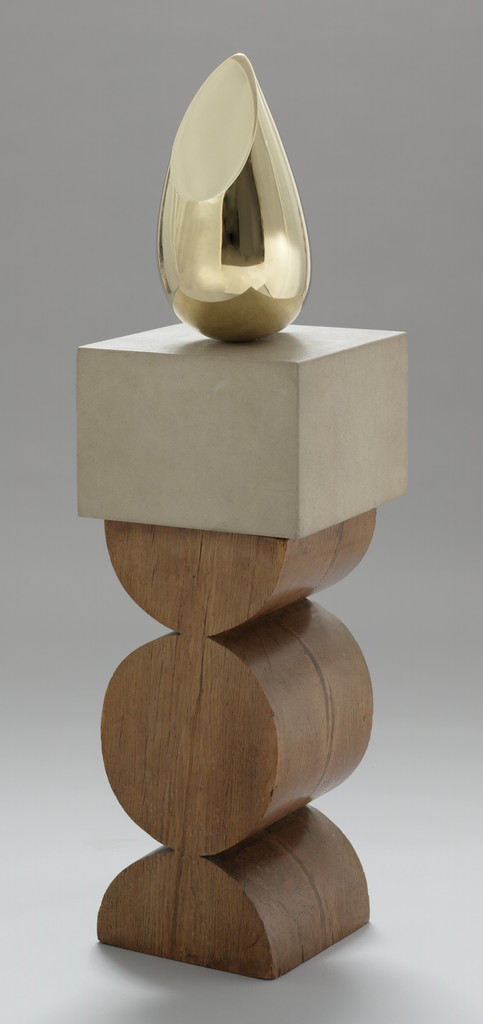
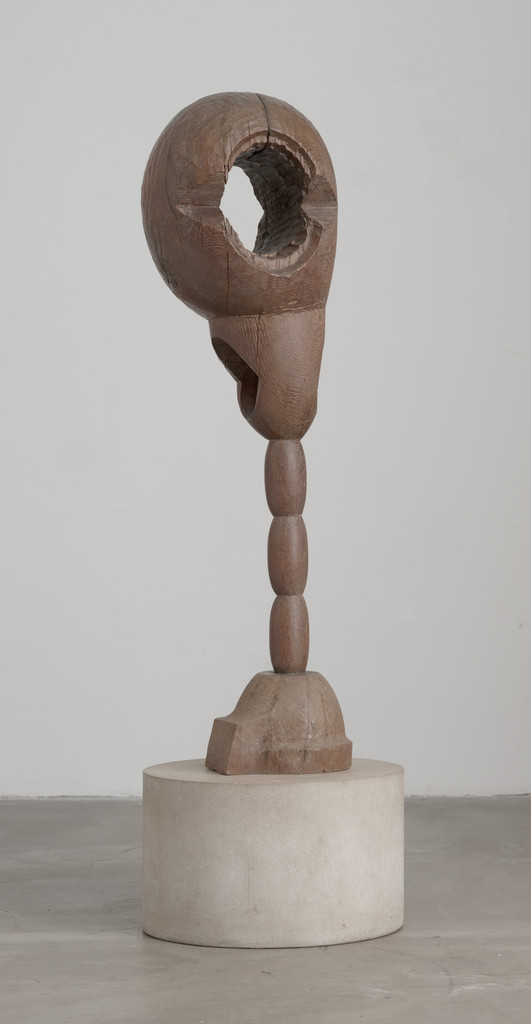
Socrates
Må man se det?
Ja, det tager imod

Museum of Modern Art
SalMoMA, Floor 5, 508New York City, USA
Udstillet for publikum. Hvem der står inde for det, står nedenfor.
- Kontrolleret
- for 12 dage siden
- Kilde
- Museets egne samlingsdata
Oplysninger
- Inventarnummer
- 187.1956
Kilder
- Museum of Modern Art: the museum's own open data · hentet for 12 dage siden
- Billede: Museum of Modern Art — © the artist or rights holder
Imens i livet hos Constantin Brancusi
Hele livetJanuary 1920
“Princess X” excluded from the Salon des Indépendants
In January 1920 the organizers of the Salon des Indépendants exclude “Princess X” (1915–1916) because they regard its shape as phallic. Fernand Léger and other friends of Brâncuși protest, the sculpture is returned to the exhibition, and the dispute leads to the manifesto “Pour l’indépendance de l’art”, signed by more than seventy artists and writers; Erik Satie signed the protest petition on 25 February 1920.
26 May 1920
The Dada festival: a manifesto with Léger
Brâncuși is friends with Tristan Tzara, Francis Picabia and Duchamp but does not join the Dada movement, merely attending its readings and performances; on 26 May 1920 he takes part in the Dada festival in Paris and signs the manifesto “Contre cubisme, contre dadaïsme” with Léger.
1921
Man Ray and the darkroom
Brâncuși, who has photographed his work since the 1910s, meets Man Ray in 1921, who helps him buy equipment, set up a darkroom and improve his developing methods. He photographs the sculptures under changing light, alters his framing and documents the relationships between the works and the surrounding space; he also films his studio and sculptures mounted on rotating bases.
September 1921
A Brâncuși issue of “The Little Review”
In September 1921 the American magazine “The Little Review” publishes an issue devoted to Brâncuși, with an essay by Ezra Pound and 24 photographic plates showing sculptures and views of the studio.
1923
The Order of the Star of Romania from King Ferdinand I
In 1923 King Ferdinand I awards Brâncuși the Order of the Star of Romania.
after 1924
Duchamp and Roché buy 29 of Quinn’s sculptures
After John Quinn’s death in 1924, Duchamp and Henri-Pierre Roché buy 29 sculptures from his estate at Brâncuși’s request: the sculptor fears that selling all the works at once would lower their prices, and the friends offer them gradually to other collectors. Shortly before, in October 1923, Quinn had spent about two weeks in Paris and visited Brâncuși.