 David Le Marchand1674–1726
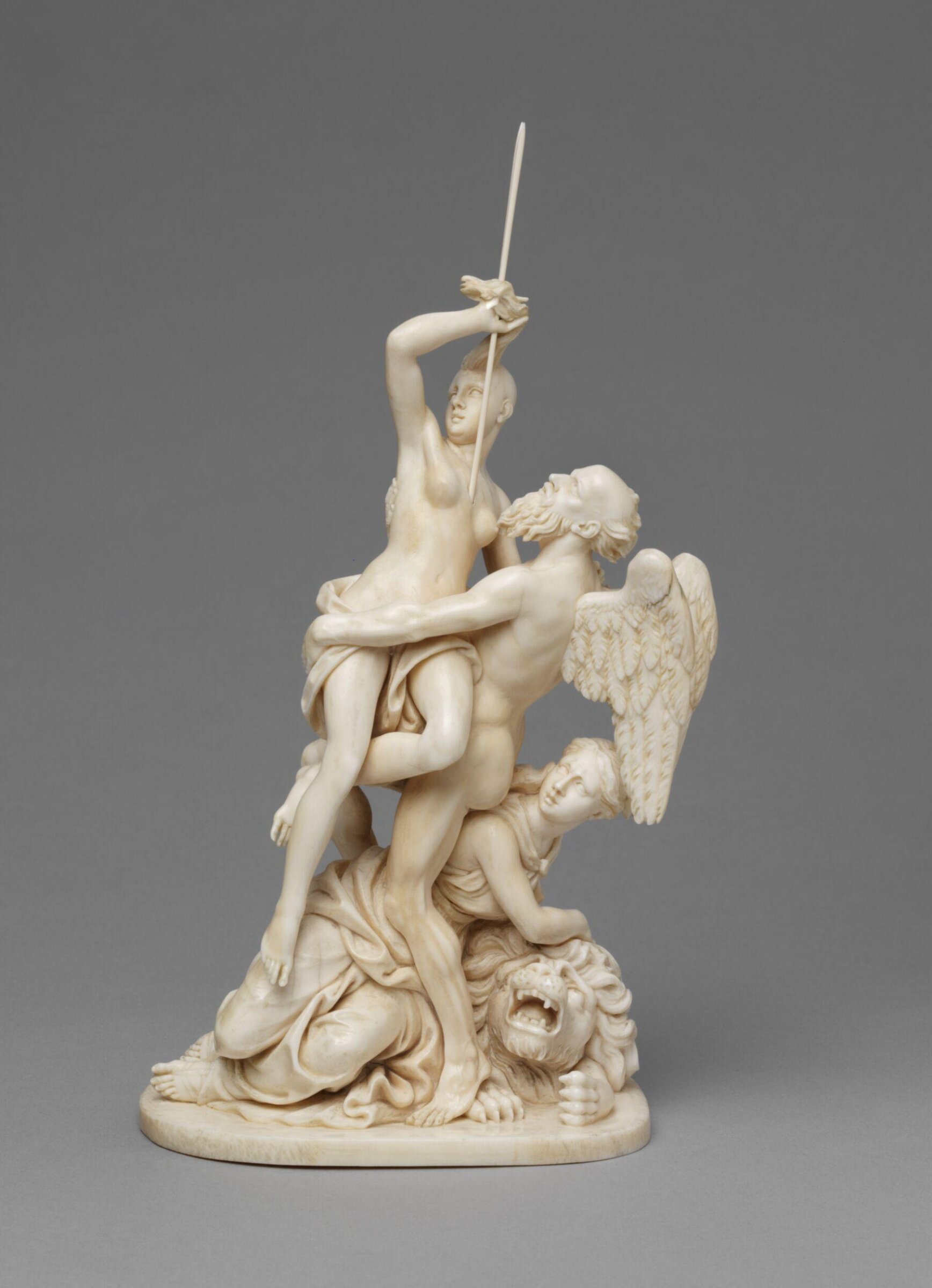
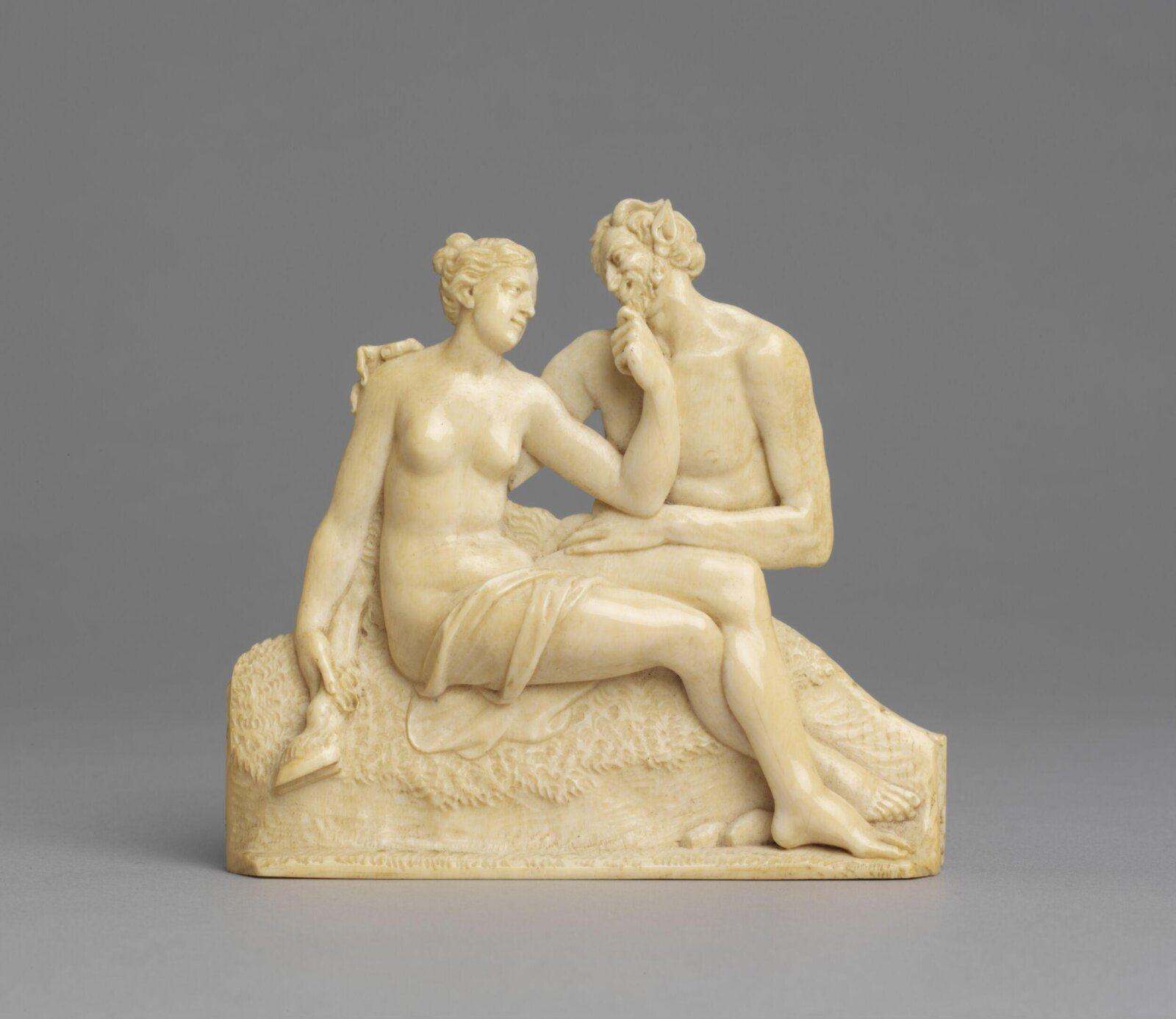
Satyr and Nymph
Må man se det?
Ja, det tager imod

Udstillet for publikum. Hvem der står inde for det, står nedenfor.
- Kontrolleret
- Uændret siden
- Kilde
- Museets egne samlingsdata
Om skulpturen
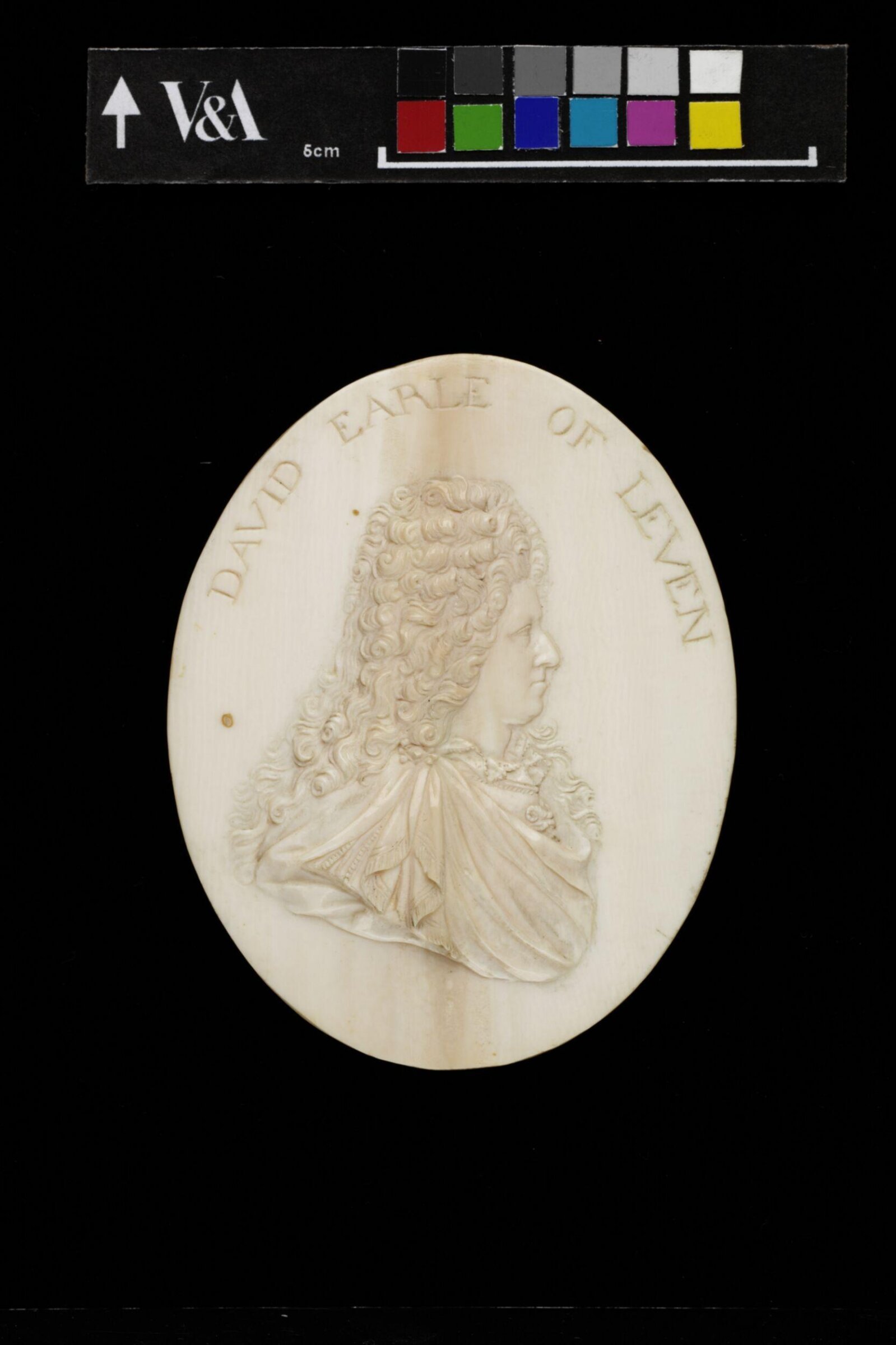
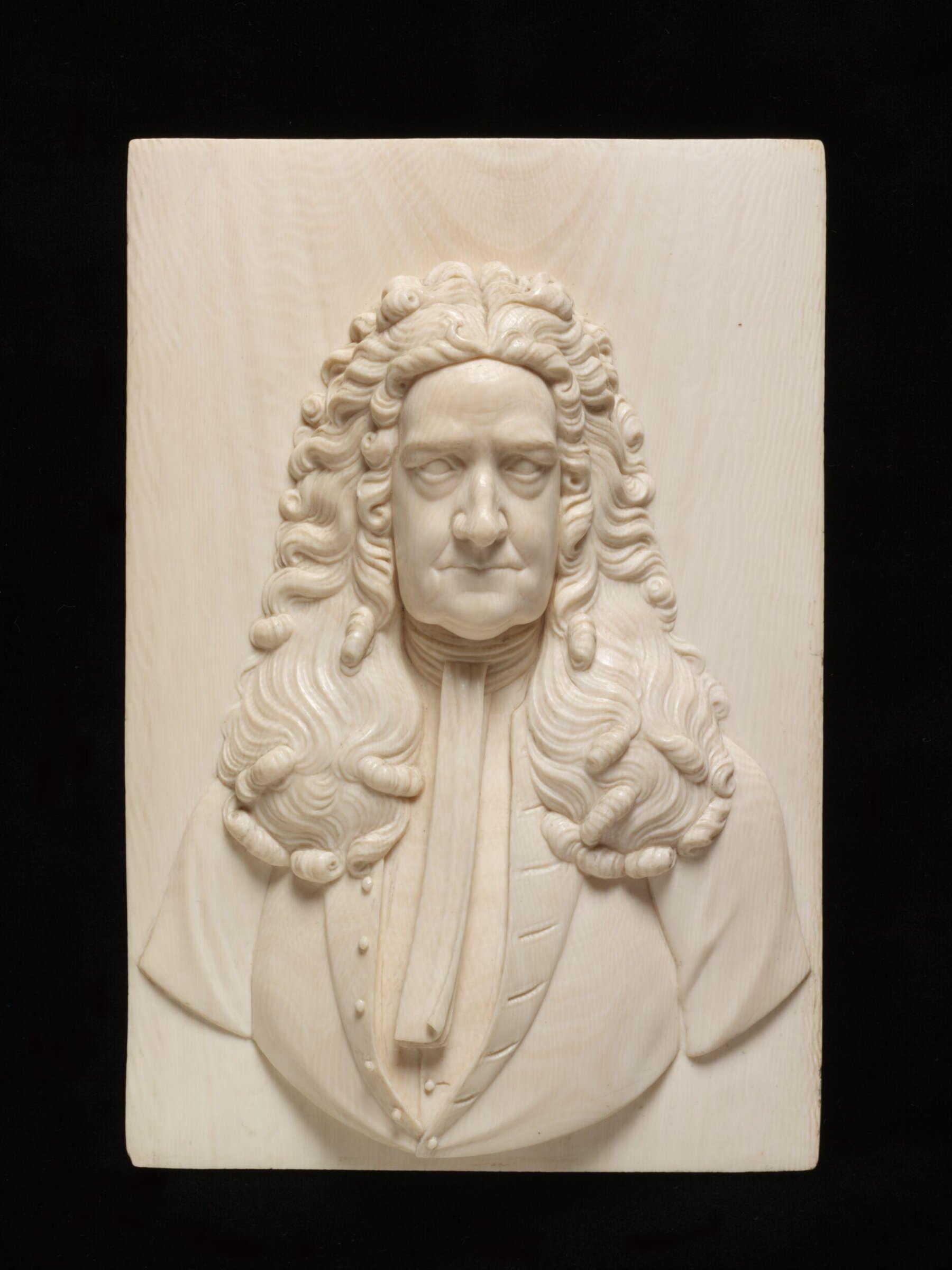
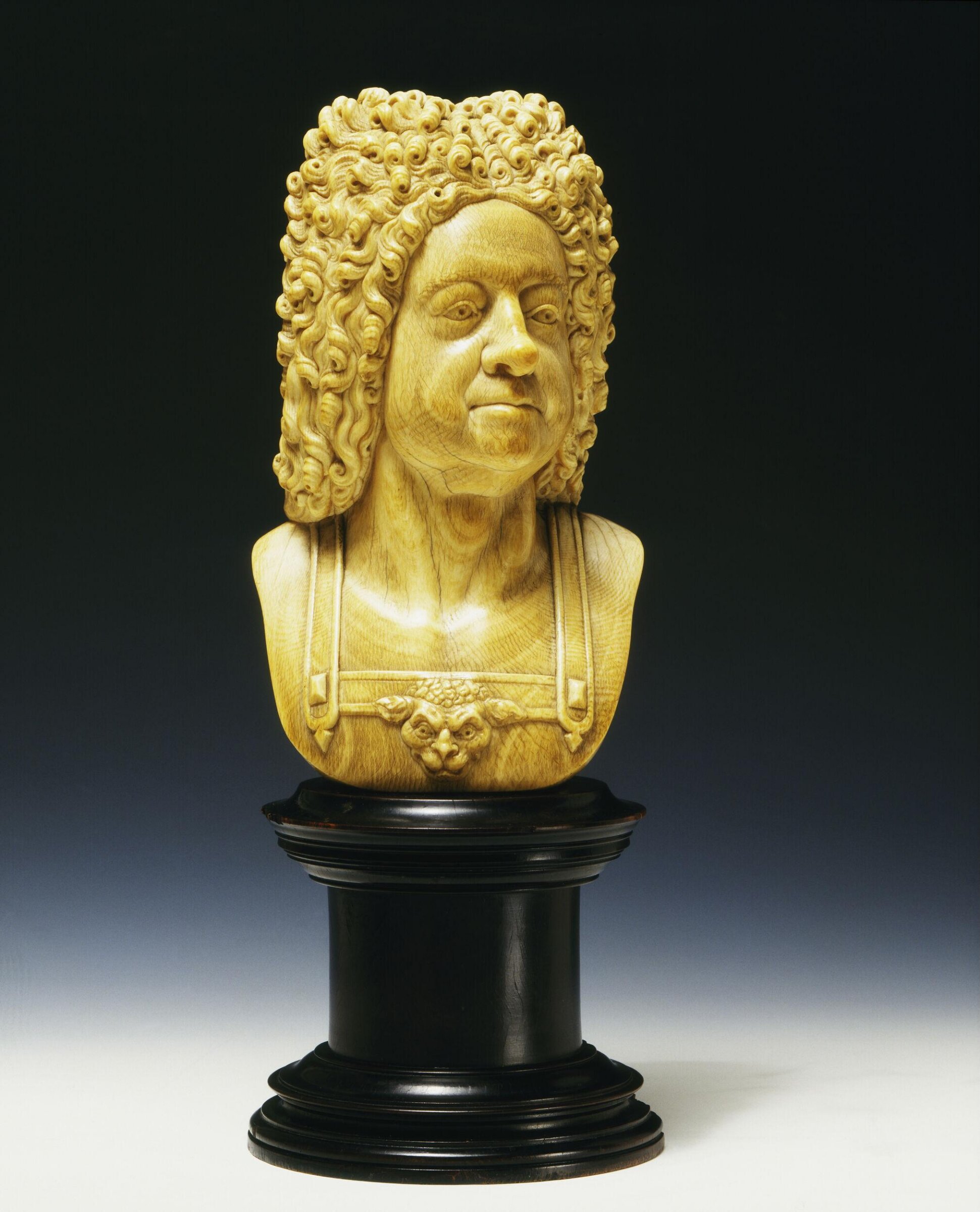
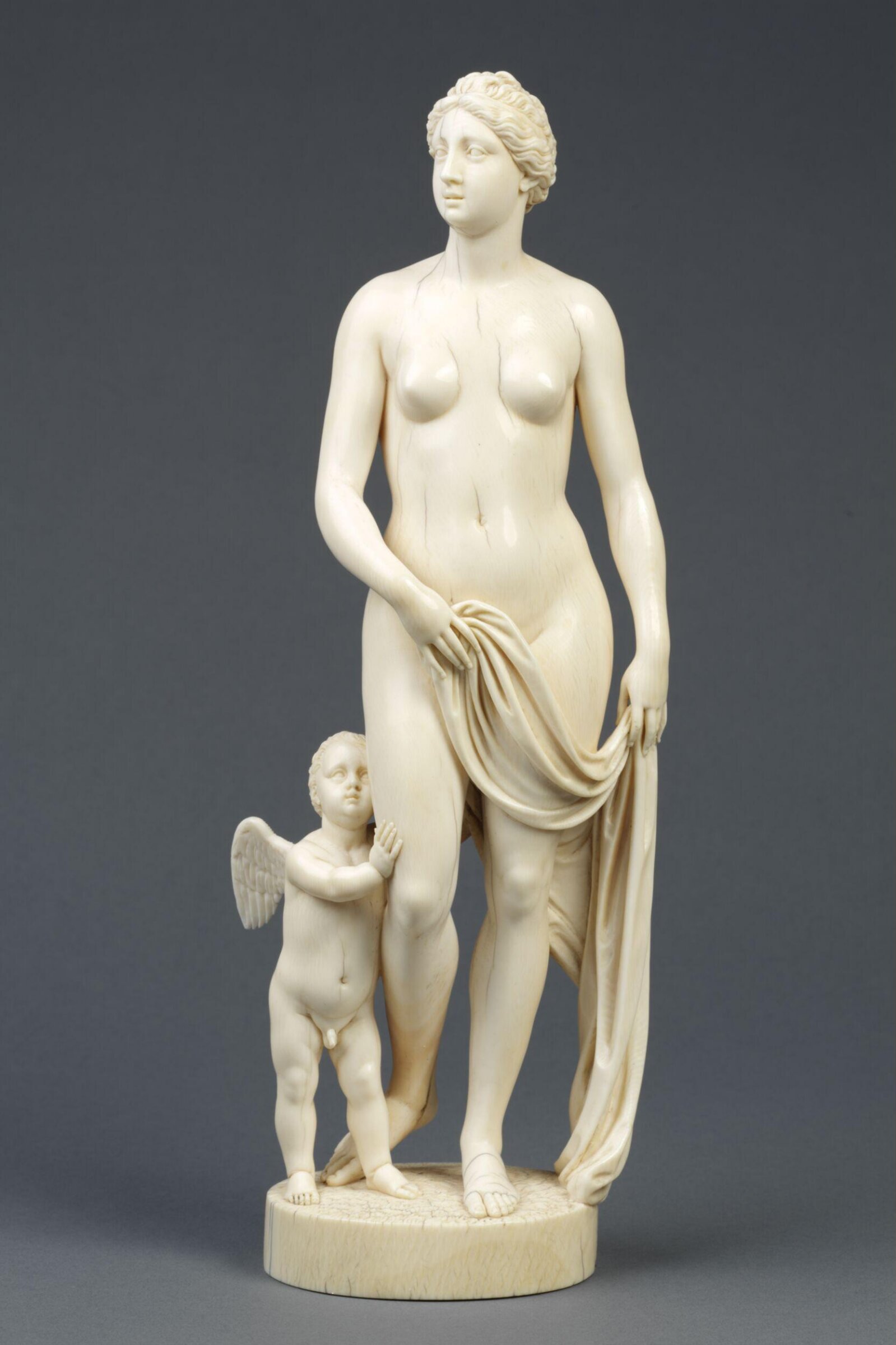
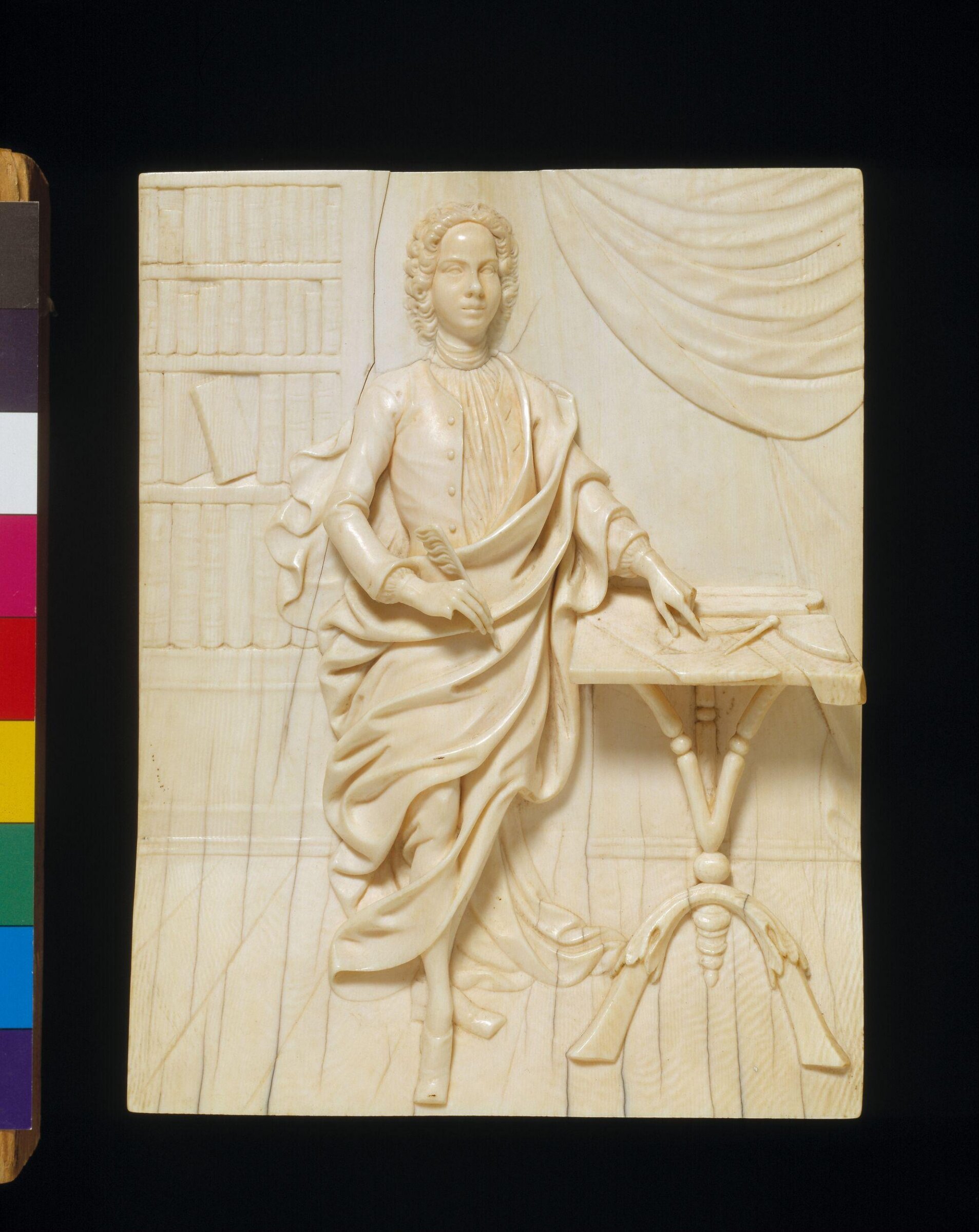
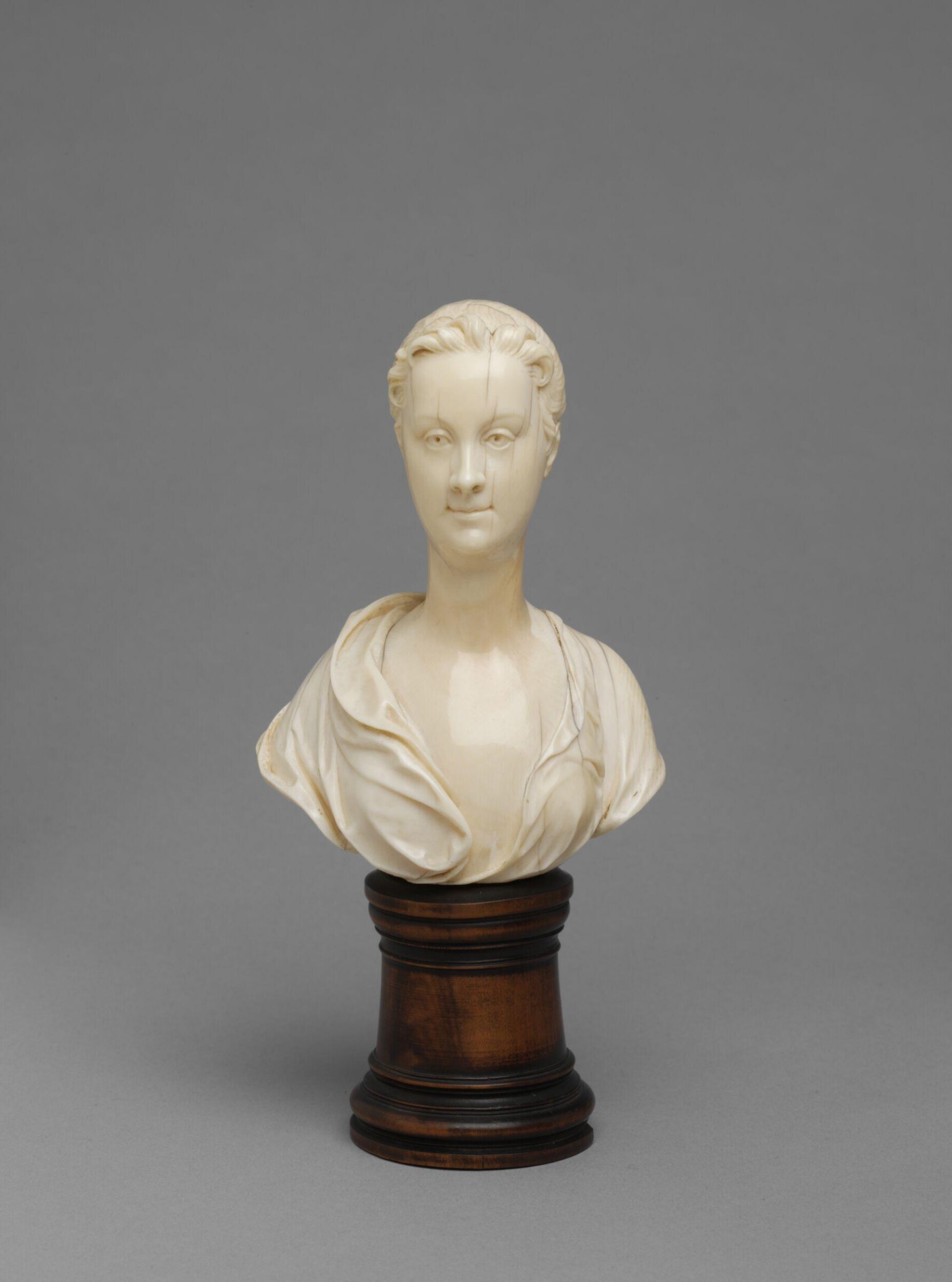
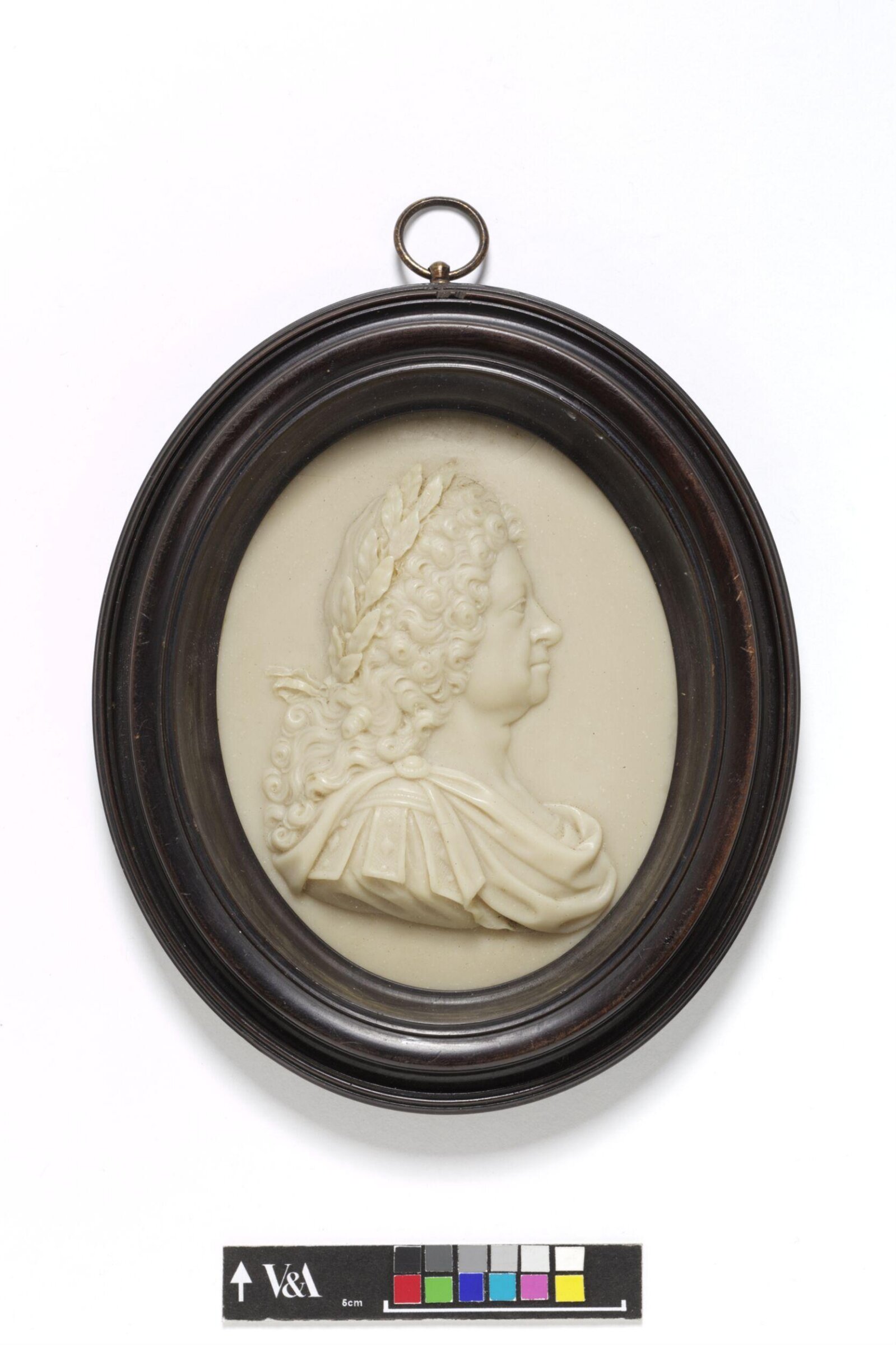
This ivory relief representing a satyr and nymph was made by David Le Marchand in ca. 1696-1700 in Britain. David Le Marchand (1674-1726) was famed for his ivory carvings, particularly his portraits. He was a native of Dieppe, France, and came from a Huguenot, or Protestant, family. With the Revocation of the Edict of Nantes in 1685, and the consequent persecution of non-Catholics, he had to flee France. He was next recorded in Edinburgh in 1696, where he is documented as receiving official permission to open a shop and take on apprentices. He was in London by 1700, when he started to achieve a reputation for his portraits. Despite his wide circle of important patrons and his evident success, Le Marchand apparently died in poverty, though the exact reasons for this are unknown. He is recognised as the most distinguished ivory carver to have worked in England in the early 18th century, a period when the art enjoyed a popularity unknown since the Middle Ages.
Læs videre
Although relatively small, this is finely carved piece, and additionally unusual, being a mythological subject, which is rare in Le Marchand's oevre. Le Marchand is not known to have used Italian renaissance sculptures as prototypes for his ivories, and this is an intriguing, and probably unique, instance of such a connection.
Victoria and Albert Museum
Oplysninger
- Inventarnummer
- A.1-2021
Hvad det viser
I kataloget
Kilder
- Victoria and Albert Museum: museets åbne data · hentet for 12 dage siden
- Billede: Victoria and Albert Museum — © Victoria and Albert Museum, London