ART WIKI32.963 udstillet
KortSamlingKunstnereMuseerUdstillingerJournal
Log ind

ART WIKI

Hvor mesterværket hænger, og hvornår man bliver lukket ind.

Samlinger: Art Institute of Chicago, Det Russiske Museum, Eremitagen, Getty Villa, Harvard Art Museums, Hirshhorn Museum and Sculpture Garden, J. Paul Getty Museum, Louvre, Metropolitan Museum of Art, Minneapolis Institute of Art, Museum of Modern Art, National Gallery of Art, National Museum of Asian Art, National Portrait Gallery (Smithsonian), Pusjkinmuseet, Rijksmuseum Amsterdam, Smithsonian American Art Museum, Statens Museum for Kunst, The Cleveland Museum of Art, Tretjakovgalleriet, Victoria and Albert Museum, Whitney Museum of American Art, Ruslands statskatalog over museumsfonden (274 museer), Europeana (19 museer), Wikidata (6 museer), Paris Musées (12 museer) og Joconde, det franske kulturministeriums museumsdatabase (495 museer). Billederne tilhører deres rettighedshavere.

Afsnit

  • Kort
  • Søgning
  • Samling
  • Mesterværker
  • Udstillet nu
  • Kunstnere

Mere

  • Museer & gallerier
  • Udstillinger
  • Journal
  • Hvor data kommer fra
  • Privatliv & cookies
ForsideKortKatalog
  1. Samling/
  2. Victoria and Albert Museum/
  3. King George I
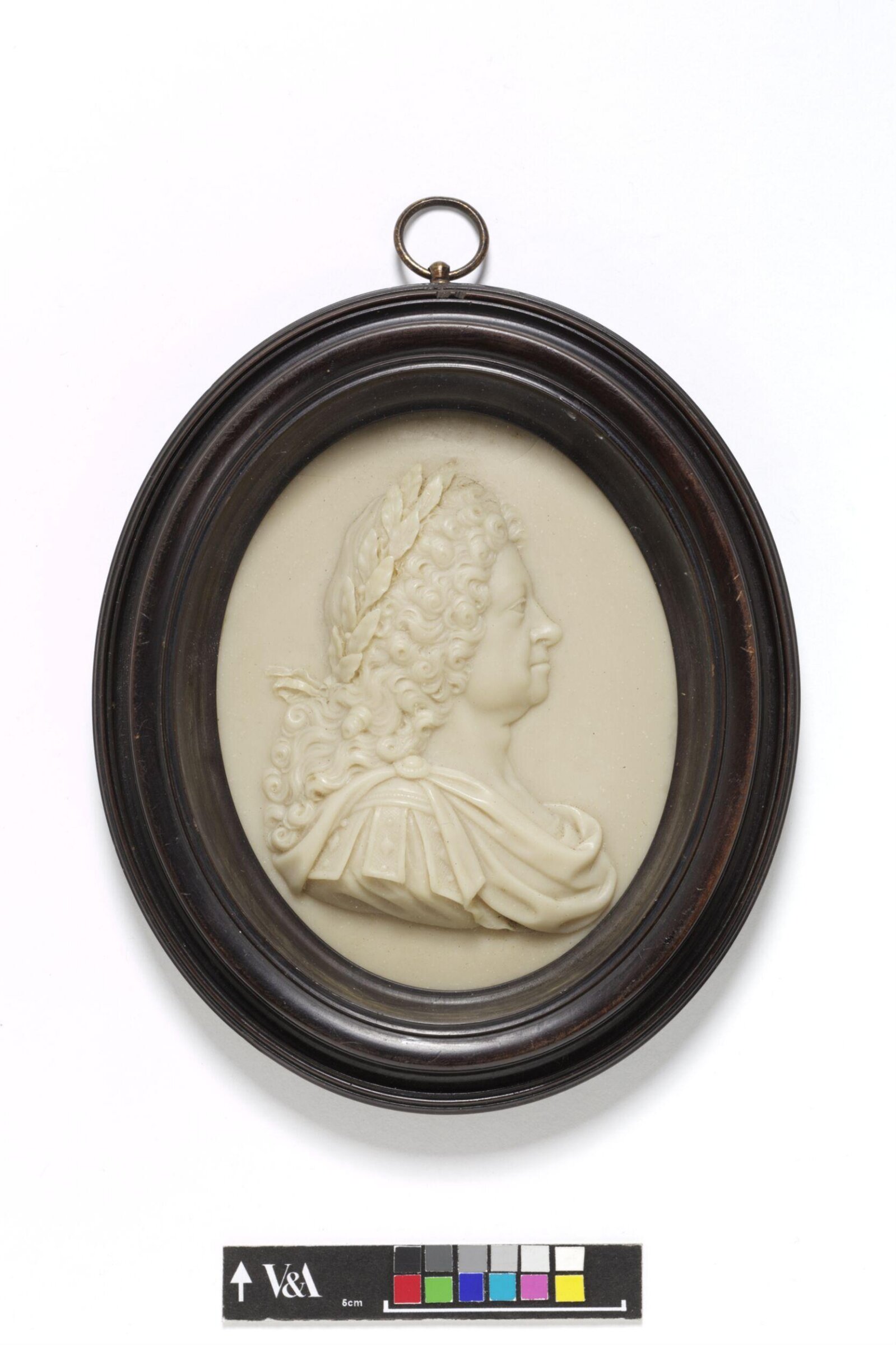
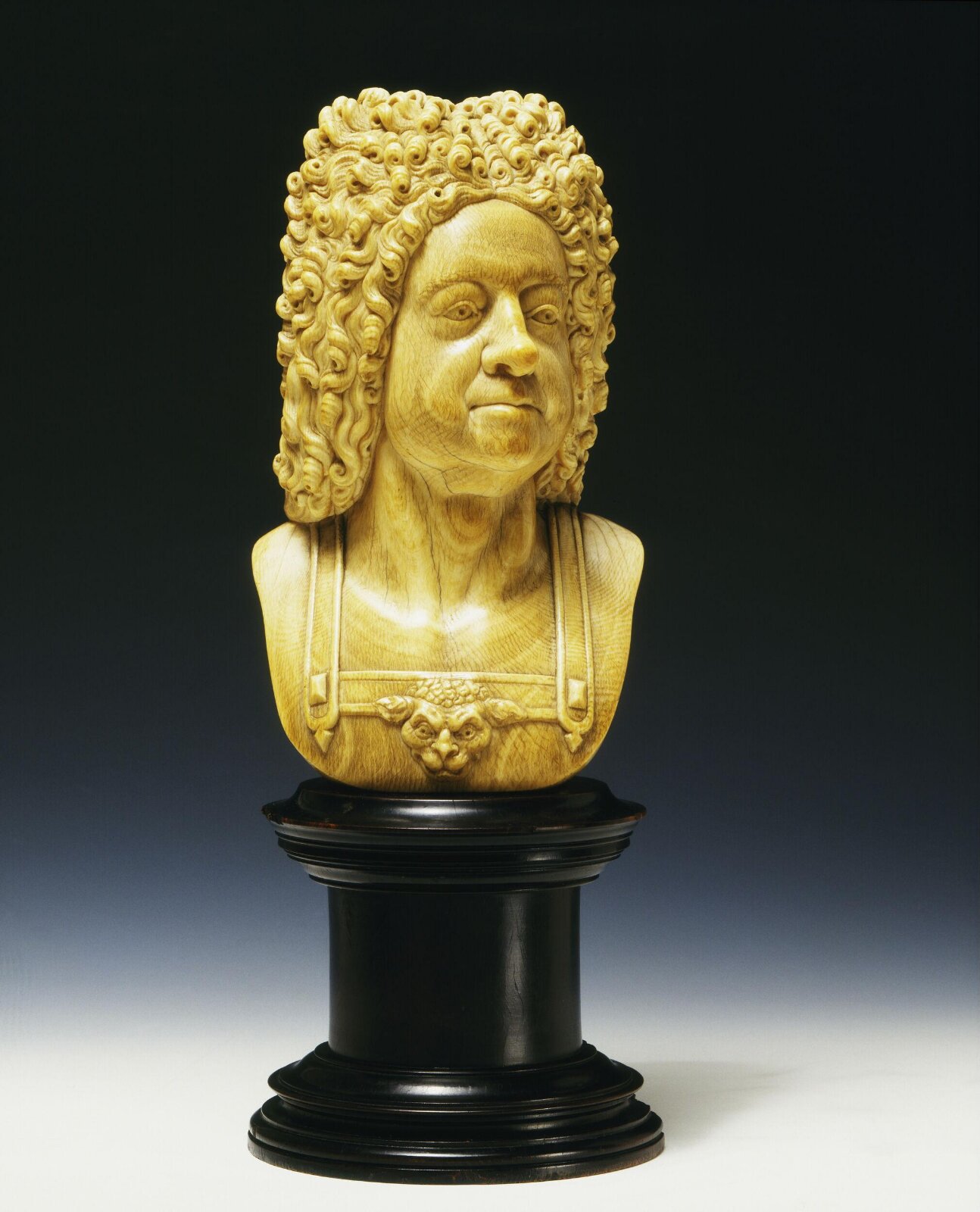
King George I, David Le Marchand, ca. 1714
David Le Marchand, portrætDavid Le Marchand1674–1726

King George I

ca. 1714 · Bust

Om skulpturen

Throughout the ages artists and craftsmen have made virtuoso carvings as a display of their skill and ingenuity. Although ivory, wood and stone are relatively easy to carve, other materials such as gemstones are much more demanding. Most of these carvings were made for wealthy patrons and collectors, who delighted in the rarity of the material and quality of the carving. This ivory bust is made by David Le Marchand in Britain after 1714. Here he has used an exceptionally large piece of ivory and carved the face and wig of the monarch in a highly naturalistic style.

Theuerkauff remarked that the style of this bust could have been an influence on Johann Christoph Ludwig Lücke, and certainly it seems to prefigure a Germanic portrait style in ivory carving later in the eighteenth century.

Læs videre

David Le Marchand (1674-1726) was famed for his ivory carvings, particularly his portraits. He was a native of Dieppe, France, and came from a Huguenot, or Protestant, family. With the Revocation of the Edict of Nantes in 1685, and the consequent persecution of non-Catholics, he had to flee France. He was next recorded in Edinburgh in 1696, where he is documented as receiving official permission to open a shop and take on apprentices. He was in London by 1700, when he started to achieve a reputation for his portraits. Despite his wide circle of important patrons and his evident success, Le Marchand apparently died in poverty, though the exact reasons for this are unknown.

He is recognised as the most distinguished ivory carver to have worked in England in the early 18th century, a period when the art enjoyed a popularity unknown since the Middle Ages.

Victoria and Albert Museum

Oplysninger

ca. 1714
16741726
Inventarnummer
A.12-1931

Mere af David Le Marchand

Alle værker

I samme sal · Sculpture, Room 111, The Gilbert Bayes Gallery, Victoria and Albert Museum

Museets side

Må man se det?

Ja, det tager imod

Victoria and Albert Museum

London, Storbritannien

SalSculpture, Room 111, The Gilbert Bayes Gallery

Udstillet for publikum. Hvem der står inde for det, står nedenfor.

Kontrolleret
for 12 dage siden
Uændret siden
25. sep. 2026
Kilde
Museet
På kortetMuseets side

Hvad det viser

George (I, King of England)

I kataloget

SkulpturElfenbenBarok1700-talletStorbritannien

Kilder

  • Victoria and Albert Museum
  • Billede: Victoria and Albert Museum — © Victoria and Albert Museum, London
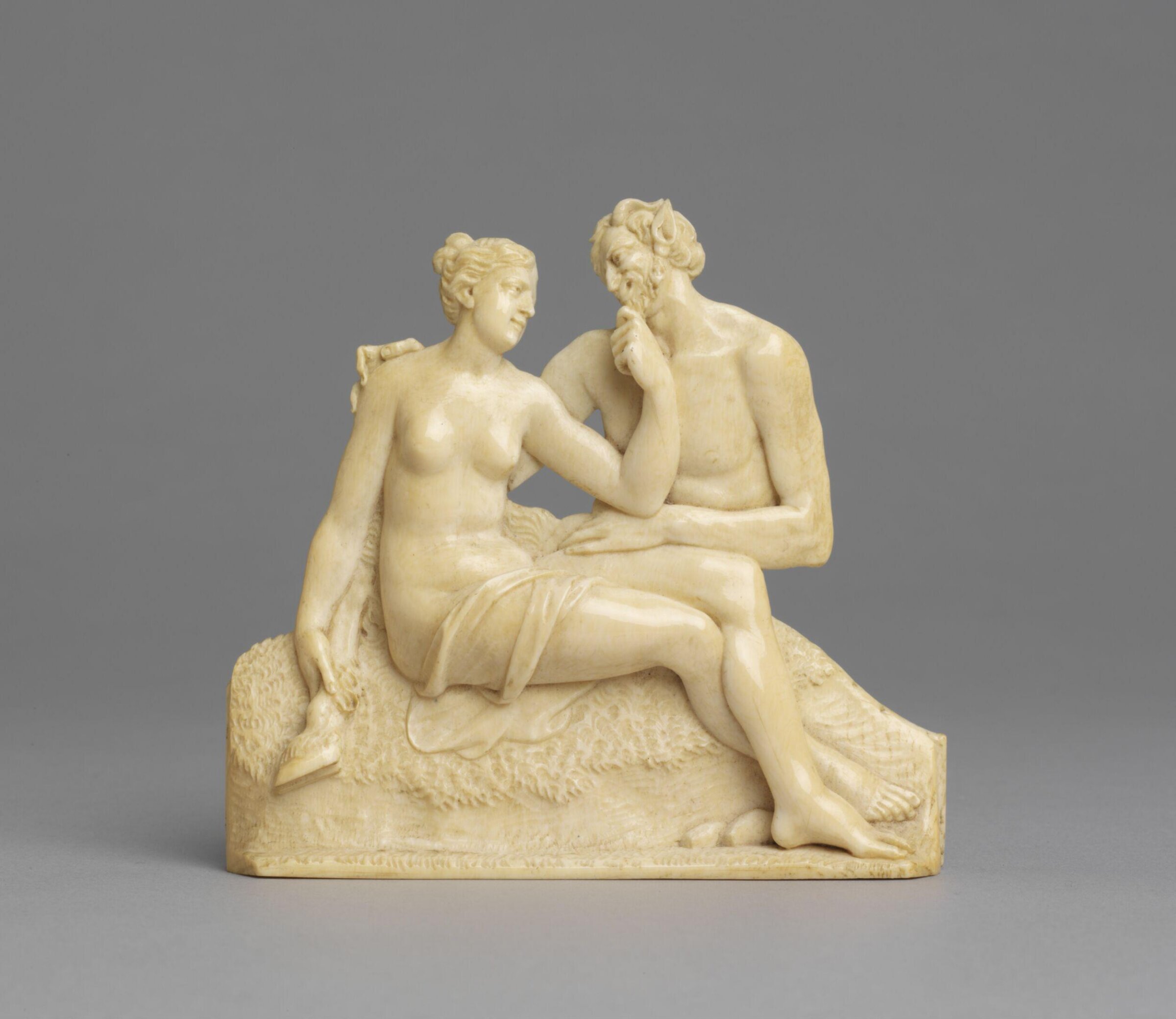
Satyr and Nymph, David Le Marchand, ca. 1696-1700

Satyr and Nymph

ca. 1696-1700 · Victoria and Albert Museum

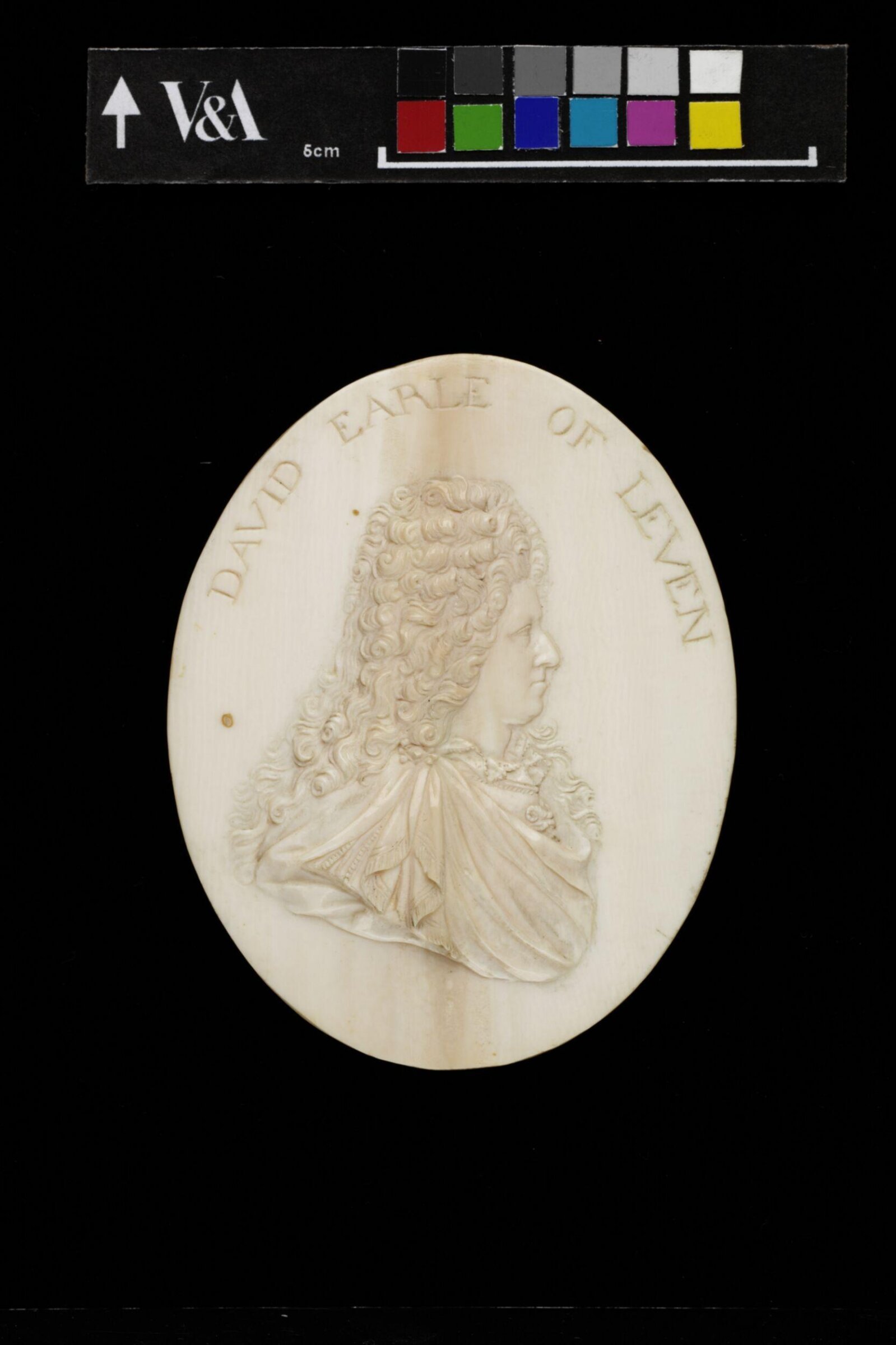
David Melville, 3rd Earl of Leven and 2nd Earl of Melville, David Le Marchand, ca. 1696 - ca. 1700

David Melville, 3rd Earl of Leven and 2nd Earl of Melville

ca. 1696 - ca. 1700 · Victoria and Albert Museum

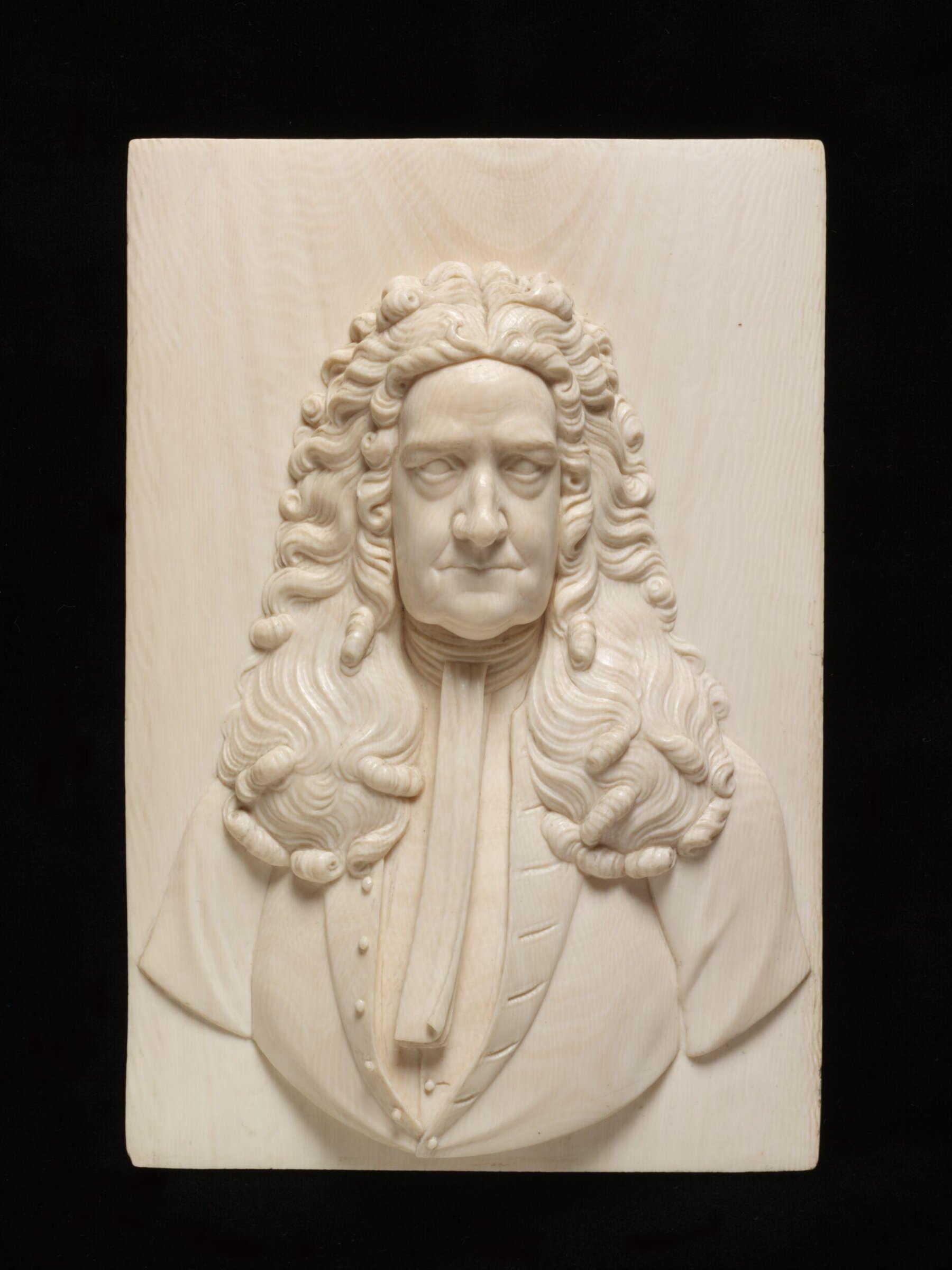
Thomas Guy, David Le Marchand, 1700-1724

Thomas Guy

1700-1724 · Victoria and Albert Museum

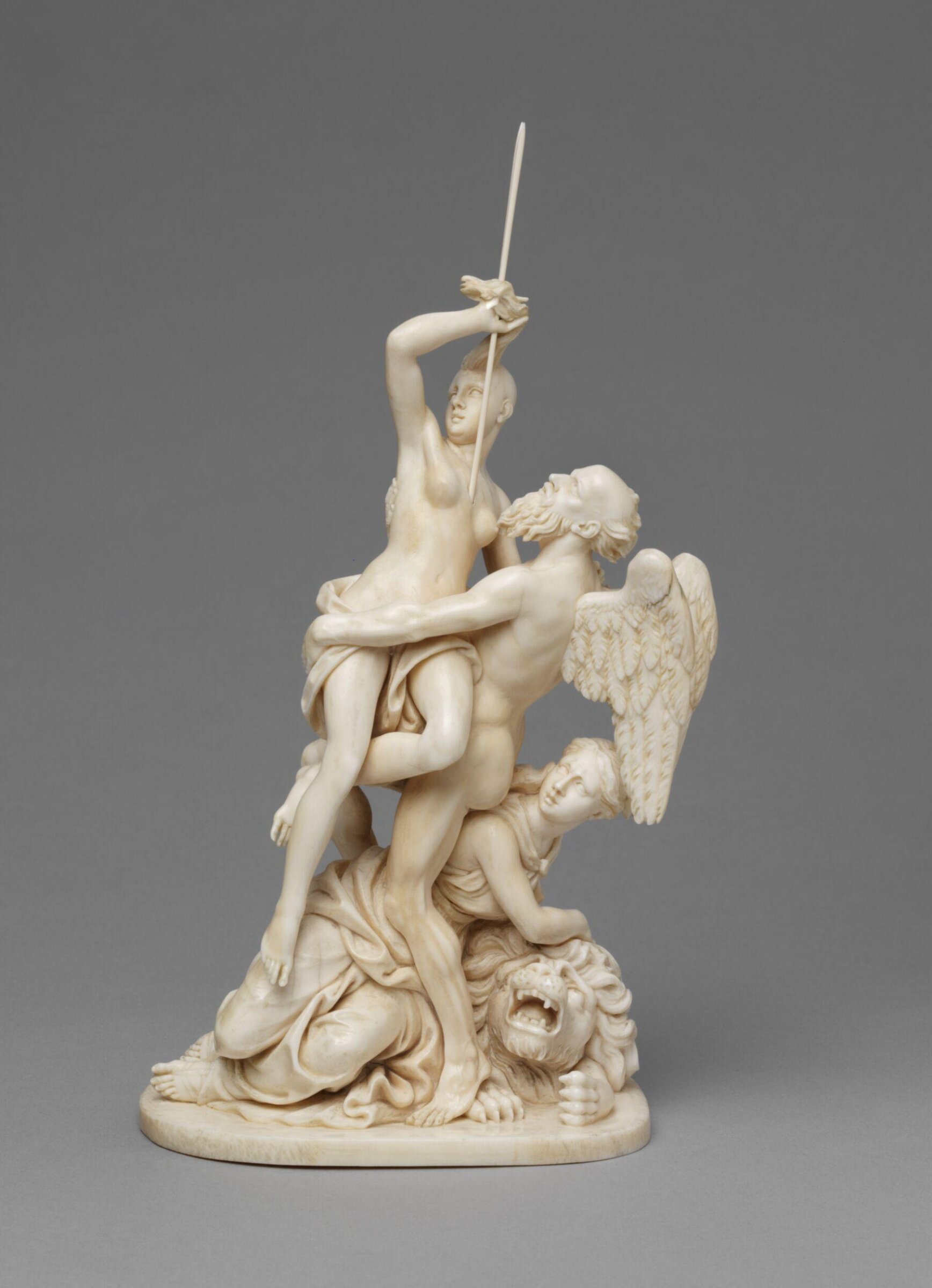
Time and Opportunity, David Le Marchand, ca. 1700 - ca. 1720

Time and Opportunity

ca. 1700 - ca. 1720 · Victoria and Albert Museum

Venus and Cupid, David Le Marchand, ca. 1718

Venus and Cupid

ca. 1718 · Victoria and Albert Museum

Matthew Raper, David Le Marchand, 1720

Matthew Raper

1720 · Victoria and Albert Museum

Anne Churchill, Countess of Sunderland, David Le Marchand, ca. 1699

Anne Churchill, Countess of Sunderland

ca. 1699 · Ikke udstillet · Victoria and Albert Museum

King George I (b.1660; reigned 1714 - d. 1727), David Le Marchand, 1714-1720

King George I (b.1660; reigned 1714 - d. 1727)

1714-1720 · Ikke udstillet · Victoria and Albert Museum

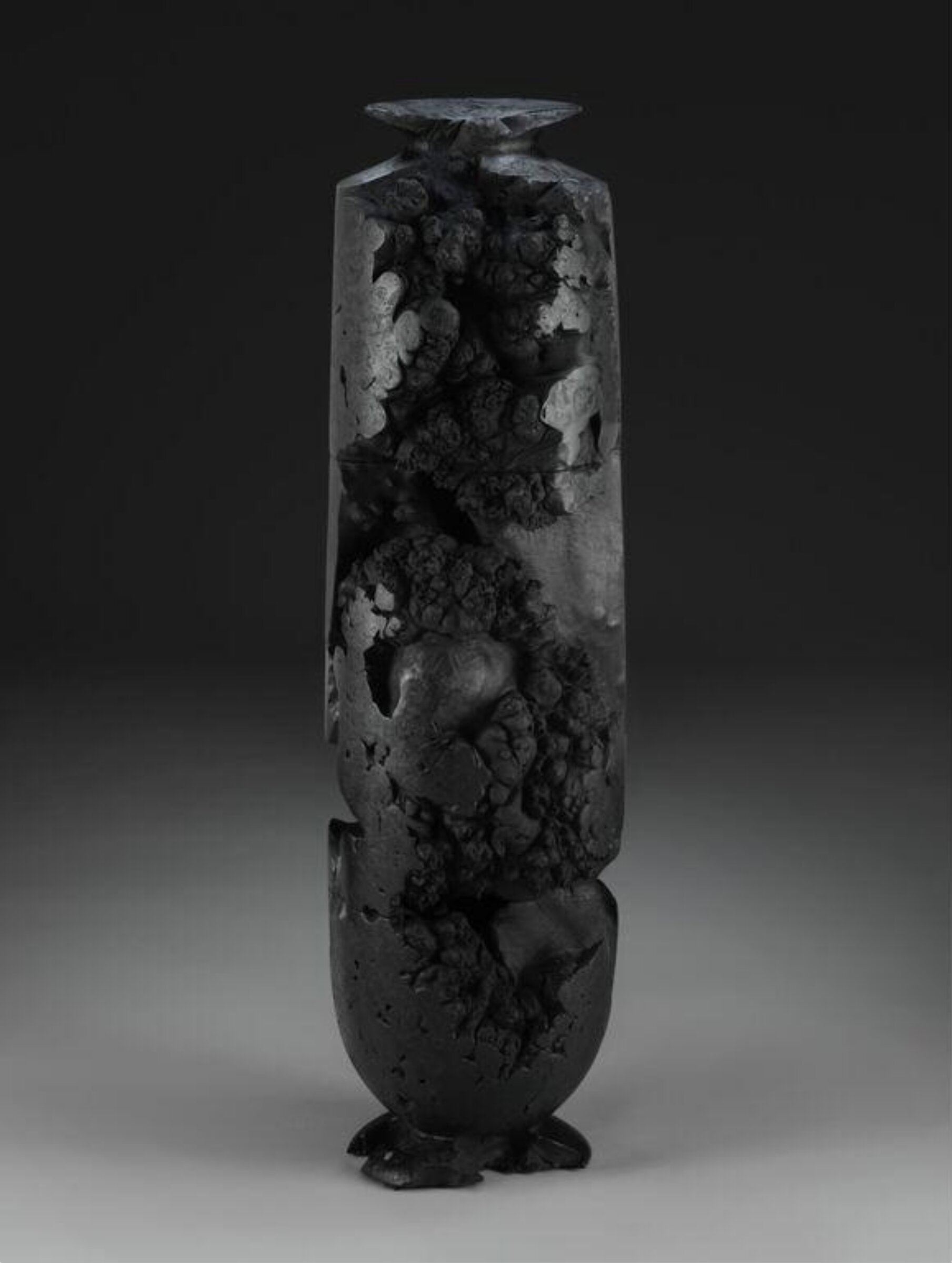
Echoes of Amphora: Column Vessel I/20, Eleanor Lakelin, 2020

Eleanor Lakelin

Echoes of Amphora: Column Vessel I/20, 2020

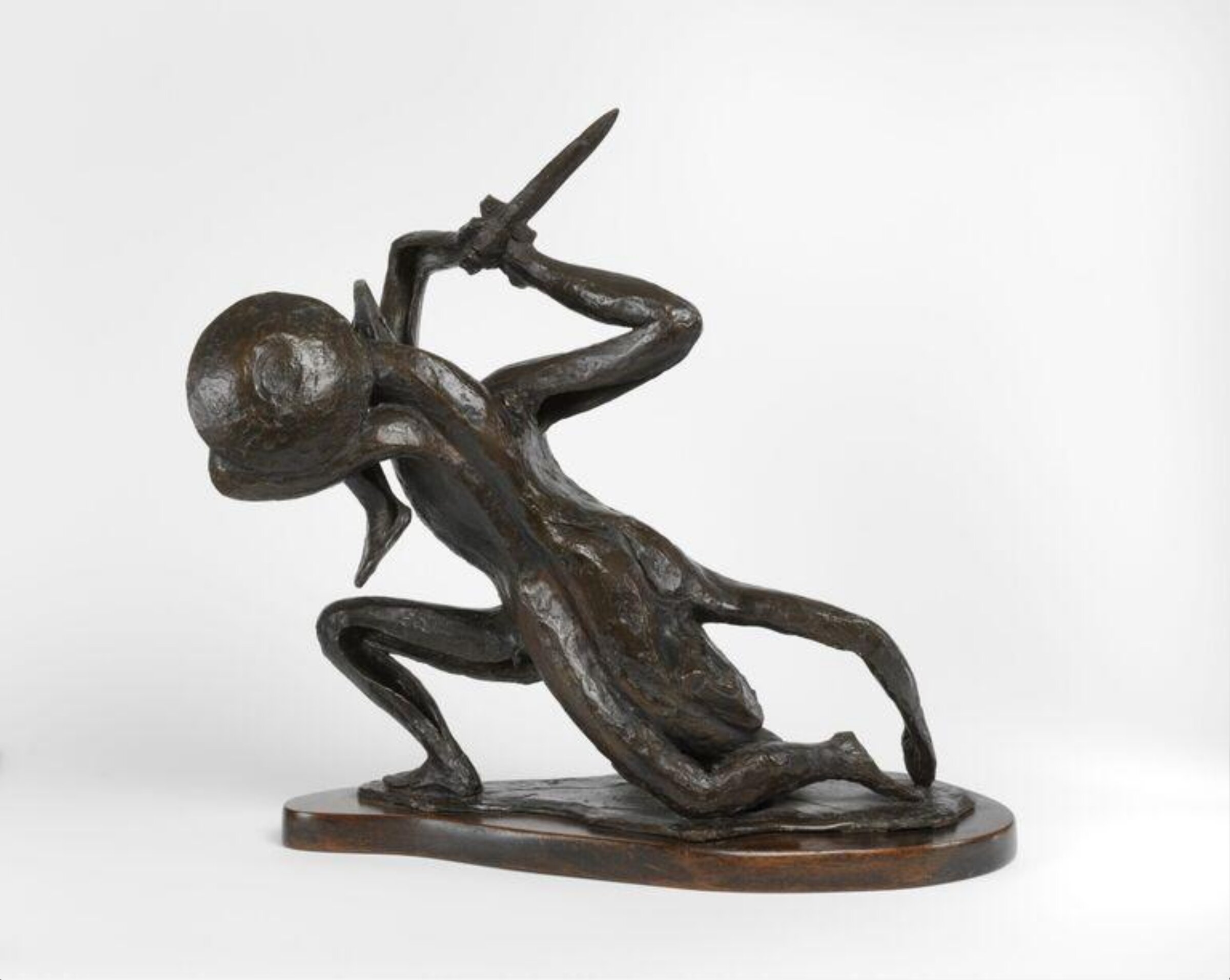
Gladiators: Hector and Ajax (Combat), Leon Underwood, 1963

Leon Underwood

Gladiators: Hector and Ajax (Combat), 1963

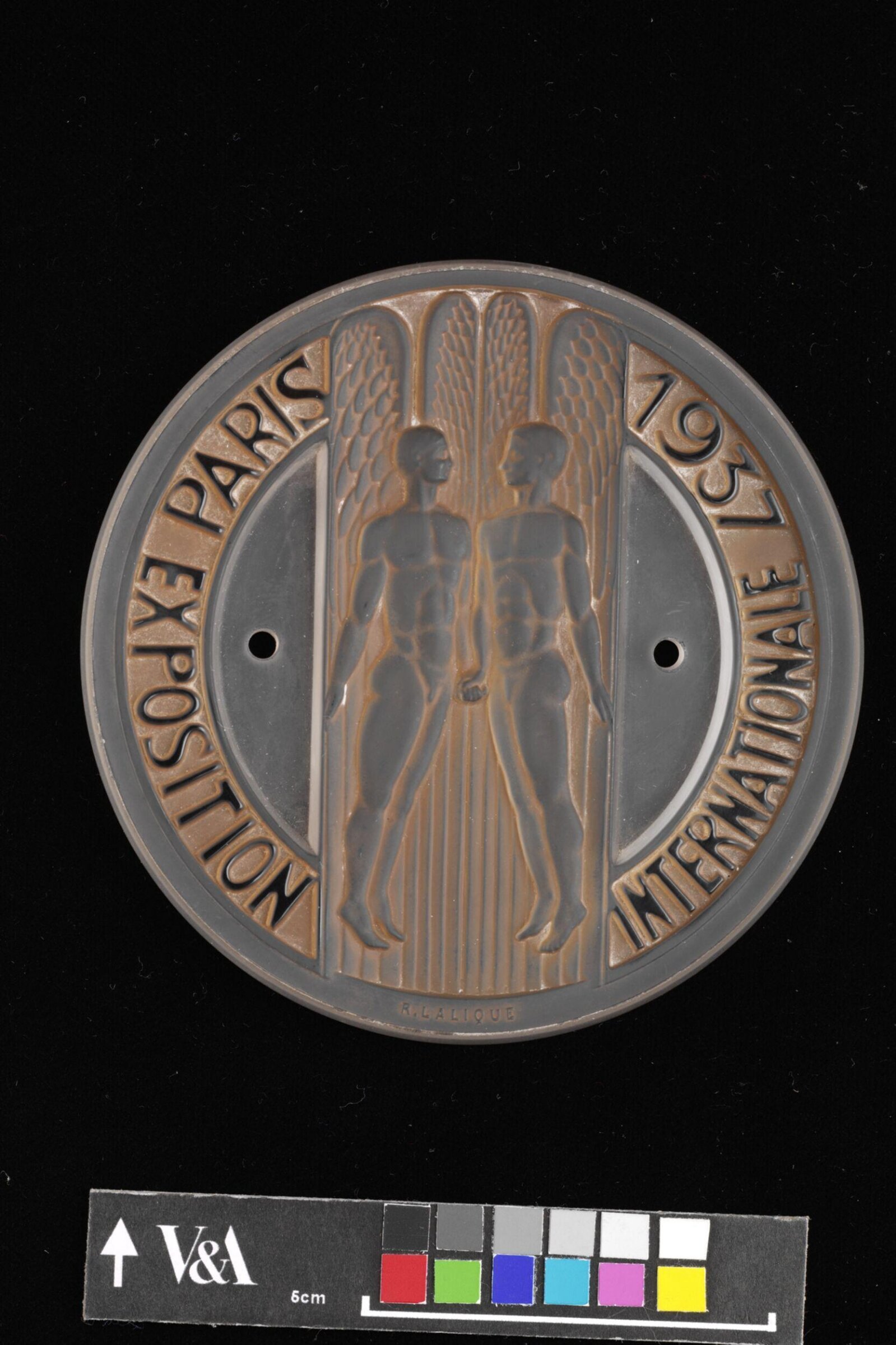
Plaque, René Jules Lalique, 1937

René Lalique

Plaque, 1937

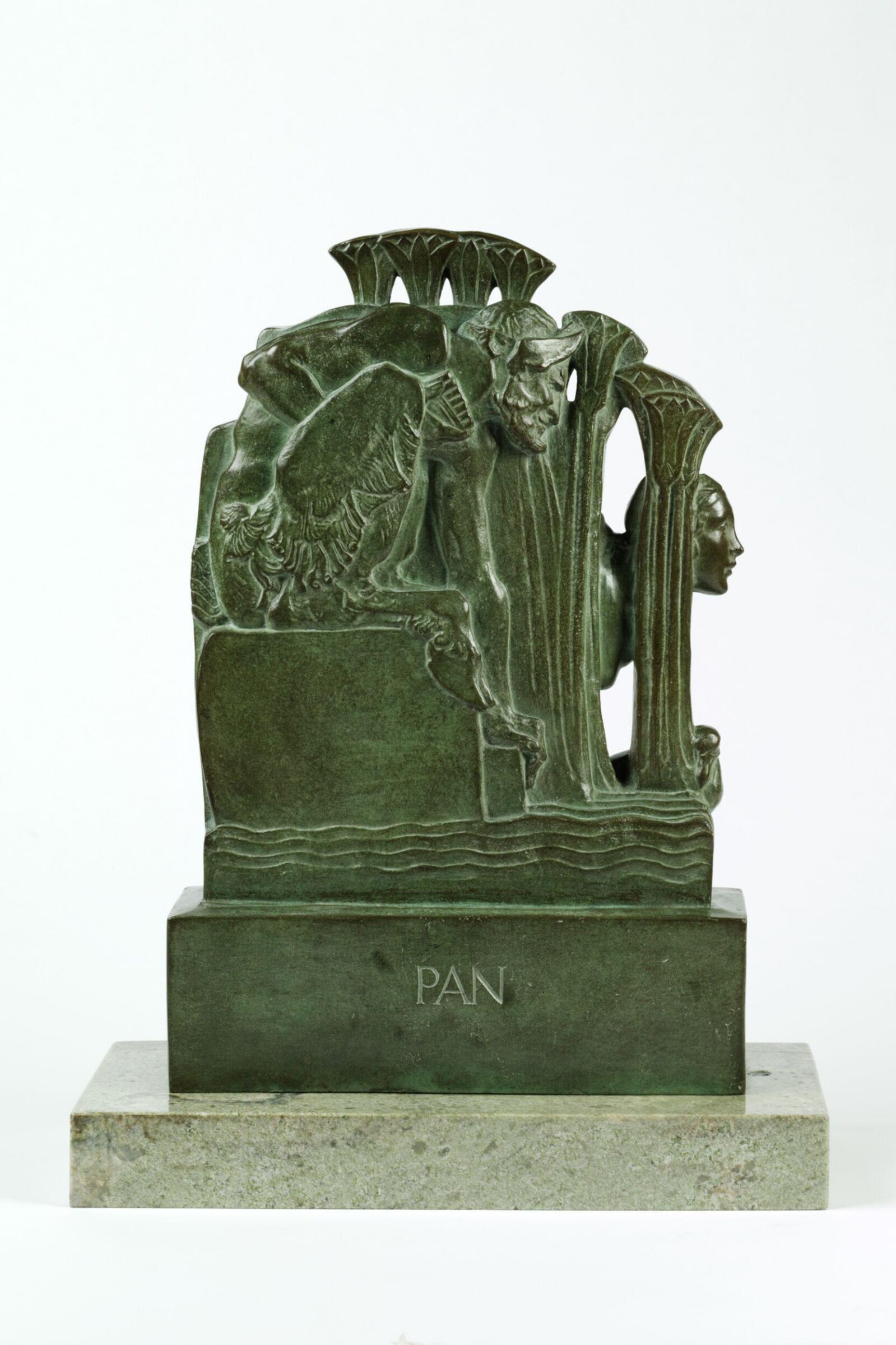
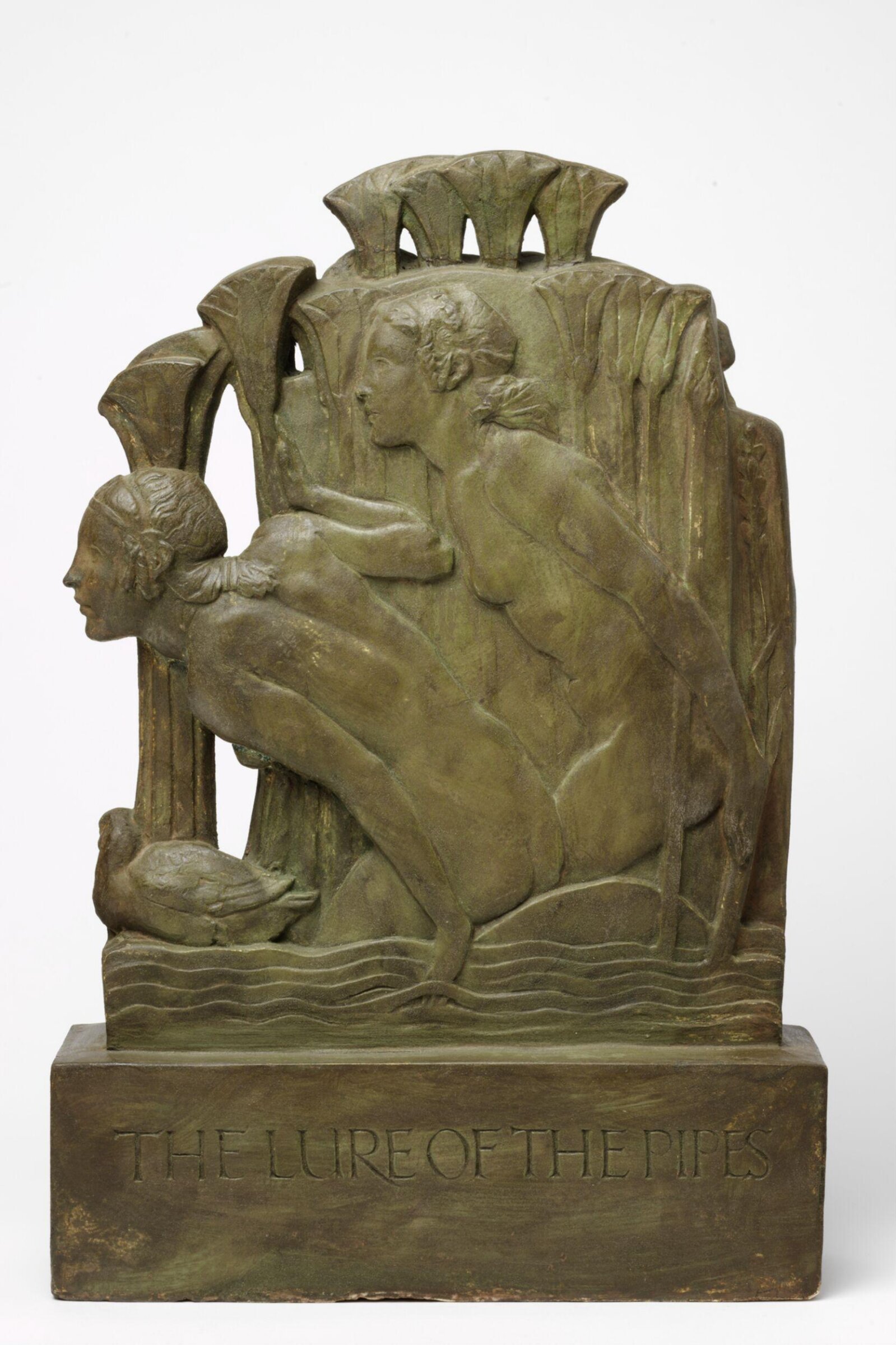
The Lure of the Pan Pipes, Gilbert Bayes, 1932

Gilbert Bayes

The Lure of the Pan Pipes, 1932

The Lure of the Pan Pipes, Gilbert Bayes, 1932

Gilbert Bayes

The Lure of the Pan Pipes, 1932

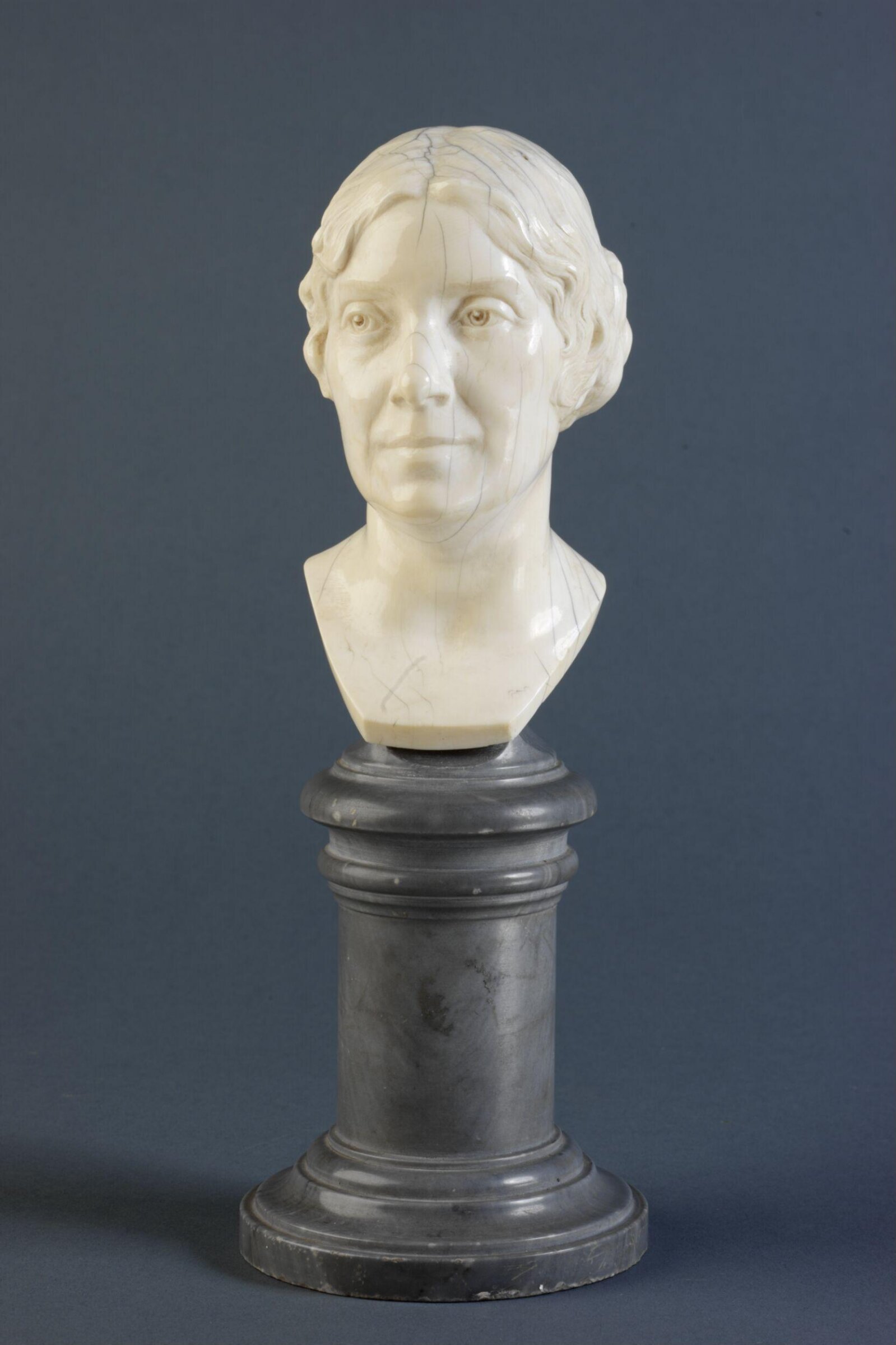
Emmeline Pankhurst, Arthur George Walker, ca. 1929

Arthur George Walker

Emmeline Pankhurst, ca. 1929

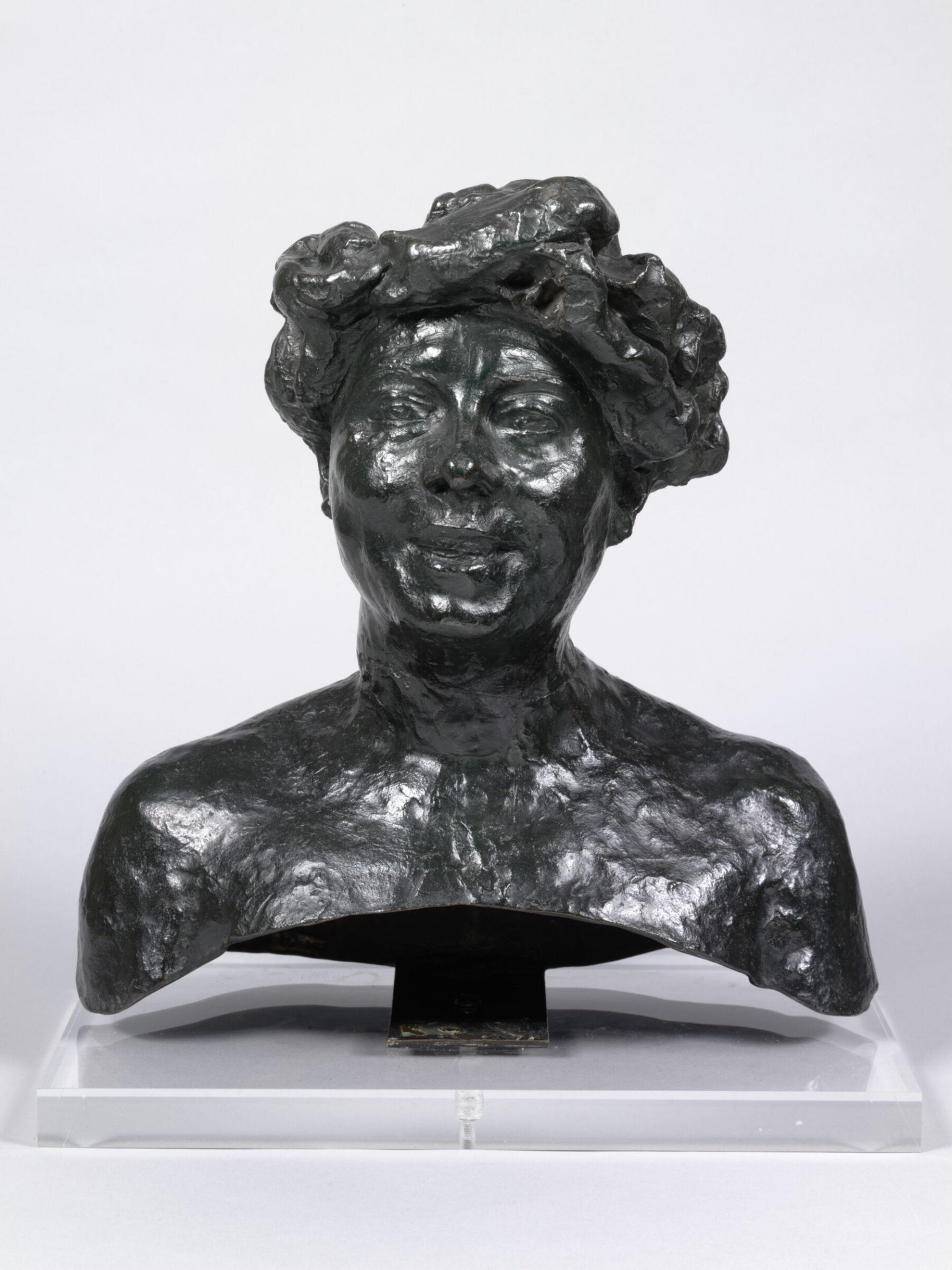
The Duchesse de Choiseul, Auguste Rodin, 1908

Auguste Rodin

The Duchesse de Choiseul, 1908

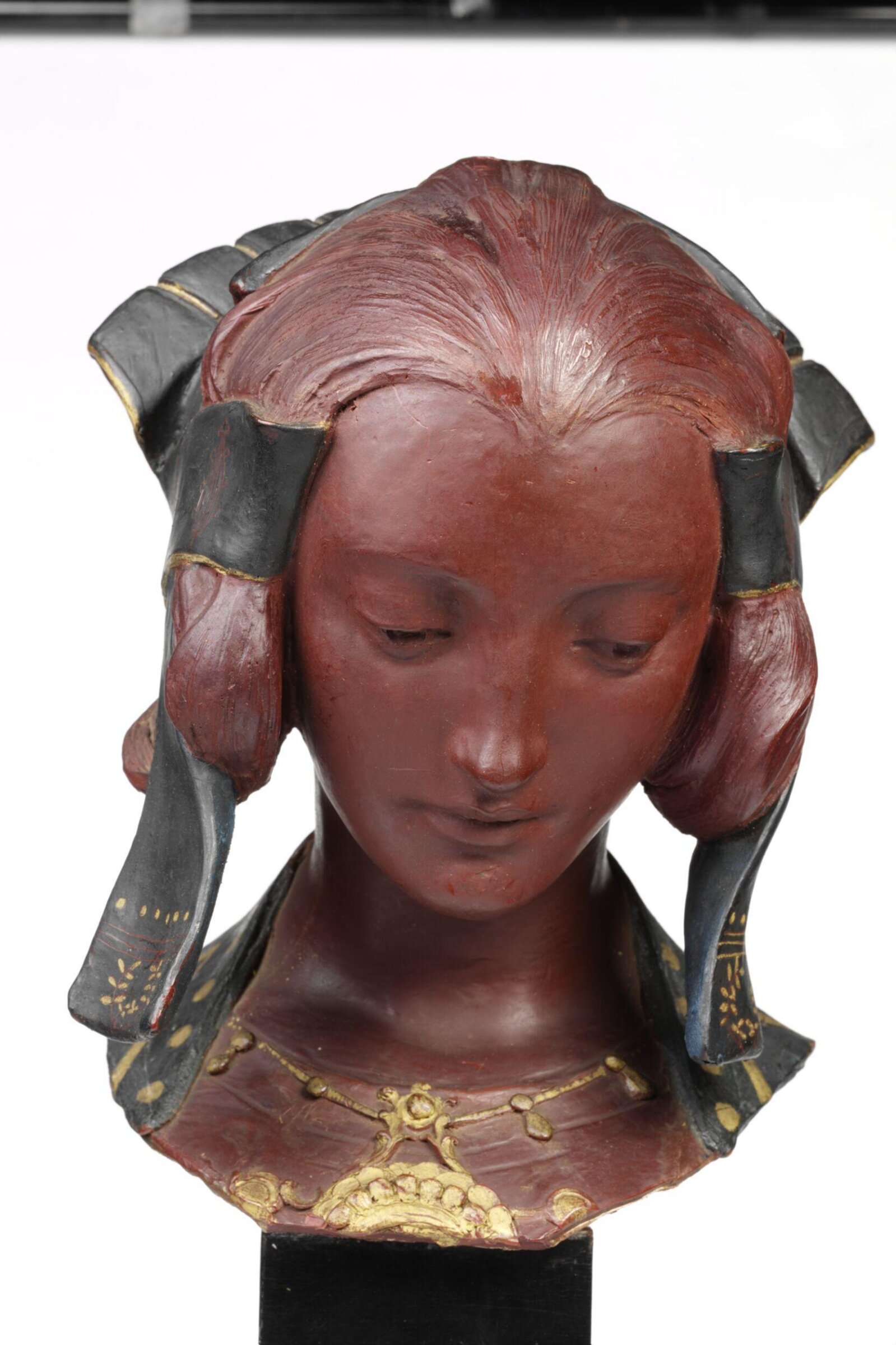
St Elizabeth, George James Frampton, 1902

George James Frampton

St Elizabeth, 1902