ART WIKI32.963 udstillet
KortSamlingKunstnereMuseerUdstillingerJournal
Log ind

ART WIKI

Hvor mesterværket hænger, og hvornår man bliver lukket ind.

Samlinger: Art Institute of Chicago, Det Russiske Museum, Eremitagen, Getty Villa, Harvard Art Museums, Hirshhorn Museum and Sculpture Garden, J. Paul Getty Museum, Louvre, Metropolitan Museum of Art, Minneapolis Institute of Art, Museum of Modern Art, National Gallery of Art, National Museum of Asian Art, National Portrait Gallery (Smithsonian), Pusjkinmuseet, Rijksmuseum Amsterdam, Smithsonian American Art Museum, Statens Museum for Kunst, The Cleveland Museum of Art, Tretjakovgalleriet, Victoria and Albert Museum, Whitney Museum of American Art, Ruslands statskatalog over museumsfonden (274 museer), Europeana (19 museer), Wikidata (6 museer), Paris Musées (12 museer) og Joconde, det franske kulturministeriums museumsdatabase (495 museer). Billederne tilhører deres rettighedshavere.

Afsnit

  • Kort
  • Søgning
  • Samling
  • Mesterværker
  • Udstillet nu
  • Kunstnere

Mere

  • Museer & gallerier
  • Udstillinger
  • Journal
  • Hvor data kommer fra
  • Privatliv & cookies
ForsideKortKatalog
  1. Samling/
  2. The Cleveland Museum of Art/
  3. Saint Jerome
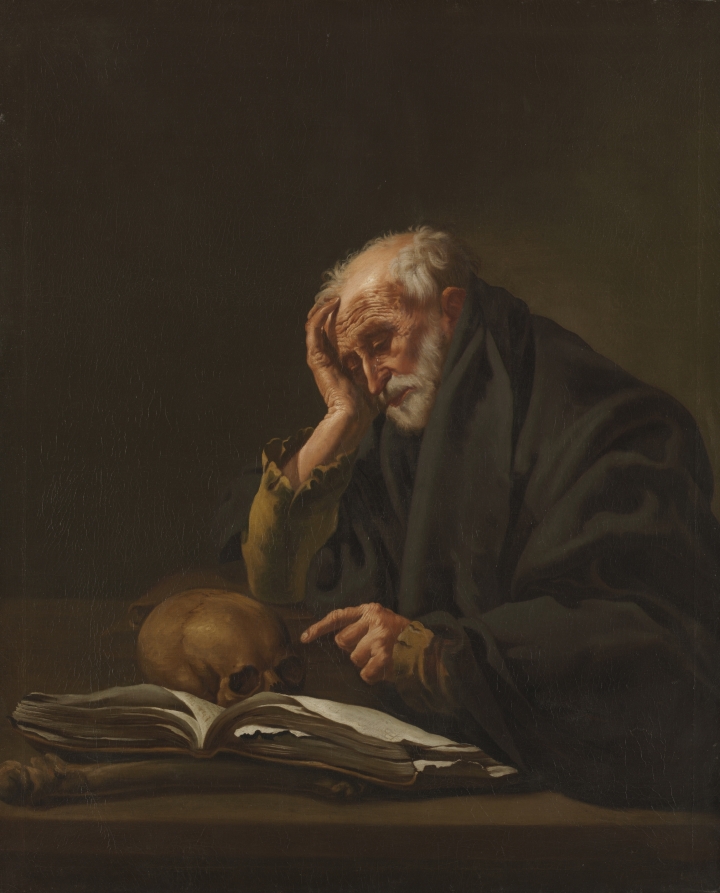
Saint Jerome, Hendrick ter Brugghen, c. 1621
Hendrick ter Brugghen, portrætHendrick ter BrugghenHolland, 1588–1629

Saint Jerome

c. 1621 · Painting

Må man se det?

Tager ikke imod for tiden

The Cleveland Museum of Art

Cleveland, USA

Det hører til samlingen, men er ikke udstillet for tiden.

Kontrolleret
for 3 dage siden
Uændret siden
19. aug. 2026
Kilde
Museet
På kortetMuseets side

Om maleriet

Not all subjects are easy to identify. This museum long thought that the subject was the Greek philosopher Heraclitus, largely because tears are part of the standard representation of this ancient thinker. However, ter Brugghen omits the other crucial key to identifying Heraclitus--a globe over which he weeps. Instead, the book and skull indicate that the figure is Saint Jerome, known for translating the Bible into Latin. The artist probably chose to show Jerome crying to intensify his penitence.

The Cleveland Museum of Art

Oplysninger

c. 1621
15881629
Inventarnummer
1977.2

I kataloget

MalerierOlieNederlandsk maleriBarok1600-talletFlandern

Kilder

  • The Cleveland Museum of Art
  • Billede: The Cleveland Museum of Art — Museum open access

Mere af Hendrick ter Brugghen

Alle værker
De aanbidding der koningen, Hendrick ter Brugghen, 1619

De aanbidding der koningen

1619 · Rijksmuseum Amsterdam

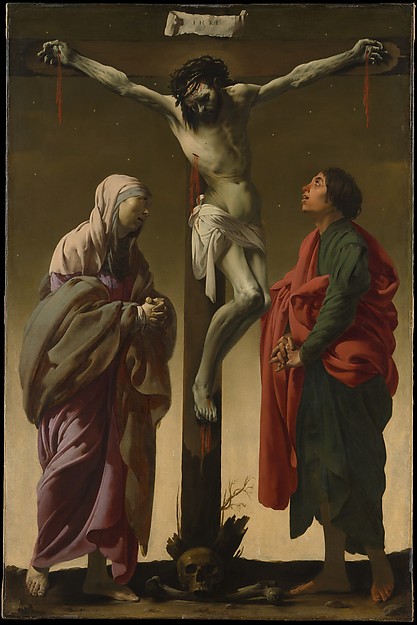
The Crucifixion with the Virgin and Saint John, Hendrick ter Brugghen, ca. 1624–25

The Crucifixion with the Virgin and Saint John

ca. 1624–25 · Metropolitan Museum of Art

Democritus, Hendrick ter Brugghen, 1628

Democritus

1628 · Rijksmuseum Amsterdam

Heraclitus, Hendrick ter Brugghen, 1628

Heraclitus

1628 · Rijksmuseum Amsterdam

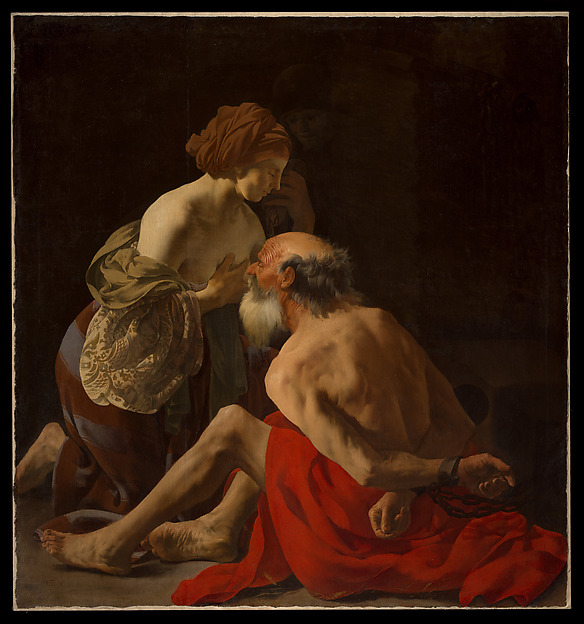
Roman Charity, Hendrick ter Brugghen, 1622

Roman Charity

1622 · Metropolitan Museum of Art

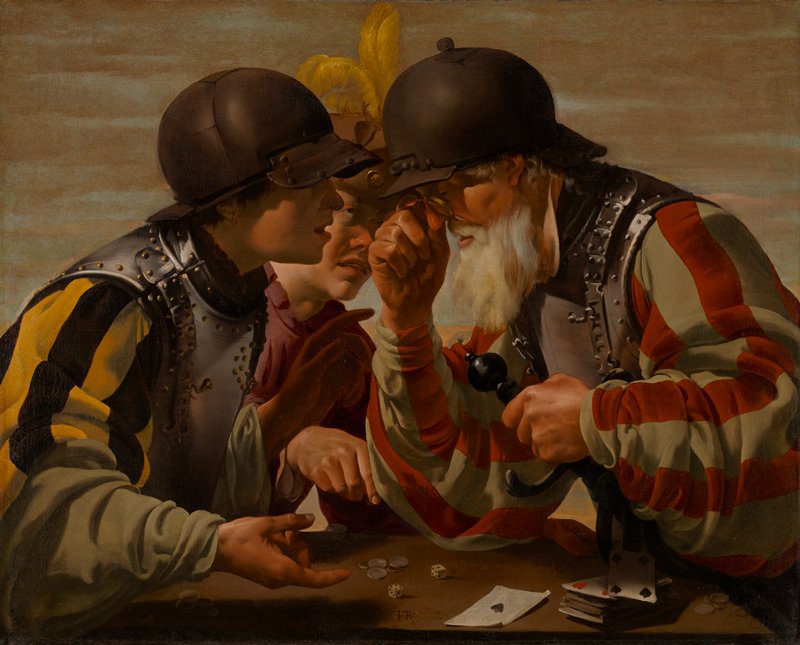
The Gamblers, Hendrick ter Brugghen, 1623

The Gamblers

1623 · Minneapolis Institute of Art

Bagpipe Player, Hendrick ter Brugghen, 1624

Bagpipe Player

1624 · National Gallery of Art

Bacchante with an Ape, Hendrick ter Brugghen, 1627

Bacchante with an Ape

1627 · J. Paul Getty Museum

Naboer på The Cleveland Museum of Art

Museets side
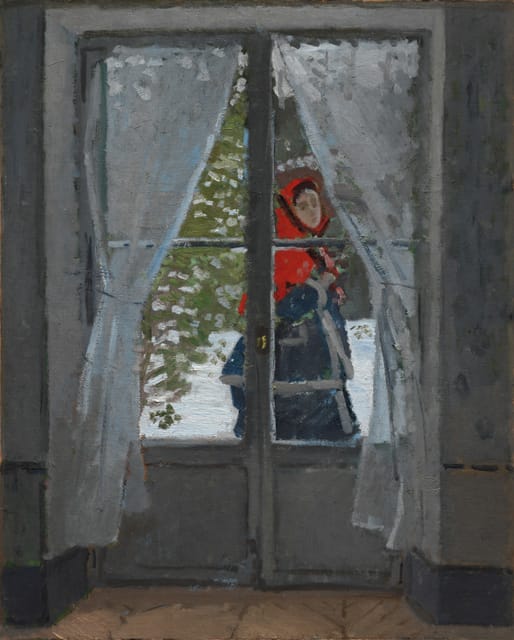
The Red Kerchief, Claude Monet, c. 1868–73

Claude Monet

The Red Kerchief, c. 1868–73

Melencolia I, Albrecht Dürer, 1514

Albrecht Dürer

Melencolia I, 1514

The Virgin and Child with the Pear, Albrecht Dürer, 1511

Albrecht Dürer

The Virgin and Child with the Pear, 1511

The Nativity, Albrecht Dürer, probably c. 1509/1510

Albrecht Dürer

The Nativity, probably c. 1509/1510

The Virgin and Child on a Crescent with a Starry Crown, Albrecht Dürer, 1508

Albrecht Dürer

The Virgin and Child on a Crescent with a Starry Crown, 1508

The Lamentation, Albrecht Dürer, 1507

Albrecht Dürer

The Lamentation, 1507

Large Horse, Albrecht Dürer, 1505

Albrecht Dürer

Large Horse, 1505

Nemesis (The Great Fortune), Albrecht Dürer, c. 1501/1502

Albrecht Dürer

Nemesis (The Great Fortune), c. 1501/1502