ART WIKI32.963 udstillet
KortSamlingKunstnereMuseerUdstillingerJournal
Log ind

ART WIKI

Hvor mesterværket hænger, og hvornår man bliver lukket ind.

Samlinger: Art Institute of Chicago, Det Russiske Museum, Eremitagen, Getty Villa, Harvard Art Museums, Hirshhorn Museum and Sculpture Garden, J. Paul Getty Museum, Louvre, Metropolitan Museum of Art, Minneapolis Institute of Art, Museum of Modern Art, National Gallery of Art, National Museum of Asian Art, National Portrait Gallery (Smithsonian), Pusjkinmuseet, Rijksmuseum Amsterdam, Smithsonian American Art Museum, Statens Museum for Kunst, The Cleveland Museum of Art, Tretjakovgalleriet, Victoria and Albert Museum, Whitney Museum of American Art, Ruslands statskatalog over museumsfonden (274 museer), Europeana (19 museer), Wikidata (6 museer), Paris Musées (12 museer) og Joconde, det franske kulturministeriums museumsdatabase (495 museer). Billederne tilhører deres rettighedshavere.

Afsnit

  • Kort
  • Søgning
  • Samling
  • Mesterværker
  • Udstillet nu
  • Kunstnere

Mere

  • Museer & gallerier
  • Udstillinger
  • Journal
  • Hvor data kommer fra
  • Privatliv & cookies
ForsideKortKatalog
  1. Samling/
  2. Louvre/
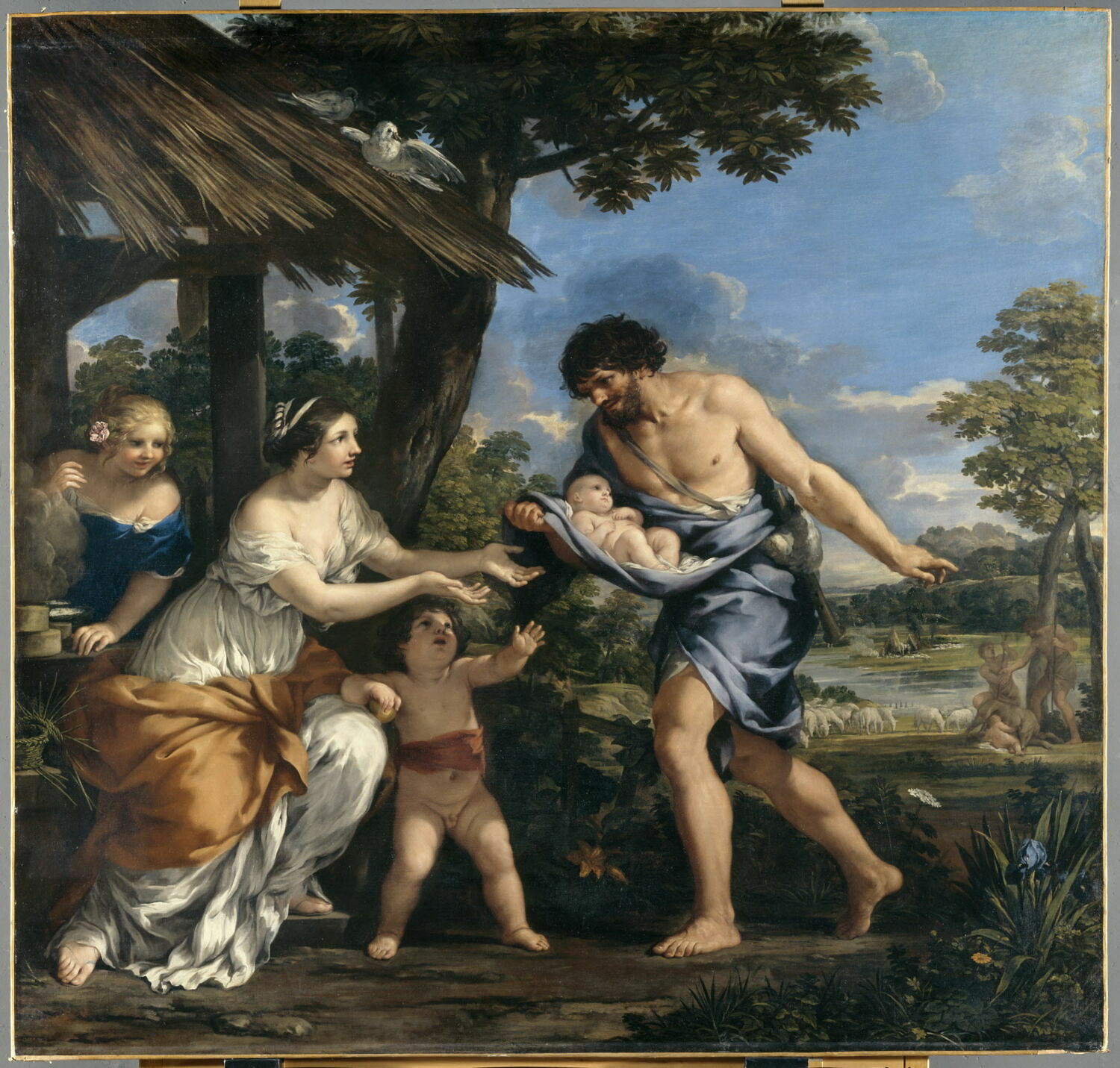
  3. Romulus et Rémus recueillis par Faustulus
Romulus et Rémus recueillis par Faustulus, Cortone, Pierre de, 2e quart du XVIIe siècle (1625 - 1650)
Pietro da Cortona, portrætPietro da CortonaItalien, 1596–1669

Romulus et Rémus recueillis par Faustulus

2e quart du XVIIe siècle (1625 - 1650) · Peintures

Må man se det?

Ja, det tager imod

Louvre

Paris, Frankrig

Sal716, Aile Denon, Niveau 1

Udstillet for publikum. Hvem der står inde for det, står nedenfor.

Kontrolleret
for 12 dage siden
Uændret siden
26. sep. 2026
Kilde
Museet
På kortetMuseets side

Om maleriet

Romulus and Remus Taken in by Faustulus (also known as Faustulus Entrusting Romulus and Remus to Larentia, Romulus and Remus Sheltered by Faustulus or Remus Discovered) is an oil on canvas painting by Pietro da Cortona, created c. 1643. It is held in the Louvre, in Paris. It is one of three works by him and six by other artists commissioned by Louis Phélypeaux, Seigneur of La Vrillière for the gilded gallery at his new hôtel de La Vrillière in Paris.

Romulus and Remus and the hôtel were sold in 1705 to Louis Raulin Rouillé (contrôleur général des Postes), then in 1713 by Rouillé's widow to Louis-Alexandre de Bourbon. They both passed to his son Louis de Bourbon, duc de Penthièvre, from whom they were seized by the French revolutionary state in 1794.

Wikipedia · CC BY-SA

Oplysninger

2e quart du XVIIe siècle (1625 - 1650)
15961669
Inventarnummer
INV 111

I kataloget

MalerierOlieItaliensk maleriBarok1600-tallet

Kilder

  • Louvre
  • Billede: Louvre — © 1997 GrandPalaisRmn (musée du Louvre) / Daniel Arnaudet

Imens i livet hos Pietro da Cortona

Hele livet
  1. 1614–1669 · Virkested

    Rome

  2. early 1620s

    Meets Marcello Sacchetti

    His acquaintance with the Marchese Marcello Sacchetti, later papal treasurer, proved decisive for his early career: it was his copy of Raphael's “Galatea” that caught Sacchetti's eye. For Sacchetti Pietro painted “The Sacrifice of Polyxena” and “The Triumph of Bacchus” (now in the Capitoline Museums), and through him he met the poet Giambattista Marino.

  3. c. 1626

    Meets Pope Urban VIII

    In the Sacchetti circle Pietro met Pope Urban VIII Barberini and his nephew Cardinal Francesco Barberini. The pope recognised his talent before others and became his chief patron; the Barberini tapestry works wove the series “The History of Alexander the Great” and “From the Life of Pope Urban VIII” after Cortona's designs.

  4. 1626

    The Sacchetti commission: canvases and frescoes at Castelfusano

    In 1626 the Sacchetti family commissioned three large canvases (“The Sacrifice of Polyxena”, “The Triumph of Bacchus” and “The Rape of the Sabine Women”; other accounts date the first two to the early 1620s) and a fresco cycle in their villa at Castelfusano near Ostia. The young Andrea Sacchi was in his team.

  5. 8 January 1634

    Elected head of the Academy of Saint Luke

    Cortona was elected president of the Roman Academy of Saint Luke (he led it until 1638). By then he had a large workshop where pupils finished the details of big canvases; among them were Francesco Romanelli, Giovanni Maria Bottalla, Ciro Ferri and Guglielmo Cortese, known as il Borgognone.

  6. 1652

    A “Treatise on Painting and Sculpture” in code

    In Florence appeared the treatise “On Painting and Sculpture: Their Use and Abuse”, written with the Jesuit Giovanni Domenico Ottonelli; the authors' names were hidden in the anagram “Britio Prenetteri”. Cortona set out his ideas on the artist's method and the role of preparatory drawings, and the book was soon called “the Manifesto of the Baroque”.
Mere af Pietro da Cortona

Alle værker
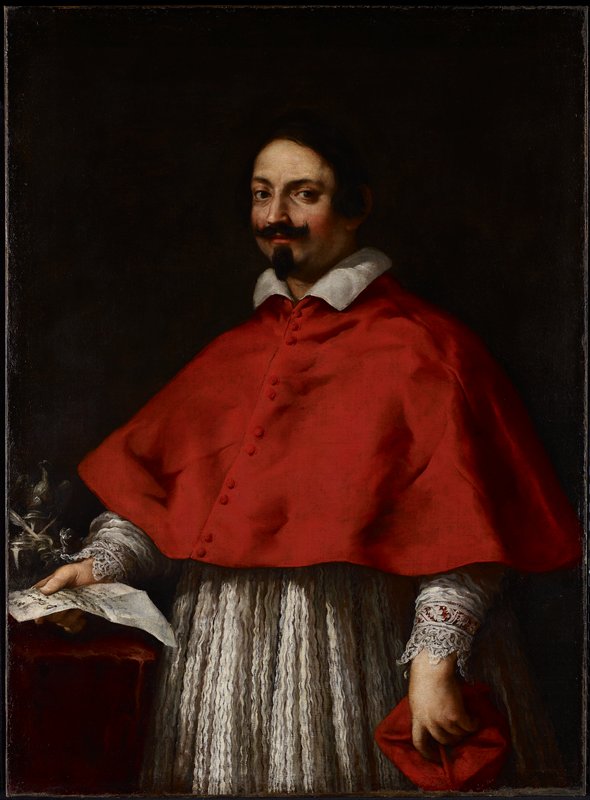
Portrait of Cardinal Pietro Maria Borghese, Pietro da Cortona, late 1620s–early 1630s

Portrait of Cardinal Pietro Maria Borghese

late 1620s–early 1630s · Minneapolis Institute of Art

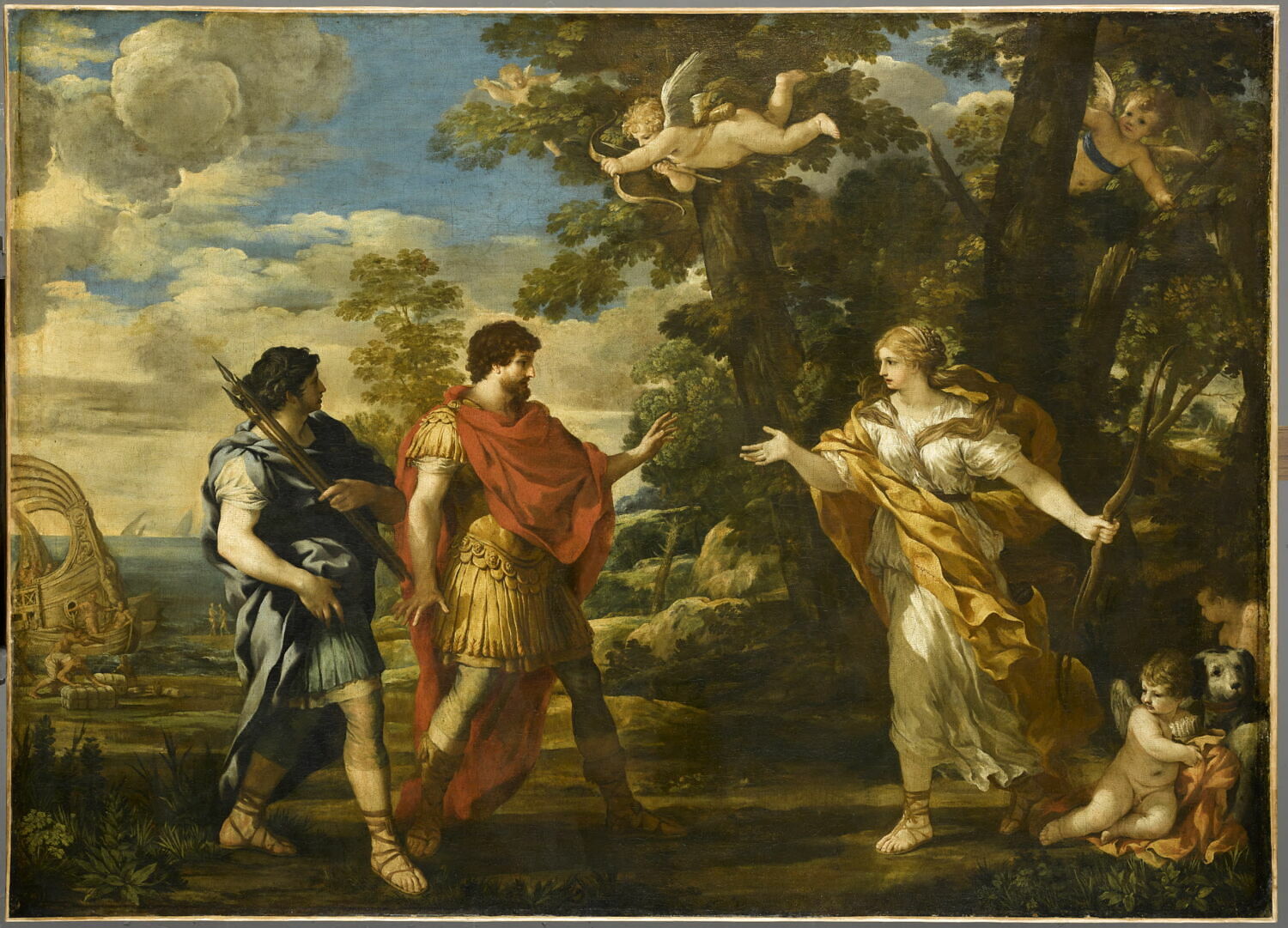
Vénus apparaissant à Énée, Cortone, Pierre de, 2e quart du XVIIe siècle (1625 - 1650)

Vénus apparaissant à Énée

2e quart du XVIIe siècle (1625 - 1650) · Louvre

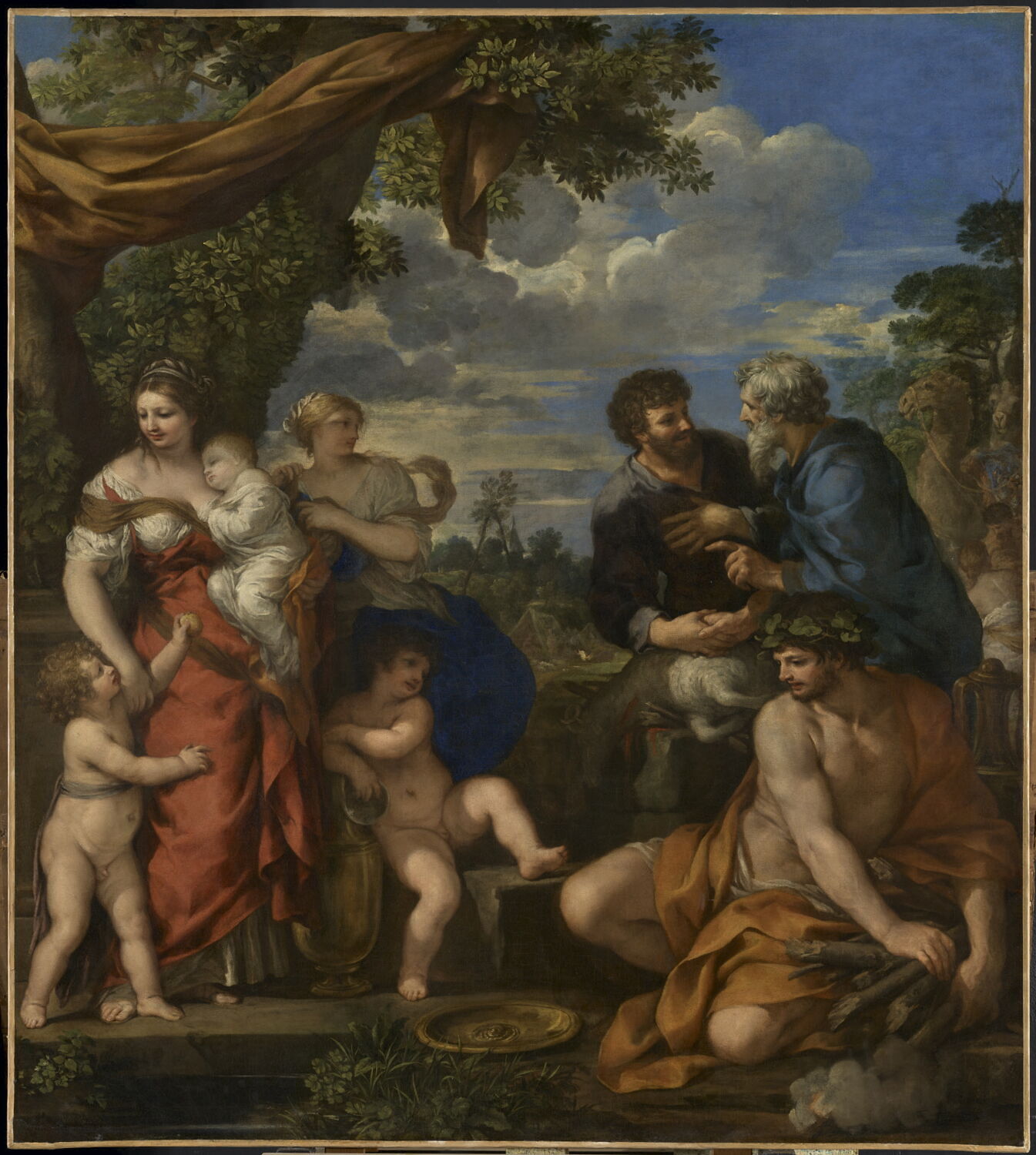
L'Alliance de Jacob et de Laban, Cortone, Pierre de, 2e quart du XVIIe siècle (1625 - 1650)

L'Alliance de Jacob et de Laban

2e quart du XVIIe siècle (1625 - 1650) · Louvre

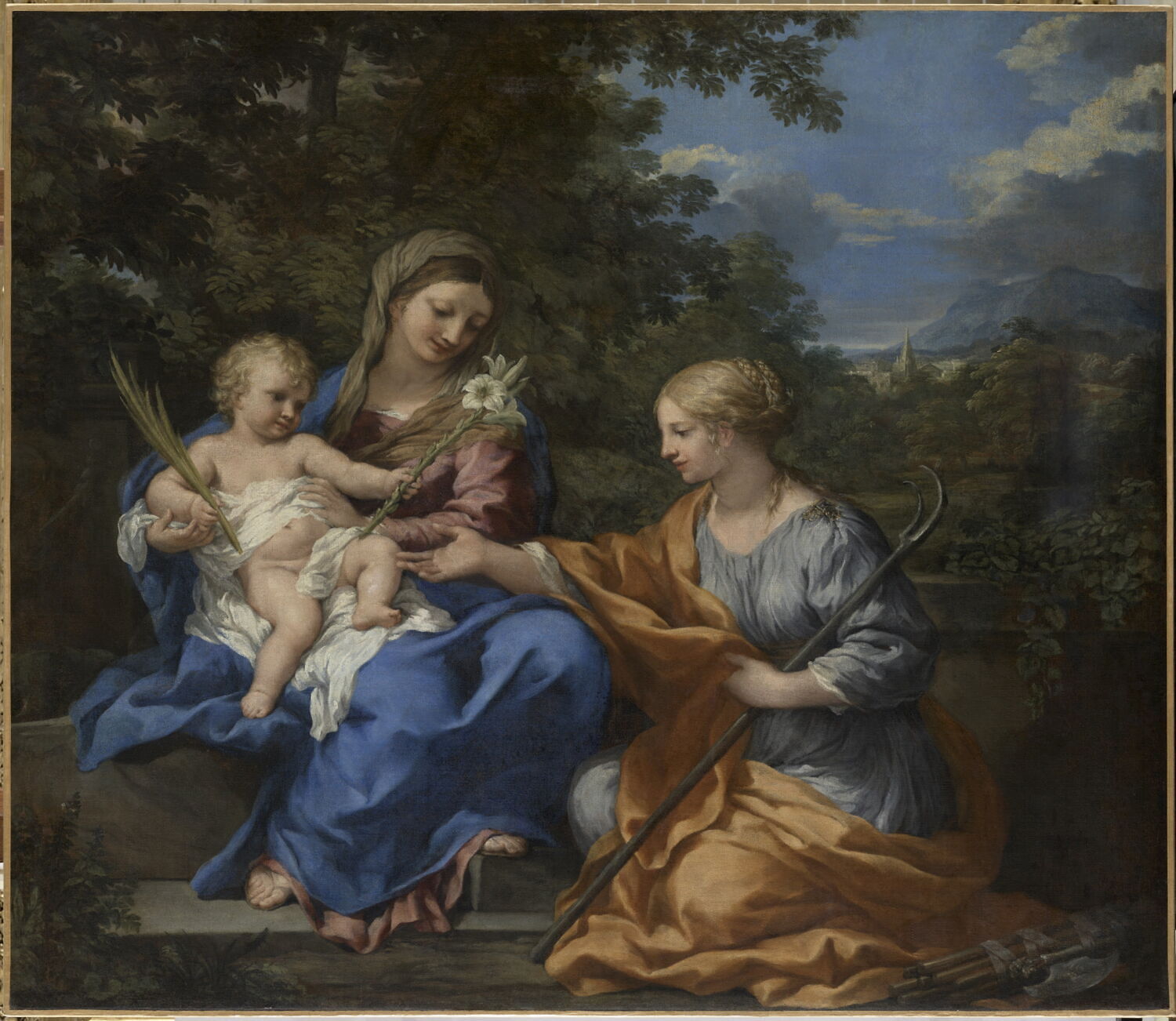
La Vierge à l'Enfant avec sainte Martine, Cortone, Pierre de, 2e quart du XVIIe siècle (1625 - 1650)

La Vierge à l'Enfant avec sainte Martine

2e quart du XVIIe siècle (1625 - 1650) · Louvre

Martyrdom of St Stephen, Pietro da Cortona, c. 1660

Martyrdom of St Stephen

c. 1660 · Eremitagen

Christ Appearing to Mary Magdalene, Pietro da Cortona, 17th century

Christ Appearing to Mary Magdalene

17th century · Ikke udstillet · Eremitagen

Christ and the Woman Taken in Adultery, Pietro da Cortona, 17th century

Christ and the Woman Taken in Adultery

17th century · Ikke udstillet · Eremitagen

Allegorie der Navigation mit dem Emblem und der Devise der Accademia Partentia. (Über der Landkarte fünf allegorische Figuren; links empfängt Zeus den Kardinalshut; ein Adler trägt einen Stein; rechts Prachtschiff und das Meer mit Segelschiffen), Pietro da Cortona

Allegorie der Navigation mit dem Emblem und der Devise der Accademia Partentia. (Über der Landkarte fünf allegorische Figuren; links empfängt Zeus den Kardinalshut; ein Adler trägt einen Stein; rechts Prachtschiff und das Meer mit Segelschiffen)

Albertina

I samme sal · Salle 716, Aile Denon, Niveau 1, Louvre

Museets side
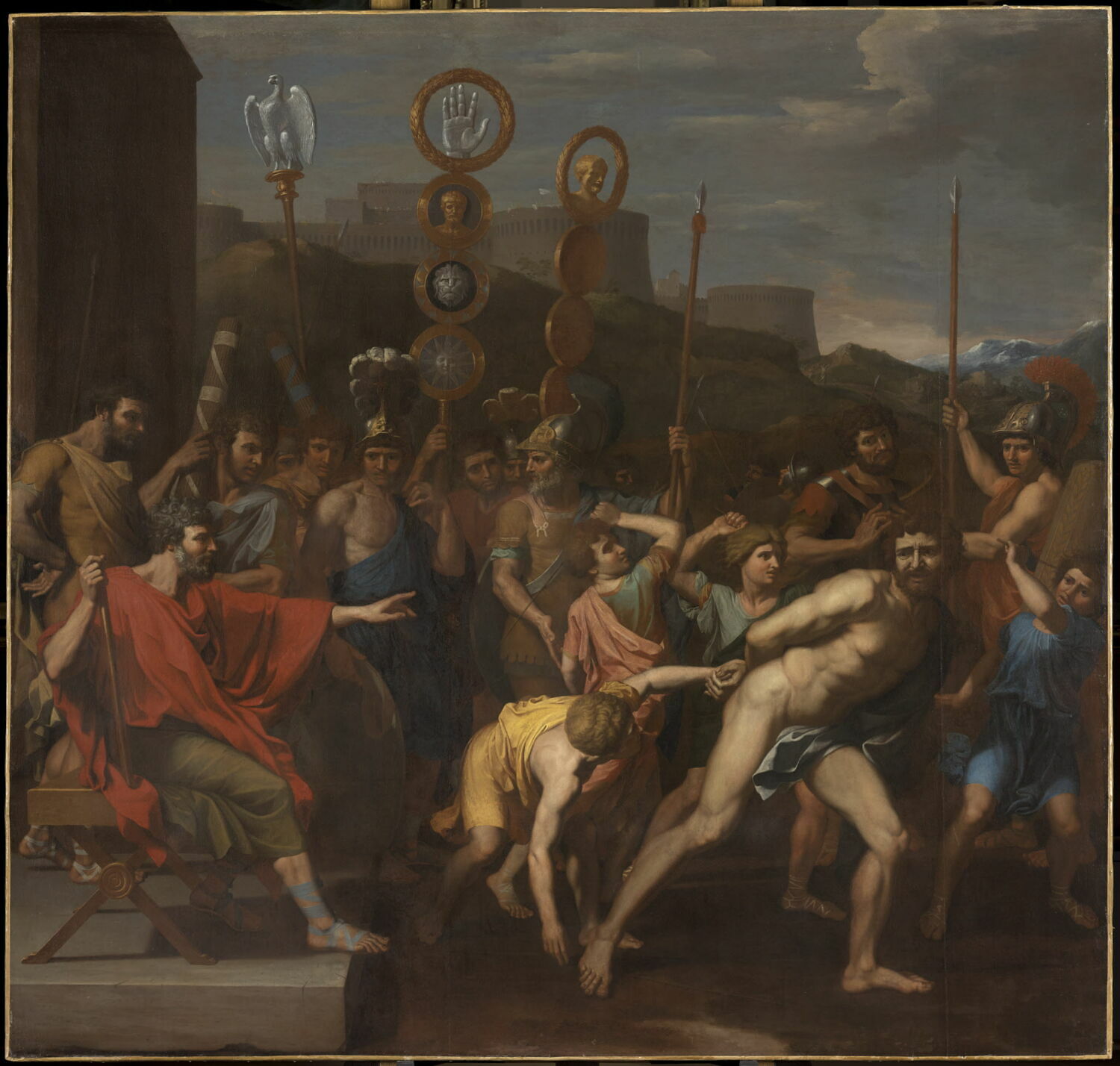
Camille livre le maître d'école de Faléries à ses écoliers, Poussin, Nicolas, 2e quart du XVIIe siècle (1637)

Nicolas Poussin

Camille livre le maître d'école de Faléries à ses écoliers, 2e quart du XVIIe siècle (1637)

L'enlèvement d'Hélène, Reni, Guido, 2e quart du XVIIe siècle (1631)

Guido Reni

L'enlèvement d'Hélène, 2e quart du XVIIe siècle (1631)

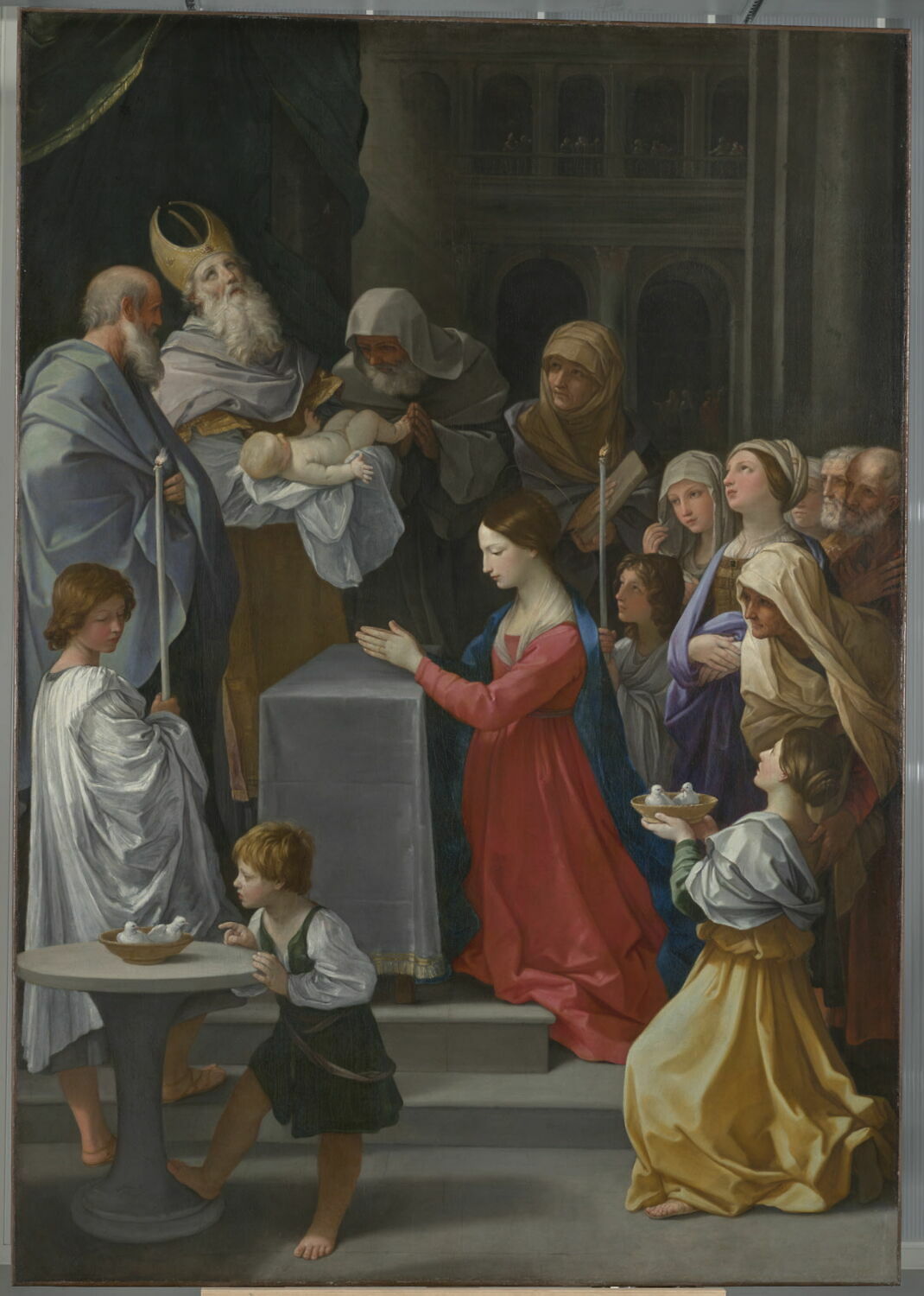
La Purification de la Vierge, Reni, Guido, 2e quart du XVIIe siècle (1625 - 1650)

Guido Reni

La Purification de la Vierge, 2e quart du XVIIe siècle (1625 - 1650)

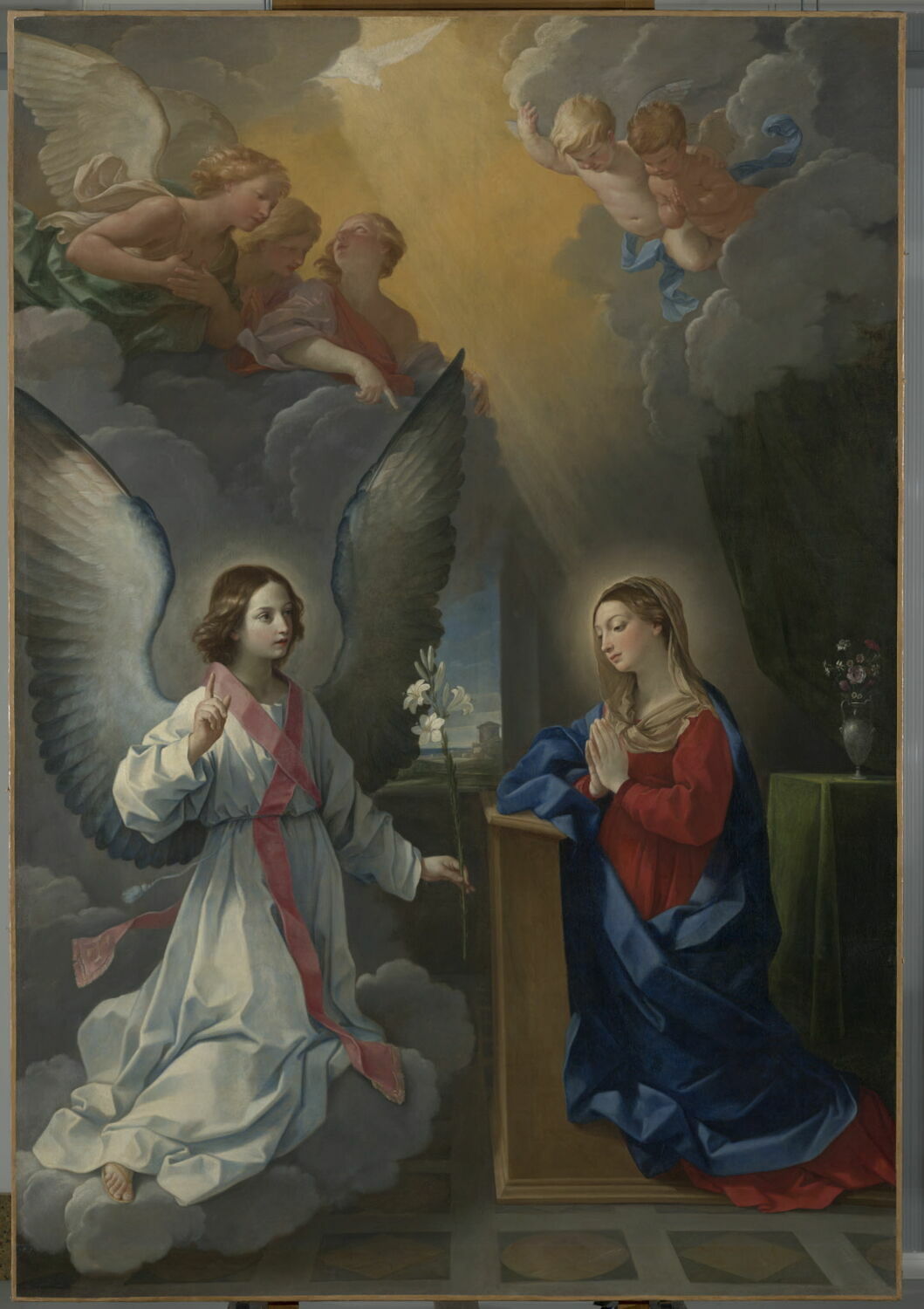
L' Annonciation, Reni, Guido, 2e quart du XVIIe siècle (1625 - 1650)

Guido Reni

L' Annonciation, 2e quart du XVIIe siècle (1625 - 1650)

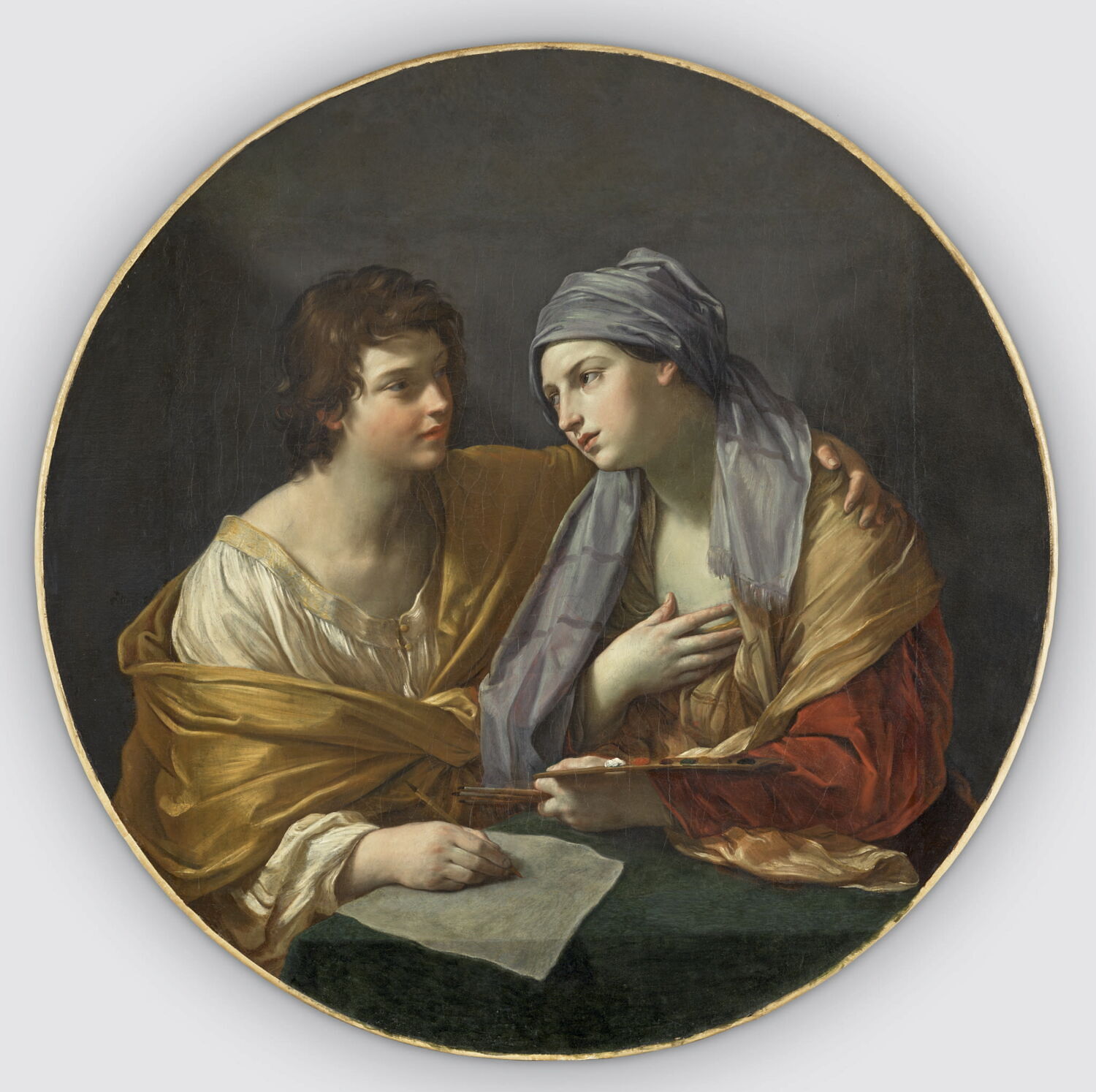
L'Union du Dessin et de la Couleur, Reni, Guido, 1e quart du XVIIe siècle (vers 1620 - 1625)

Guido Reni

L'Union du Dessin et de la Couleur, 1e quart du XVIIe siècle (vers 1620 - 1625)

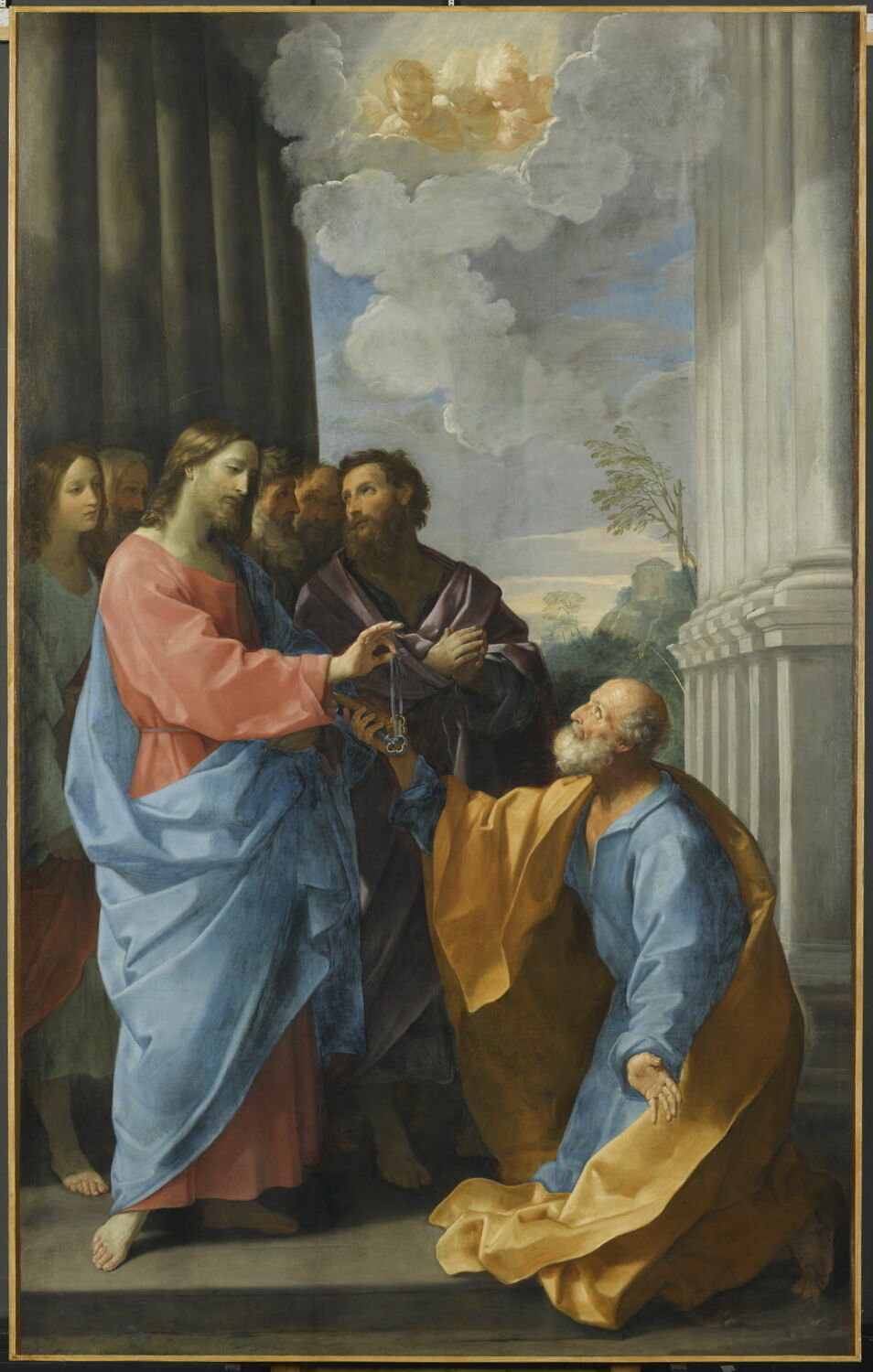
Le Christ remettant les clés à saint Pierre, Reni, Guido, 1e quart du XVIIe siècle (vers 1620 - 1625)

Guido Reni

Le Christ remettant les clés à saint Pierre, 1e quart du XVIIe siècle (vers 1620 - 1625)

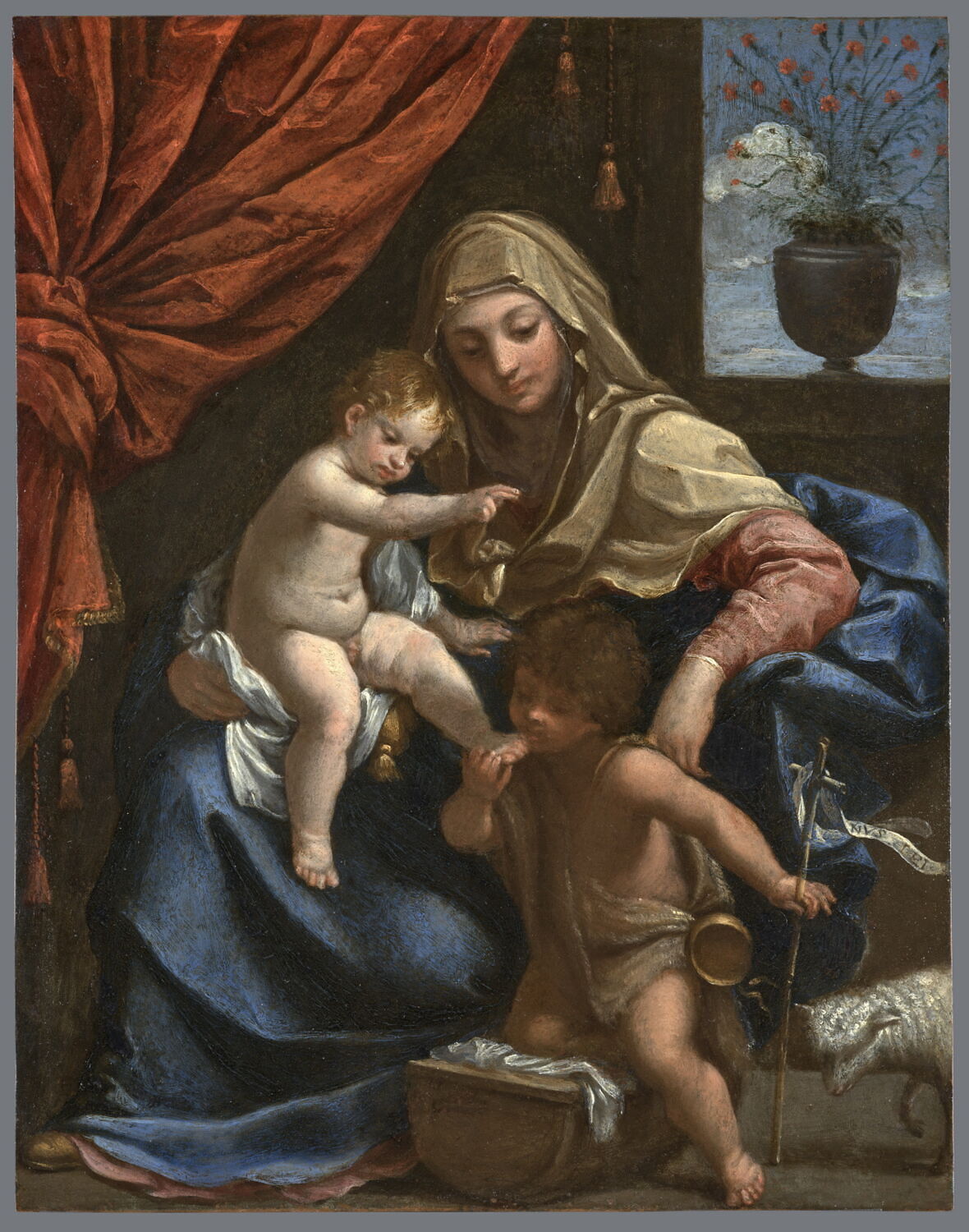
La Vierge, l'Enfant Jésus et saint Jean Baptiste, Reni, Guido, 1e moitié du XVIIe siècle (1600 - 1650)

Guido Reni

La Vierge, l'Enfant Jésus et saint Jean Baptiste, 1e moitié du XVIIe siècle (1600 - 1650)

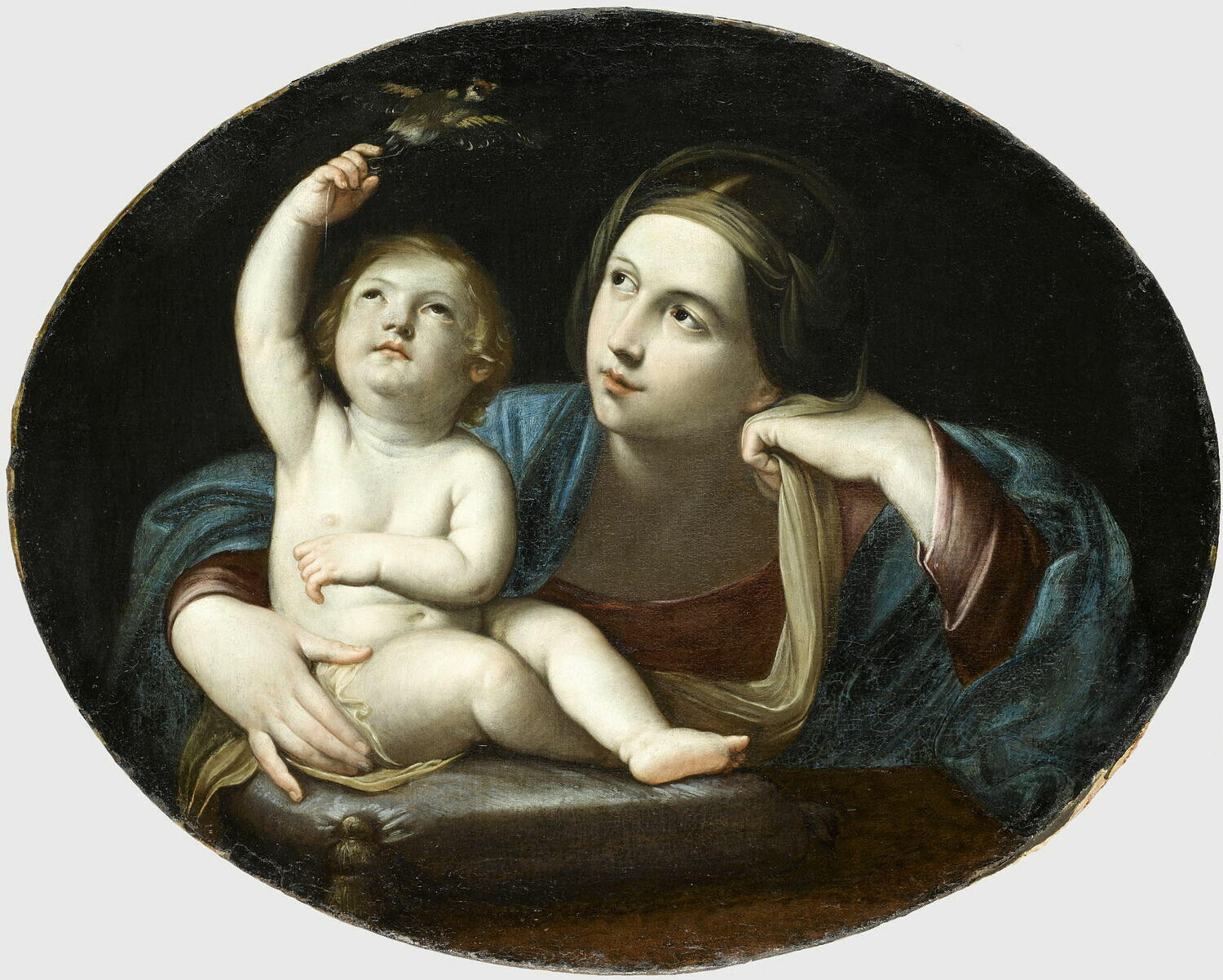
La Vierge avec l'Enfant Jésus jouant avec un oiseau, Reni, Guido, XVIIe siècle (1600 - 1700)

Guido Reni

La Vierge avec l'Enfant Jésus jouant avec un oiseau, XVIIe siècle (1600 - 1700)