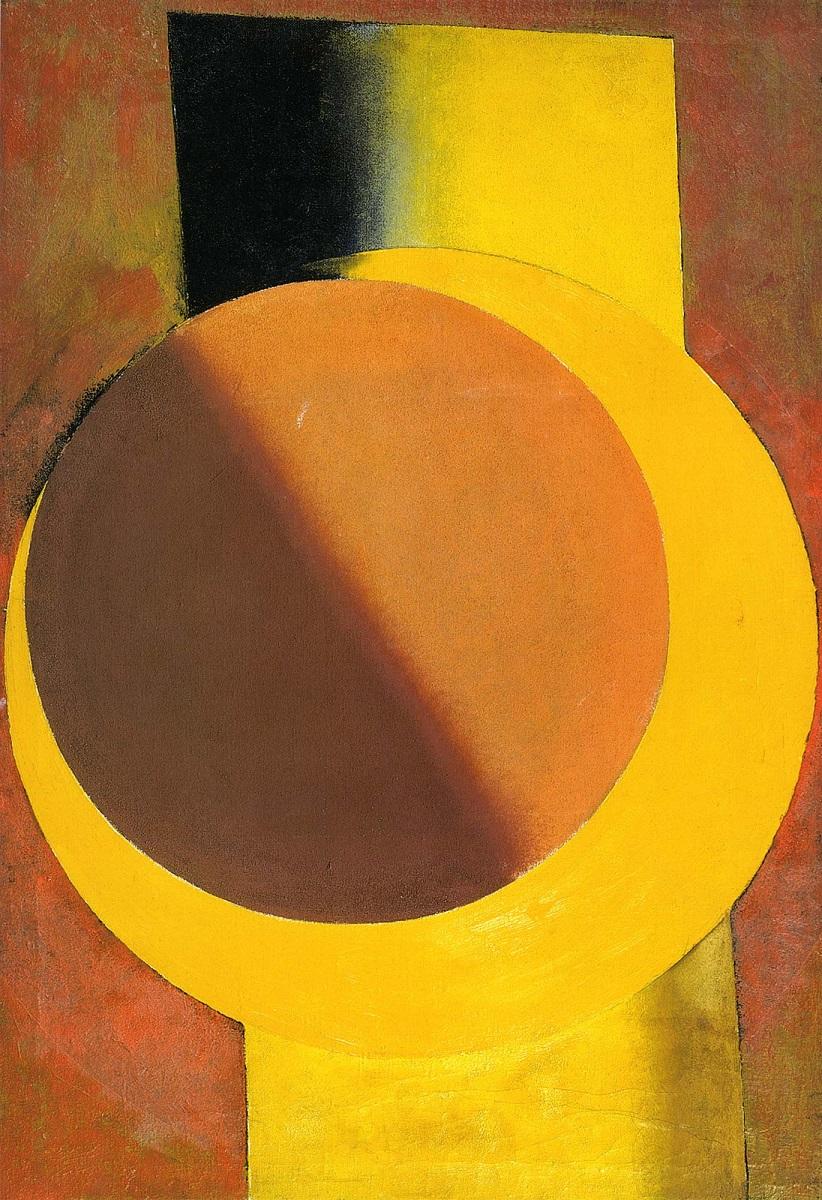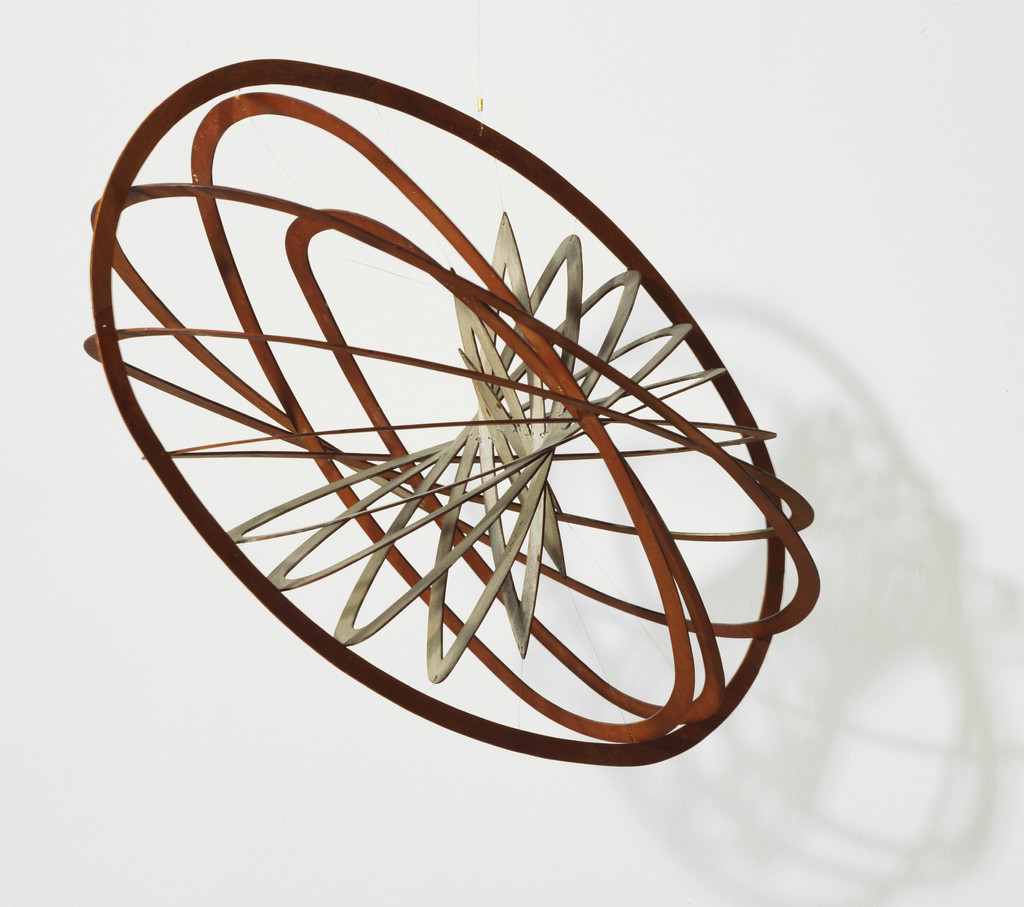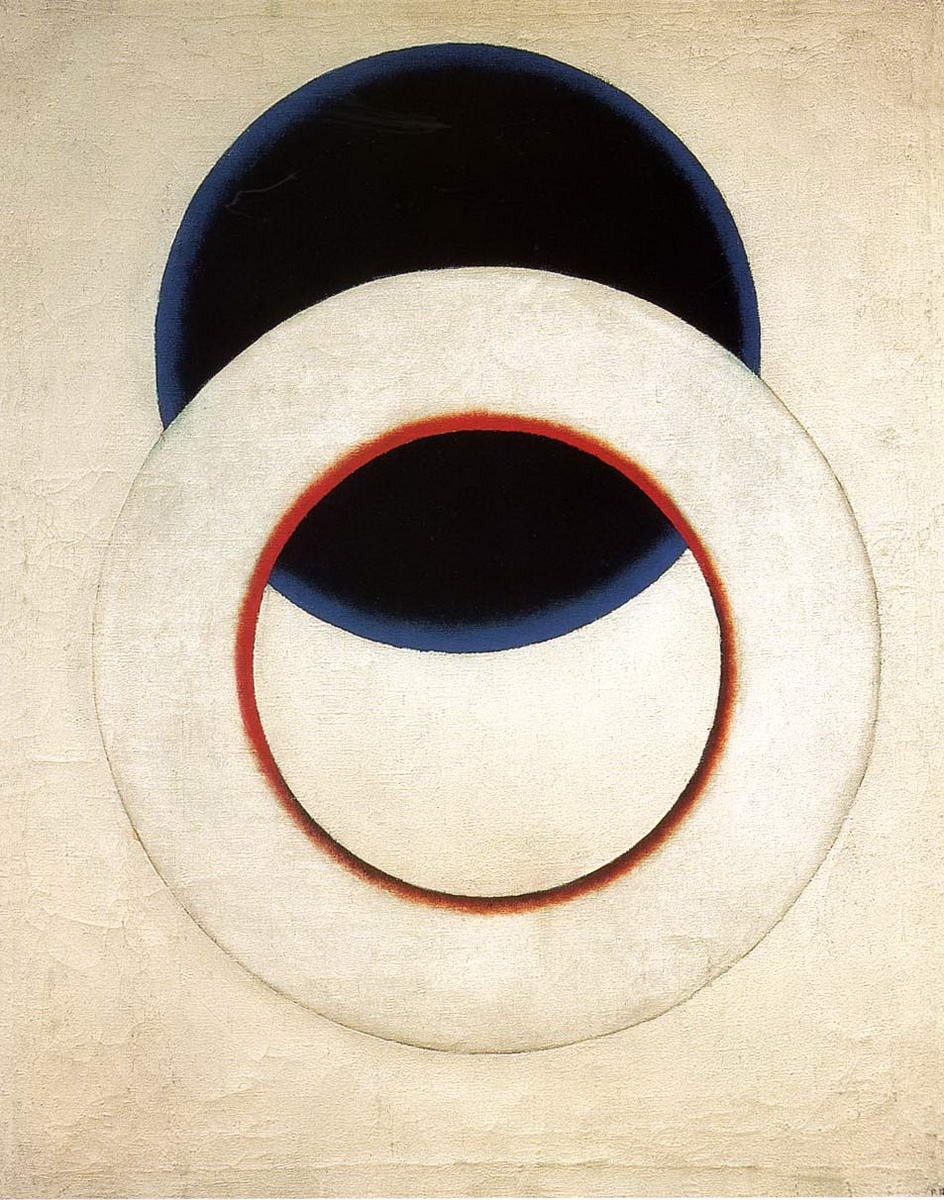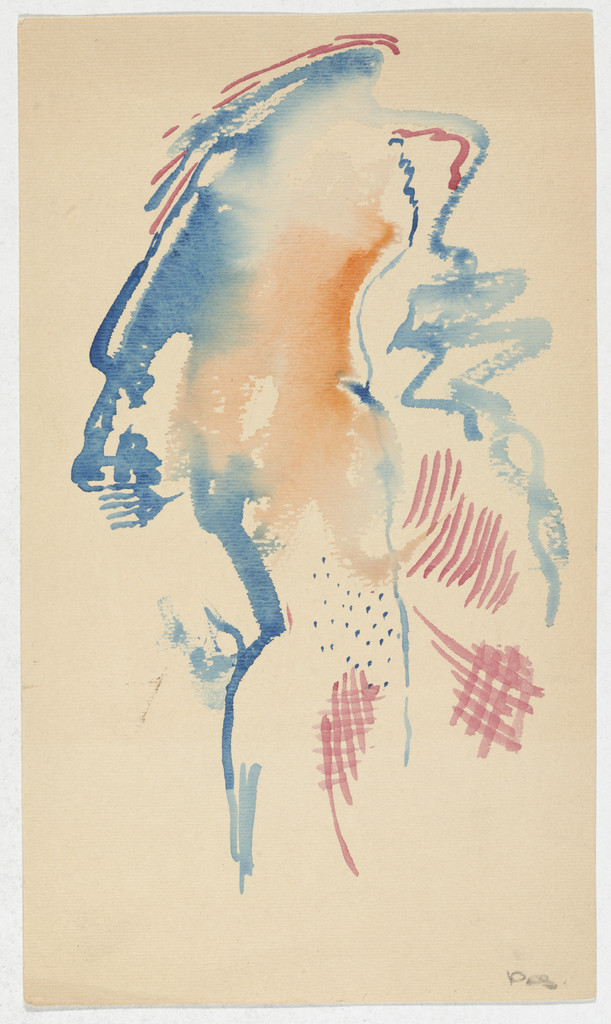
 Aleksandr RodchenkoRusland, 1891–1956
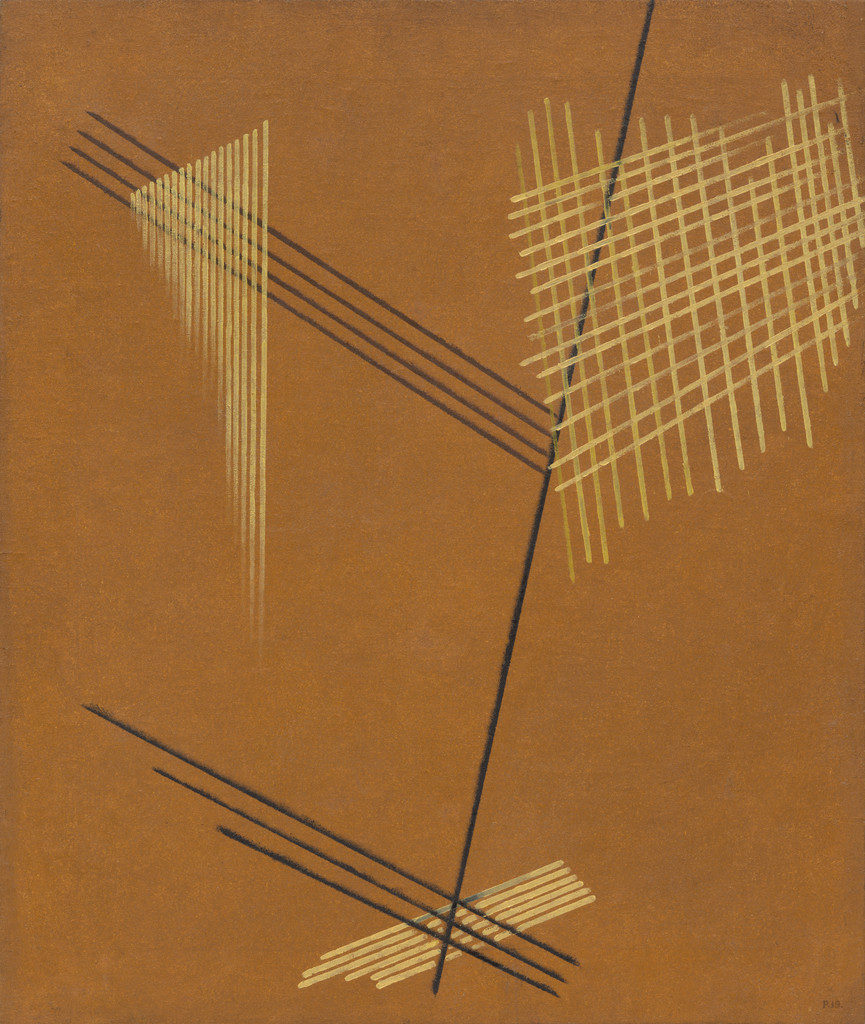
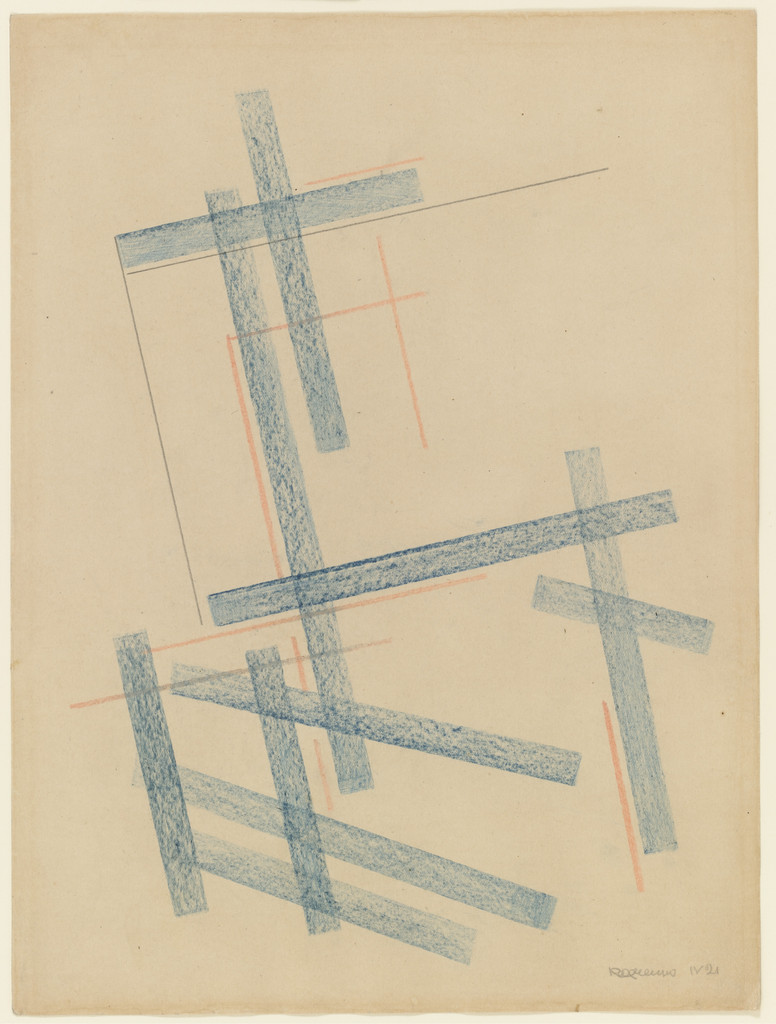
Line Construction
Må man se det?
Tager ikke imod for tiden

Museum of Modern Art
New York City, USA
Det hører til samlingen, men er ikke udstillet for tiden.
- Kontrolleret
- for 12 dage siden
- Kilde
- Museets egne samlingsdata
Oplysninger
- Inventarnummer
- 31.1936
Kilder
- Museum of Modern Art: the museum's own open data · hentet for 12 dage siden
- Billede: Museum of Modern Art — © the artist or rights holder
Imens i livet hos Aleksandr Rodchenko
Hele livet1920–1930
Professor at VKhUTEMAS/VKhUTEIN
For ten years Rodchenko teaches in the woodworking and metalworking faculties (merged into the Dermetfak in 1928), training students to design multifunctional objects for everyday life and public buildings, expressive through construction rather than ornament.
1921
Turns to Productivism
With Stepanova and Aleksei Gan, Rodchenko joins the Productivist group, which advocated bringing art into everyday life, and gives up painting for graphic design — posters, books and films. He also created the early corporate identity of the airline Dobrolyot (later Aeroflot), with its “Winged Hammer and Sickle” logo.
1921
“5×5=25”: three monochrome canvases
At the “5×5=25” exhibition in Moscow Rodchenko shows the first true monochrome paintings — red, blue and yellow. He later proclaimed that he had reduced painting to its logical conclusion: “I affirmed: it's all over.”
1921
Succeeds Kandinsky as head of Inkhuk
In 1921 Rodchenko succeeds Wassily Kandinsky as chairman of the Institute of Artistic Culture (Inkhuk), where he works until 1924.
1922
Works with Dziga Vertov
Rodchenko works intensively with the filmmaker Dziga Vertov, whose ideas and practice deeply influenced him.
1923–1928
LEF and Novy LEF with Mayakovsky
From 1923 to 1928 Rodchenko works closely with Mayakovsky — photographing him several times and designing and laying out LEF and Novy LEF, the Constructivists' publications; many of his photographs serve as their covers.