 José Clemente OrozcoMexico, 1883–1949
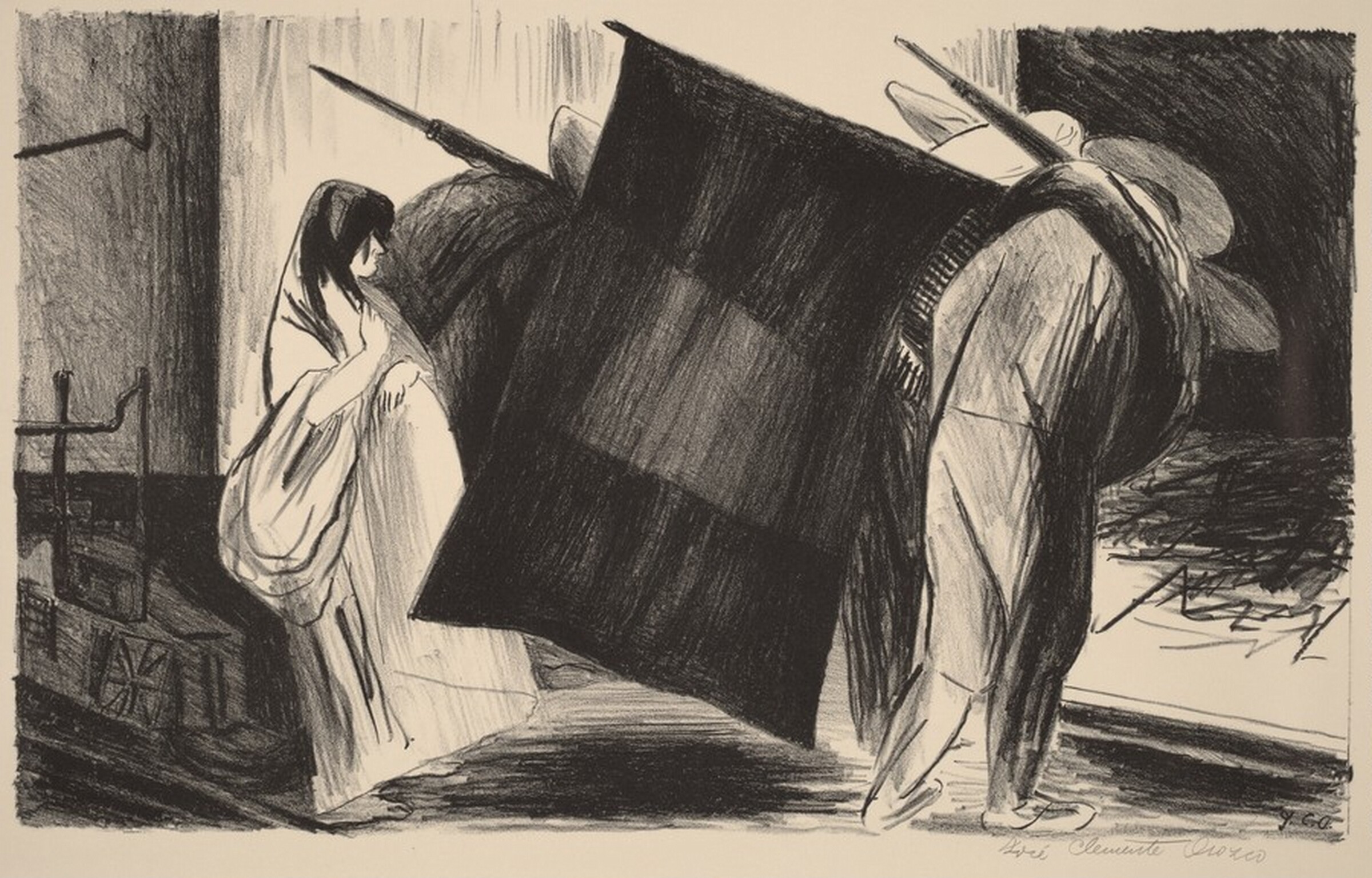
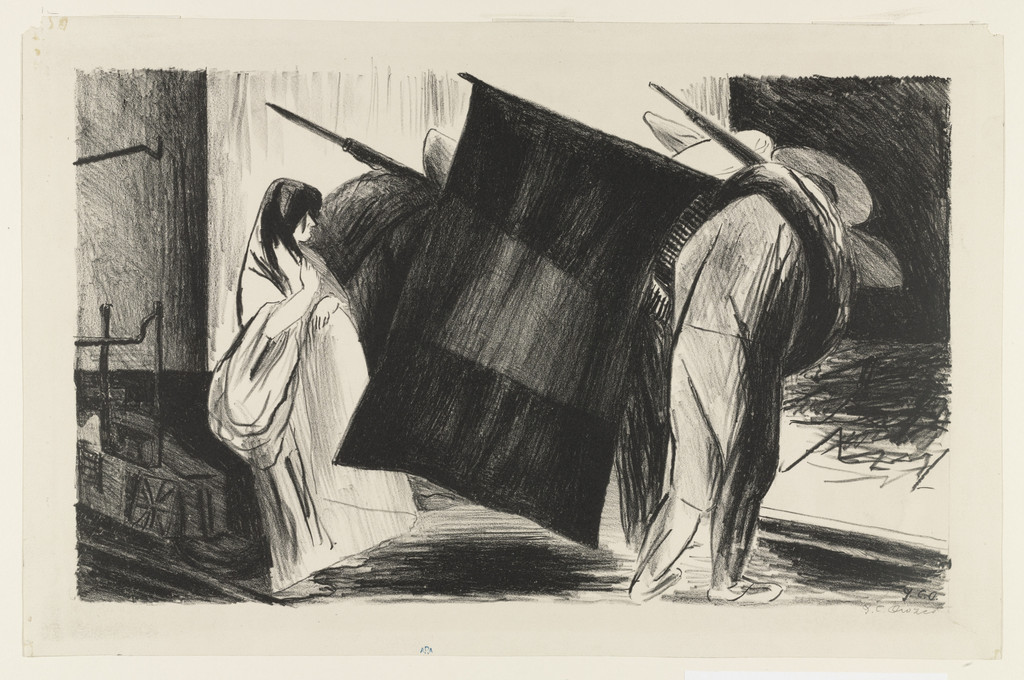
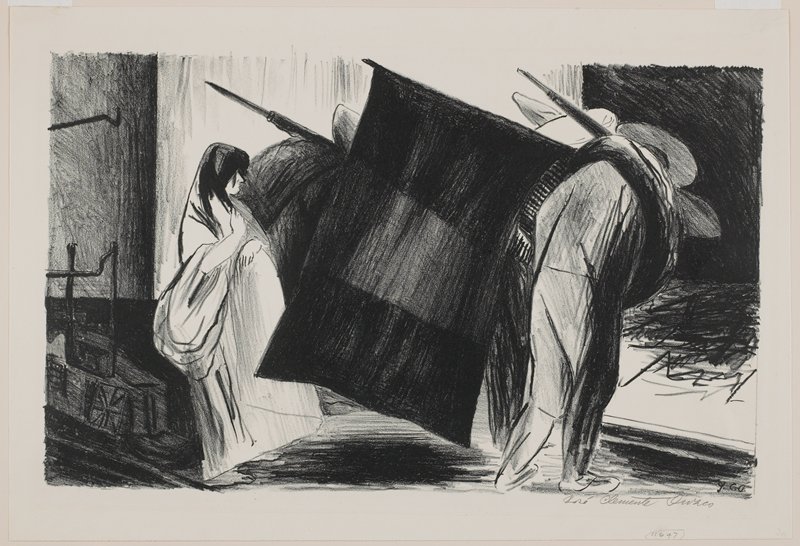
La Bandera
Kan det ses?
Ikke udstillet lige nu
Hvor er »La Bandera« i dag? Samling: Minneapolis Institute of Art, Minneapolis. Ikke udstillet lige nu. Kontrolleret 29. september 2026.

Minneapolis, USA
Det hører til samlingen, men er ikke udstillet for tiden.
- Kontrolleret
- Uændret siden
- Kilde
- Museet
Om værket
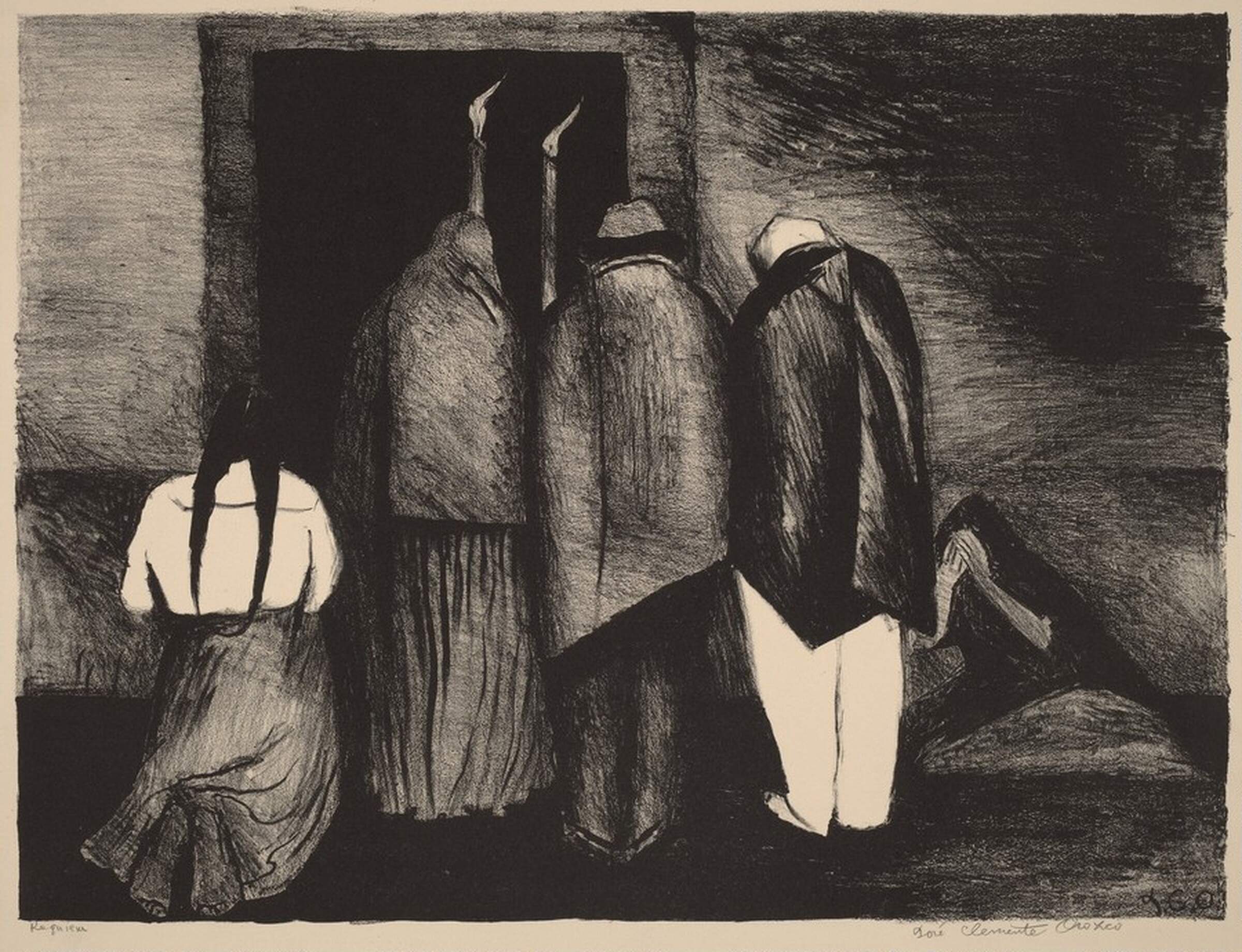
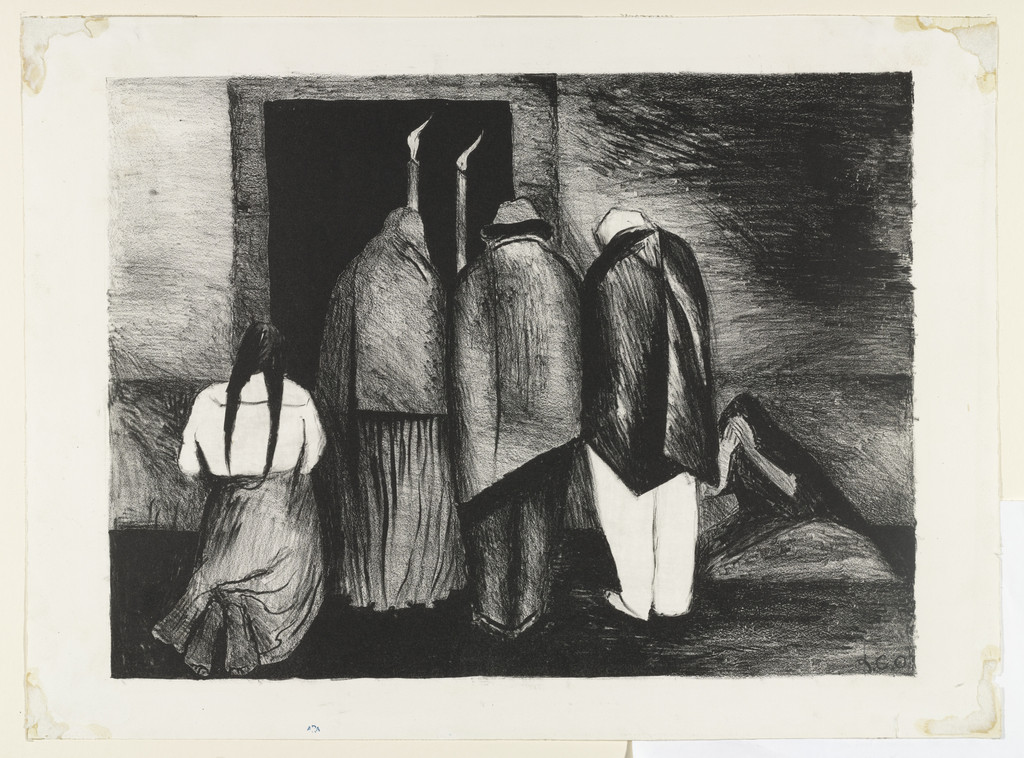
José Clemente Orozco was one of the greats of Mexican muralism. This series of lithographs, printed in the late 1920s, is based on a set of drawings that Orozco was commissioned to make in 1926 as illustrations for a book about the Mexican Revolution, to be published in the United States. The brutality of Orozco’s composi- tions shows his dark and tragic vision of the revolution, which led to the series becoming known as “Horrores de la Revolución (Horrors of the Revolution).” The artist selected four of the less violent drawings to be printed as lithographs. Orozco’s Mexico is not a triumphant, unified nation after the revolution; rather, it is a land of people struggling to survive in the shadow of violence and oppression.
Minneapolis Institute of Art
Oplysninger
- Inventarnummer
- P.11, 647
I kataloget
Kilder
- Minneapolis Institute of Art
- Billede: Minneapolis Institute of Art — © Minneapolis Institute of Art
Imens i livet hos José Clemente Orozco
Hele livet1926
Back at the school: repainting what was destroyed
His early panels caused serious political conflict and made Orozco stop work, as Siqueiros did; in 1926, under a new wave of social change, he returns to the school and finishes what he had begun. Some of the murals had been destroyed by Orozco himself and others vandalised by conservative students, so he had to repaint many of them.
1927–1934
The United States: “artist in residence” at colleges
In 1927–1934 Orozco again lives in the United States, working at colleges as an “artist in residence”: the master lives on the school’s campus while painting a mural and involves students in his work.
1930
Edward Weston photographs Orozco
In 1930 Edward Weston makes a portrait of Orozco, which was the artist’s own favourite; Weston considered it one of his finest portraits.