 Robert RauschenbergUSA, 1925–2008
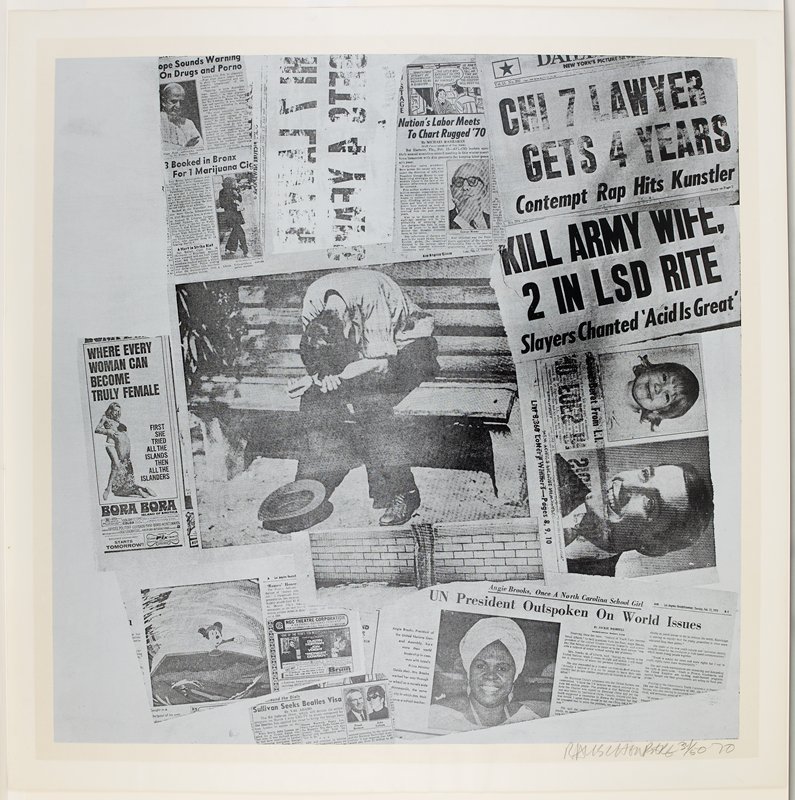
Features from Currents 58
Må man se det?
Tager ikke imod for tiden

Minneapolis Institute of Art
Minneapolis, USA
Det hører til samlingen, men er ikke udstillet for tiden.
- Kontrolleret
- i forgårs
- Uændret siden
- 25. sep. 2026
- Kilde
- Museets egne samlingsdata
Om værket
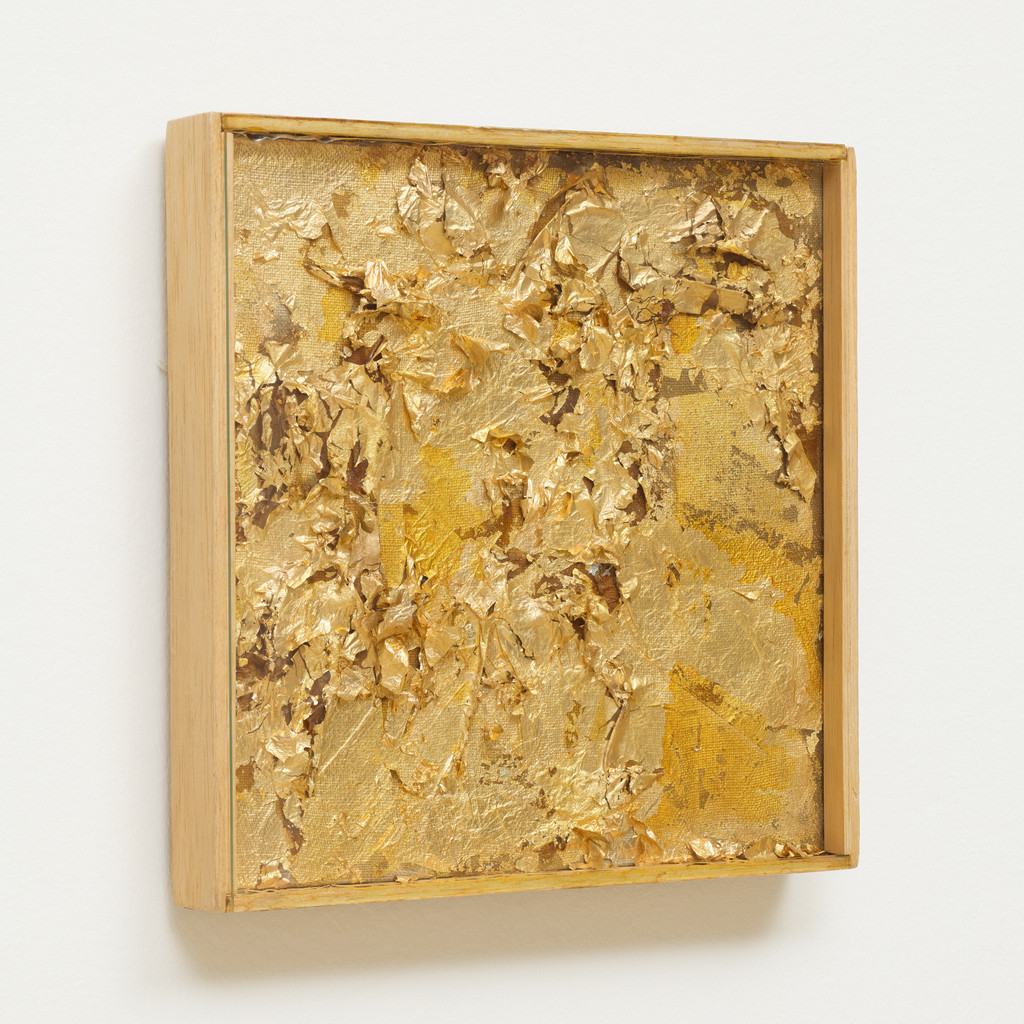
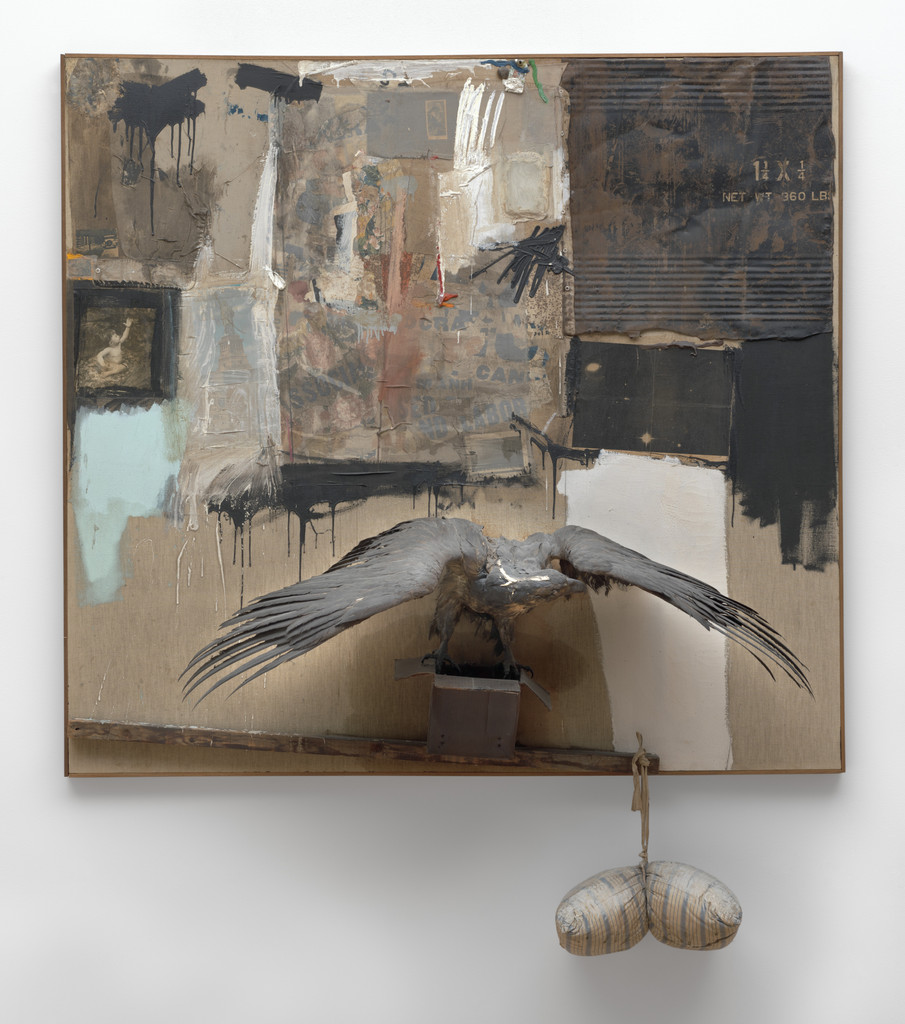
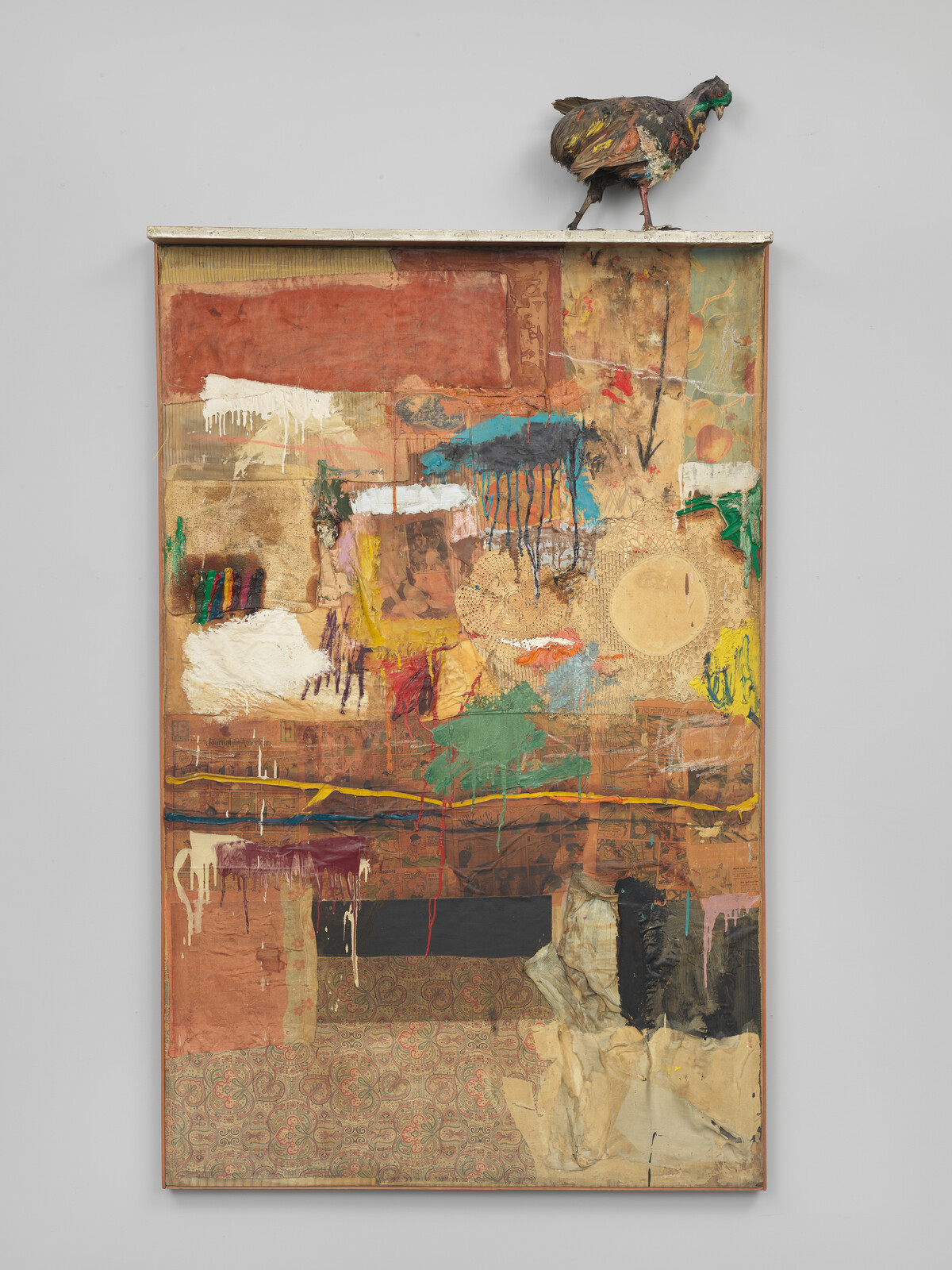
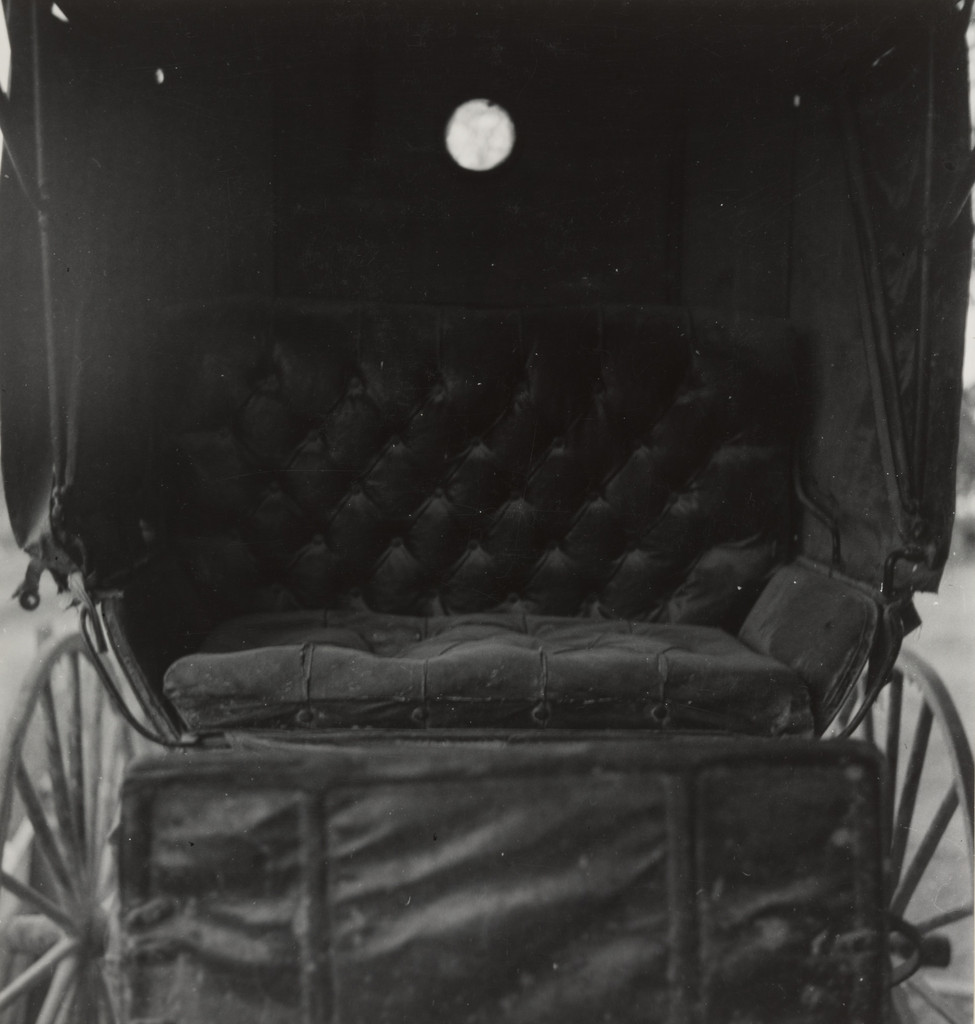
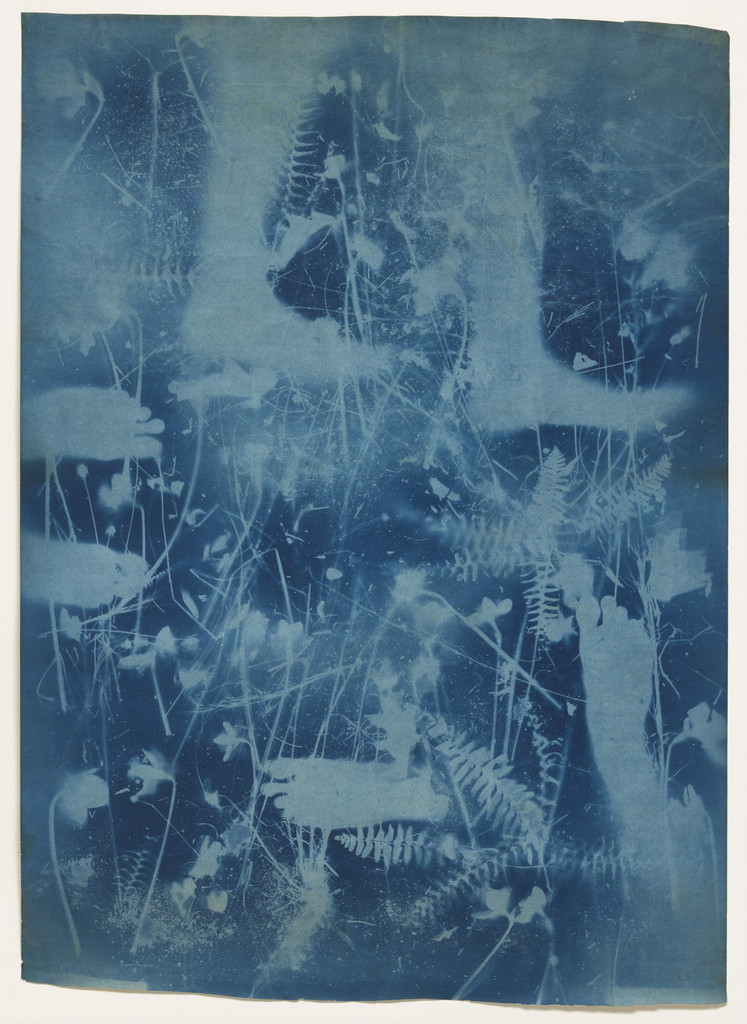
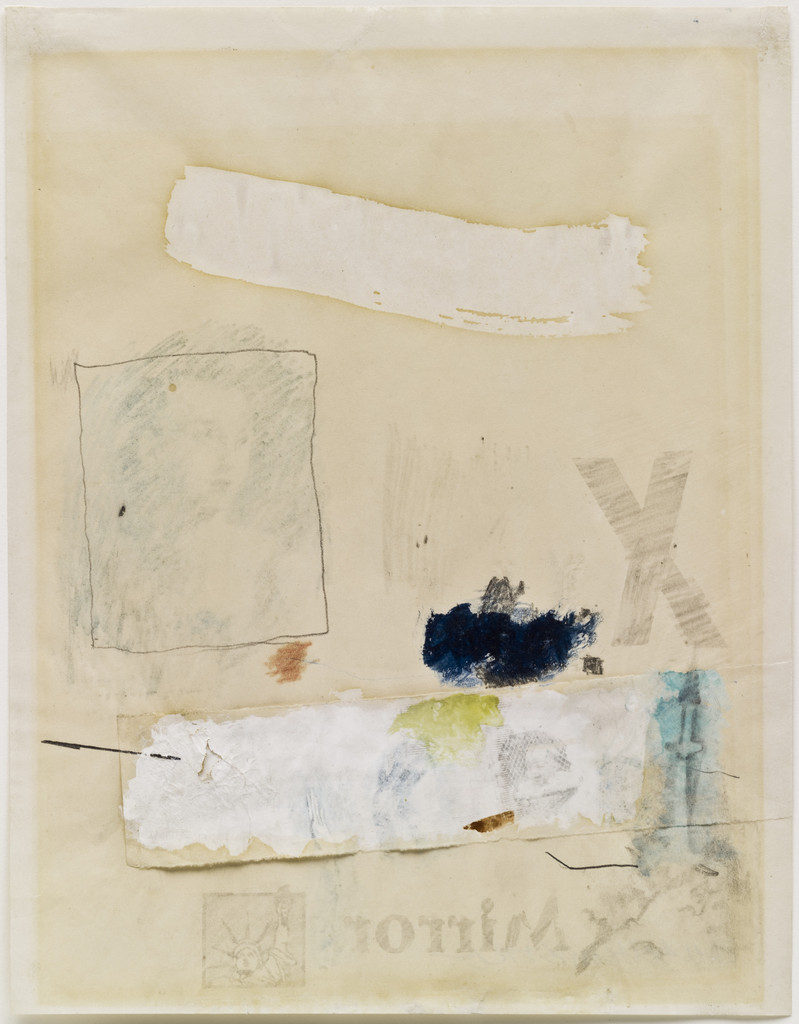
Like the Surface Series from Currents, the Features Series screenprints were based on unique newspaper collages that Rauschenberg produced in September 1969 as part of an exhibition project at Dayton's Gallery 12, one of Minneapolis's leading contemporary art galleries at the time. There are 18 prints in each series.
Minneapolis Institute of Art
Oplysninger
- Inventarnummer
- P.94.40.1
I kataloget
Kilder
- Minneapolis Institute of Art: the museum's own open data · hentet for 5 dage siden
- Billede: Minneapolis Institute of Art — Robert Rauschenberg, Features from Currents 58, 1970 © Robert Rauschenberg Foundation
Imens i livet hos Robert Rauschenberg
Hele livet27. juni 1968 – 6. oktober 1968
Exhibition: 4. documenta
26 July 1968
Buys a house on Captiva Island
On 26 July 1968 Rauschenberg bought the Beach House, his first property on Captiva Island off the Florida coast, though it did not become his permanent home until the autumn of 1970. Other accounts date the purchase to 1970.
1969
Watches the Apollo 11 launch at NASA's invitation
NASA invited Rauschenberg to witness the launch of Apollo 11. In response he created his “Stoned Moon” series of lithographs, combining diagrams and images from NASA's archives with his own drawings and handwritten text.
autumn 1970
Moves to Captiva for good
From the autumn of 1970 the Captiva house became Rauschenberg's permanent home and studio. The first works made there were the “Cardboards” (1971–72) and “Early Egyptians” (1973–74) series, from locally sourced cardboard and sand: instead of urban imagery he now favoured the natural fibres of fabric and paper.
1970
Sets up Change, Inc. to help artists
Rauschenberg created Change, Inc., a programme awarding one-time emergency grants of up to $1,000 to visual artists in financial need.
1970
Helps create the Pepsi Pavilion at Expo '70 in Osaka
Rauschenberg took part in creating the Pepsi Pavilion for the 1970 World Exposition in Osaka; the opening was directed by the choreographer and artist Remy Charlip.