ART WIKI32.963 udstillet
KortSamlingKunstnereMuseerUdstillingerJournal
Log ind

ART WIKI

Hvor mesterværket hænger, og hvornår man bliver lukket ind.

Samlinger: Art Institute of Chicago, Det Russiske Museum, Eremitagen, Getty Villa, Harvard Art Museums, Hirshhorn Museum and Sculpture Garden, J. Paul Getty Museum, Louvre, Metropolitan Museum of Art, Minneapolis Institute of Art, Museum of Modern Art, National Gallery of Art, National Museum of Asian Art, National Portrait Gallery (Smithsonian), Pusjkinmuseet, Rijksmuseum Amsterdam, Smithsonian American Art Museum, Statens Museum for Kunst, The Cleveland Museum of Art, Tretjakovgalleriet, Victoria and Albert Museum, Whitney Museum of American Art, Ruslands statskatalog over museumsfonden (274 museer), Europeana (19 museer), Wikidata (6 museer), Paris Musées (12 museer) og Joconde, det franske kulturministeriums museumsdatabase (495 museer). Billederne tilhører deres rettighedshavere.

Afsnit

  • Kort
  • Søgning
  • Samling
  • Mesterværker
  • Udstillet nu
  • Kunstnere

Mere

  • Museer & gallerier
  • Udstillinger
  • Journal
  • Hvor data kommer fra
  • Privatliv & cookies
ForsideKortKatalog
  1. Samling/
  2. Museum of Modern Art/
  3. Famiglia
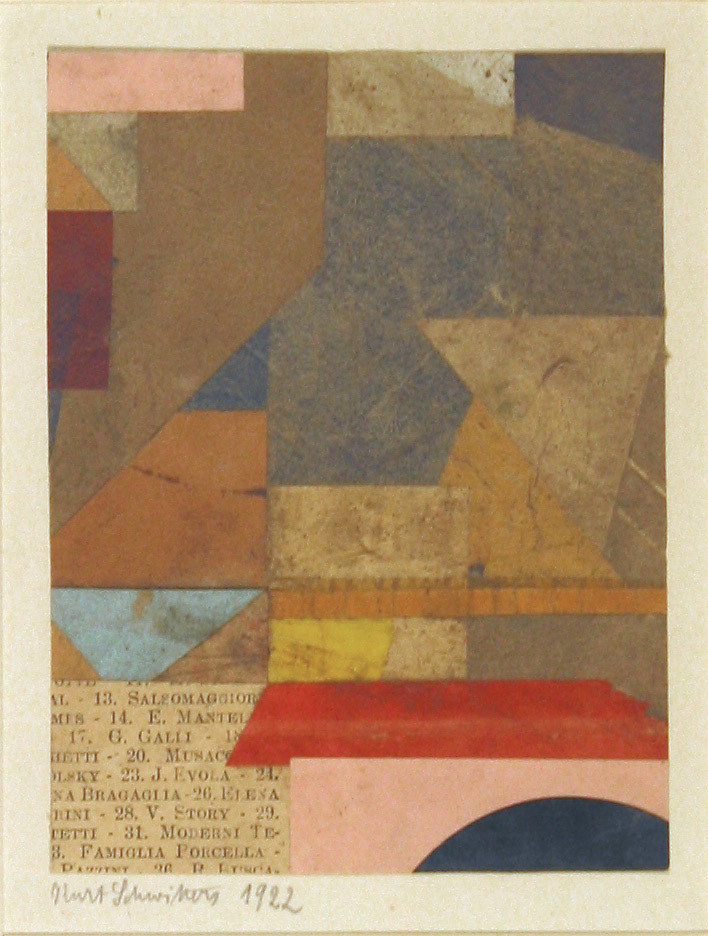
Famiglia, Kurt Schwitters, 1922
Kurt Schwitters, portrætKurt SchwittersTyskland, 1887–1948

Famiglia

1922 · Drawing

Må man se det?

Tager ikke imod for tiden

Museum of Modern Art

New York City, USA

Det hører til samlingen, men er ikke udstillet for tiden.

Kontrolleret
for 9 dage siden
Kilde
Museet
På kortetMuseets side

Oplysninger

1922 · 35 år gammel
18871948
Inventarnummer
650.1967

I kataloget

Tegninger & akvarellerModernisme1900-tallet

Kilder

  • Museum of Modern Art
  • Billede: Museum of Modern Art — © the artist or rights holder

Imens i livet hos Kurt Schwitters

Hele livet
  1. 1919–1920

    From friendship to a quarrel with Huelsenbeck

    When they first meet in 1919, Richard Huelsenbeck is enthusiastic about Schwitters’s work and promises his help, while Schwitters finds an outlet for Huelsenbeck’s Dada publications; by mid-1920 the two fall out — either over the success of the poem ‘An Anna Blume’, which Huelsenbeck thought un-Dadaist, or over quarrels about Schwitters’s contribution to ‘Dadaco’, a Dada atlas Huelsenbeck was editing.

  2. from 1920

    His work is regularly shown in the United States

    Thanks to his lifelong patron and friend Katherine Dreier, his work is exhibited regularly in the United States from 1920 onwards.

  3. 1920s

    Lecture and recital tours across Europe

    Together with other members of the international avant-garde — Jean Arp, Raoul Hausmann and Tristan Tzara — he organises and takes part in tours of provocative evening recitals and lectures in Czechoslovakia, the Netherlands and Germany.

  4. 1922–1923

    Dada evenings in the Netherlands with Van Doesburg

    In 1922 Theo van Doesburg organises Dada performances in Amsterdam, Leiden, Utrecht and The Hague: the Dadaists he invites decline, and the programme is carried by Theo van Doesburg, Nelly van Doesburg (performing as Petrò van Doesburg), Schwitters and sometimes Vilmos Huszár. Schwitters’s solo evening takes place on 13 April 1923 in Drachten, where he later stays often with the local painter Thijs Rinsema and makes collages, probably together with him.

  5. 1923–1932

    Publishes the periodical ‘Merz’

    The periodical appears from 1923 to 1932, each issue devoted to a central theme: no. 5 (1923) is a portfolio of prints by Jean Arp, and double issue 8/9 (1924) is edited and typeset by El Lissitzky, whose friendship proves particularly influential and brings Schwitters’s pictures closer to Constructivism. In all, 21 issues appeared; by numbering, the last is no. 24.

  6. after 1924

    Runs the advertising agency Merzwerbe

    After the demise of the Der Sturm gallery in 1924 he runs an advertising agency, Merzwerbe, whose clients include Pelikan inks and Bahlsen biscuits. Designs, test prints and proof sheets from these jobs often crop up in his Merz pictures.
Mere af Kurt Schwitters

Alle værker
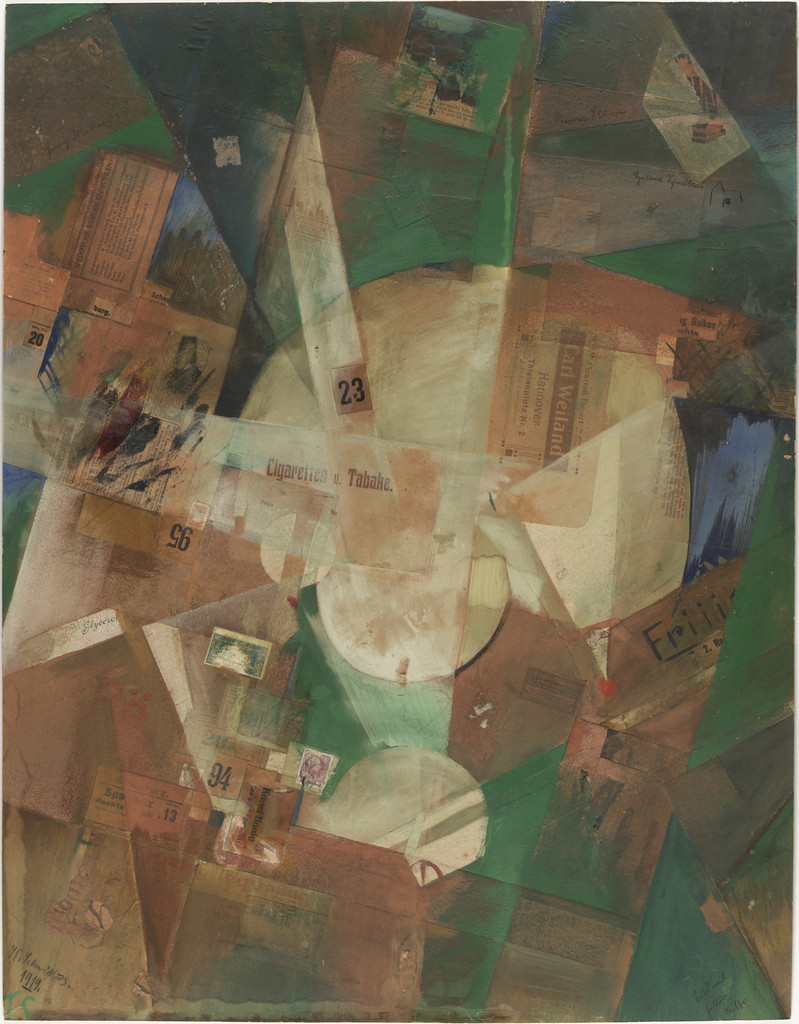
Picture with Light Center (Bild mit heller Mitte), Kurt Schwitters, 1919

Picture with Light Center (Bild mit heller Mitte)

1919 · Museum of Modern Art

Untitled, Kurt Schwitters, c. 1946

Untitled

c. 1946 · Art Institute of Chicago

For the Modern, Kurt Schwitters, 1947

For the Modern

1947 · Art Institute of Chicago

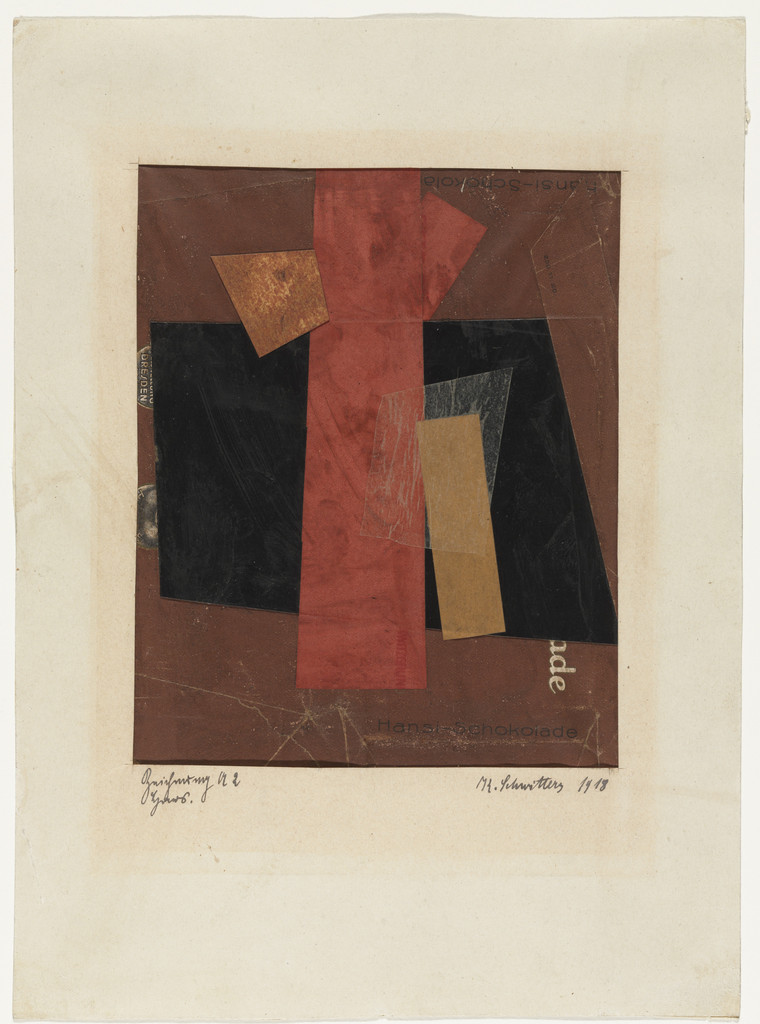
Drawing A2: Hansi, Kurt Schwitters, 1918

Drawing A2: Hansi

1918 · Ikke udstillet · Museum of Modern Art

Untitled, Kurt Schwitters, 1919

Untitled

1919 · Ikke udstillet · National Gallery of Art

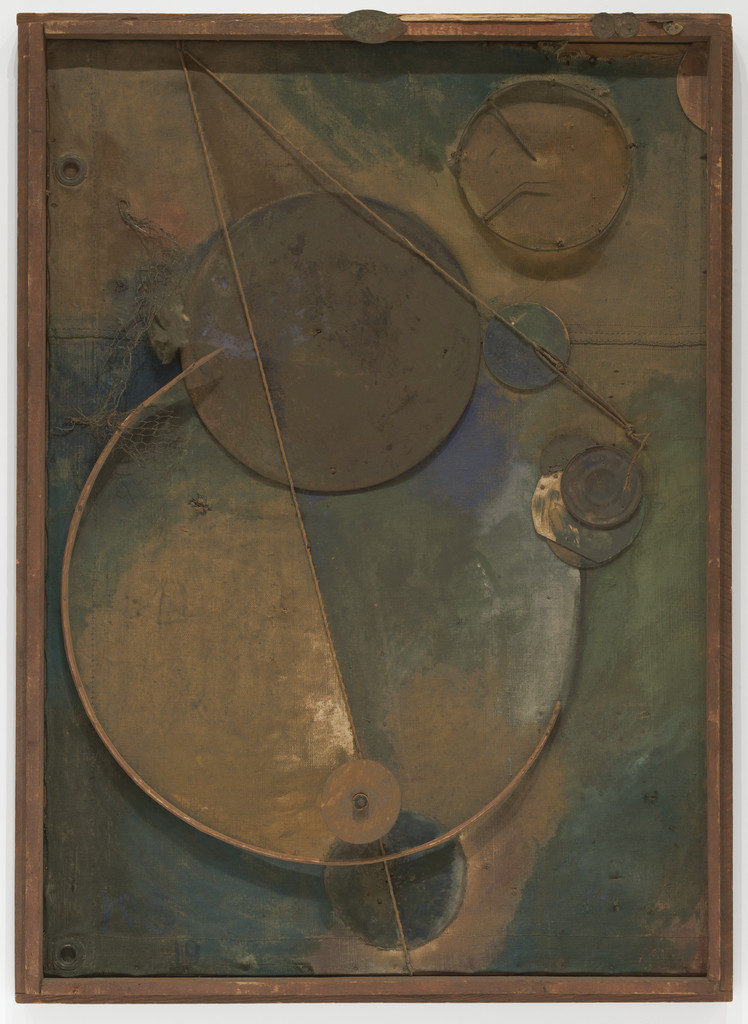
Revolving, Kurt Schwitters, 1919

Revolving

1919 · Ikke udstillet · Museum of Modern Art

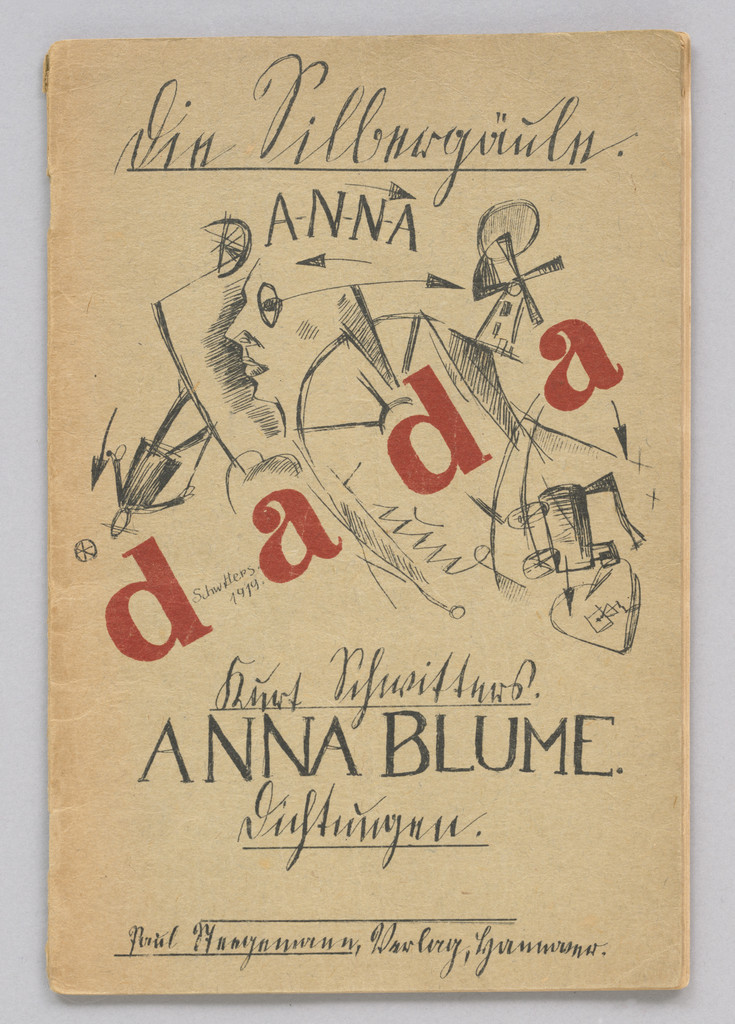
Anna Blume: Dichtungen (Die Silbergäule, vol. 39/40), Kurt Schwitters, 1919

Anna Blume: Dichtungen (Die Silbergäule, vol. 39/40)

1919 · Ikke udstillet · Museum of Modern Art

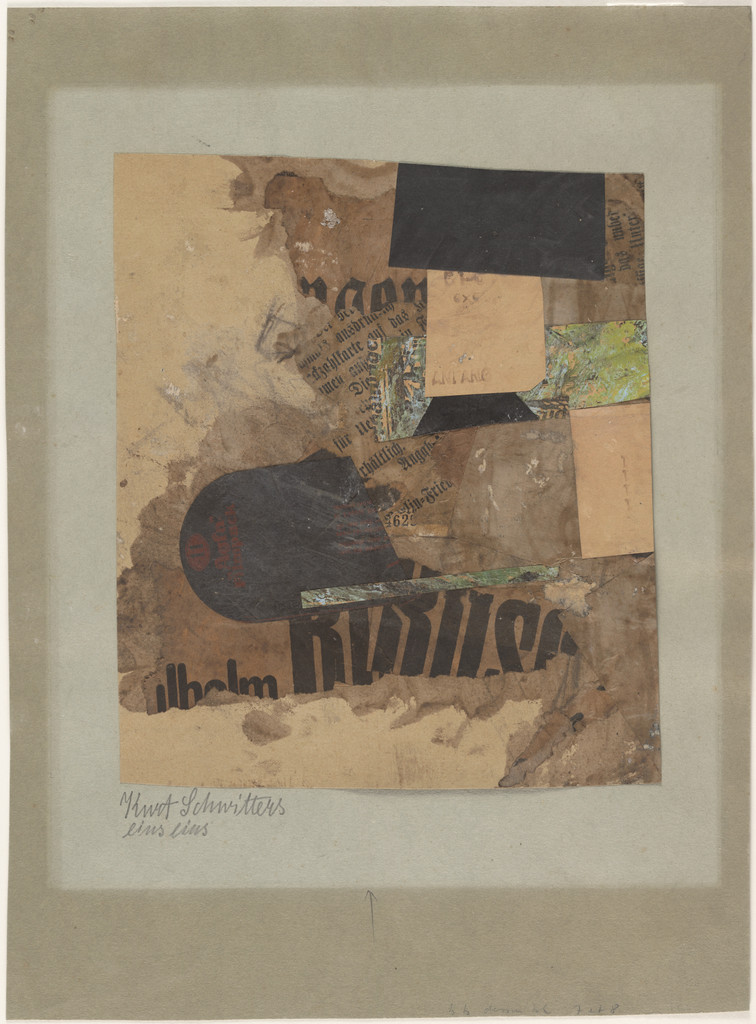
One One (Eins Eins), Kurt Schwitters, 1919–20

One One (Eins Eins)

1919–20 · Ikke udstillet · Museum of Modern Art

Naboer på Museum of Modern Art

Museets side
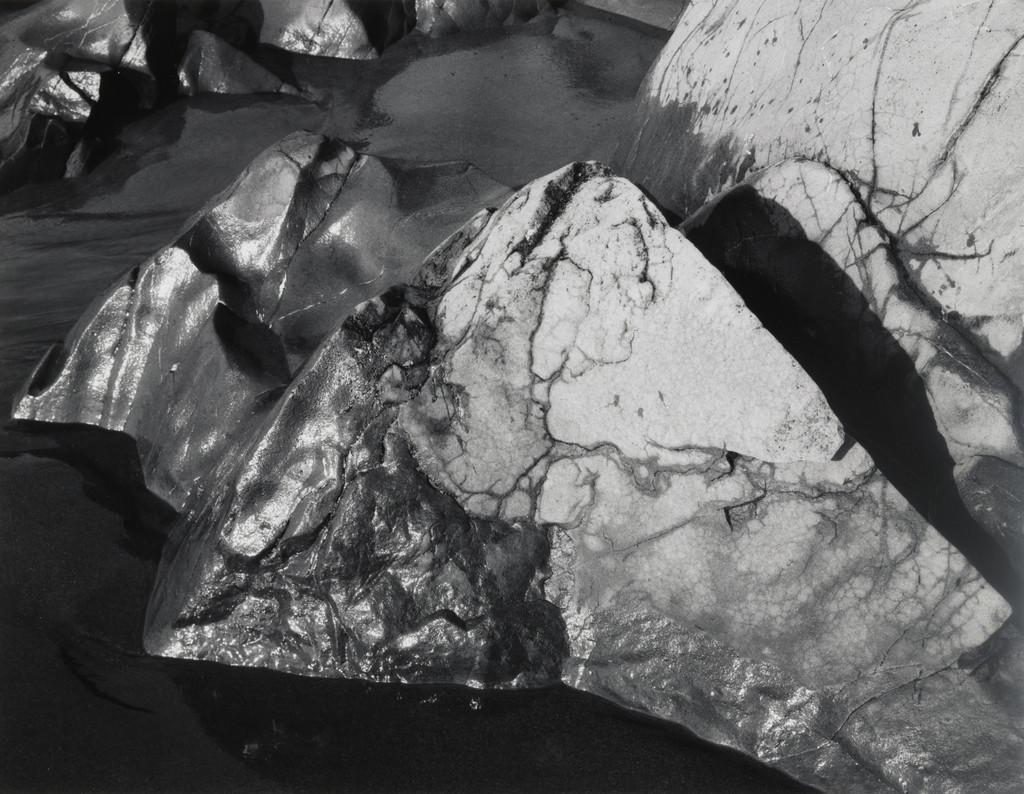
Rock, Bakers Beach, San Francisco, California, Ansel Adams, c. 1931

Ansel Adams

Rock, Bakers Beach, San Francisco, California, c. 1931

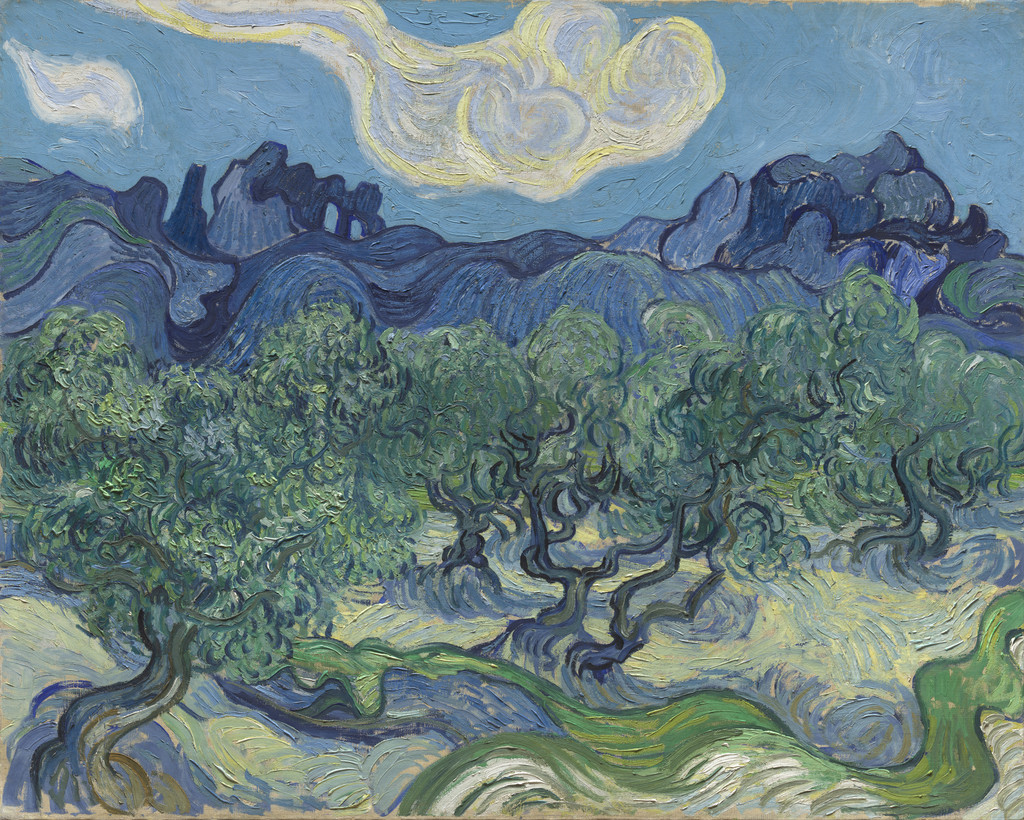
The Olive Trees, Vincent van Gogh, Saint Rémy, June-July 1889

Vincent van Gogh

The Olive Trees, Saint Rémy, June-July 1889

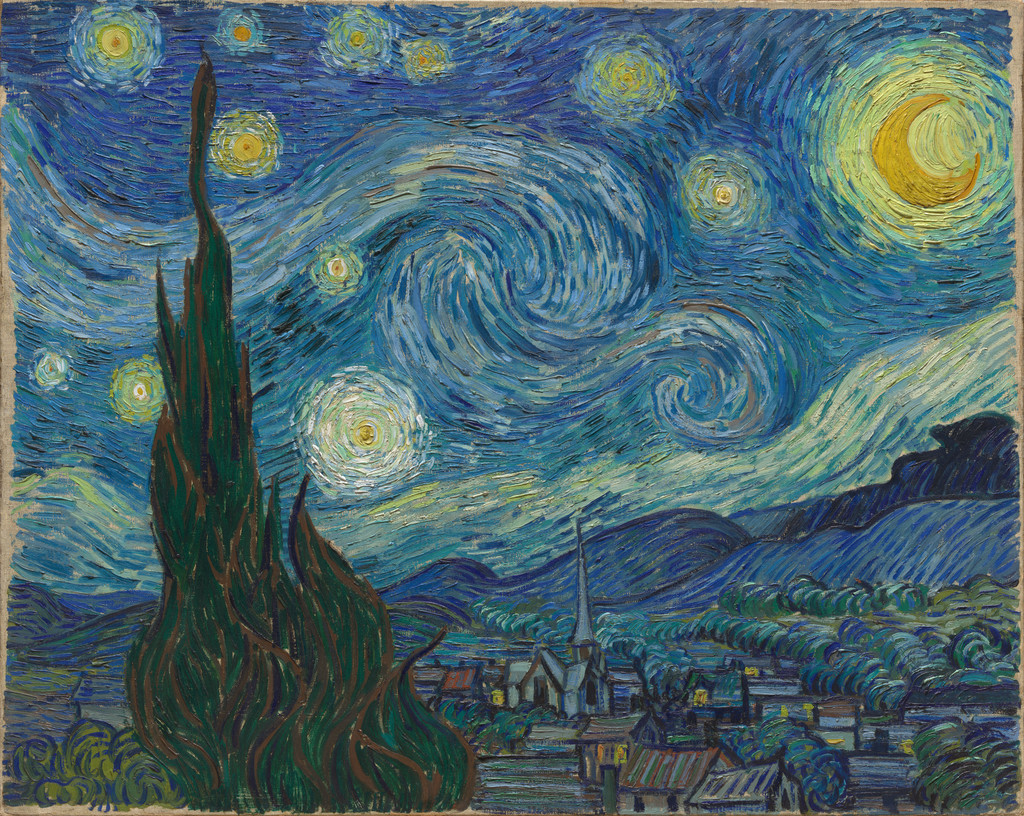
The Starry Night, Vincent van Gogh, Saint Rémy, June 1889

Vincent van Gogh

Stjernenatten, Saint Rémy, June 1889

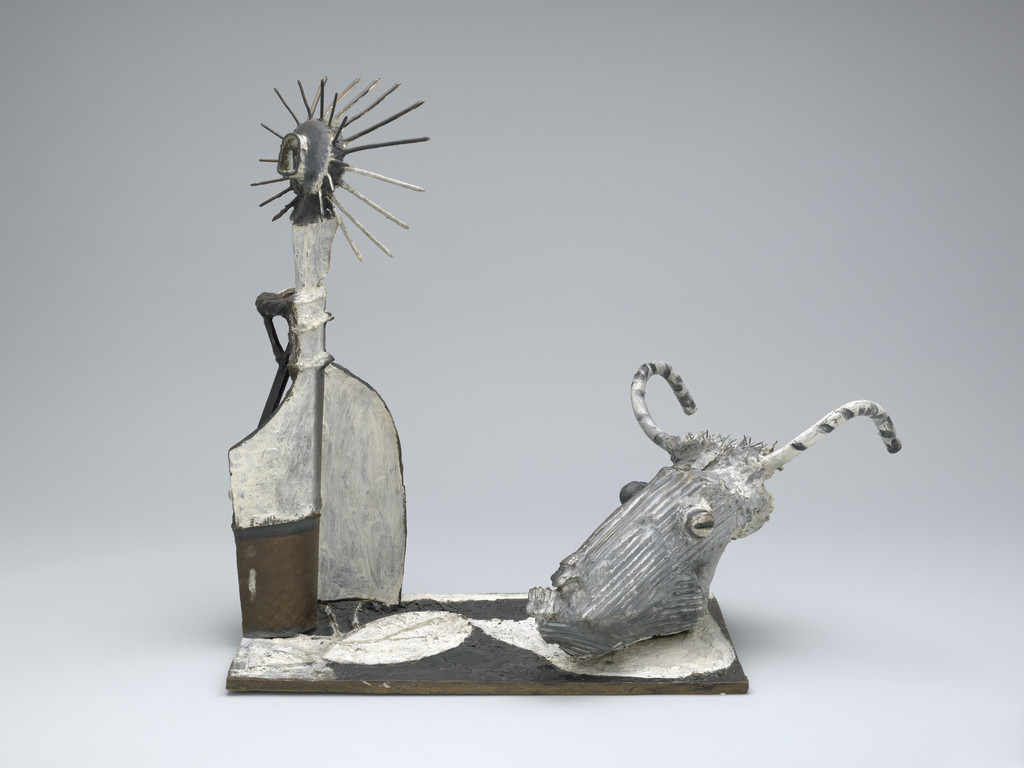
Goat Skull and Bottle, Pablo Picasso, Vallauris, 1951 (cast 1954)

Pablo Picasso

Goat Skull and Bottle, Vallauris, 1951 (cast 1954)

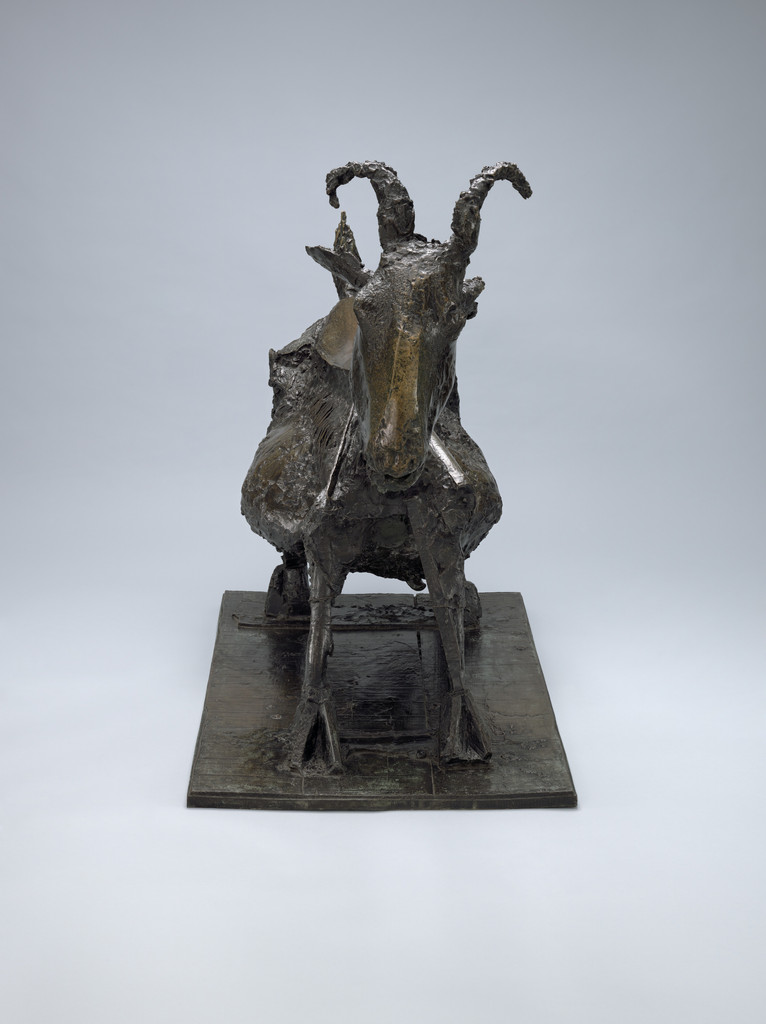
She-Goat, Pablo Picasso, Vallauris, 1950 (cast 1952)

Pablo Picasso

She-Goat, Vallauris, 1950 (cast 1952)

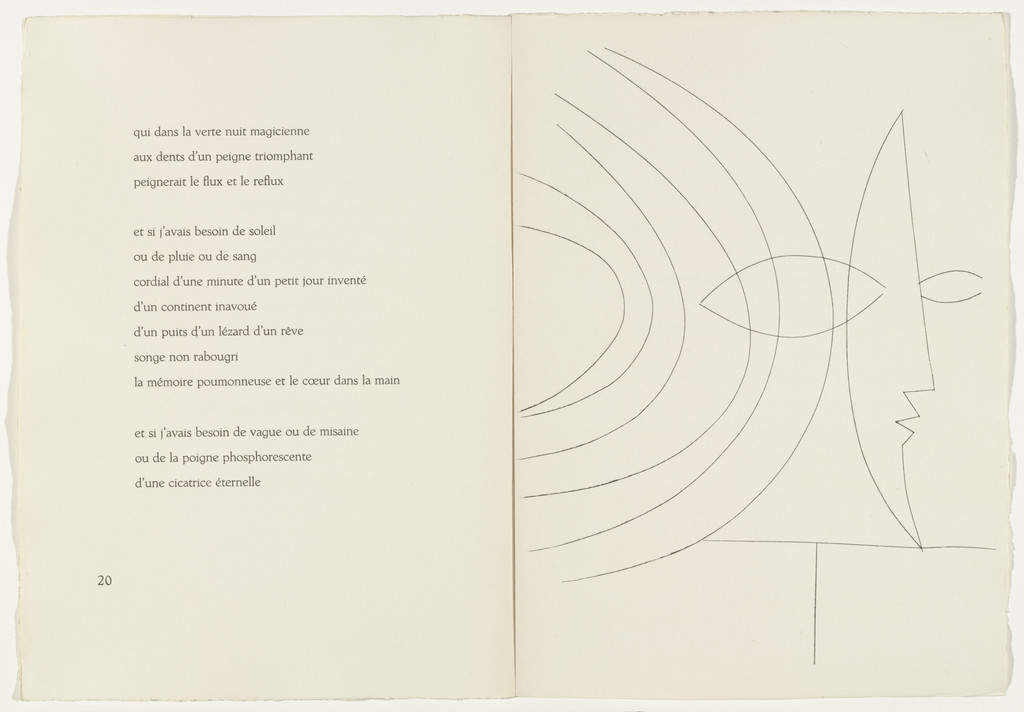
Face in Profile (plate, page 21) from Corps perdu, Pablo Picasso, 1949, published 1950

Pablo Picasso

Face in Profile (plate, page 21) from Corps perdu, 1949, published 1950

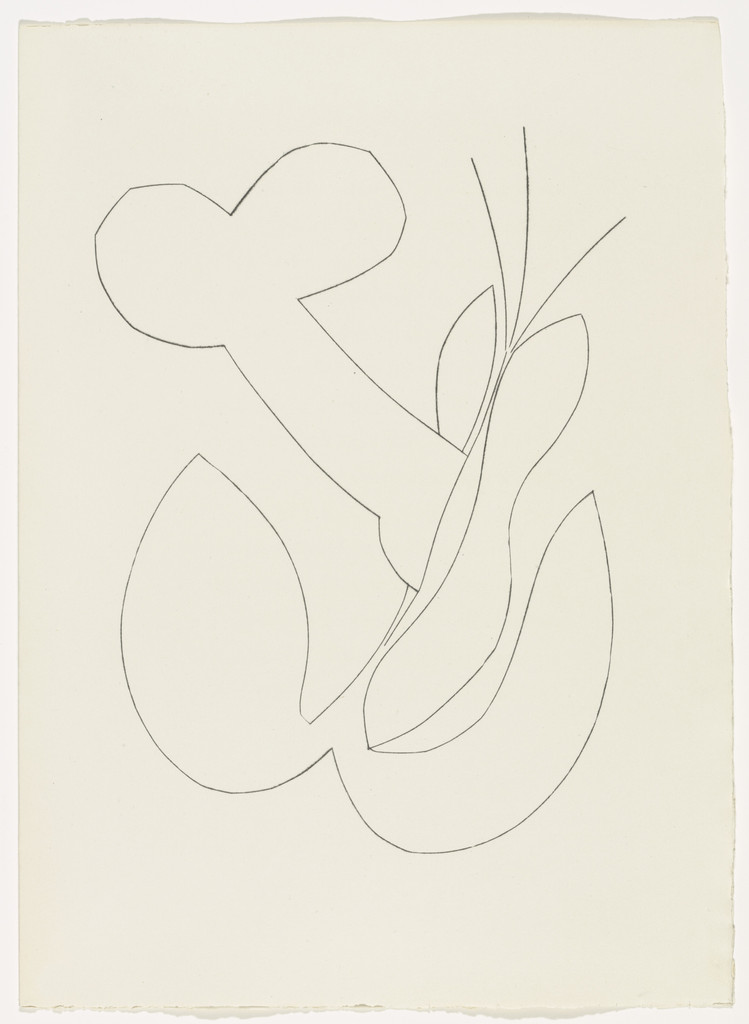
Coupling (plate, page 17) from Corps perdu, Pablo Picasso, 1949, published 1950

Pablo Picasso

Coupling (plate, page 17) from Corps perdu, 1949, published 1950

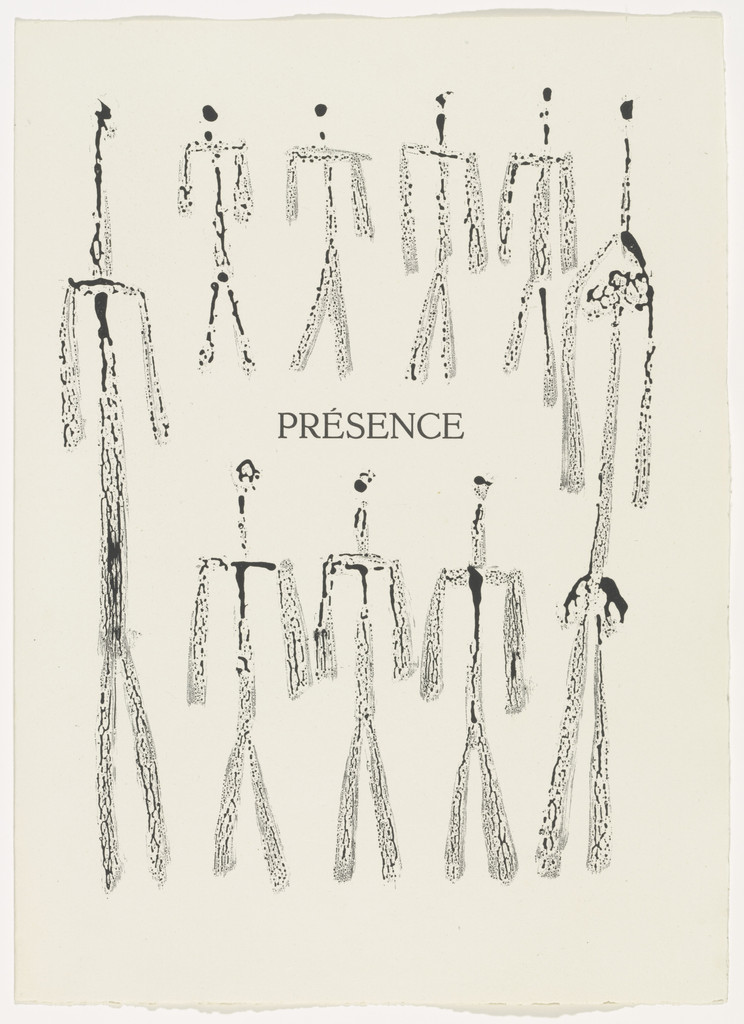
"Présence" (chapter title, page 13) from Corps perdu, Pablo Picasso, 1949, published 1950

Pablo Picasso

"Présence" (chapter title, page 13) from Corps perdu, 1949, published 1950