ART WIKI32.963 udstillet
KortSamlingKunstnereMuseerUdstillingerJournal
Log ind

ART WIKI

Hvor mesterværket hænger, og hvornår man bliver lukket ind.

Samlinger: Art Institute of Chicago, Det Russiske Museum, Eremitagen, Getty Villa, Harvard Art Museums, Hirshhorn Museum and Sculpture Garden, J. Paul Getty Museum, Louvre, Metropolitan Museum of Art, Minneapolis Institute of Art, Museum of Modern Art, National Gallery of Art, National Museum of Asian Art, National Portrait Gallery (Smithsonian), Pusjkinmuseet, Rijksmuseum Amsterdam, Smithsonian American Art Museum, Statens Museum for Kunst, The Cleveland Museum of Art, Tretjakovgalleriet, Victoria and Albert Museum, Whitney Museum of American Art, Ruslands statskatalog over museumsfonden (274 museer), Europeana (19 museer), Wikidata (6 museer), Paris Musées (12 museer) og Joconde, det franske kulturministeriums museumsdatabase (495 museer). Billederne tilhører deres rettighedshavere.

Afsnit

  • Kort
  • Søgning
  • Samling
  • Mesterværker
  • Udstillet nu
  • Kunstnere

Mere

  • Museer & gallerier
  • Udstillinger
  • Journal
  • Hvor data kommer fra
  • Privatliv & cookies
ForsideKortKatalog
  1. Samling/
  2. Museum of Modern Art/
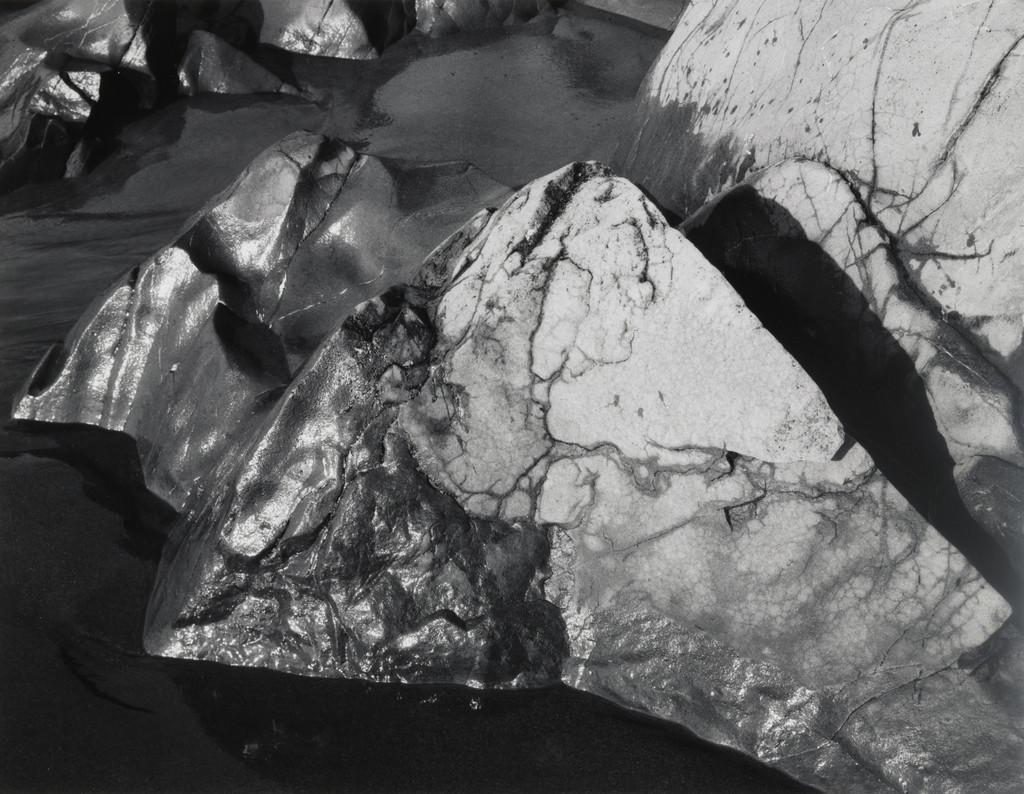
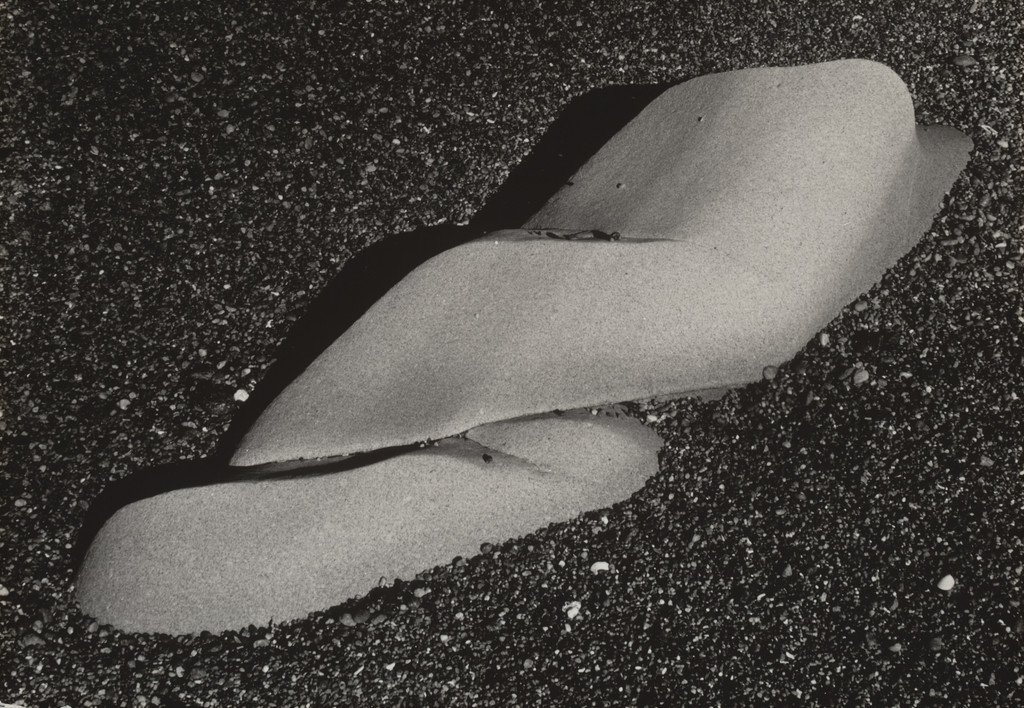
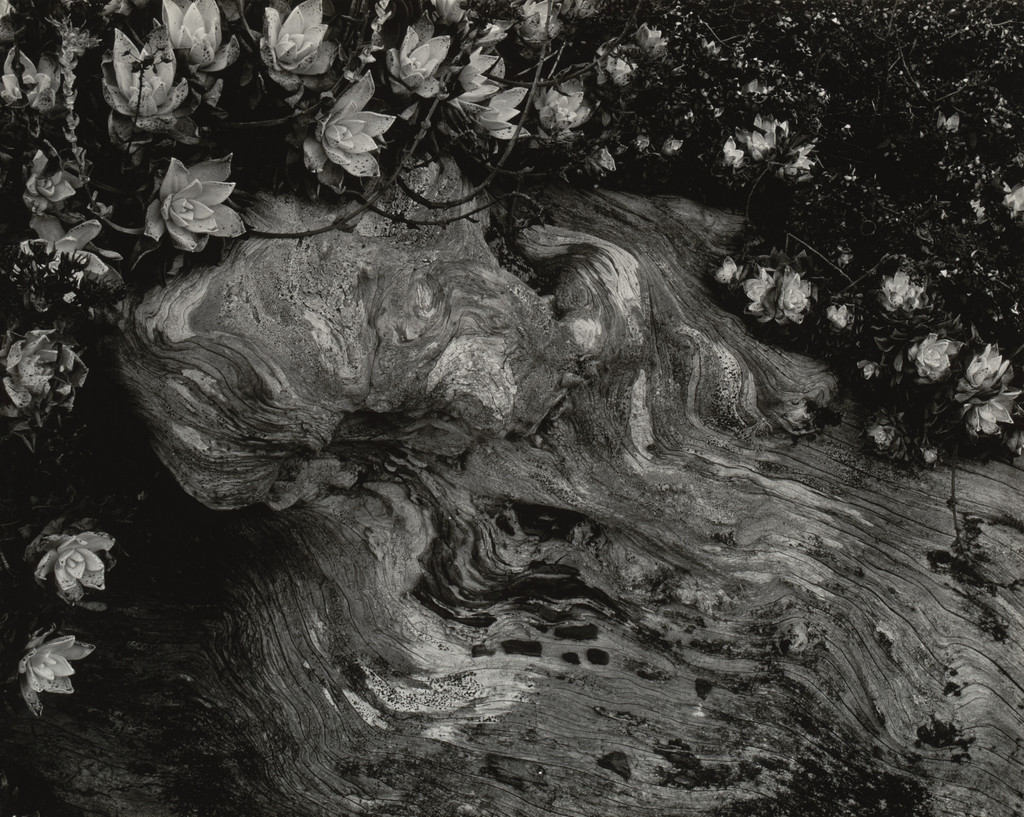
  3. Eroded Rock No. 51, Point Lobos
Eroded Rock No. 51, Point Lobos, Edward Weston, 1930
Edward Weston, portrætEdward WestonUSA, 1886–1958

Eroded Rock No. 51, Point Lobos

1930 · Photograph

Må man se det?

Tager ikke imod for tiden

Museum of Modern Art

New York City, USA

Det hører til samlingen, men er ikke udstillet for tiden.

Kontrolleret
for 8 dage siden
Kilde
Museet
På kortetMuseets side

Oplysninger

1930 · 44 år gammel
18861958
Inventarnummer
425.1942

I kataloget

FotografierSølvgelatineaftrykModernisme1900-tallet

Kilder

  • Museum of Modern Art
  • Billede: Museum of Modern Art — © the artist or rights holder

Imens i livet hos Edward Weston

Hele livet
  1. May 1928

    The Mojave Desert: his first landscapes as art

    A brief but important trip with Brett to the Mojave Desert, where he first explores and photographs landscape as an art form. The stark rock forms and empty spaces are a visual revelation to him; over a long weekend he takes twenty-seven photographs and declares in his journal that these negatives are the most important he has ever done.

  2. 1929

    Regular trips to Point Lobos

    He starts making regular trips to nearby Point Lobos, where he will continue to photograph until the end of his career; there he learns to fine-tune his vision to the visual space of his view camera, and the images he takes there, of kelp, rocks and wind-blown trees, are among his finest.

  3. early 1929

    Moves to Carmel

    In 1928 he and Brett had moved to San Francisco, living and working in a small studio owned by Hagemeyer, where he made portraits for income but longed to get away on his own and return to his art. In early 1929 he moves into Johan Hagemeyer’s cottage in Carmel, where he finally finds the solitude and inspiration he was seeking, and puts a sign in the studio window: “Edward Weston, photographer, Unretouched Portraits, Prints for Collectors.”

  4. April 1929

    Meets Sonya Noskowiak

    In early April he meets the photographer Sonya Noskowiak at a party, and by the end of the month she is living with him; as with many of his relationships, she becomes his model, muse, pupil and assistant. They go on living together for five years.

  5. 1930–1931

    A series of one-man exhibitions, 1930–1931

    The first is at Alma Reed’s Delphic Studio Gallery in New York, followed closely by the same show at the Denny Watrous Gallery in Carmel; both receive rave reviews, including a two-page article in the New York Times Magazine. Shows at the De Young Museum in San Francisco and the Galerie Jean Naert in Paris follow.

  6. 1932

    The first book on his work: “The Art of Edward Weston”

    The Art of Edward Weston, edited by Merle Armitage, is published, the first book devoted exclusively to Weston’s work; it is dedicated to Alice Rohrer, an admirer and patron whose $500 donation helped pay for its publication.
Mere af Edward Weston

Alle værker
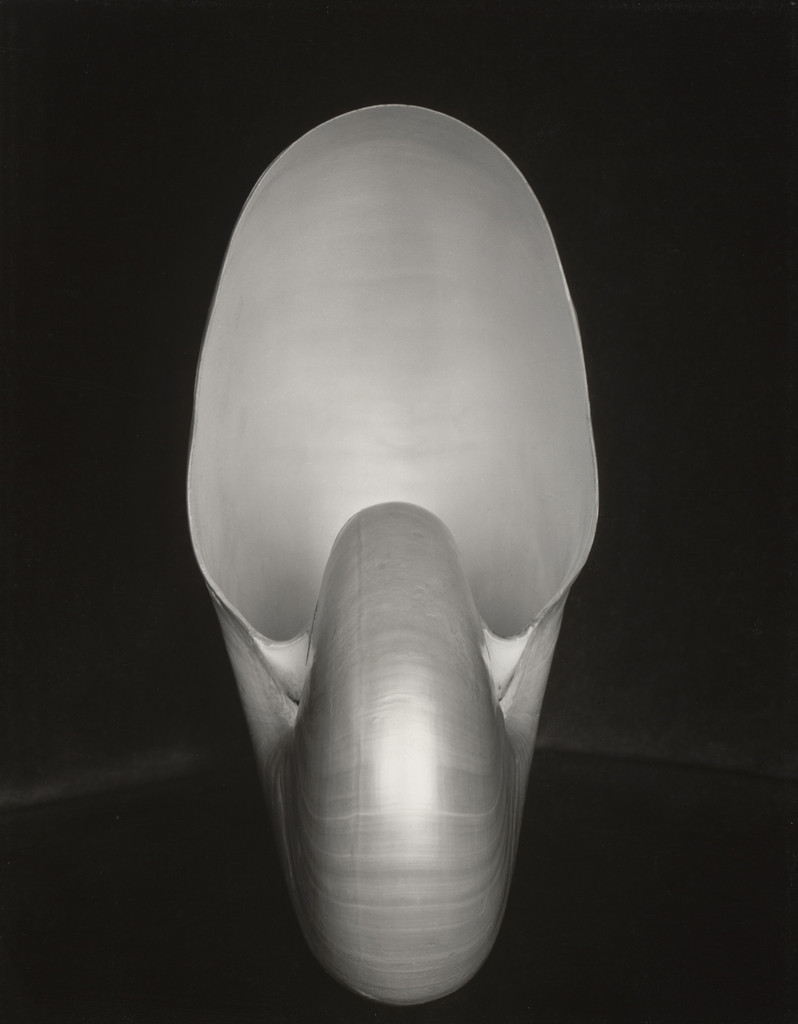
Shell, Edward Weston, 1927

Shell

1927 · Museum of Modern Art

Cypress Root and Succulents, Point Lobos, Edward Weston, 1930

Cypress Root and Succulents, Point Lobos

1930 · Museum of Modern Art

Guadalupe, Mexico, Edward Weston, 1924

Guadalupe, Mexico

1924 · Minneapolis Institute of Art

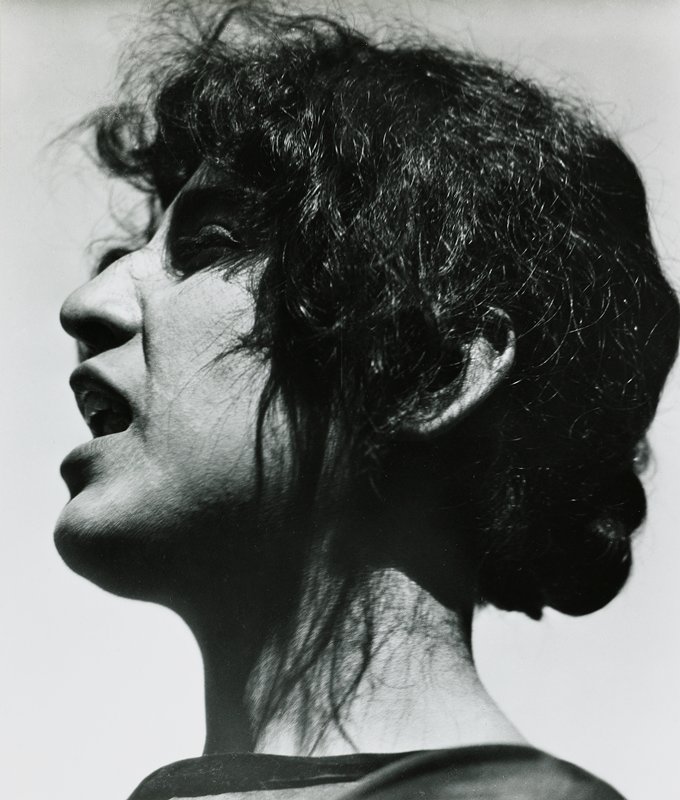
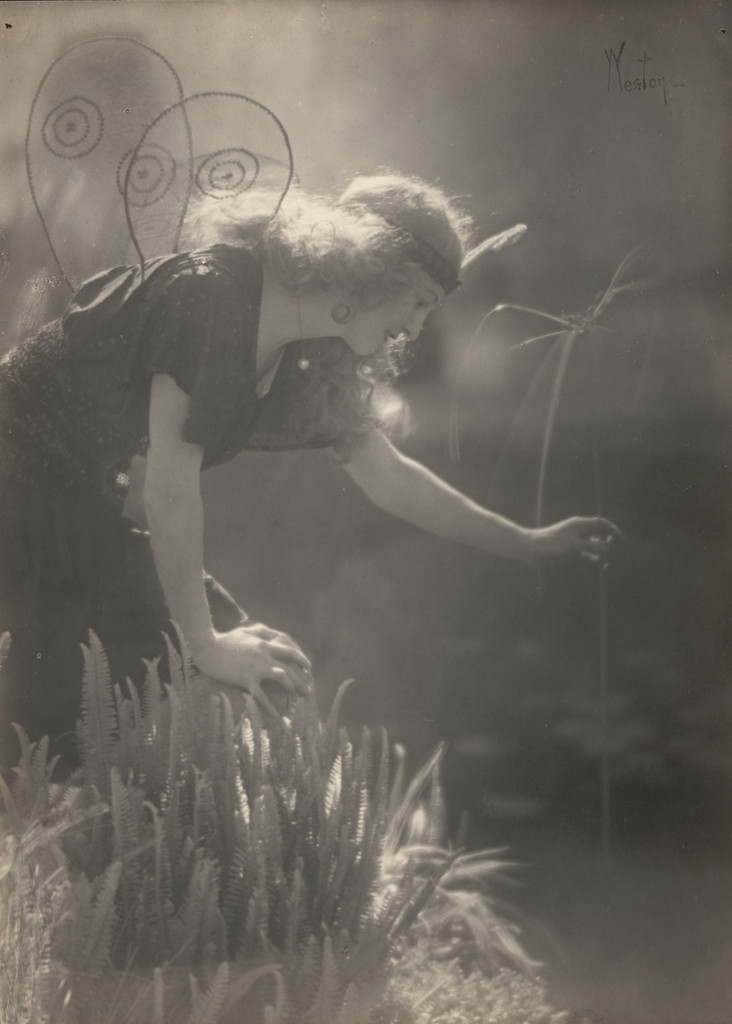
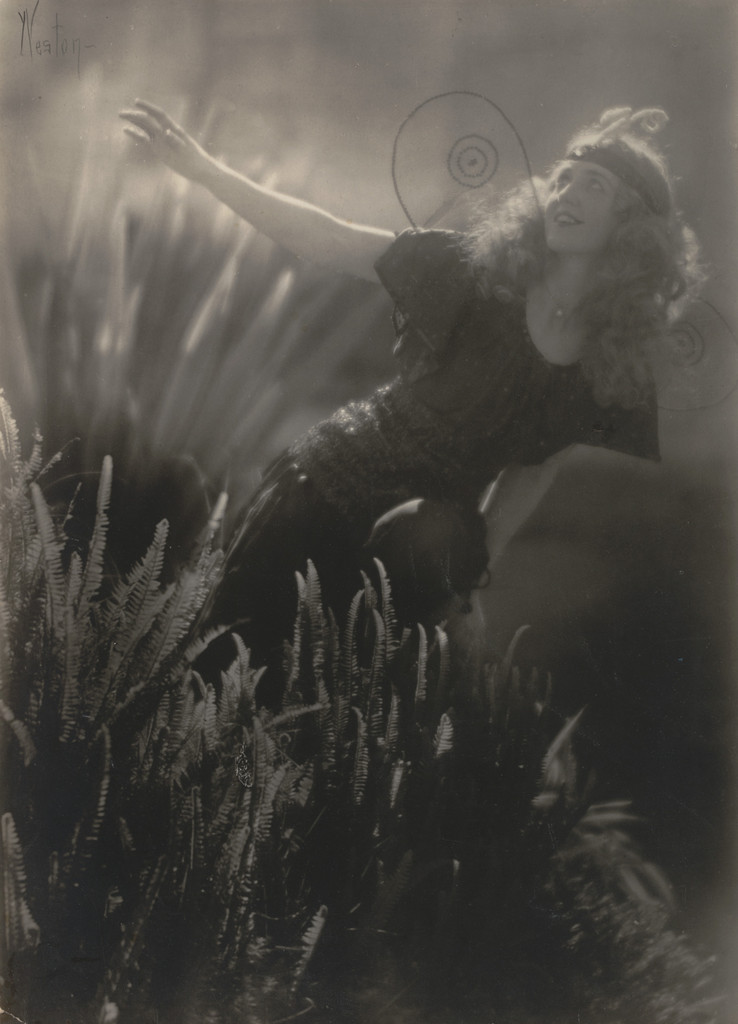
Violet Romer. (reaching for tall reed, wearing fairy costume), Edward Weston, c. 1917

Violet Romer. (reaching for tall reed, wearing fairy costume)

c. 1917 · Ikke udstillet · Museum of Modern Art

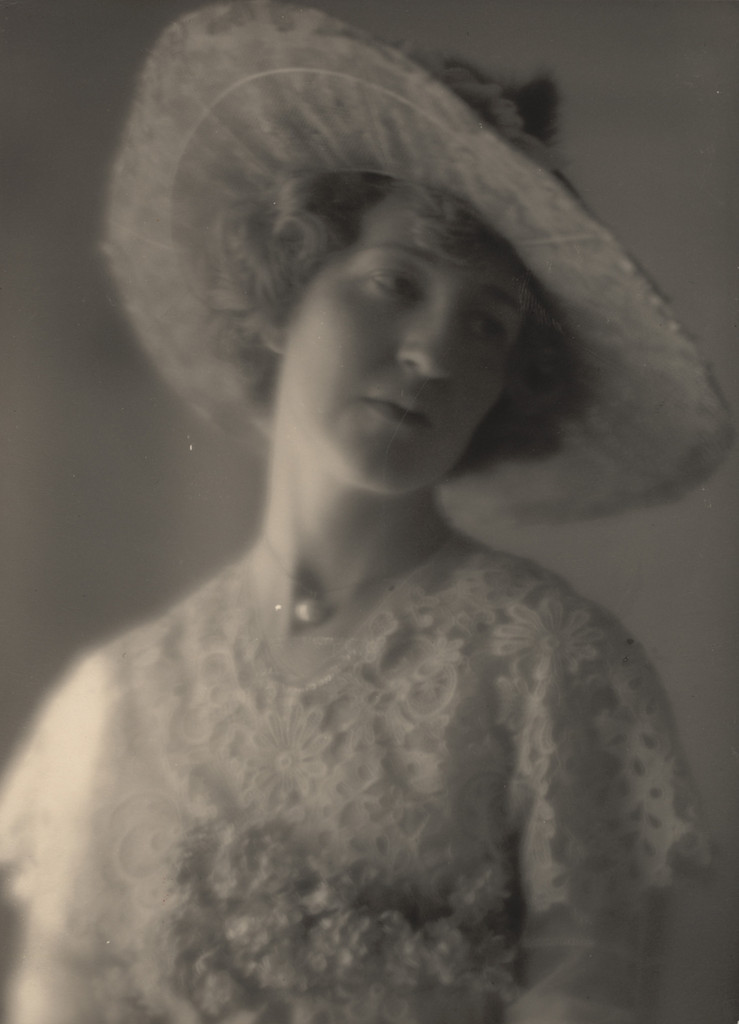
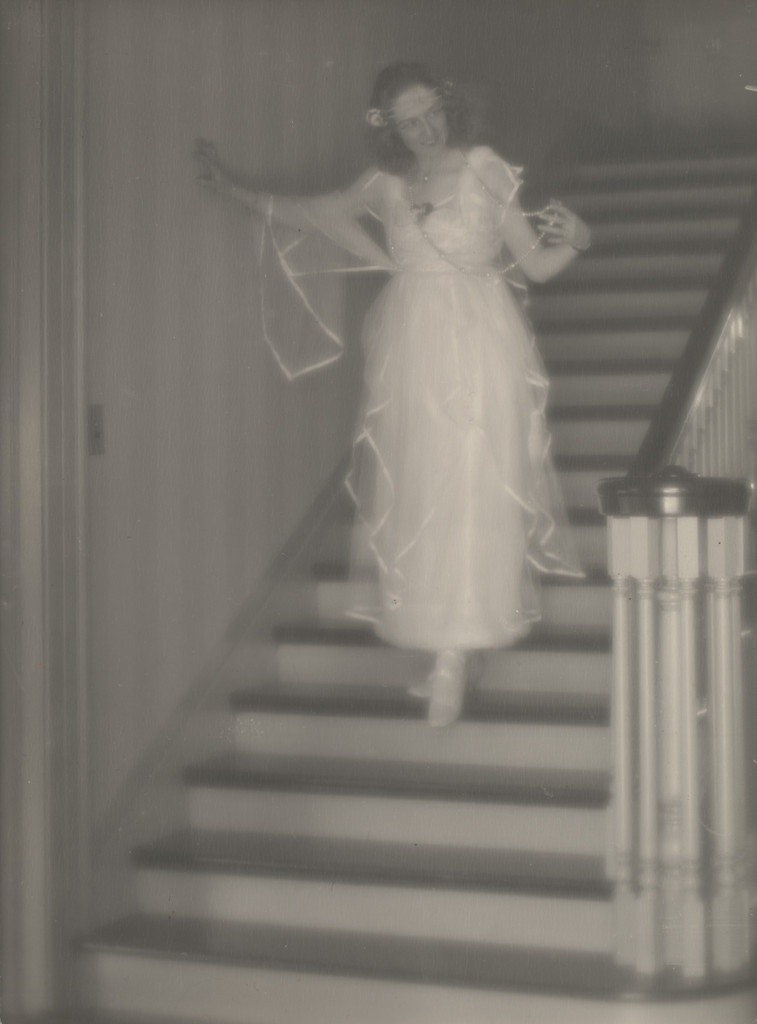
Violet Romer, Edward Weston, c. 1917

Violet Romer

c. 1917 · Ikke udstillet · Museum of Modern Art

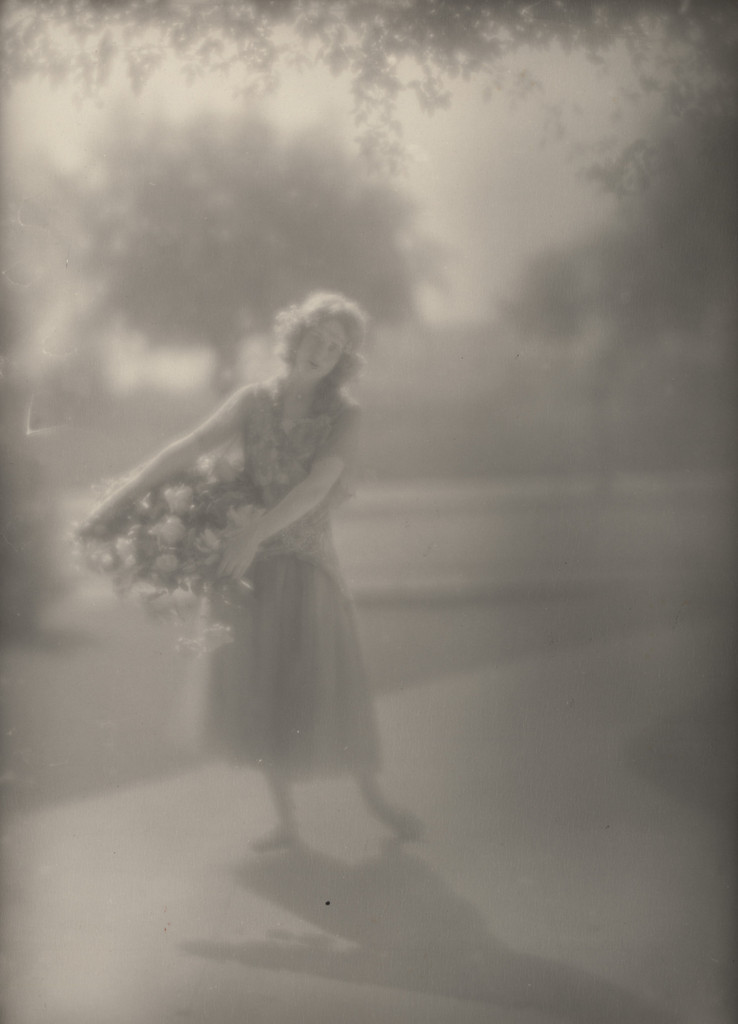
Violet Romer, Edward Weston, c. 1917

Violet Romer

c. 1917 · Ikke udstillet · Museum of Modern Art

Violet Romer, Edward Weston, c. 1917

Violet Romer

c. 1917 · Ikke udstillet · Museum of Modern Art

Violet Romer, Edward Weston, c. 1917

Violet Romer

c. 1917 · Ikke udstillet · Museum of Modern Art

Naboer på Museum of Modern Art

Museets side
Rock, Bakers Beach, San Francisco, California, Ansel Adams, c. 1931

Ansel Adams

Rock, Bakers Beach, San Francisco, California, c. 1931

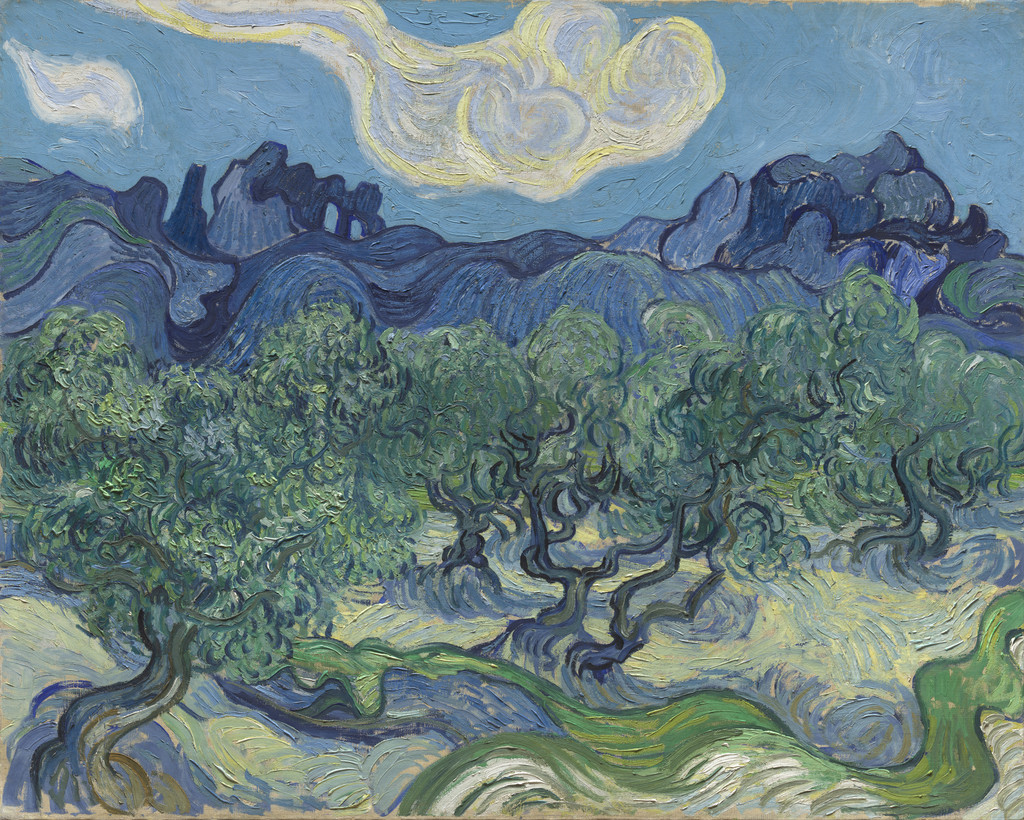
The Olive Trees, Vincent van Gogh, Saint Rémy, June-July 1889

Vincent van Gogh

The Olive Trees, Saint Rémy, June-July 1889

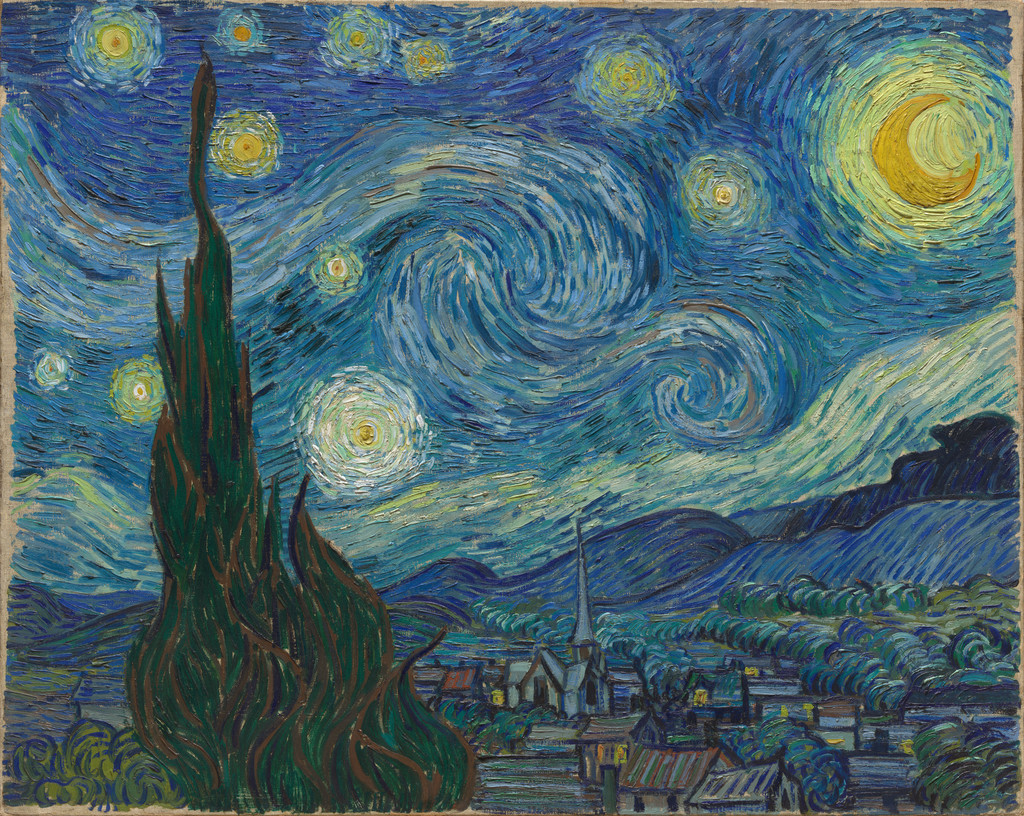
The Starry Night, Vincent van Gogh, Saint Rémy, June 1889

Vincent van Gogh

Stjernenatten, Saint Rémy, June 1889

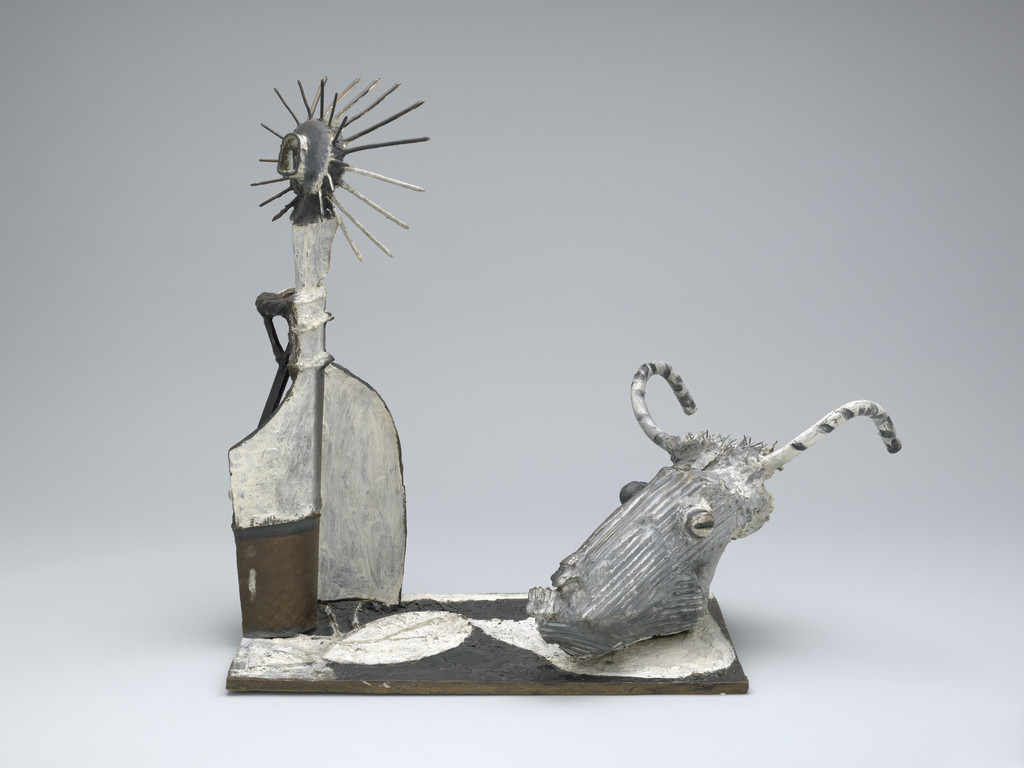
Goat Skull and Bottle, Pablo Picasso, Vallauris, 1951 (cast 1954)

Pablo Picasso

Goat Skull and Bottle, Vallauris, 1951 (cast 1954)

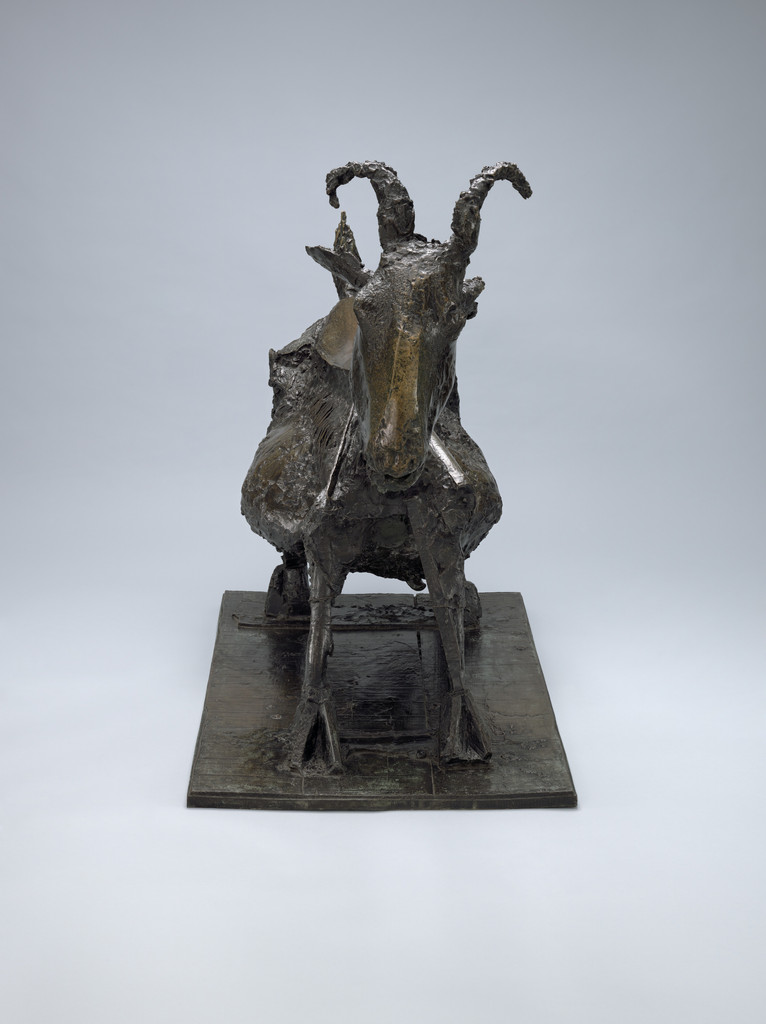
She-Goat, Pablo Picasso, Vallauris, 1950 (cast 1952)

Pablo Picasso

She-Goat, Vallauris, 1950 (cast 1952)

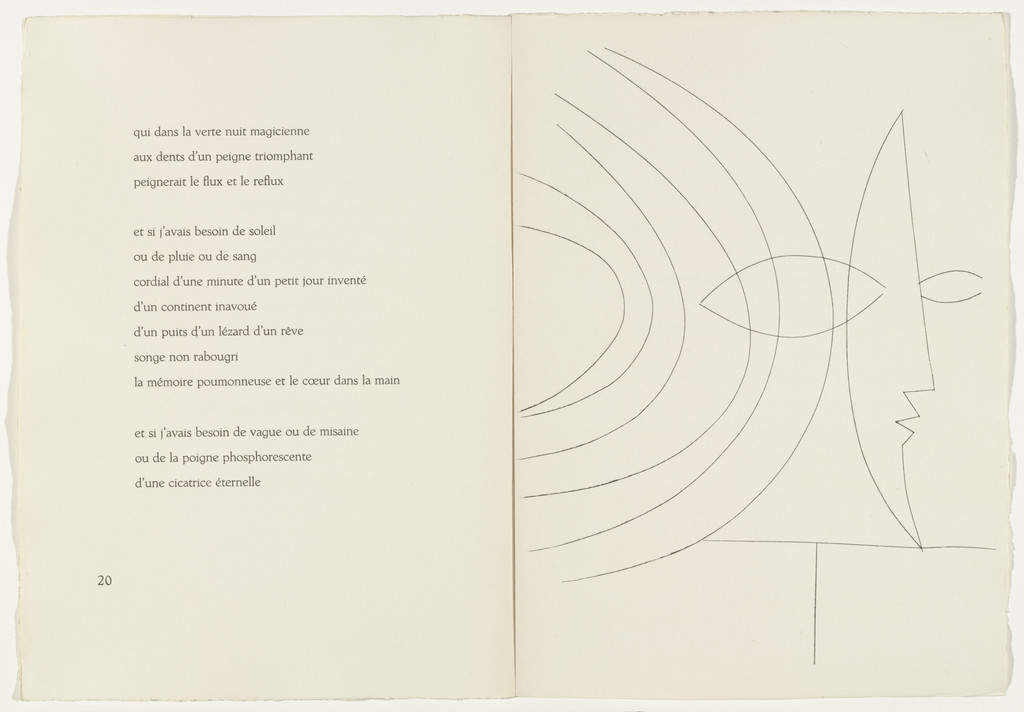
Face in Profile (plate, page 21) from Corps perdu, Pablo Picasso, 1949, published 1950

Pablo Picasso

Face in Profile (plate, page 21) from Corps perdu, 1949, published 1950

Coupling (plate, page 17) from Corps perdu, Pablo Picasso, 1949, published 1950

Pablo Picasso

Coupling (plate, page 17) from Corps perdu, 1949, published 1950

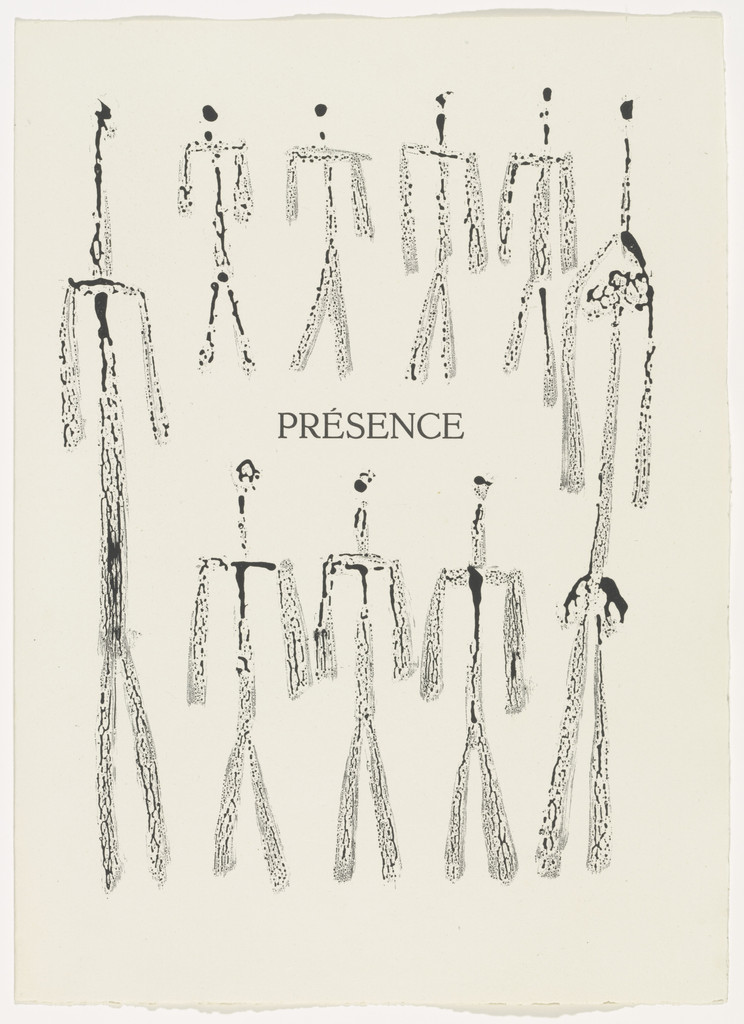
"Présence" (chapter title, page 13) from Corps perdu, Pablo Picasso, 1949, published 1950

Pablo Picasso

"Présence" (chapter title, page 13) from Corps perdu, 1949, published 1950