 Alfred StieglitzUSA, 1864–1946
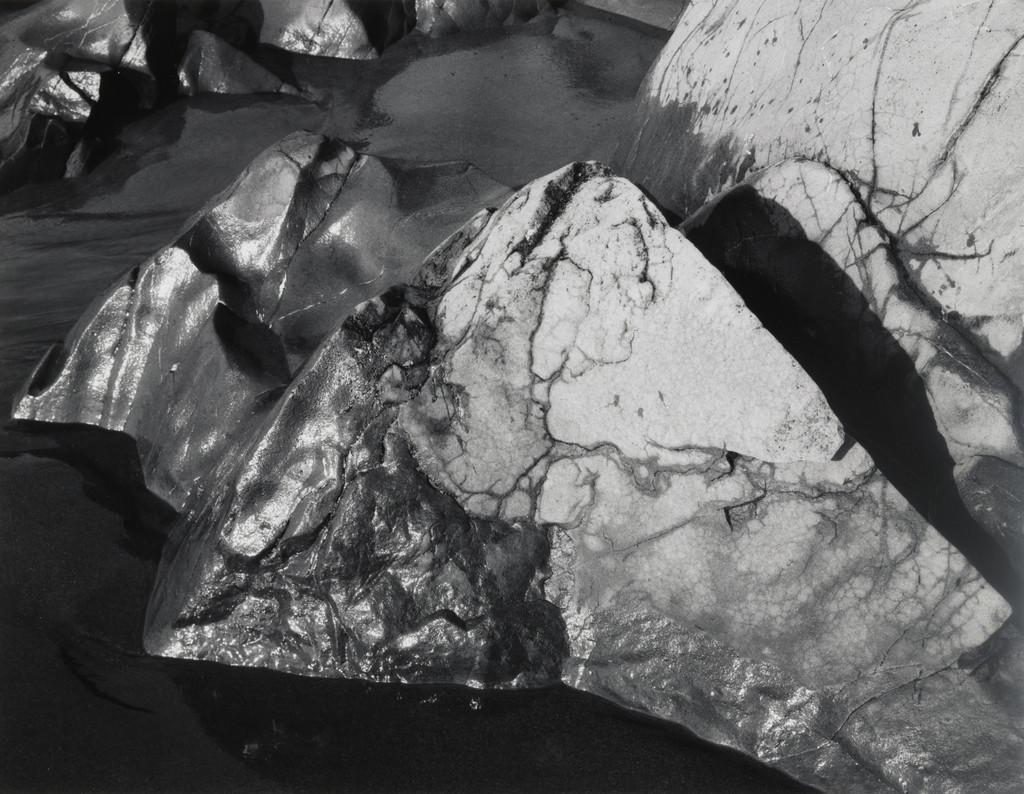
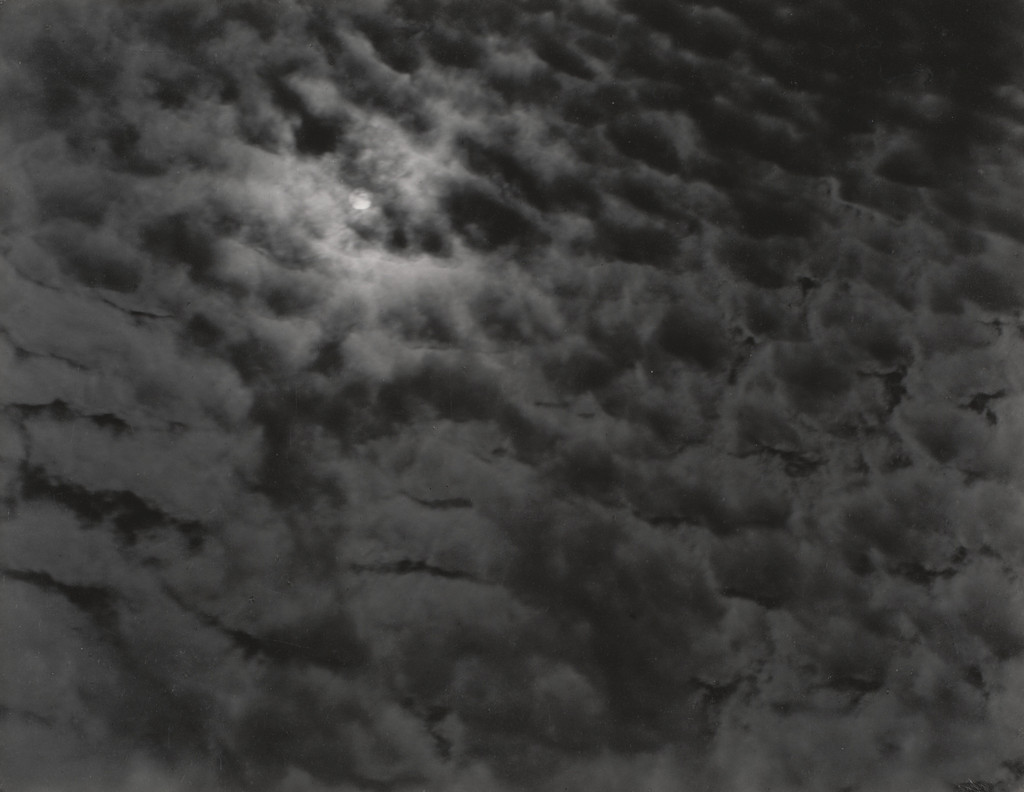
Equivalent
Må man se det?
Tager ikke imod for tiden

Museum of Modern Art
New York City, USA
Det hører til samlingen, men er ikke udstillet for tiden.
- Kontrolleret
- Kilde
- Museets egne samlingsdata
Oplysninger
- Inventarnummer
- 35.1950
Kilder
- Museum of Modern Art: the museum's own open data · hentet for 13 dage siden
- Billede: Museum of Modern Art — © the artist or rights holder
Imens i livet hos Alfred Stieglitz
Hele livet1925
The “Seven Americans” exhibition
In 1925 the Anderson Galleries invited Stieglitz to put together one of the largest exhibitions of American art, 159 works by Arthur G. Dove, Marsden Hartley, John Marin, Charles Demuth, Paul Strand, Georgia O'Keeffe and Stieglitz himself. Only one small painting by O'Keeffe sold during the three-week show.
1929
O'Keeffe leaves for New Mexico
In 1929 O'Keeffe moved to New Mexico, where she created her famous series of desert landscapes and gained recognition and financial security. When she returned to New York, Stieglitz's affair with his pupil Dorothy Norman was over, but they could not restore their former relationship.
May 1929
His gallery to be demolished: depression at Lake George
In early 1929 Stieglitz was told that the building housing his gallery would be torn down. After a final show of Demuth's work in May he retreated to Lake George exhausted and depressed, and when the Strands raised nearly sixteen thousand dollars for a new gallery he reacted harshly, saying it was time for the “young ones” to do some of the work.
15 December 1929
Opens An American Place
On December 15, 1929, Stieglitz opened An American Place, the largest gallery he had ever managed, with the first darkroom of his own in the city. For sixteen years he showed his friends Marin, Demuth, Hartley, Dove and Strand there, and O'Keeffe received at least one major exhibition each year.