ART WIKI32.963 udstillet
KortSamlingKunstnereMuseerUdstillingerJournal
Log ind

ART WIKI

Hvor mesterværket hænger, og hvornår man bliver lukket ind.

Samlinger: Art Institute of Chicago, Det Russiske Museum, Eremitagen, Getty Villa, Harvard Art Museums, Hirshhorn Museum and Sculpture Garden, J. Paul Getty Museum, Louvre, Metropolitan Museum of Art, Minneapolis Institute of Art, Museum of Modern Art, National Gallery of Art, National Museum of Asian Art, National Portrait Gallery (Smithsonian), Pusjkinmuseet, Rijksmuseum Amsterdam, Smithsonian American Art Museum, Statens Museum for Kunst, The Cleveland Museum of Art, Tretjakovgalleriet, Victoria and Albert Museum, Whitney Museum of American Art, Ruslands statskatalog over museumsfonden (274 museer), Europeana (19 museer), Wikidata (6 museer), Paris Musées (12 museer) og Joconde, det franske kulturministeriums museumsdatabase (495 museer). Billederne tilhører deres rettighedshavere.

Afsnit

  • Kort
  • Søgning
  • Samling
  • Mesterværker
  • Udstillet nu
  • Kunstnere

Mere

  • Museer & gallerier
  • Udstillinger
  • Journal
  • Hvor data kommer fra
  • Privatliv & cookies
ForsideKortKatalog
  1. Samling/
  2. Minneapolis Institute of Art/
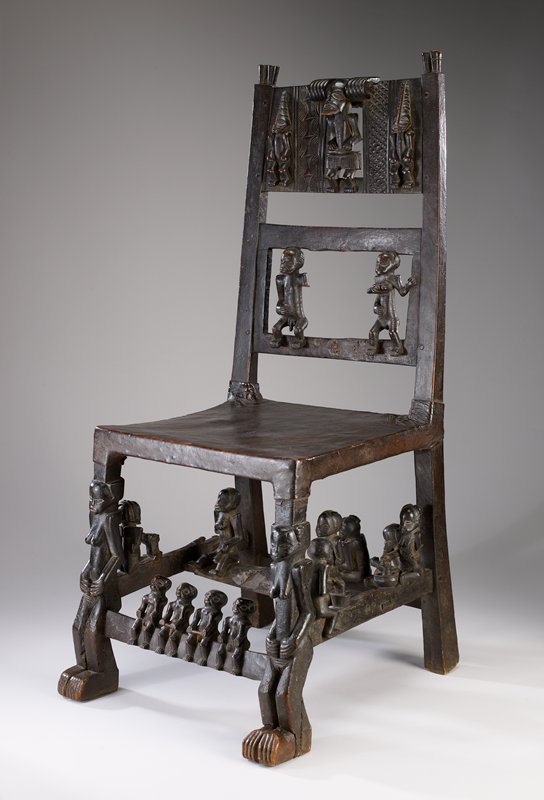
  3. Citwamo Ca Mangu (Throne)
Citwamo Ca Mangu (Throne), Moxico School, 20th century
MMoxico SchoolAngola

Citwamo Ca Mangu (Throne)

20th century · Sculpture · 92.7 × 43.5 cm

Må man se det?

Ja, det tager imod

Minneapolis Institute of Art

Minneapolis, USA

SalG250

Udstillet for publikum. Hvem der står inde for det, står nedenfor.

Kontrolleret
for 3 dage siden
Uændret siden
25. sep. 2026
Kilde
Museet
På kortetMuseets side

Om skulpturen

As in all cultures, African rulers often express their status by sitting on a special stool, chair, or throne that is an recognized mark of their rank and leadership. Chokwe thrones are modeled on European chairs that arrived in Africa from Spain and Portugal after trade was established in the late 1490s. While the basic form is European, Chokwe sculptors immediately changed its decoration, covering every available surface with themed ornamentation reinforcing the power, status and responsibilities of the local ruler. The central figure on the throne back represents a masked Cihongo dancer. Cihongo is associated with courtly wealth and might, and was danced solely by the chief or his son. The front legs are in the form of female figures, symbolizing the importance of women in supporting a matrilineal society. Tiny figures on the rungs and stretcher enact narrative scenes of community life, a sign of the ruler's concern for his people's well-being.

Minneapolis Institute of Art

Oplysninger

Inventarnummer
87.65

I kataloget

SkulpturTræMoxicoChokwe

Kilder

  • Minneapolis Institute of Art
  • Billede: Minneapolis Institute of Art — Copyright of the artist, artist's estate, or assignees

Naboer på Minneapolis Institute of Art

Museets side
Olive Trees, Vincent van Gogh, 1889

Vincent van Gogh

Olive Trees, 1889

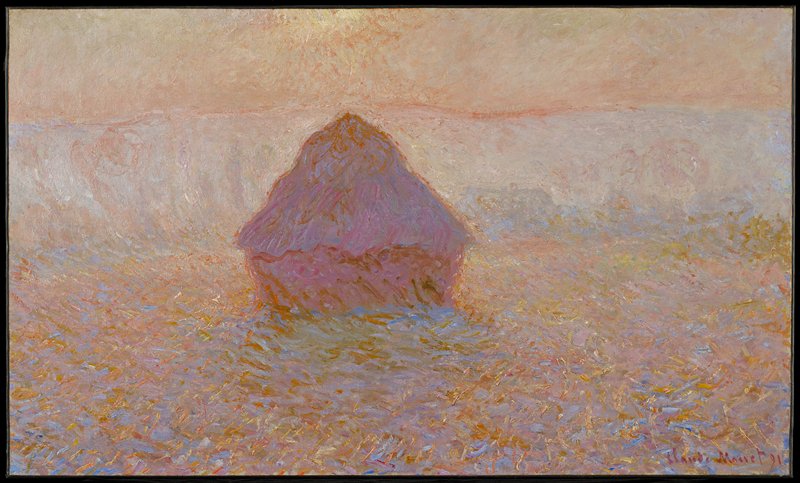
Grainstack, Sun in the Mist, Claude Monet, 1891

Claude Monet

Grainstack, Sun in the Mist, 1891

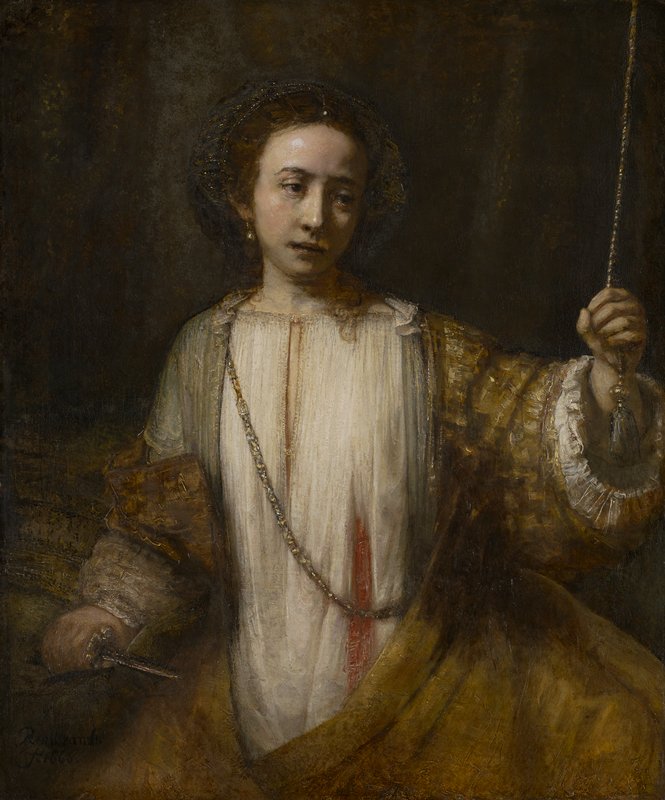
Lucretia, Rembrandt van Rijn, 1666

Rembrandt van Rijn

Lucretia, 1666

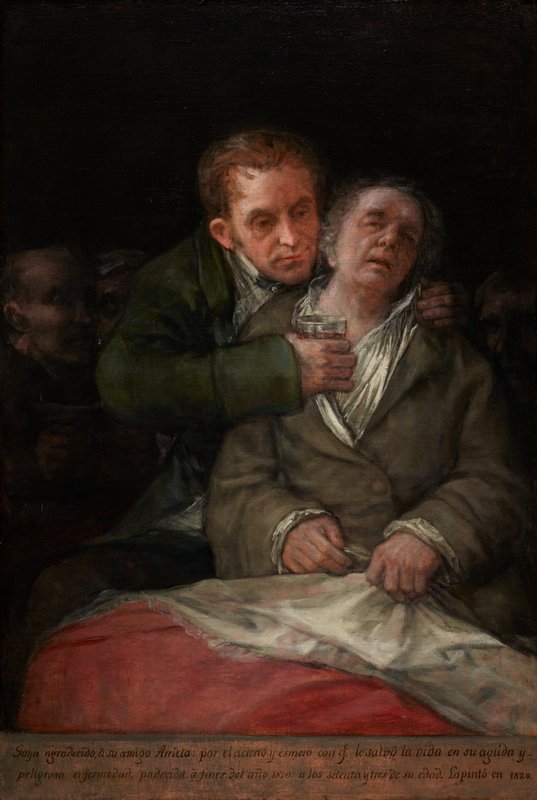
Self-Portrait with Dr. Arrieta, Francisco José de Goya y Lucientes, 1820

Francisco de Goya

Self-Portrait with Dr. Arrieta, 1820

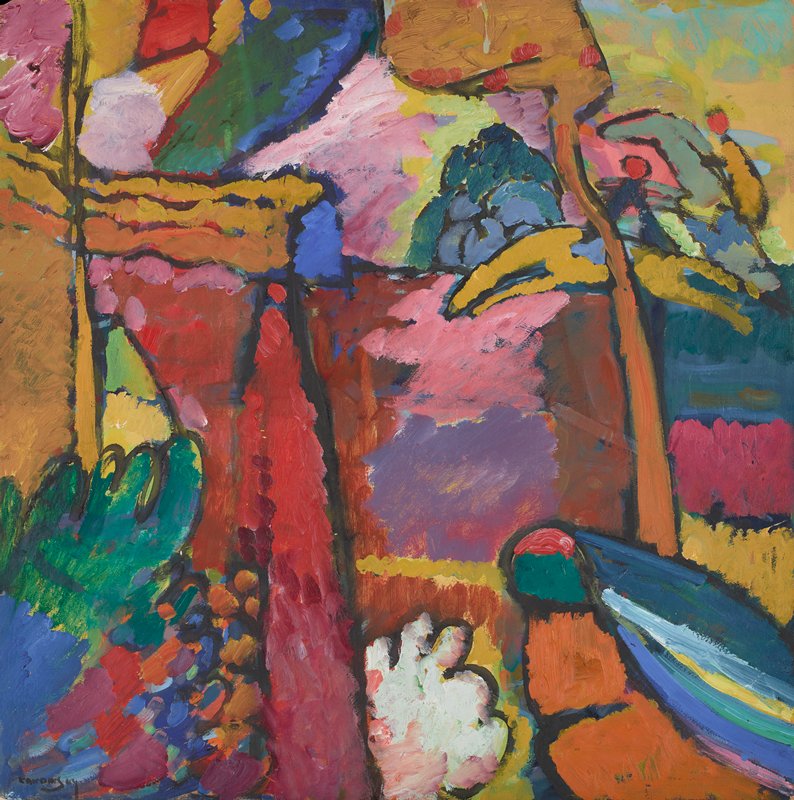
Study for Improvisation V, Vassily Kandinsky, 1910

Vasily Kandinsky

Study for Improvisation V, 1910

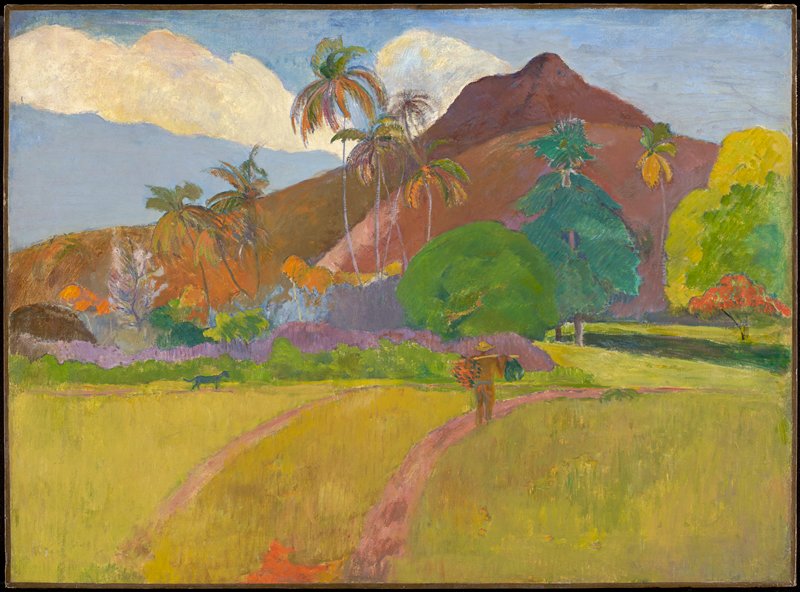
Tahitian Landscape, Paul Gauguin, 1891

Paul Gauguin

Tahitian Landscape, 1891

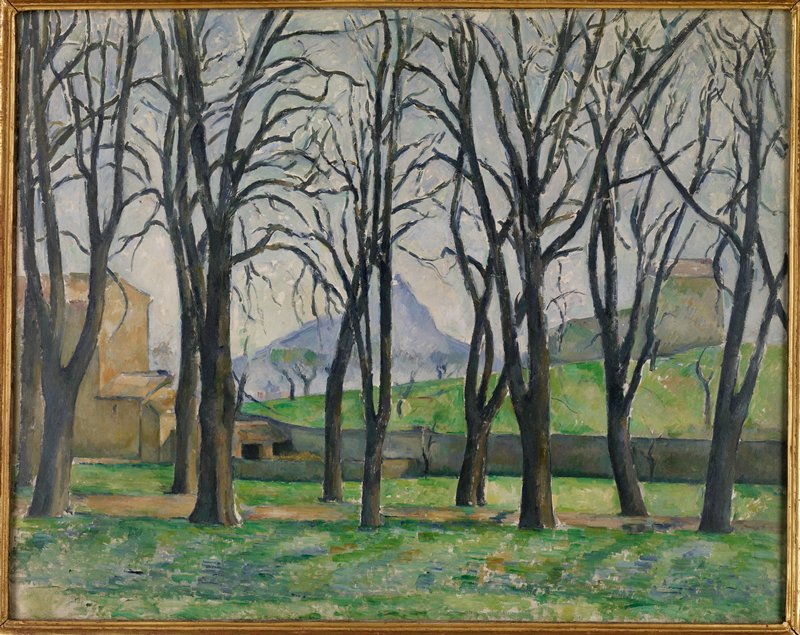
Chestnut Trees at Jas de Bouffan, Paul Cézanne, c. 1885–86

Paul Cézanne

Chestnut Trees at Jas de Bouffan, c. 1885–86

The Union of England and Scotland (Charles I as the Prince of Wales), Peter Paul Rubens, 1633–34

Peter Paul Rubens

The Union of England and Scotland (Charles I as the Prince of Wales), 1633–34