 Joseph BeuysTyskland, 1921–1986
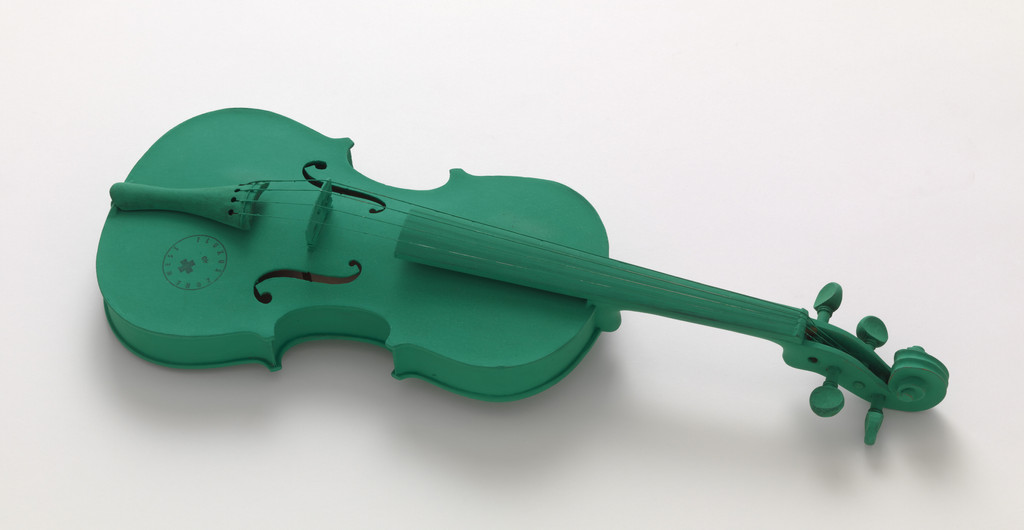
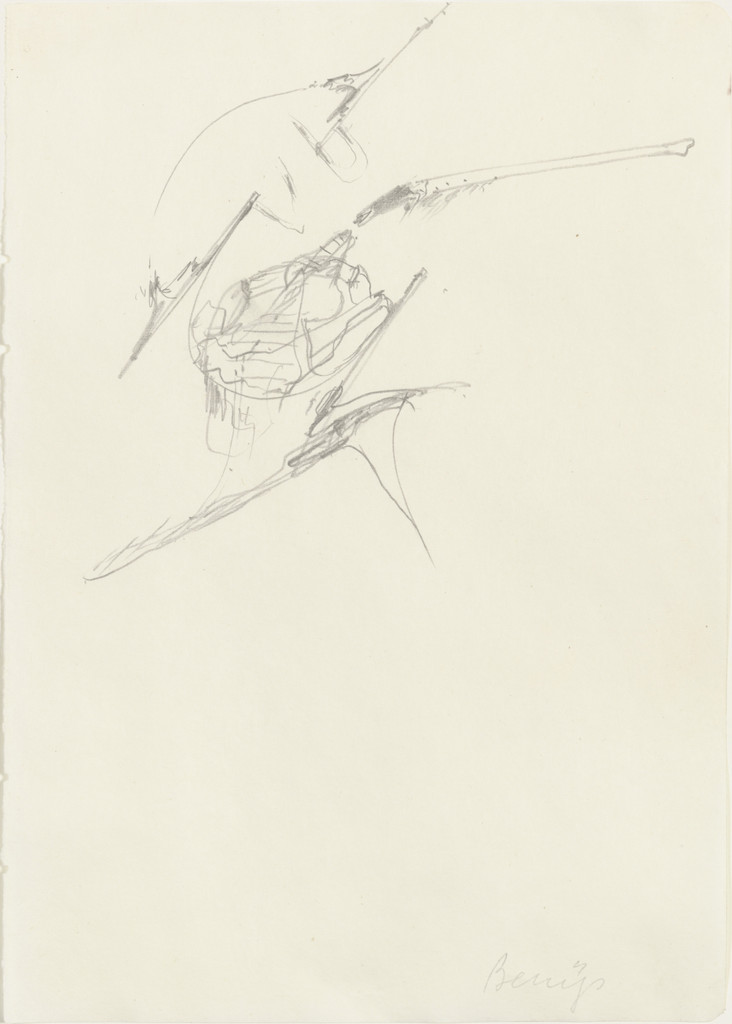
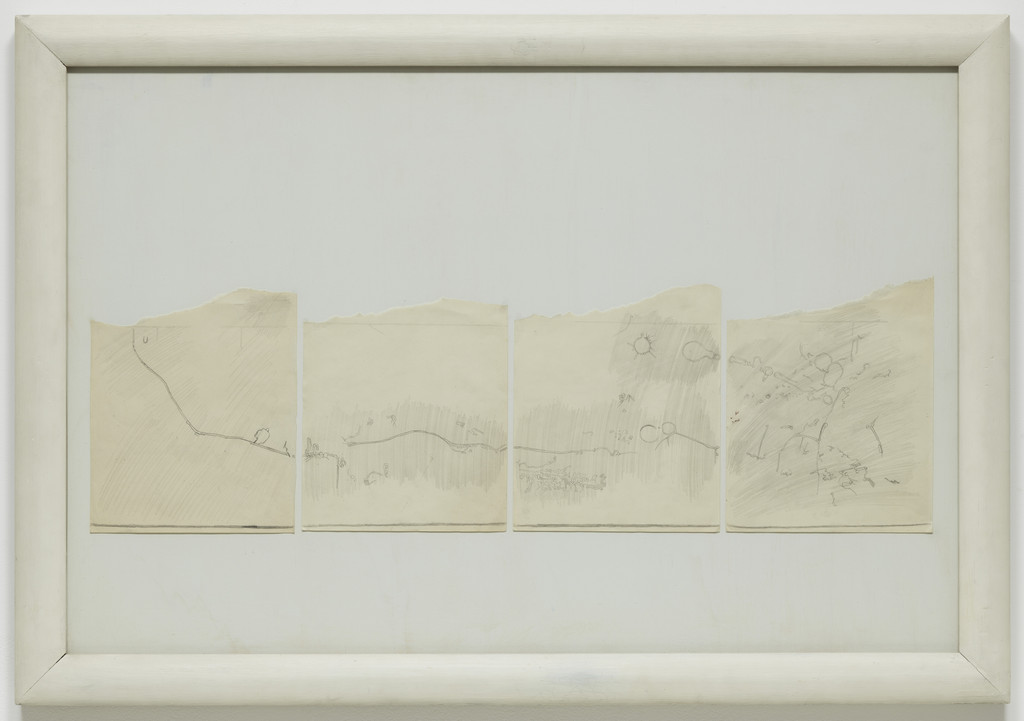
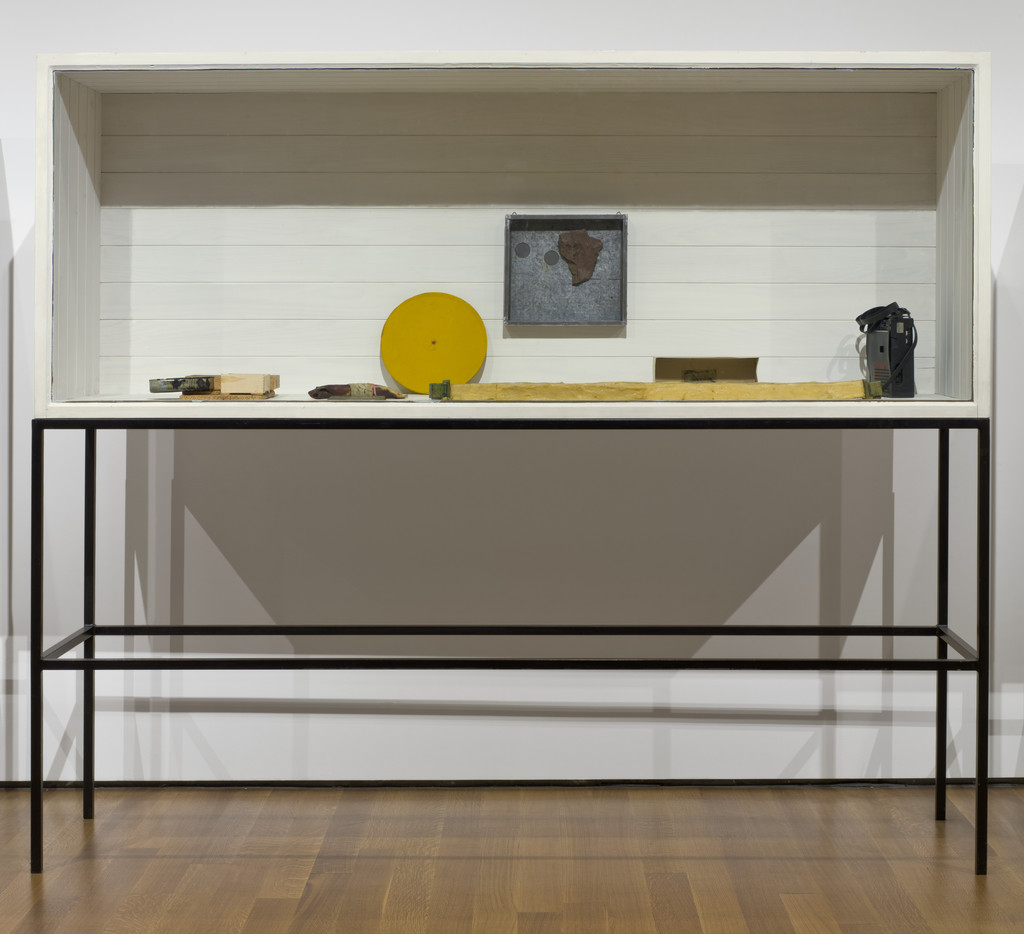
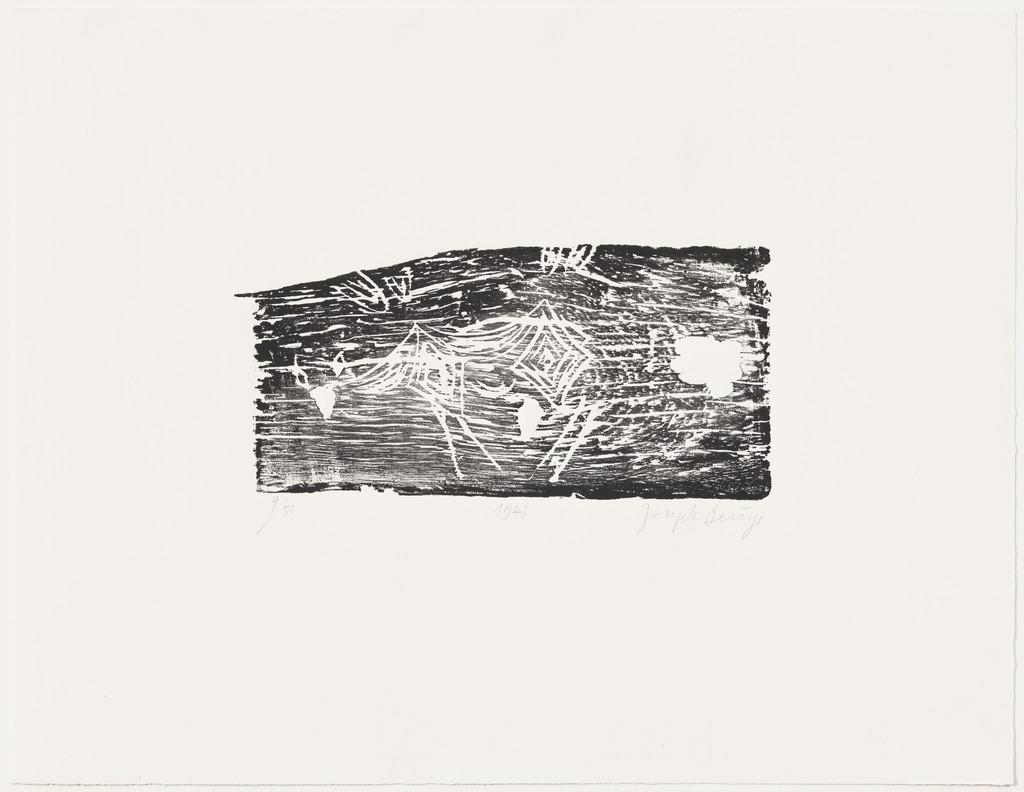
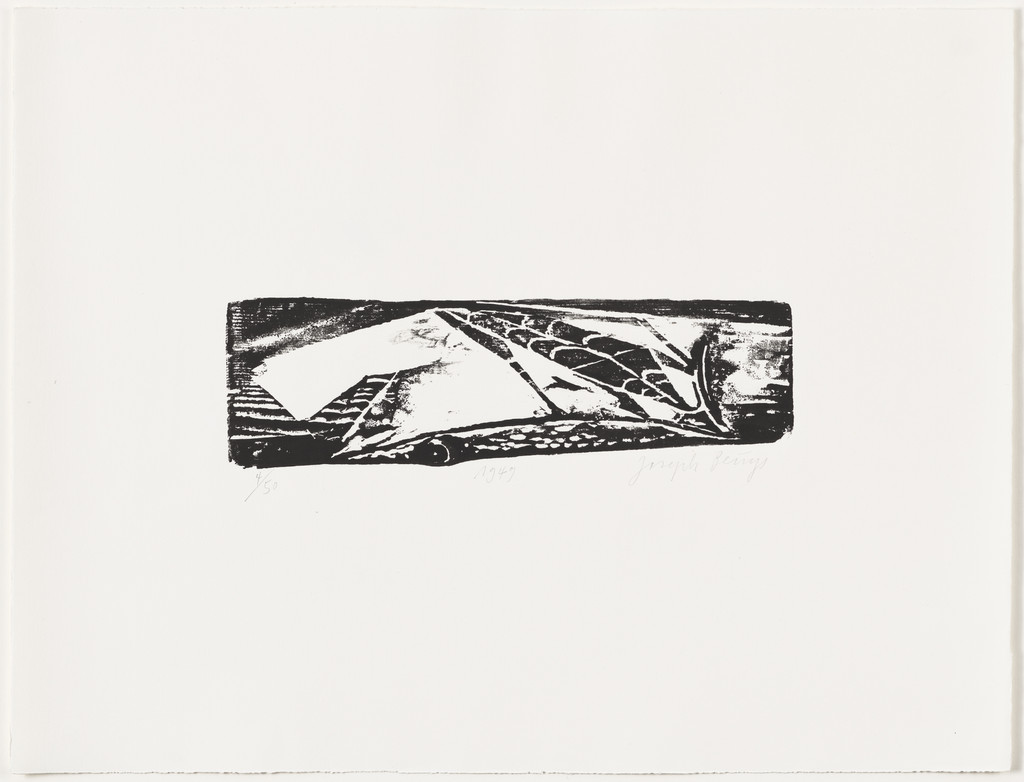
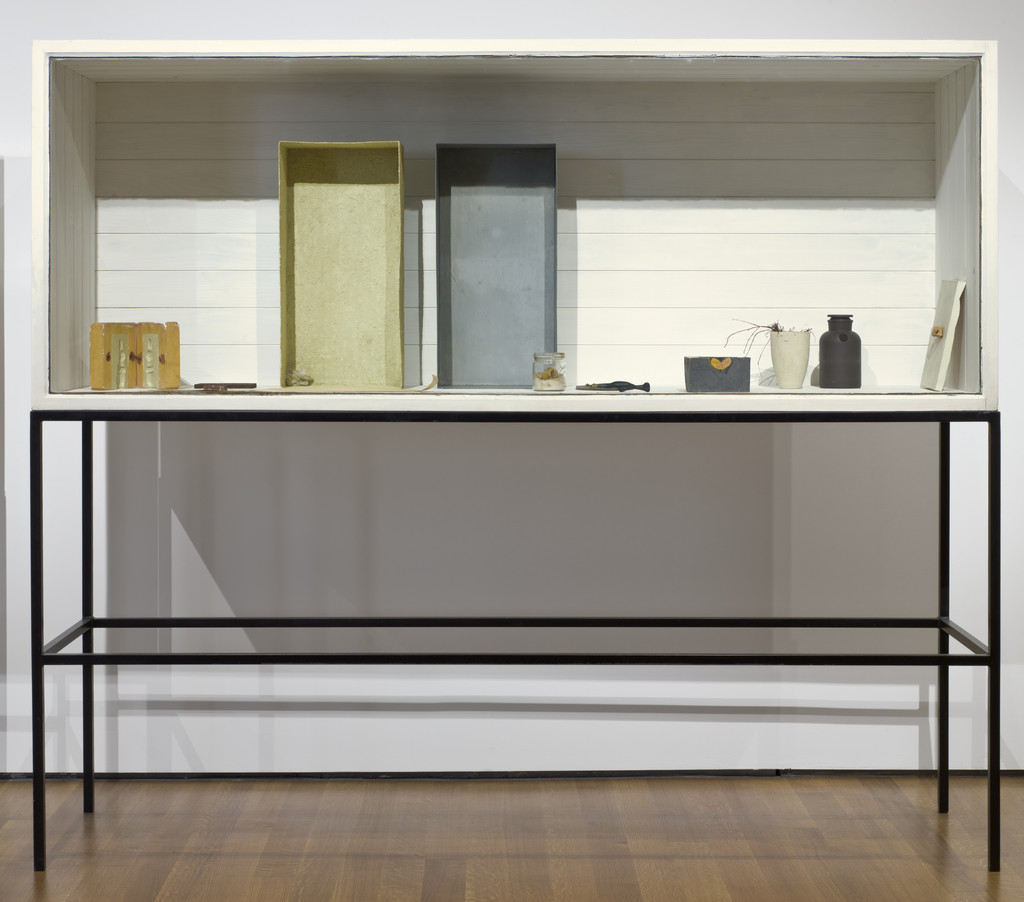
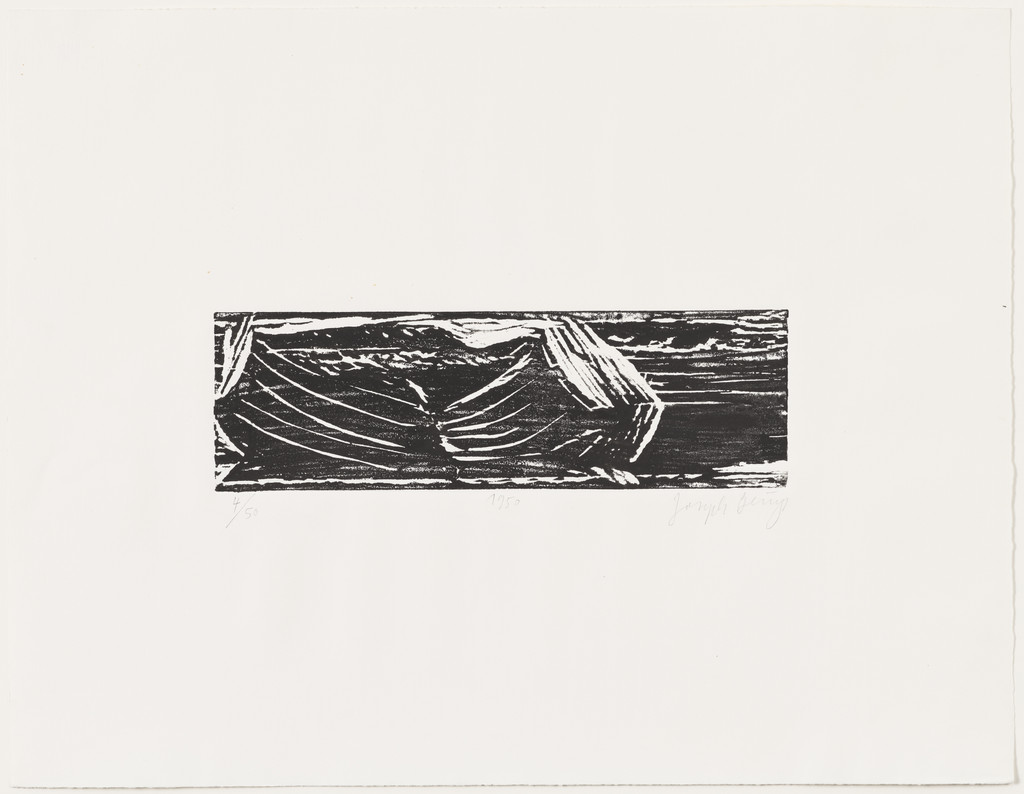
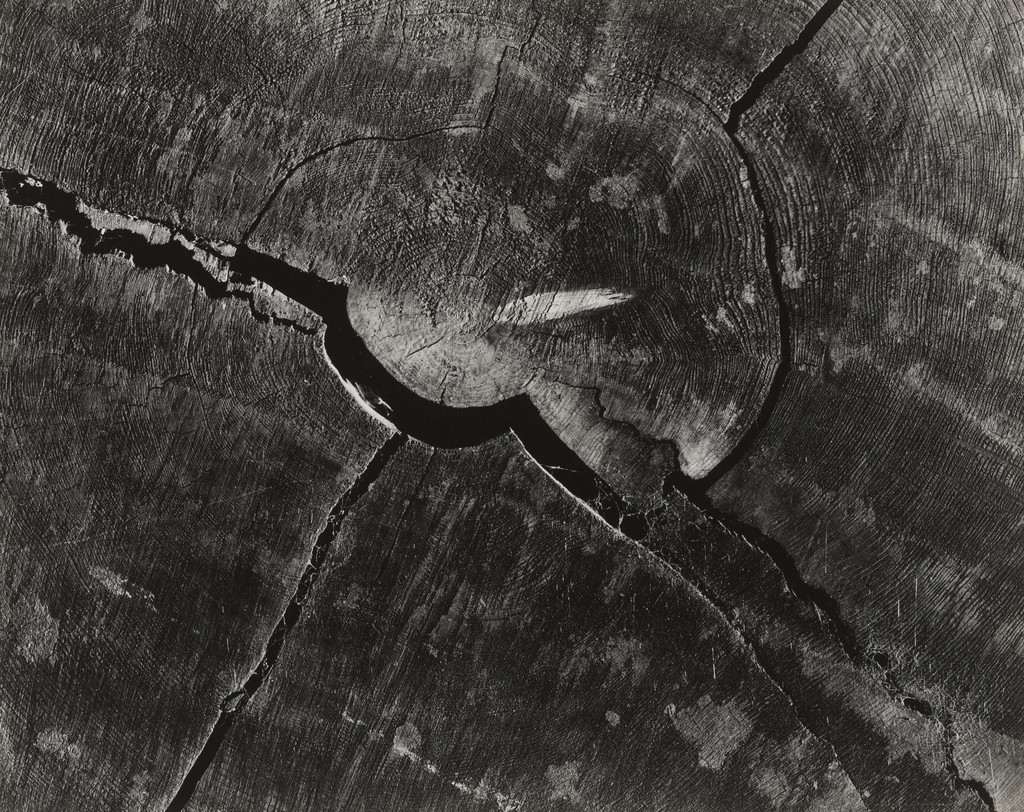
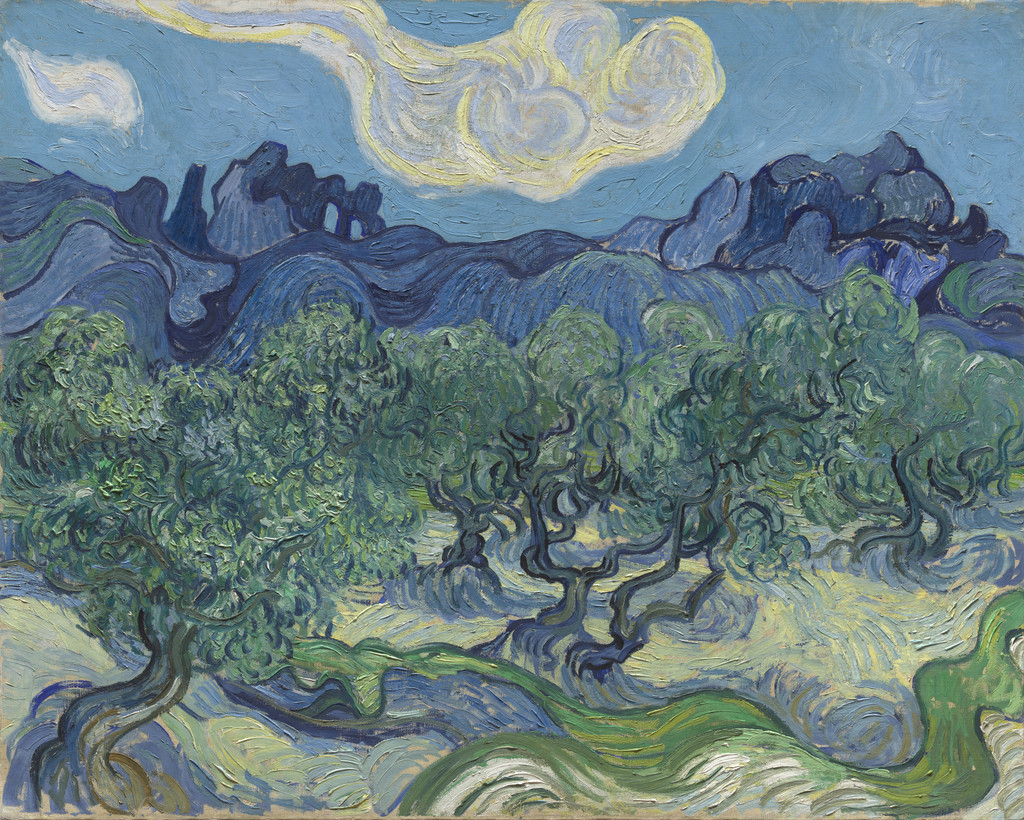
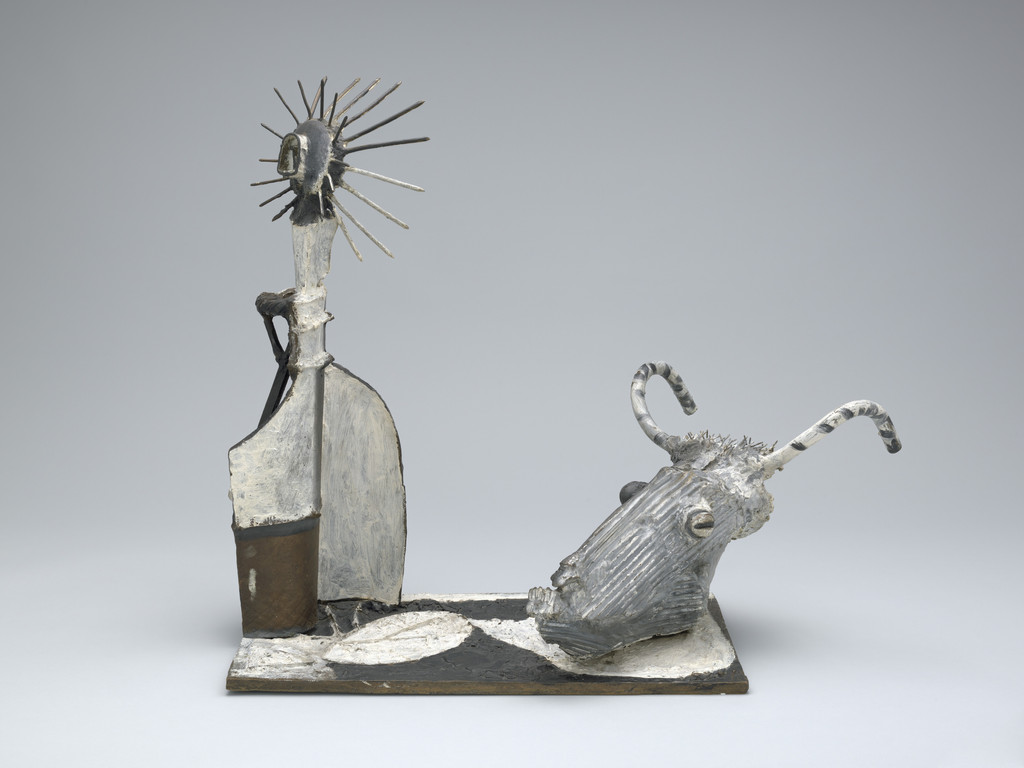
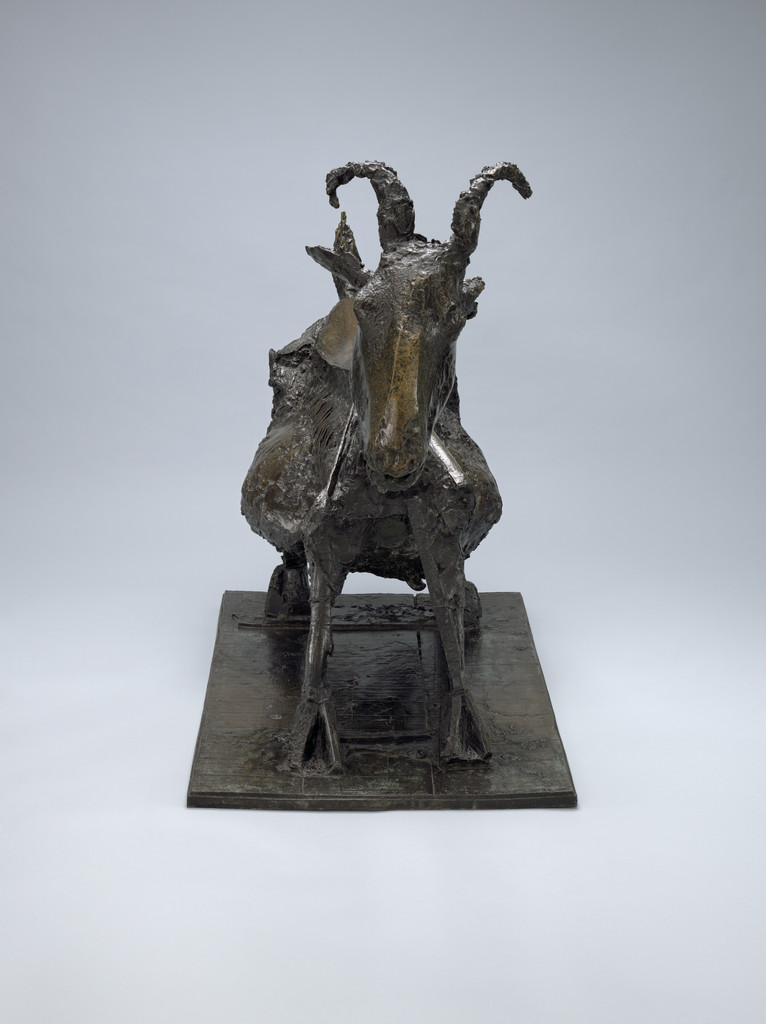
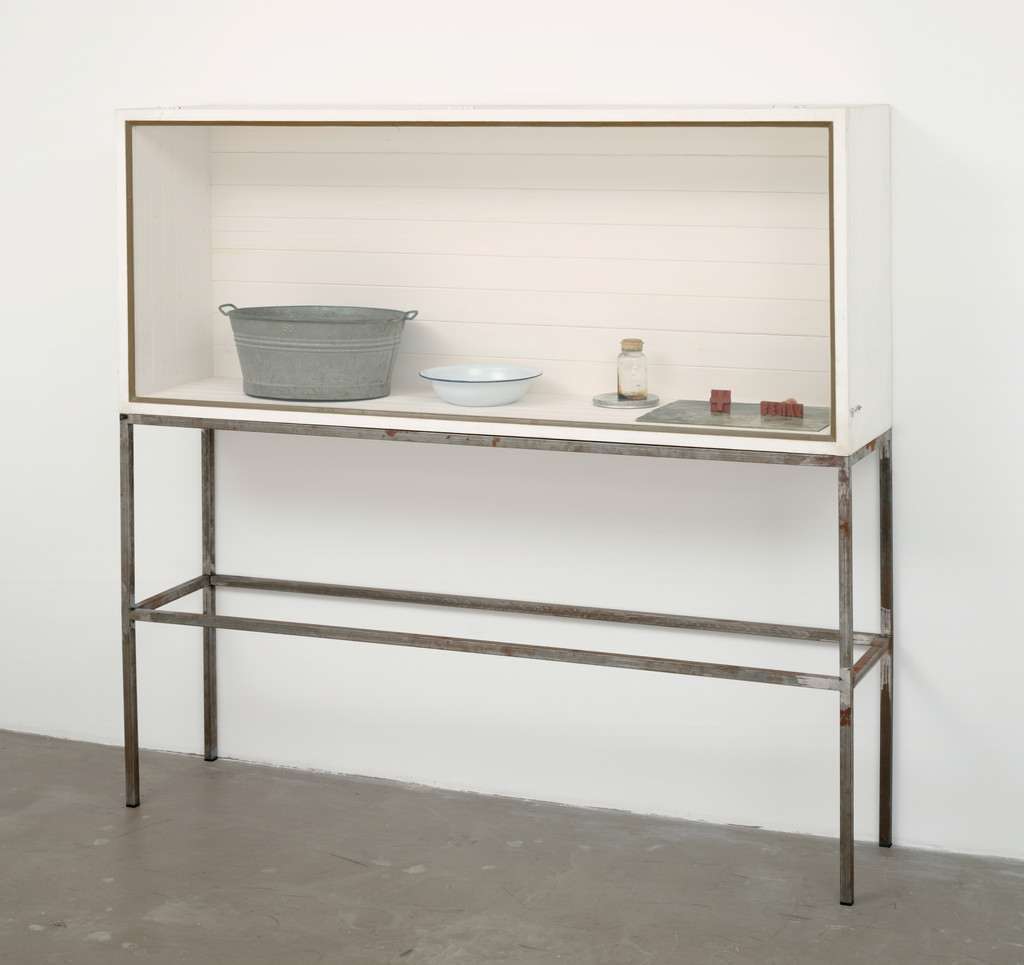
Celtic
Kan det ses?
Ikke udstillet lige nu
Hvor er »Celtic« i dag? Samling: Museum of Modern Art, New York City. Ikke udstillet lige nu. Kontrolleret 17. november 2026.

New York City, USA
Det hører til samlingen, men er ikke udstillet for tiden.
- Kontrolleret
- Kilde
- Museet
Oplysninger
- Inventarnummer
- 3.1999.a-o
I kataloget
Kilder
- Museum of Modern Art
- Billede: Museum of Modern Art — © the artist or rights holder
Imens i livet hos Joseph Beuys
Hele livet1960s
Forms the idea of “social sculpture”
Drawing on Novalis and Schiller and on Rudolf Steiner's ideas of social threefolding, Beuys developed the concept of social sculpture: society as a whole is one great work of art to which everyone can contribute creatively (“everyone is an artist”).
1970
The 1970 Edinburgh Festival: “Arena” and “The Pack”
In August 1970, at the Edinburgh International Festival, Beuys, with Günther Uecker, Blinky Palermo, Robert Filliou and other Düsseldorf artists, showed the retrospective “Arena” and the installation “The Pack” and performed “Celtic Kinloch Rannoch”, using a blackboard for the first time; a year later he developed the action in Basel as “Celtic+”.
1972
Dismissed from the Düsseldorf Academy
Beuys abolished entry requirements to his class, and this policy caused friction; in 1972 he found 142 rejected applicants whom he wished to take on and, with 16 students, occupied the academy's offices. The relationship became irreconcilable and in October he was dismissed; he refused to accept the dismissal, which provoked a wave of protests from students, artists and critics.
1974
Founds the Free International University
Together with Heinrich Böll, Beuys opened an international-level university where anyone could study — with no age limits and no entrance competition.
1979
The retrospective at the Guggenheim Museum
In 1979 the only major retrospective of Beuys's work organised in his lifetime opened at the Guggenheim Museum in New York; it has been described as a “lightning rod for American criticism”, provoking powerful and polemical responses.
23. januar 1986
Died