 Joseph BeuysTyskland, 1921–1986
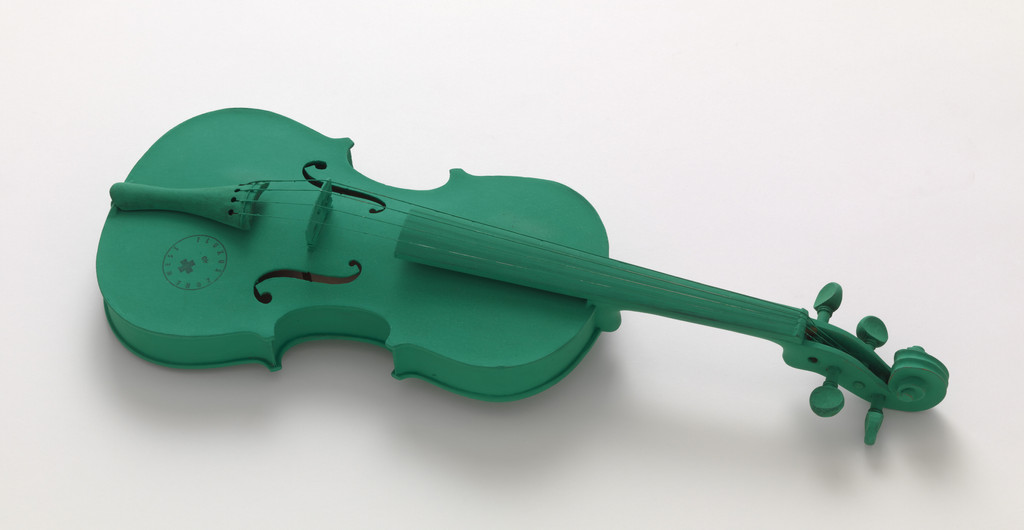
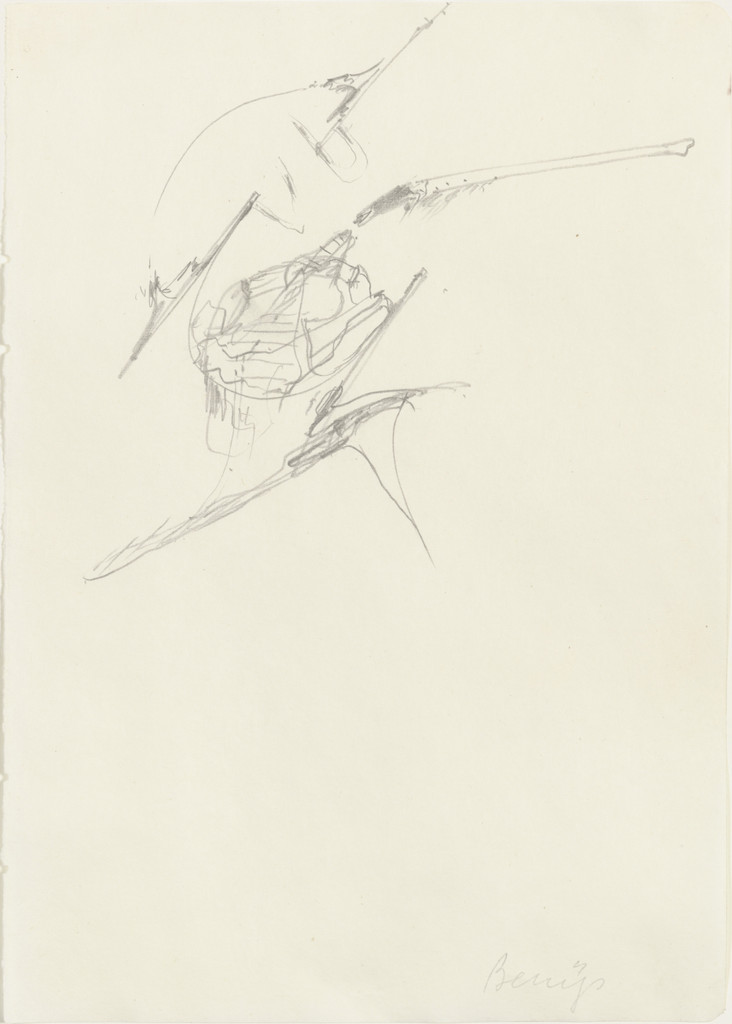
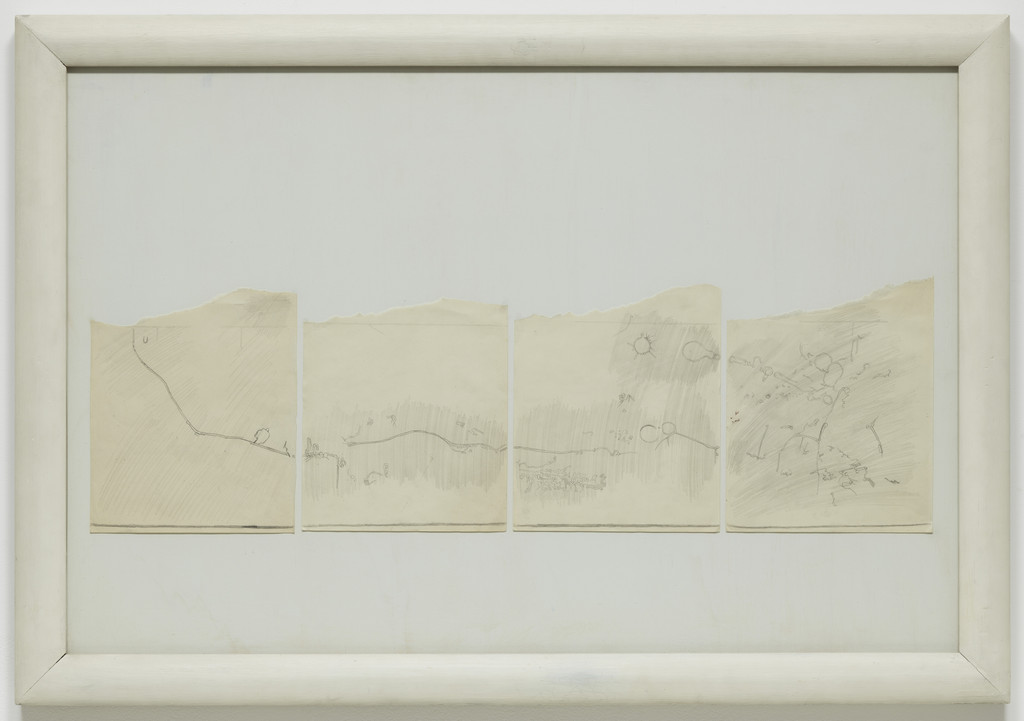
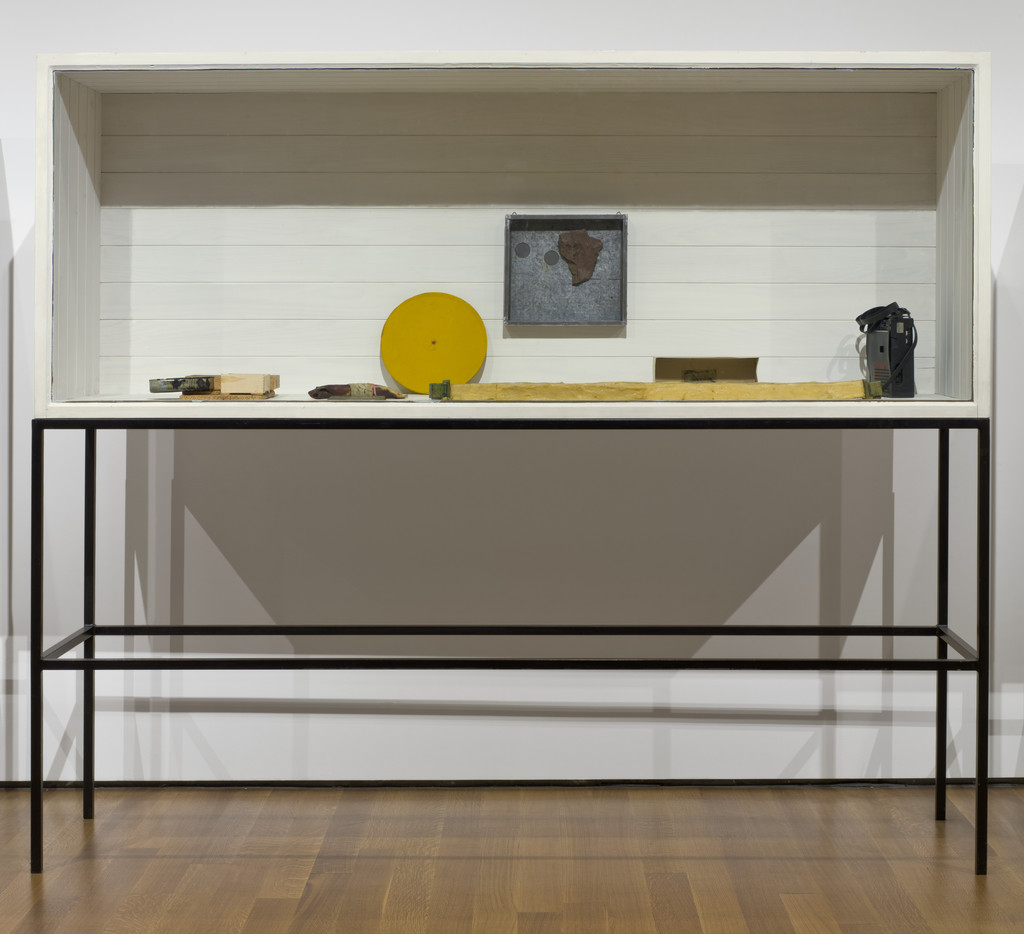
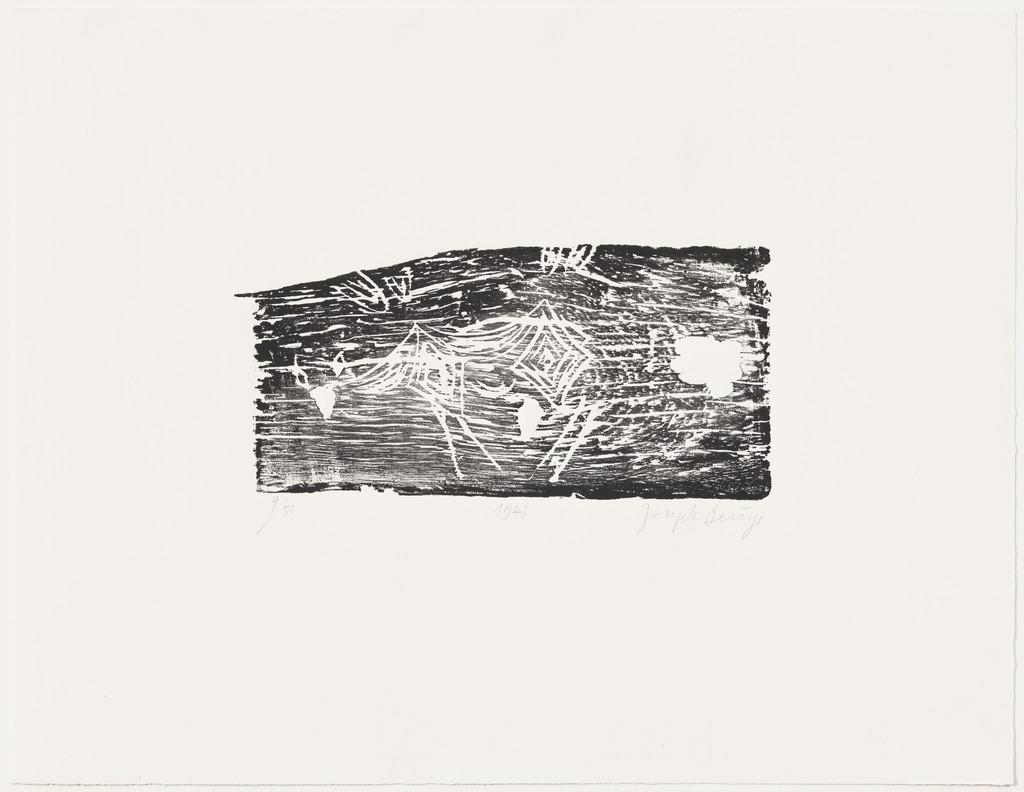
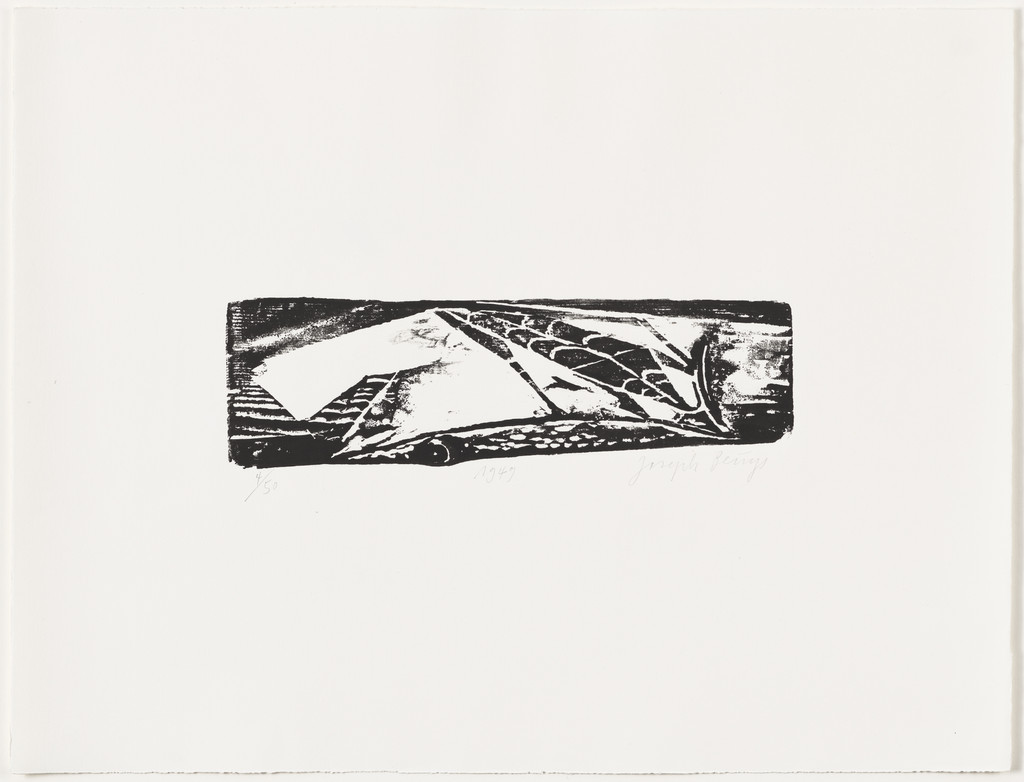
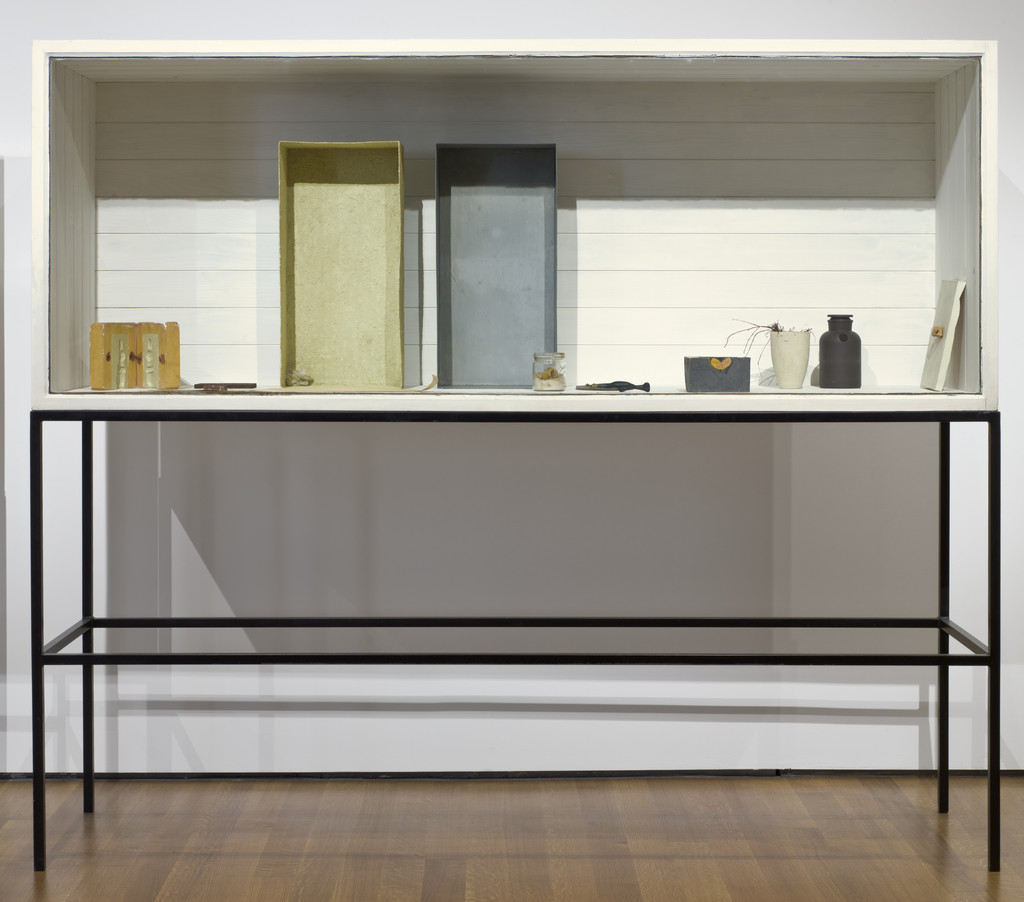
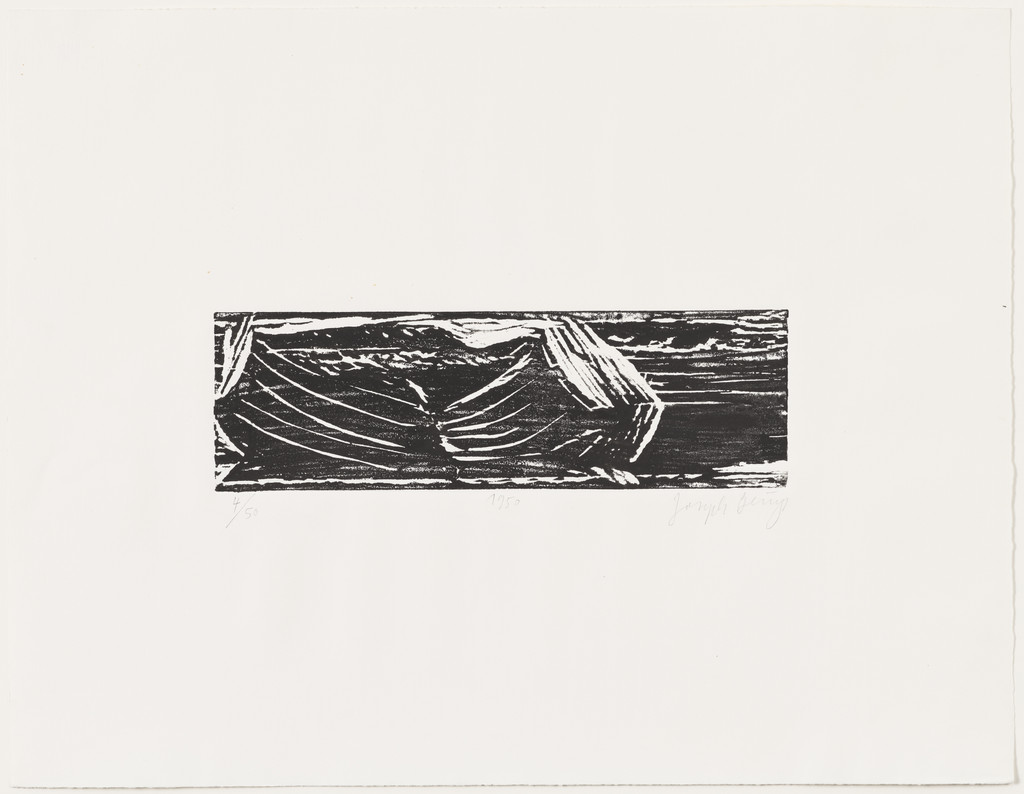
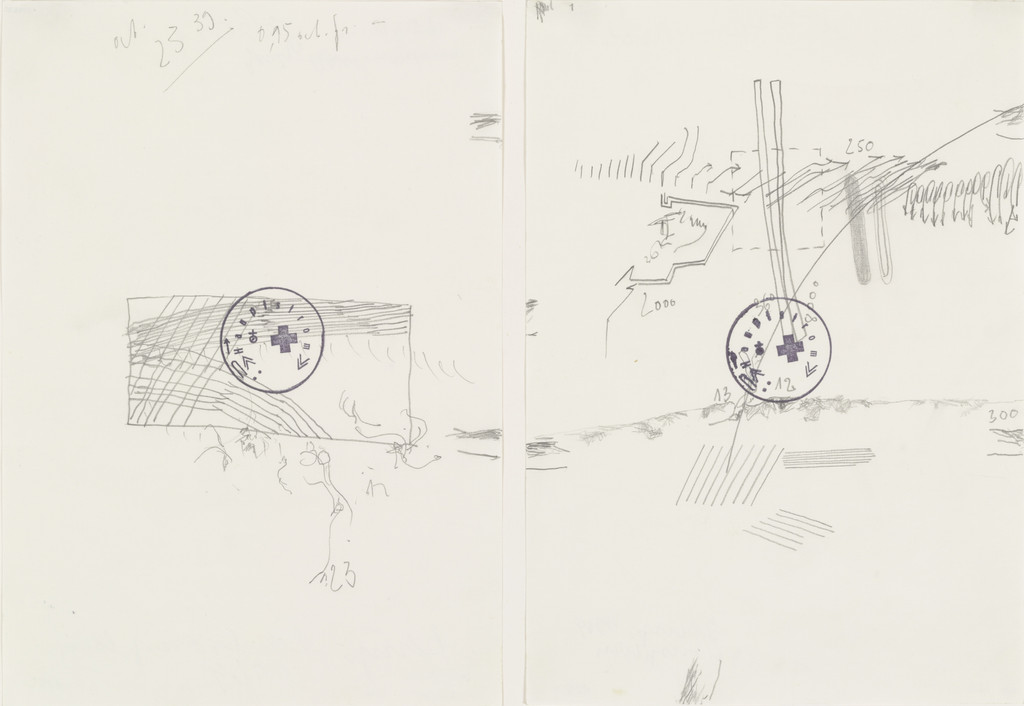
Action Plan (Aktionsplan)
Kan det ses?
Ikke udstillet lige nu
Hvor er »Action Plan (Aktionsplan)« i dag? Samling: Museum of Modern Art, New York City. Ikke udstillet lige nu. Kontrolleret 17. november 2026.

New York City, USA
Det hører til samlingen, men er ikke udstillet for tiden.
- Kontrolleret
- Kilde
- Museet
Oplysninger
- Inventarnummer
- 1283.2005
I kataloget
Kilder
- Museum of Modern Art
- Billede: Museum of Modern Art — © the artist or rights holder
Imens i livet hos Joseph Beuys
Hele livet1960s
Forms the idea of “social sculpture”
Drawing on Novalis and Schiller and on Rudolf Steiner's ideas of social threefolding, Beuys developed the concept of social sculpture: society as a whole is one great work of art to which everyone can contribute creatively (“everyone is an artist”).
1962
Friendship with Nam June Paik and first steps in Fluxus
In 1962 Beuys befriended his Düsseldorf colleague Nam June Paik, a member of Fluxus, which began his brief formal involvement with the movement; he viewed art's economic and institutional framework differently from the others, however.
1964
An action in Aachen: a punch in the face
At a festival at the Technical College in Aachen that coincided with the twentieth anniversary of the attempt on Hitler's life, students interrupted Beuys's action and one of them punched him in the face; a photograph of the artist with a bloodied nose and a raised arm circulated in the media and brought him wider public attention.
1964
On television: Duchamp's silence is overrated
In 1964, in a broadcast from the Second German Television Studio, Beuys delivered the line that the silence of Marcel Duchamp is overrated; his relationship with Duchamp's legacy and the readymade remains a central, if often unacknowledged, aspect of the controversy over his practice.
28. juni 1964 – 6. oktober 1964
Exhibition: Documenta III
26 November 1965
First solo exhibition in a private gallery
The show opened with an action involving a dead hare: Beuys, his face covered in honey and gold leaf, murmured explanations of the drawings on the walls to the animal while viewers watched through the gallery window; some critics called the photograph with the hare a new Mona Lisa of the 20th century.