Oskar SchlemmerTyskland, 1888–1943
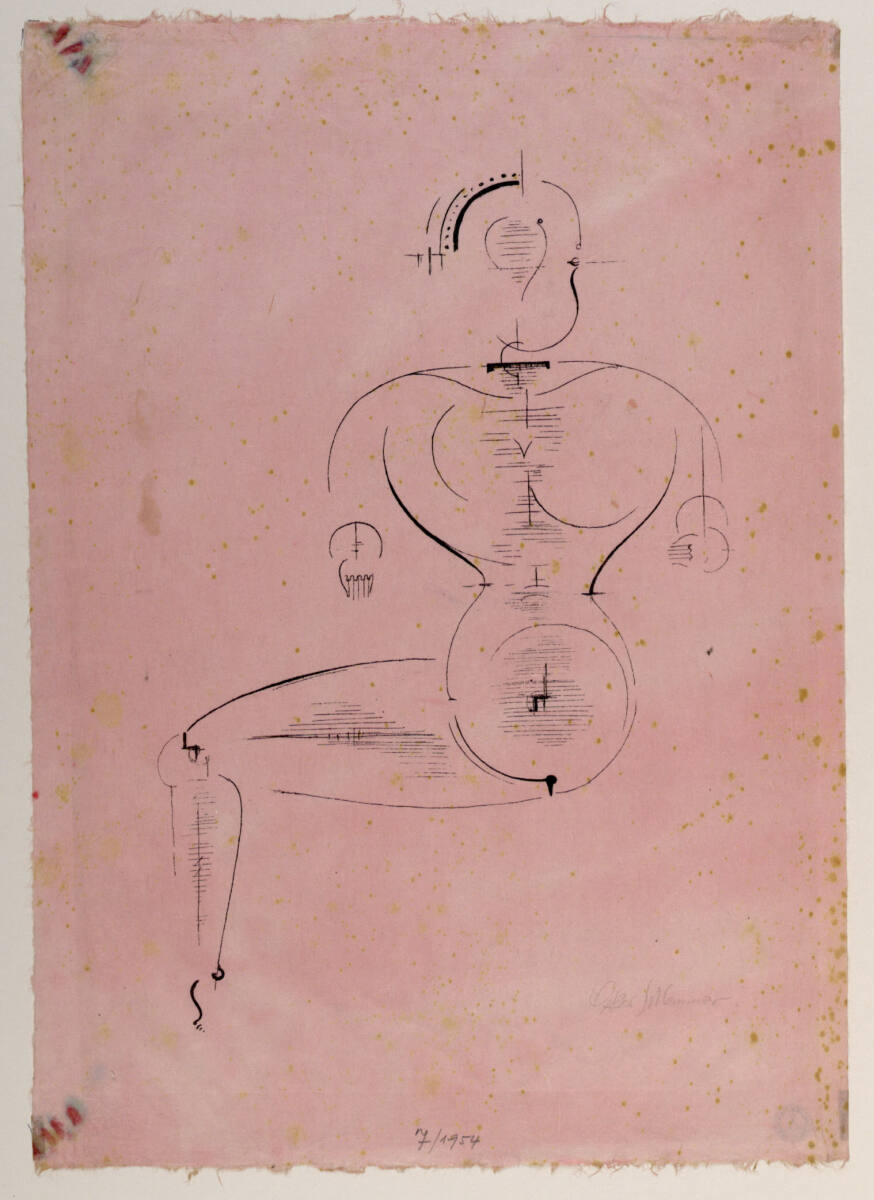
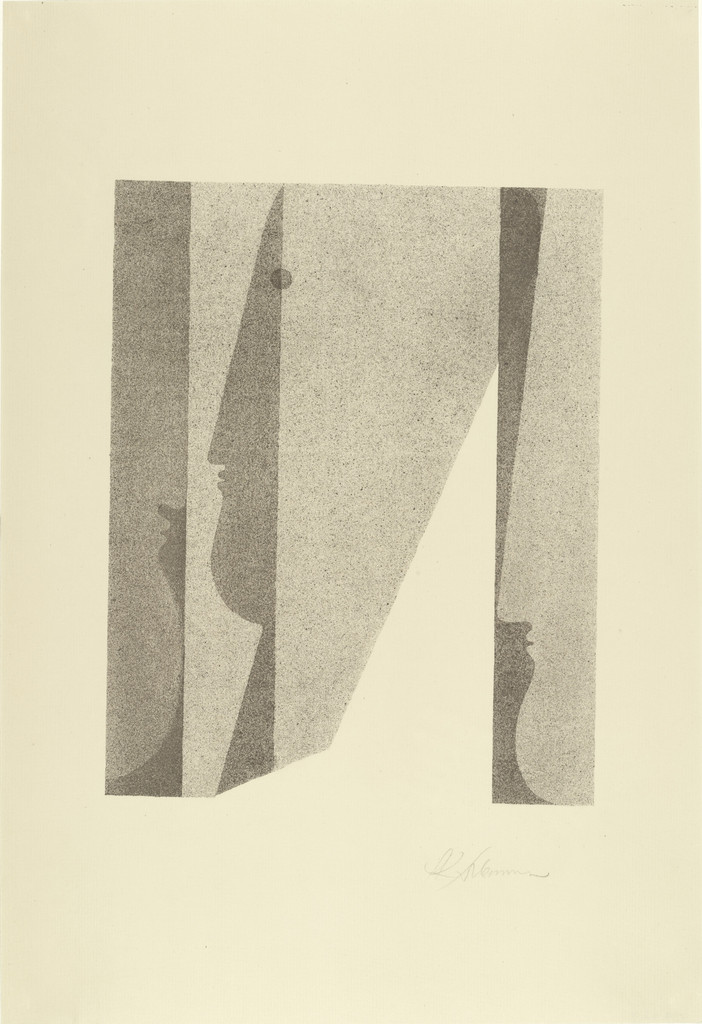
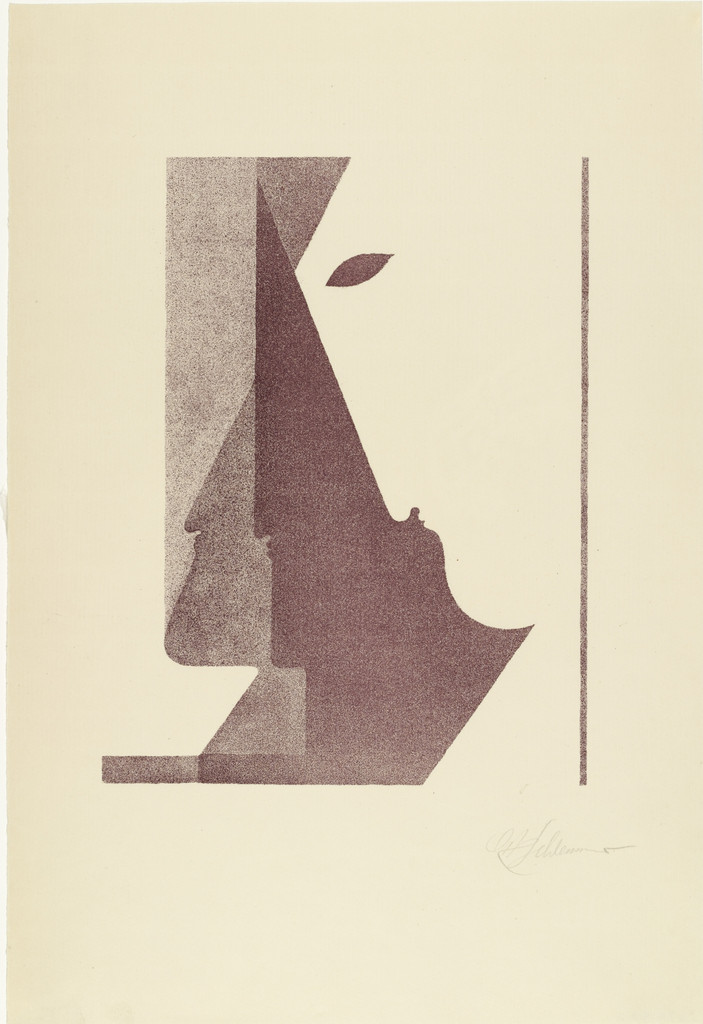
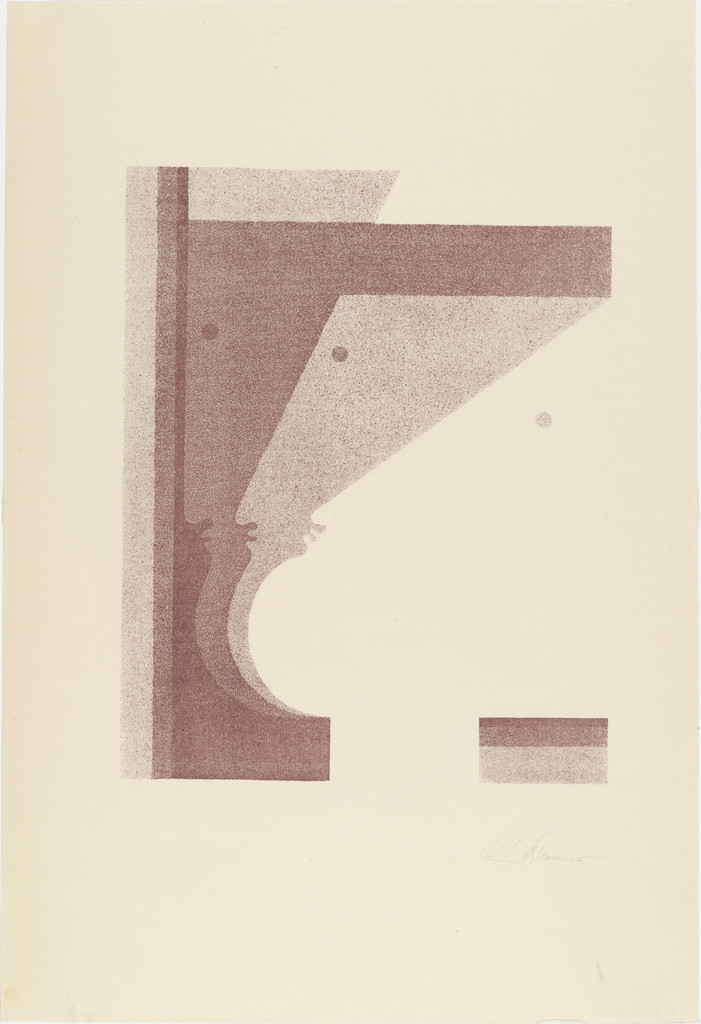
Abstract Figure
Må man se det?
Tager ikke imod for tiden

Art Institute of Chicago
Chicago, USA
Det hører til samlingen, men er ikke udstillet for tiden.
- Kontrolleret
- for 4 timer siden
- Uændret siden
- 19. aug. 2026
- Kilde
- Museets egne samlingsdata
About the sculpture
Established in 1919, the Bauhaus was Germany’s state-sponsored school of art, architecture, and design. Attempting to dissolve the distinction between “fine” and “applied” arts, the school aimed to effect social change after the destruction and devastation of World War I. Oskar Schlemmer was among the first teachers at the Bauhaus, and in his time there he taught classes in life drawing and mural painting and directed the theater and sculpture workshops. Abstract Figure represents the streamlined, modular body of the postwar, regenerated New Man, which was called for by many in German society and celebrated by the artist in the dance performances he choreographed during his time at the Bauhaus.
Art Institute of ChicagoCC BY 4.0
Oplysninger
- Inventarnummer
- 1968.610
What it shows
I kataloget
Kilder
- Art Institute of Chicago: the museum's own open data · hentet for 6 dage siden
- Billede: Art Institute of Chicago — © the artist or rights holder
Imens i livet hos Oskar Schlemmer
Hele livet1919
Turns to sculpture; exhibition at the Der Sturm gallery
In 1919 Schlemmer turns to sculpture and holds an exhibition of his work at the gallery Der Sturm in Berlin.
1919
Helps to update the Stuttgart Academy’s curriculum
At the same time Schlemmer helps to update the curriculum of the Stuttgart Academy of Fine Arts with the appointment of new faculty and exhibitions of modern art; those involved include Paul Klee and Willi Baumeister.
1920
Gropius invites Schlemmer to the Weimar Bauhaus
Walter Gropius invites Schlemmer to the Bauhaus in Weimar: by one account he runs the mural-painting and sculpture departments, by another he first heads the metal workshop and from 1922 the sculpture workshop.
1920
Marries Helena Tutein
In 1920 Schlemmer marries Helena Tutein; after the wedding he is invited to Weimar by Walter Gropius.
1923
Takes over the theatre workshop from Lothar Schreyer
In 1923 Schlemmer becomes Master of Form at the Bauhaus theatre workshop, taking it over from Lothar Schreyer. His complex ideas prove influential, making him one of the most important teachers at the school at that time.
1923
The influence of Metaphysical painting
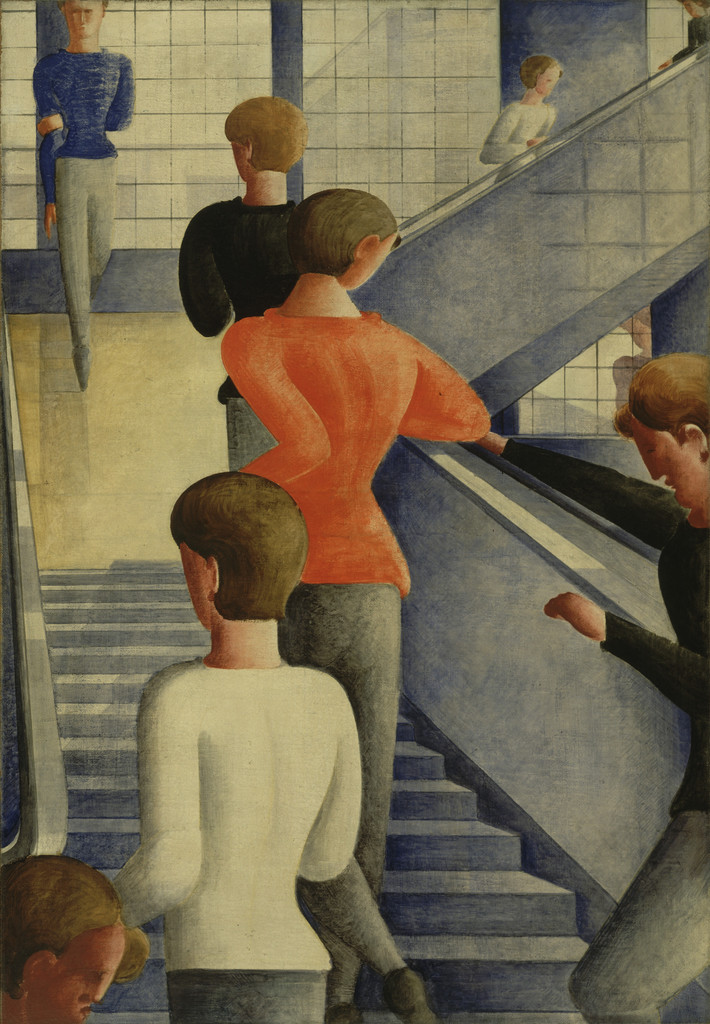
From 1923 Schlemmer’s style is strongly influenced by Metaphysical painting (Pittura Metafisica): the number of figures in his pictures noticeably decreases, and they are arranged on a clearly divided surface in a choreographic order that reflects universal harmony. The National Gallery in Berlin and the Folkwang Museum in Essen acquire works from this period, and recognition and fame come to the artist.