Oskar SchlemmerTyskland, 1888–1943
Three Figures with Furniture-like Forms
Kan det ses?
Ja, udstillet nu
Hvor er »Three Figures with Furniture-like Forms« i dag? Harvard Art Museums, Gallery 1500, floor 1, Modern and Contemporary Art, Cambridge. Ja, udstillet nu. Kontrolleret 29. september 2026.

Udstillet for publikum.
- Kontrolleret
- Uændret siden
- Kilde
- Museet
Om maleriet
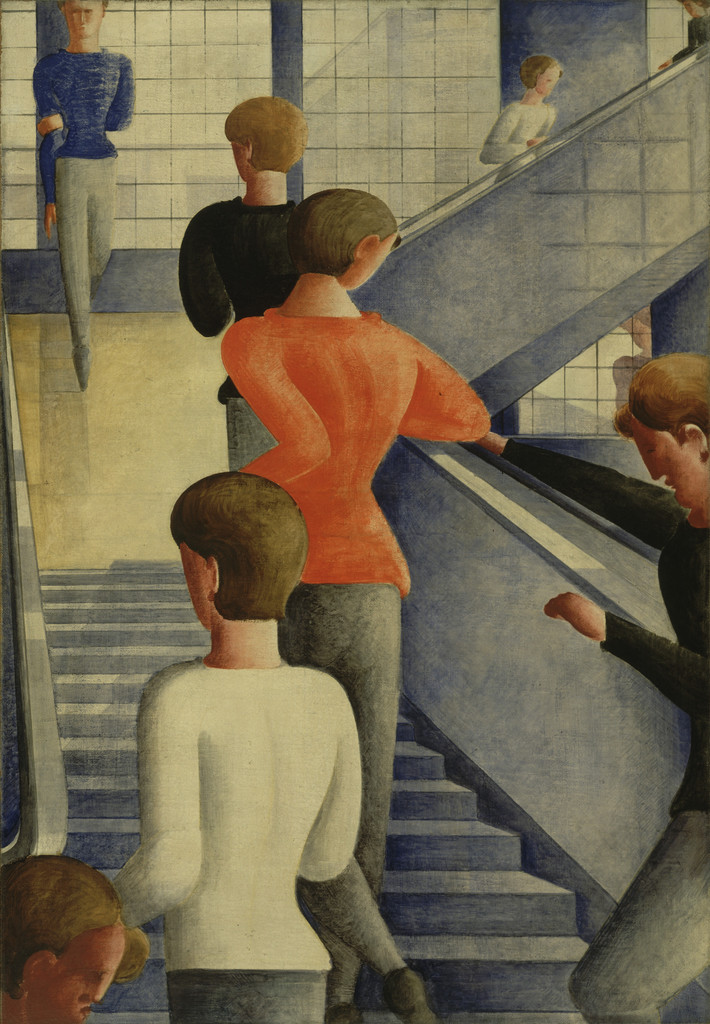
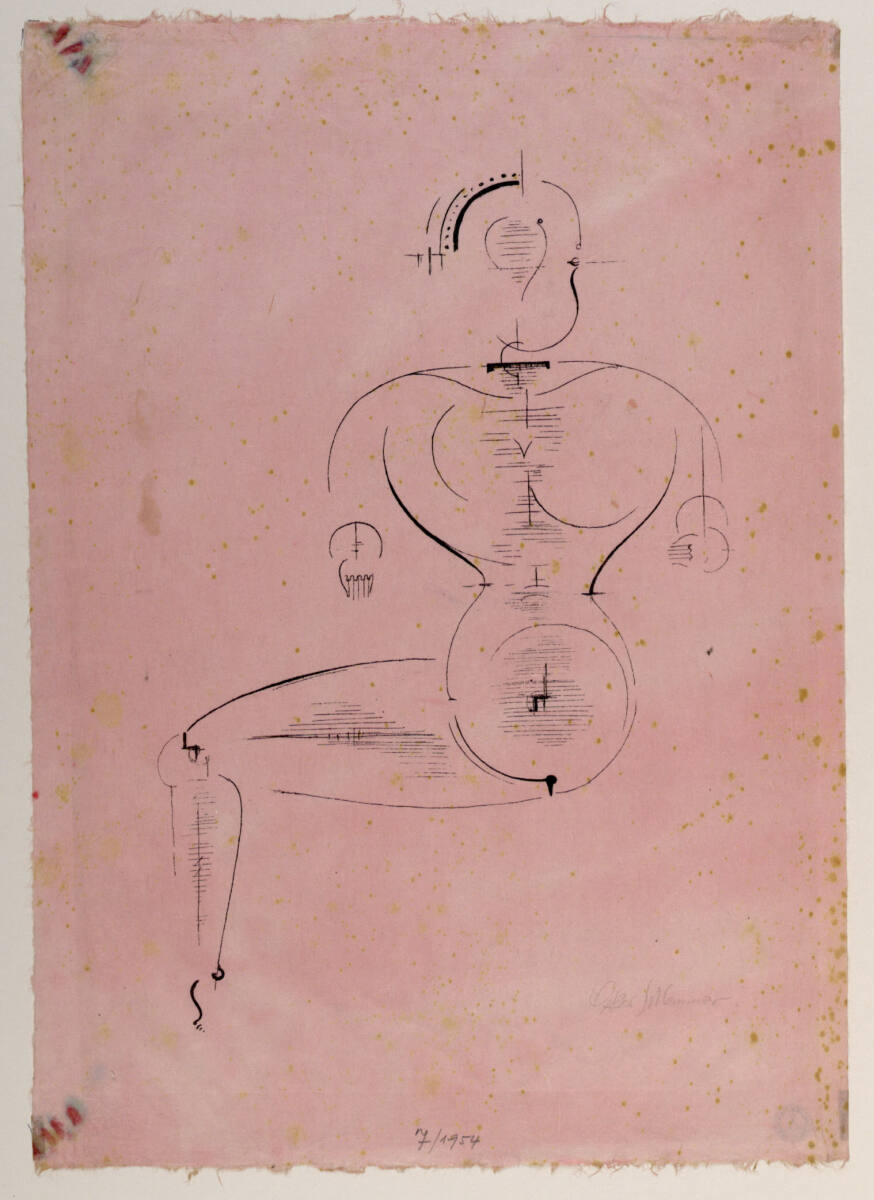
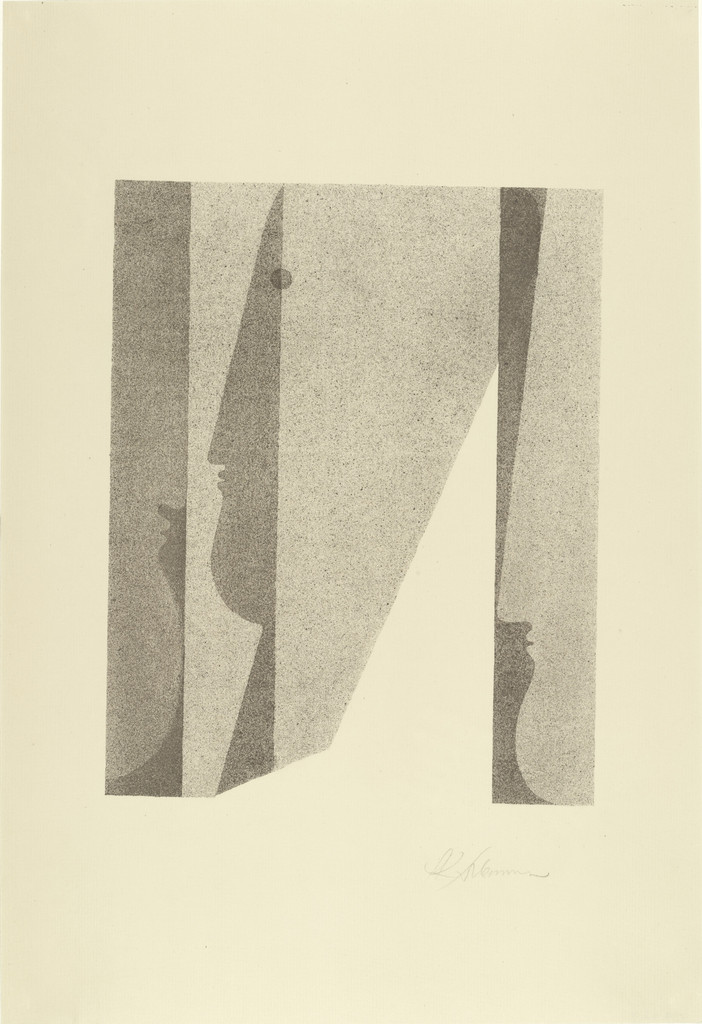
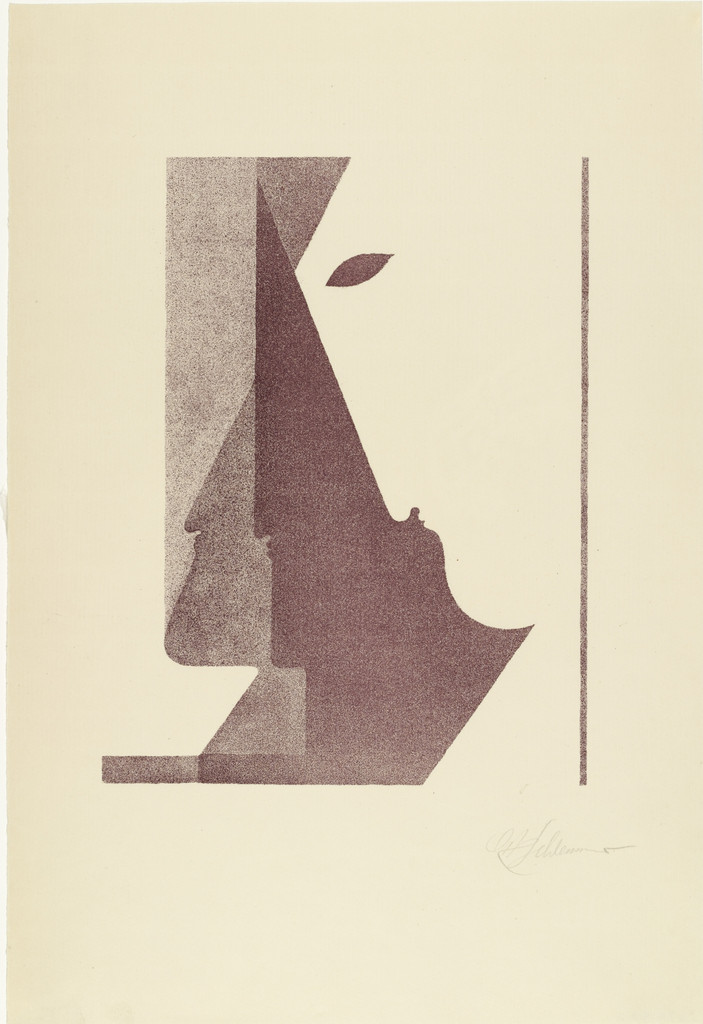
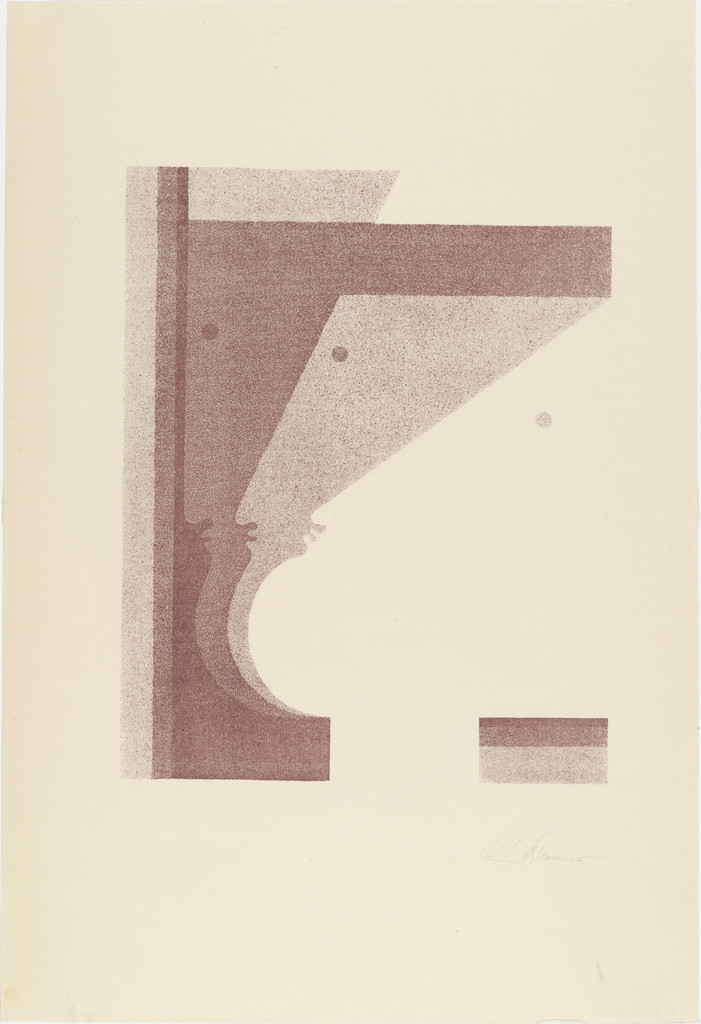
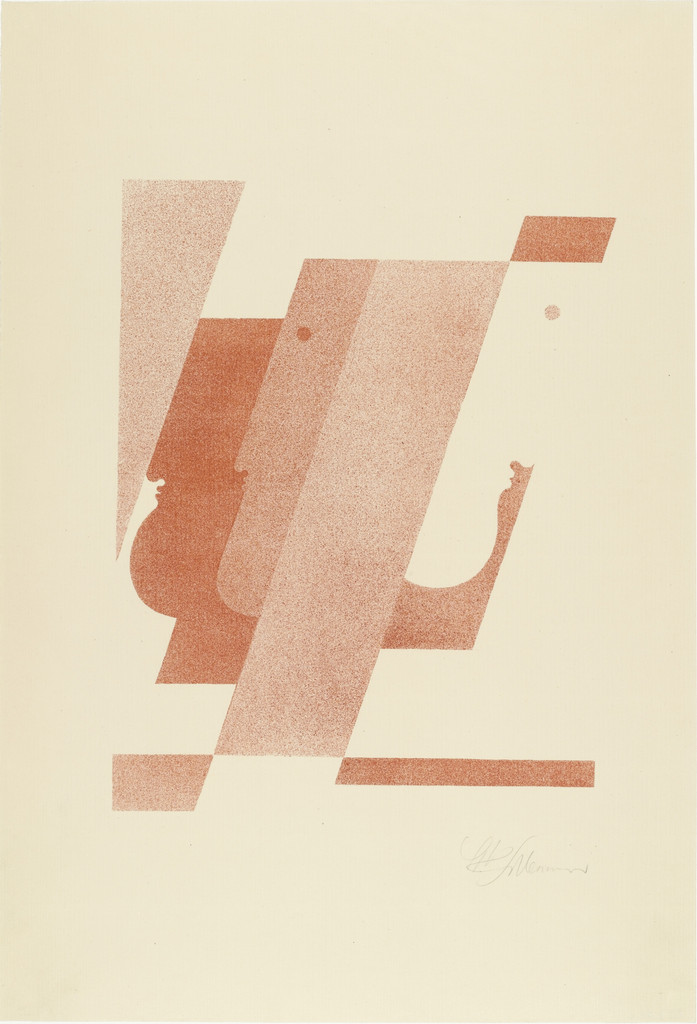
At the Bauhaus, where Schlemmer led the sculpture and later the theater workshops from 1921 to 1929, his devotion to figuration distinguished him from colleagues who were exploring pure abstraction. In his influential Bauhaus course “Man,” he analyzed measure, proportion, movement, gesture, and the relationships between human figures and their environments. In his own work, Schlemmer developed a simplified, geometrical figure that he brought into dialogue with architectural space in the form of relief sculptures, costumed dancers on a stage, and painted figures in dreamlike interiors. Composed of spheres and cylinders, the three figures here occupy an ambiguous space that suggests a stairway in the way they seem to ascend, descend, recede, and advance. The simplification of form and analysis of function that informed Schlemmer’s work were also key concepts for many others at the Bauhaus, who applied these principles to their designs for architecture, furniture, and household objects.
Harvard Art Museums
Oplysninger
- Inventarnummer
- BR55.447
I kataloget
Kilder
- Harvard Art Museums
- Billede: Harvard Art Museums — © President and Fellows of Harvard College
Imens i livet hos Oskar Schlemmer
Hele livet1920–1928
Employed by: Bauhaus
1920–1929
Develops the course “Der Mensch”
During his Bauhaus years Schlemmer develops the multidisciplinary course “Der Mensch” (The Human Being): in the human form he saw a measure that could provide a foothold in the disunity of his time.
1929
Leaves the Bauhaus and moves to Breslau
Because of the heightened political atmosphere in Germany at the end of the 1920s, and in particular the appointment of the Marxist architect Hannes Meyer as Gropius’s successor, Schlemmer resigns from the Bauhaus and takes a job at the Breslau Academy of Art and Applied Art.