ART WIKI
Hvor mesterværket hænger, og hvornår man bliver lukket ind.
Samlinger: Art Institute of Chicago, Bibliothèque-musée Inguimbertine, Cabinet des estampes et des dessins, Carré d'art - musée d'art contemporain, Centre historique minier de Lewarde, Château de Compiègne, Château de Nemours, Château de Saumur, Château de Sedan, Château de Versailles, Château-musée de Boulogne-sur-Mer, Château-musée Henri-IV, Conservation départementale de l'Ain, Conservatoire du machinisme et des pratiques agricoles, Det Russiske Museum, Écomusée de la Basse-Seine, Écomusée de la Bresse bourguignonne, Écomusée de Saint-Nazaire, Écomusée du Creusot-Montceau, Eremitagen, Forge-musée d'Etueffont, Getty Villa, Halle aux blés de Thann, Harvard Art Museums, Hirshhorn Museum and Sculpture Garden, Historial de la Grande Guerre, Historial de la Vendée, Hôtel Cabu, musée d’histoire et d’archéologie, J. Paul Getty Museum, La Banque, Musée des Cultures et du Paysage, La Piscine, musée d'art et d'industrie, Les Abattoirs, Lieu d'art et action contemporaine de Dunkerque, Lille Métropole Musée d'art moderne, d'art contemporain et d'art brut, Louvre, Lugdunum, Maison de l'archéologie de Niederbronn-les-Bains, Maison de Pierre Loti à Rochefort, Maison des Lumières Denis Diderot, Maison des templiers, Maison des templiers, Maison Lansyer, Metropolitan Museum of Art, Minneapolis Institute of Art, MUba Eugène-Leroy, Musée Adrien-Mentienne, Musée Alexandre-Dumas, Musée Alfred-Canel, Musée Alfred-Danicourt, Musée Anne-de-Beaujeu, Musée Antoine-Lécuyer, Musée Antoine-Vivenel, Musée archéologique d'Argentomagus, Musée archéologique de Dijon, Musée archéologique de l'Oise, Musée archéologique de Mariana - Prince Rainier III de Monaco, Musée archéologique de Nice-Cimiez, Musée archéologique de Strasbourg, Musée archéologique de Thésée, Musée archéologique départemental de Jublains, Musée archéologique et d'ethnographie locale, Musée Auguste Grasset, Musée Balzac, Musée Bargoin, Musée Baron-Gérard, Musée Baron-Martin, Musée Barrois, Musée basque et de l'histoire de Bayonne, Musée Bertrand, Musée bibliothèque Pierre-André-Benoit, Musée Blanche Hoschedé-Monet, Musée Bonaparte, Musée Bonnat-Helleu, Musée Bossuet, Musée Boucher-de-Perthes, Musée Buffon, Musée Calbet, Musée Calvet, Musée camarguais, Musée Camille Claudel, Musée Cantini, Musée Casa Pairal, Musée cévenol, Musée Champollion, Musée Charles Milcendeau, Musée Charles VII, Musée Charles-de-Bruyères, Musée Charles-Friry, Musée Christian-Dior, Musée comtois, Musée Condé, Musée Courbet, Musée Crozatier, Musée d'Allard, Musée d'Apt, Musée d'Aquitaine, Musée d'Archéologie et d'Histoire locale de Denain, Musée d'archéologie méditerranéenne, Musée d'Archéologie nationale, Musée d'Argenteuil, Musée d'Argonne, Musée d'art contemporain de Bordeaux, Musée d'Art contemporain du Val-de-Marne, Musée d'Art de Toulon, Musée d’art et d’archéologie, Musée d'art et d'archéologie de Cluny, Musée d'Art et d'Archéologie de Laon, Musée d'art et d'archéologie de Senlis, Musée d'Art et d'Archéologie de Valence, Musée d'art et d'archéologie du Périgord, Musée d'art et d'histoire, Musée d'art et d'histoire, Musée d'art et d'histoire d'Albertville, Musée d'art et d'histoire d'Avranches, Musée d'art et d'histoire d'Orange, Musée d'Art et d'Histoire de Cholet, Musée d'Art et d'Histoire de Dreux, Musée d'Art et d'Histoire de Granville, Musée d'art et d'histoire de Langres, Musée d'art et d'histoire de Lisieux, Musée d'art et d'histoire de Meudon, Musée d'art et d'histoire de Narbonne, Musée d'art et d'histoire de Pithiviers, Musée d'Art et d'Histoire de Provence, Musée d'Art et d'Histoire de Saint-Brieuc, Musée d'Art et d'Histoire de Saint-Lô, Musée d'art et d'histoire de Toul, Musée d'art et d'histoire du judaïsme, Musée d'art et d'histoire Louis-Senlecq, Musée d'art et d'histoire Paul Éluard, Musée d'art et d'histoire Romain-Rolland, Musée d'Art et d'Industrie de Saint-Étienne, Musée d'Art Moderne de Belfort, Musée d'Art moderne de Céret, Musée d'Art moderne de Troyes, Musée d'Art Moderne et Contemporain de Strasbourg, Musée d'art moderne et d'art contemporain de Nice, Musée d'Art moderne Richard-Anacréon, Musée d'Art Roger-Quilliot, Musée d'art sacré de Dijon, Musée d'art, histoire et archéologie d'Évreux, Musée d'arts et d'histoire de Bormes-les-Mimosas, Musée d'Elbeuf, Musée d'Histoire de la Ville et du Pays Malouin, Musée d'Histoire de Marseille, Musée d'histoire de Nantes, Musée d'histoire et d'archéologie de Moutiers, Musée d'histoire et d'archéologie de Vannes, Musée d'Histoire naturelle de Lille, Musée d'histoire urbaine et sociale de Suresnes, Musée Daubigny, Musée de Bastia, Musée de Bourgoin-Jallieu, Musée de Bretagne, Musée de Brou, Musée de Cahors Henri-Martin, Musée de Cambrai, Musée de Cerdagne, Musée de Cluny, Musée de Dieppe, Musée de Flandre, Musée de Grenoble, Musée de l'Abbaye, Musée de l’air et de l’espace, Musée de l'Ancien Havre, Musée de l'Annonciade, Musée de l'Ardenne, Musée de l'Armée, Musée de l'artillerie, Musée de l'Assistance publique - Hôpitaux de Paris, Musée de l’Avallonnais, Musée de l'École de Nancy, Musée de l'Ecole nationale supérieure des beaux-arts, Musée de l'Éphèbe et d'archéologie sous-marine, Musée de l'Histoire de France, Musée de l'histoire de l'immigration, Musée de l'Histoire vivante, Musée de l'horlogerie de Saint-Nicolas-d'Aliermont, Musée de l'Hospice Comtesse, Musée de l'Hospice Saint-Roch, Musée de l'hôtel Sandelin, Musée de l'Hôtel-Dieu, Musée de l'Image, Musée de l'image populaire de Pfaffenhoffen, Musée de l'impression sur étoffes, Musée de l'Œuvre Notre-Dame, Musée de l'Orangerie, Musée de la bataille du 6 août 1870, Musée de la Bière, Musée de la Céramique de Lezoux, Musée de la Céramique de Rouen, Musée de la Chartreuse de Douai, Musée de la Chasse et de la Nature, Musée de la chasse, histoire et nature en Val de Loire, Musée de la chemiserie et de l'élégance masculine, Musée de la Compagnie des Indes, Musée de la Corbillière, Musée de la Cour d'Or, Musée de la Création Franche, Musée de la faïence de Sarreguemines, Musée de la faïence et des beaux-arts, Musée de la Fondation de Coubertin, Musée de la Gendarmerie nationale de Melun, Musée de la Grande Guerre du pays de Meaux, Musée de la Grande Saline, Musée de la Légion d'honneur, Musée de la Loire, Musée de la lunette, Musée de la Maison Bonaparte, Musée de la Marine de Loire, Musée de la Musique, Musée de la Nacre et de la Tabletterie, Musée de la pêche de Concarneau, Musée de la Princerie, Musée de la Romanité, Musée de la Sénatorerie de Guéret, Musée de la Société archéologique de Touraine, Musée de la Vallée de l'Ubaye, Musée de la vénerie de Senlis, Musée de la Vie bourguignonne Perrin de Puycousin, Musée de la vigne et du vin du Jura, Musée de la ville de Saint-Quentin-en-Yvelines, Musée de Louviers, Musée de Nogent-le-Rotrou, Musée de Normandie, Musée de Picardie, Musée de Pont-Aven, Musée de Pontarlier, Musée de Sainte-Menehould, Musée de Salagon, Musée de Sarlat et du Périgord noir, Musée de Sens, Musée de Soissons, Musée de Sologne, Musée de Tessé, Musée de Thonon-les-Bains, Musée de Vierzon, Musée de Villèle, Musée de Vire Normandie, Musée Denon, Musée départemental Albert Demard, Musée départemental Alexandre-Franconie, Musée départemental breton, Musée départemental d'Art ancien et contemporain, Musée départemental d'art contemporain de Rochechouart, Musée départemental d'art et d'histoire, Musée départemental d'art sacré, Musée départemental de l'Oise, Musée départemental de la Seine-et-Marne, Musée départemental Maurice-Denis, Musée départemental Raymond Poincaré, Musée départemental Thomas-Dobrée, Musée des Amériques - Auch, Musée des antiquités de Rouen, Musée des Arts africains, océaniens et amérindiens, Musée des arts asiatiques de Nice, Musée des Arts décoratifs, Musée des arts décoratifs de Bordeaux, Musée des Arts décoratifs, de la Faïence et de la Mode, Musée des arts précieux Paul-Dupuy, Musée des Augustins, Musée des Avelines, Musée des beaux-arts, Musée des Beaux-Arts d'Agen, Musée des Beaux-Arts d'Angers, Musée des Beaux-Arts d'Arras, Musée des Beaux-Arts d'Orléans, Musée des beaux-arts de Beaune, Musée des Beaux-Arts de Bernay, Musée des Beaux-Arts de Béziers, Musée des Beaux-Arts de Blois, Musée des Beaux-Arts de Bordeaux, Musée des Beaux-Arts de Brest, Musée des Beaux-Arts de Caen, Musée des Beaux-Arts de Calais, Musée des Beaux-Arts de Carcassonne, Musée des Beaux-Arts de Chambéry, Musée des Beaux-Arts de Chartres, Musée des Beaux-Arts de Dijon, Musée des Beaux-Arts de Dole, Musée des Beaux-Arts de Dunkerque, Musée des Beaux-Arts de La Rochelle, Musée des Beaux-Arts de Libourne, Musée des Beaux-Arts de Limoges, Musée des Beaux-Arts de Lons-le-Saunier, Musée des Beaux-Arts de Lyon, Musée des Beaux-Arts de Marseille, Musée des Beaux-Arts de Menton, Musée des Beaux-Arts de Morlaix, Musée des Beaux-Arts de Nancy, Musée des Beaux-Arts de Nîmes, Musée des Beaux-Arts de Pau, Musée des Beaux-Arts de Quimper, Musée des Beaux-Arts de Reims, Musée des Beaux-Arts de Rennes, Musée des Beaux-Arts de Rouen, Musée des Beaux-Arts de Strasbourg, Musée des Beaux-Arts de Tours, Musée des beaux-arts de Valenciennes, Musée des beaux-arts Denys-Puech, Musée des beaux-arts et d’archéologie de Besançon, Musée des Beaux-Arts et d'Archéologie de Châlons-en-Champagne, Musée des Beaux-Arts et d'Archéologie de Troyes, Musée des Beaux-Arts et d'Archéologie Joseph-Déchelette, Musée des beaux-arts et de la dentelle, Musée des Beaux-Arts Jules Chéret, Musée des civilisations de l'Europe et de la Méditerranée, Musée des Confluences, Musée des émaux et faïences de Longwy, Musée des Explorations du monde, Musée des Hospices civils de Lyon, Musée des Instruments à vent, Musée des Maisons comtoises de Nancray, Musée des Pêcheries, Musée des Traditions et Arts Normands, Musée des Ursulines, Musée Despiau-Wlérick, Musée du Berry, Musée du Biterrois, Musée du cartonnage et de l'imprimerie, Musée du château de Flers, Musée du château de Lunéville, Musée du château de Vitré, Musée du Cloître de Tulle, Musée du compagnonnage de Tours, Musée du costume, Musée du Domaine départemental de Sceaux, Musée du domaine royal de Marly, Musée du Familistère de Guise, Musée du fer de Reichshoffen, Musée du Hiéron, Musée du jouet de Moirans-en-Montagne, Musée du Masque de fer et du Fort Royal, Musée du Noyonnais, Musée du papier peint, Musée du Pays châtillonnais, Musée du Pays de Cocagne, Musée du pays de Hanau, Musée du Petit Palais, Musée du Présidial de Saintes, Musée du Prieuré, Musée du Temps, Musée du Vieil-Aix, Musée du vieux Chinon, Musée du Vieux Nîmes, Musée du vieux Sisteron, Musée du Vieux Toulouse, Musée du Vieux-Château, Musée du vin de Bourgogne, Musée Edmond Rostand, Musée Émile-Chénon, Musée Estève, Musée Estrine, Musée Eugène-Boudin, Musée Fabre, Musée Faure, Musée Flaubert et d'Histoire de la médecine, Musée français de la carte à jouer, Musée Franck-A.-Perret, Musée franco-américain du château de Blérancourt, Musée Gallé-Juillet, Musée gallo-romain d'Aoste, Musée Gallo-Romain de Biesheim, Musée gallo-romain de Saint-Romain-en-Gal, Musée Gassendi, Musée Gatien-Bonnet, Musée George Sand et de la Vallée Noire, Musée Georges-Labit, Musée Girodet, Musée Goya, Musée Granet, Musée Greuze, Musée Grobet-Labadié, Musée Guimet, Musée Gustave-Moreau, Musée Hébert, Musée Henri Boez, Musée Henri-Chapu, Musée historique de Strasbourg, Musée historique et Erckmann-Chatrian de Phalsbourg, Musée hospitalier, Musée Hyacinthe-Rigaud, Musée industriel de la corderie Vallois, Musée Ingres-Bourdelle, Musée International de la Chaussure, Musée international de la parfumerie, Musée Jadis d'Allevard, Musée Jean Garcin 39-45 : l'appel de la liberté, Musée Jean-Calvin, Musée Jean-Cocteau - Collection Séverin Wunderman, Musée Jean-de-La-Fontaine, Musée Jean-Jacques-Rousseau, Musée Jeanne d'Arc, Musée Jules Bastien-Lepage et de la Fortification, Musée Jules-Desbois, Musée Lambinet, Musée Le Secq des Tournelles, Musée Léon-Alègre, Musée Léon-Dierx, Musée Louis-Français, Musée Louis-Philippe du château d'Eu, Musée Magnelli, musée de la céramique, Musée Magnin, Musée Mainssieux, Musée Mandet, Musée Marc-Chagall, Musée maritime de l'Île Tatihou, Musée Masséna, Musée Massey, Musée Matisse, Musée Matisse, Musée Médard, Musée municipal, Musée municipal d'Art et d'Histoire de Colombes, Musée municipal d'Épernay, Musée municipal de Barentin, Musée municipal de Châtellerault, Musée municipal de Crécy-la-Chapelle, Musée municipal de Forcalquier, Musée municipal de La Roche-sur-Yon, Musée municipal de la tour abbatiale de Saint-Amand-les-Eaux, Musée municipal de Louhans, Musée municipal de Melun, Musée municipal de Moret-sur-Loing, Musée municipal de Nuits-Saint-Georges, Musée municipal de Poligny, Musée municipal de Saint-Dizier, Musée municipal de Saint-Ouen, Musée municipal de Vendôme, Musée Muséum départemental des Hautes-Alpes, Musée national Adrien-Dubouché, Musée national d'Art moderne, Musée national de l'Éducation, Musée national de la Marine, Musée national de la Renaissance, Musée national de la voiture et du tourisme, Musée national de Malmaison et Bois-Préau, Musée national du Château de Fontainebleau, Musée national du Sport, Musée national et domaine du château de Pau, Musée national Eugène-Delacroix, Musée national Fernand-Léger, Musée national Jean-Jacques-Henner, Musée Nicéphore-Niépce, Musée Nicolas-Poussin, Musée Paul-Dini de Villefranche-sur-Saône, Musée Paul-Valéry, Musée Picasso, Musée Picasso, Musée Pierre-Corneille, Musée Pierre-Corneille, Musée Pierre-de-Luxembourg, Musée Pierre-Noël, Musée Pincé, Musée portuaire de Dunkerque, Musée Raymond-Lafage, Musée Réattu, Musée régional d'ethnologie de Béthune, Musée Rimbaud, Musée Robert-Dubois-Corneau, Musée Rodin, Musée Rolin, Musée Rupert-de-Chièvres, Musée Saint-Germain, Musée Saint-Nazaire, Musée Saint-Raymond, musée d'Archéologie de Toulouse, Musée Saint-Remi, Musée Saint-Vic, Musée Sainte-Croix, Musée Sainte-Croix des Sables-d'Olonne, Musée Saliès, Musée Sarret de Grozon, Musée Schœlcher, Musée sundgauvien, Musée Tavet-Delacour, Musée Théodore-Deck, Musée Thomas-Henry, Musée Tomi-Ungerer – Centre international de l'illustration, Musée Unterlinden, Musée Verger-Tarin, Musée Victor-Hugo, Musée Westercamp, Musée Ziem, Musée-atelier de Paul Cézanne, Musée-bibliothèque François Pétrarque, Musée-château d'Annecy, Musées de Belfort, Musées du château des Rohan à Saverne, Museon Arlaten, MuséoParc Alésia, Muséum d'histoire naturelle de Nice, Muséum d'histoire naturelle de Nîmes, Muséum d'histoire naturelle du Havre, Muséum de Besançon, Muséum de Rouen, Muséum de Toulouse, Muséum Emmanuel-Liais, Museum of Modern Art, Museum of modern art André Malraux, Nantes kunstmuseum, National Gallery of Art, National Museum of Asian Art, National Portrait Gallery (Smithsonian), Palais des beaux-arts de Lille, Palais des ducs de Lorraine – Musée lorrain, Palais Lascaris, Pusjkinmuseet, Rijksmuseum Amsterdam, Sèvres - Cité de la céramique, Smithsonian American Art Museum, Statens Museum for Kunst, The Cleveland Museum of Art, Tretjakovgalleriet, Verrerie de Meisenthal, Victoria and Albert Museum, Villa-musée Jean-Honoré-Fragonard, Whitney Museum of American Art, Ruslands statskatalog over museumsfonden (274 museer), Europeana (19 museer), Wikidata (6 museer) og Paris Musées (12 museer). Billederne tilhører deres rettighedshavere.


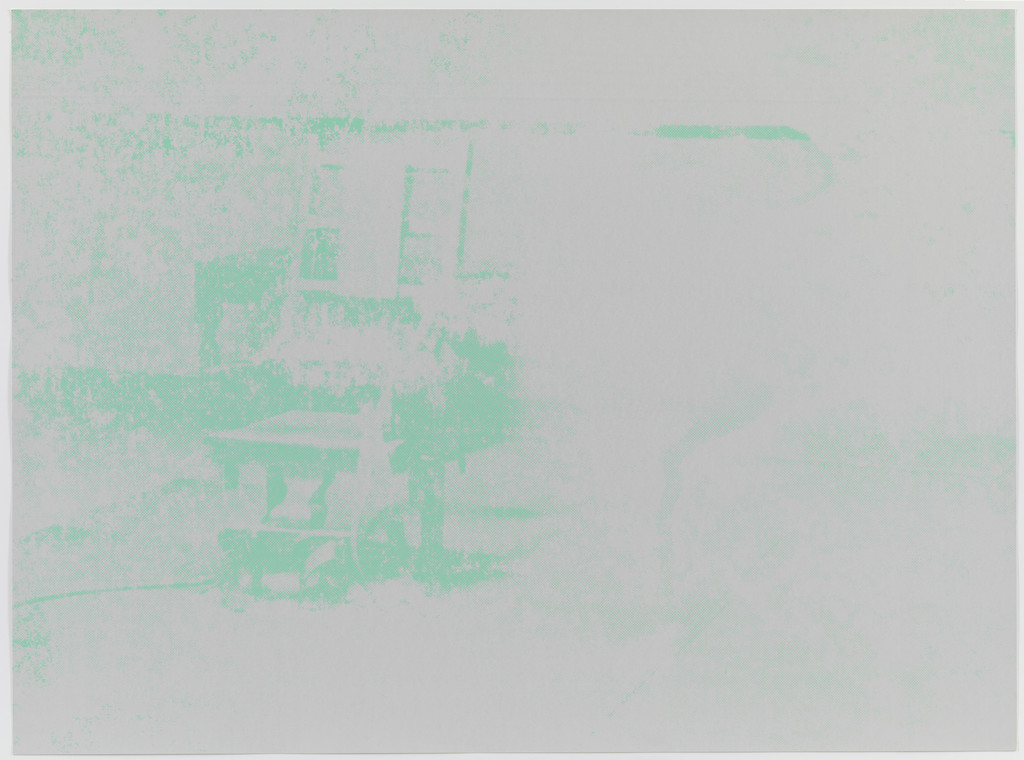
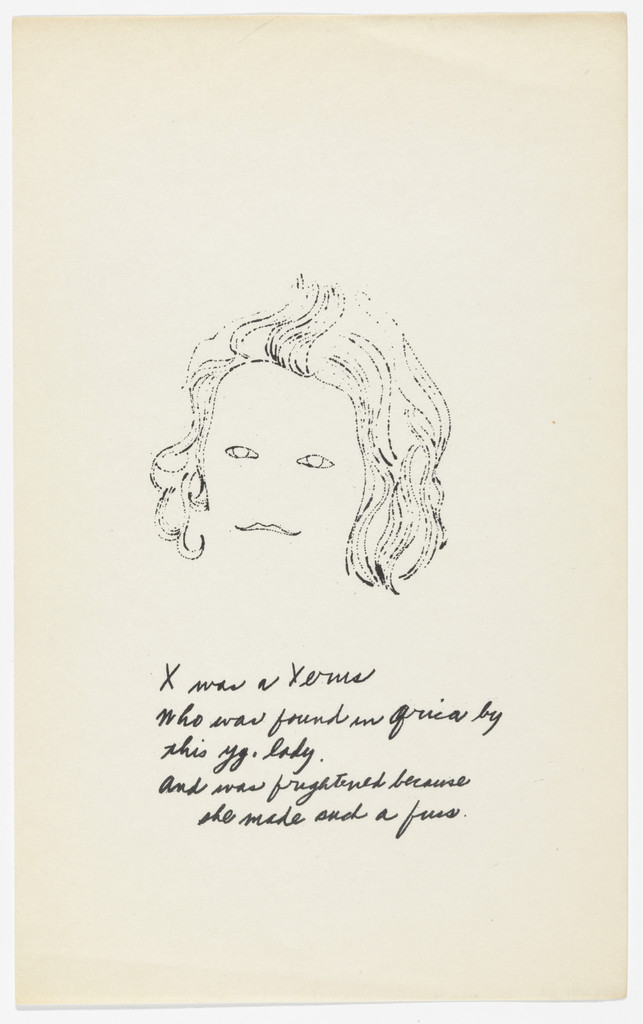
![Untitled ([Early Work] Woman), Andy Warhol, (c. 1946)](https://www.moma.org/media/W1siZiIsIjI2ODkwOSJdLFsicCIsImNvbnZlcnQiLCItcmVzaXplIDEwMjR4MTAyNFx1MDAzZSJdXQ.jpg?sha=5691c6384b78ef19)
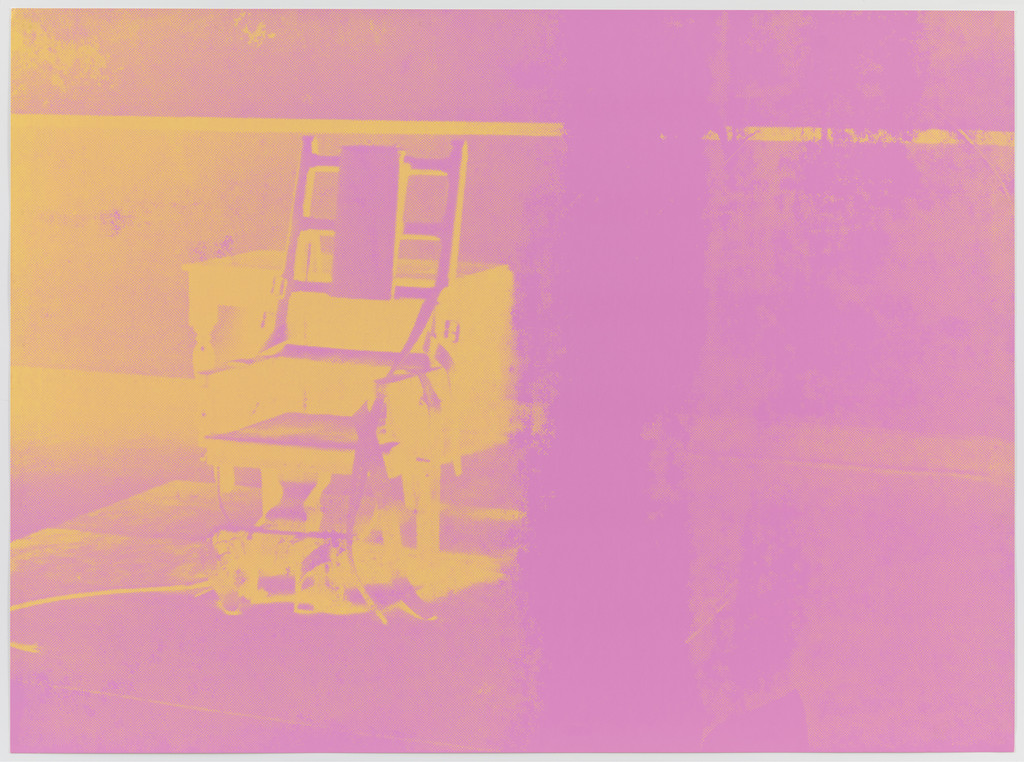
![Untitled ([Early Work] Woman), Andy Warhol, (c. 1946)](https://www.moma.org/media/W1siZiIsIjI2ODkwOCJdLFsicCIsImNvbnZlcnQiLCItcmVzaXplIDEwMjR4MTAyNFx1MDAzZSJdXQ.jpg?sha=d74babcbff5d3733)