Oskar Schlemmer德国, 1888–1943
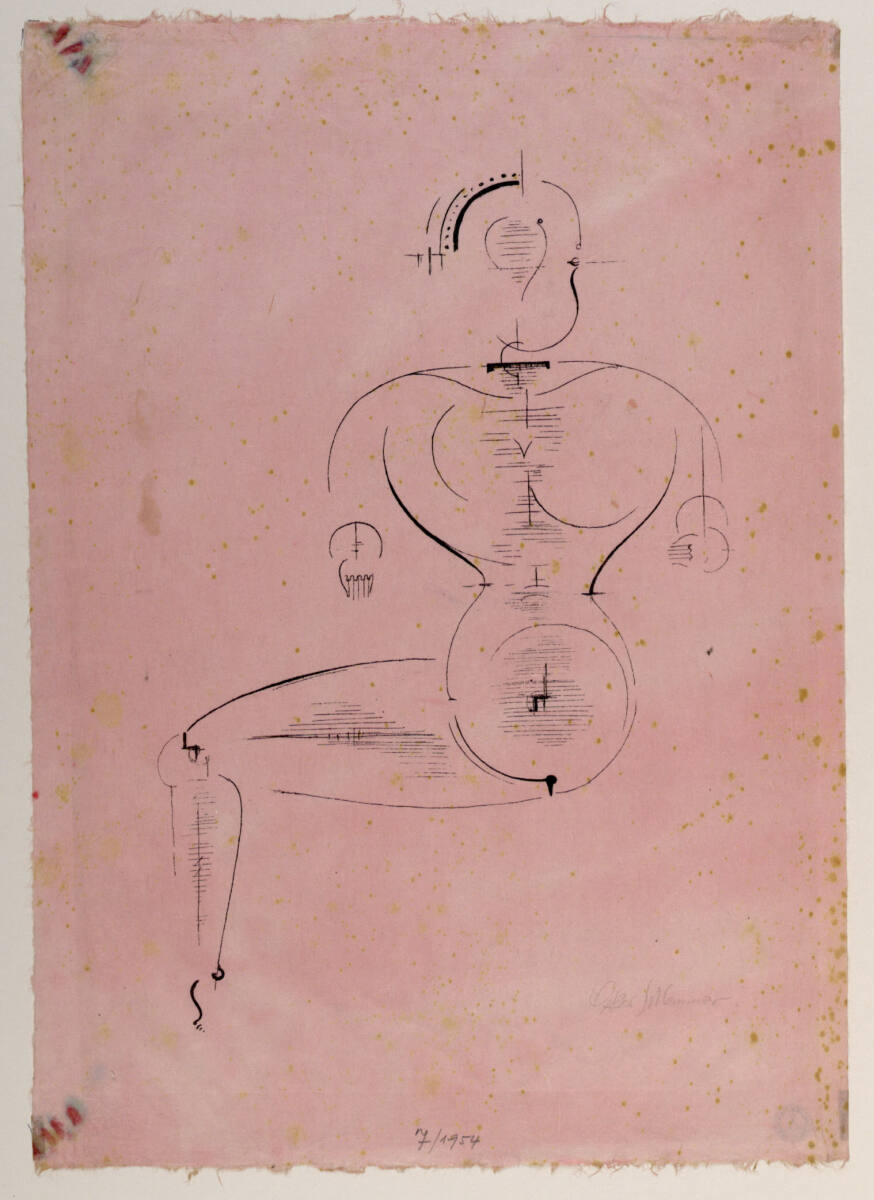
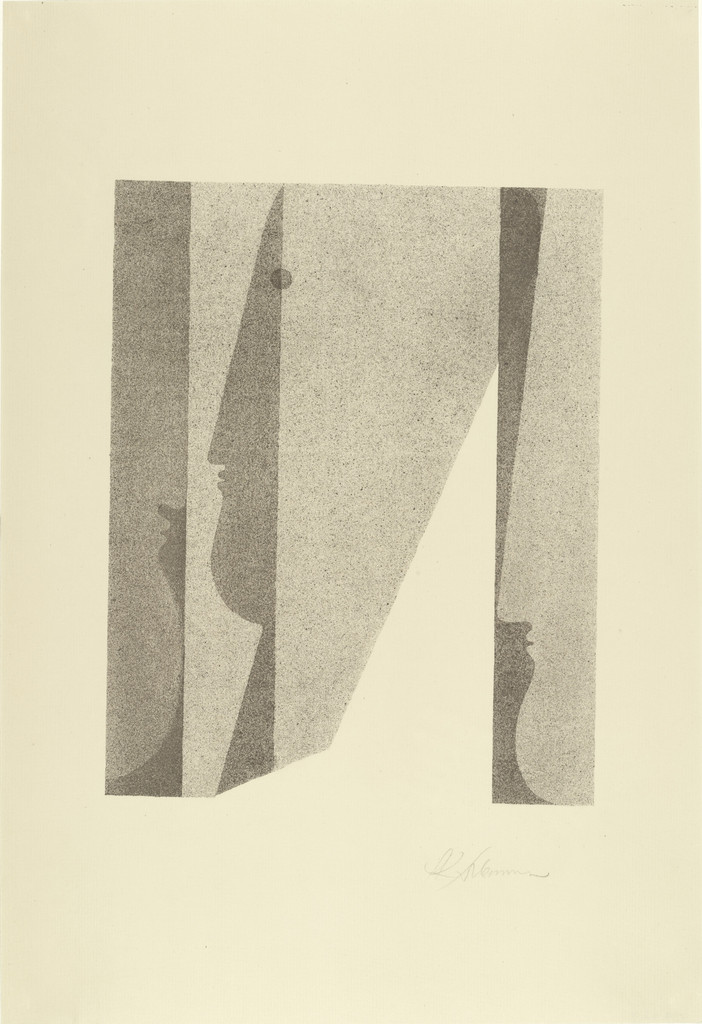
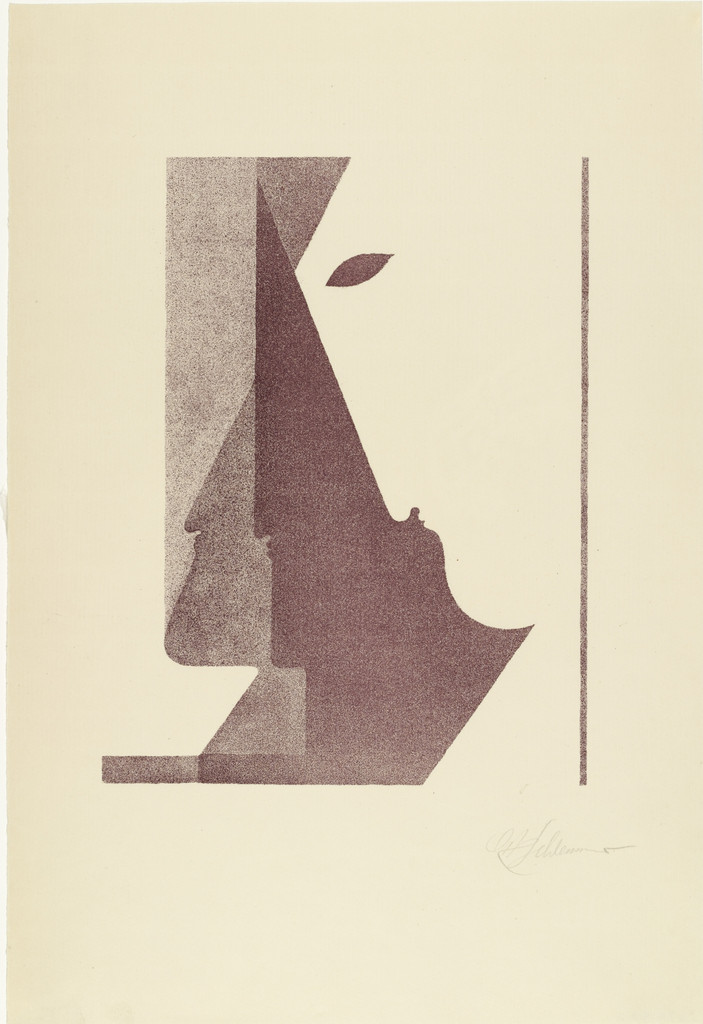
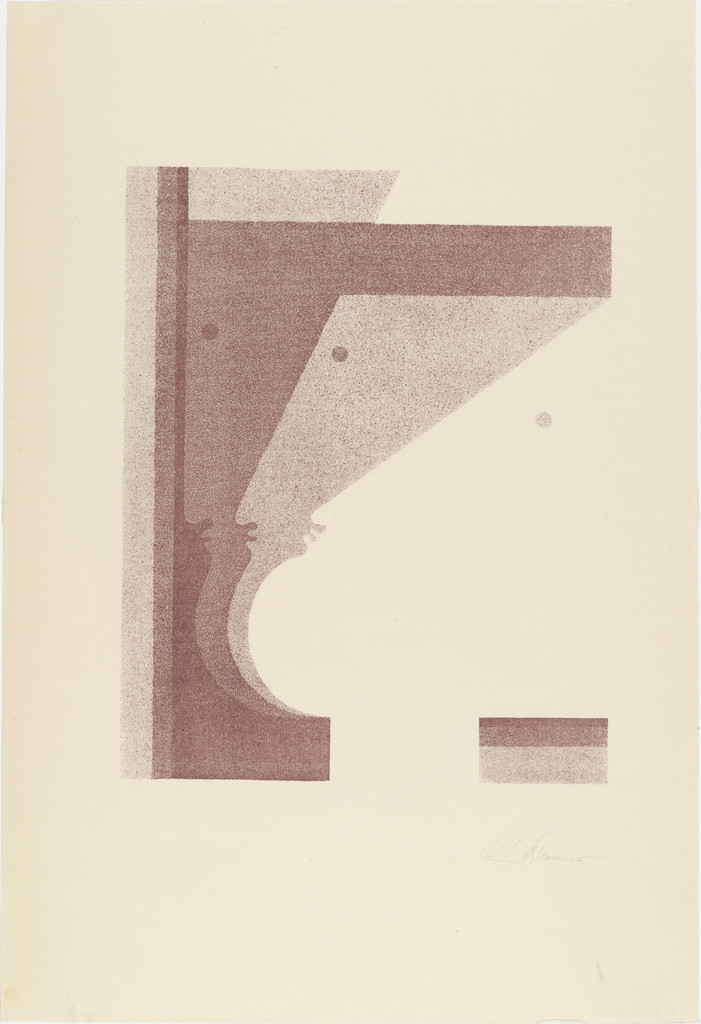
Zittende figuur
能看到吗?
不明
《Zittende figuur》现在在哪里? 收藏方: 阿姆斯特丹国家博物馆, 阿姆斯特丹. 不明.

阿姆斯特丹, 荷蘭
所有者已知,目前是否展出尚不清楚。
- 出处
- 博物馆
作品信息
- 馆藏编号
- RP-P-1948-389
画面内容
已收入目录
出处
- 阿姆斯特丹国家博物馆
- 图片: 阿姆斯特丹国家博物馆 — public domain
Oskar Schlemmer当时的生活
完整生平1920
Gropius invites Schlemmer to the Weimar Bauhaus
Walter Gropius invites Schlemmer to the Bauhaus in Weimar: by one account he runs the mural-painting and sculpture departments, by another he first heads the metal workshop and from 1922 the sculpture workshop.
1920
Marries Helena Tutein
In 1920 Schlemmer marries Helena Tutein; after the wedding he is invited to Weimar by Walter Gropius.
1920–1928
Employed by: Bauhaus
1920–1929
Develops the course “Der Mensch”
During his Bauhaus years Schlemmer develops the multidisciplinary course “Der Mensch” (The Human Being): in the human form he saw a measure that could provide a foothold in the disunity of his time.
1923
Takes over the theatre workshop from Lothar Schreyer
In 1923 Schlemmer becomes Master of Form at the Bauhaus theatre workshop, taking it over from Lothar Schreyer. His complex ideas prove influential, making him one of the most important teachers at the school at that time.
1923
The influence of Metaphysical painting
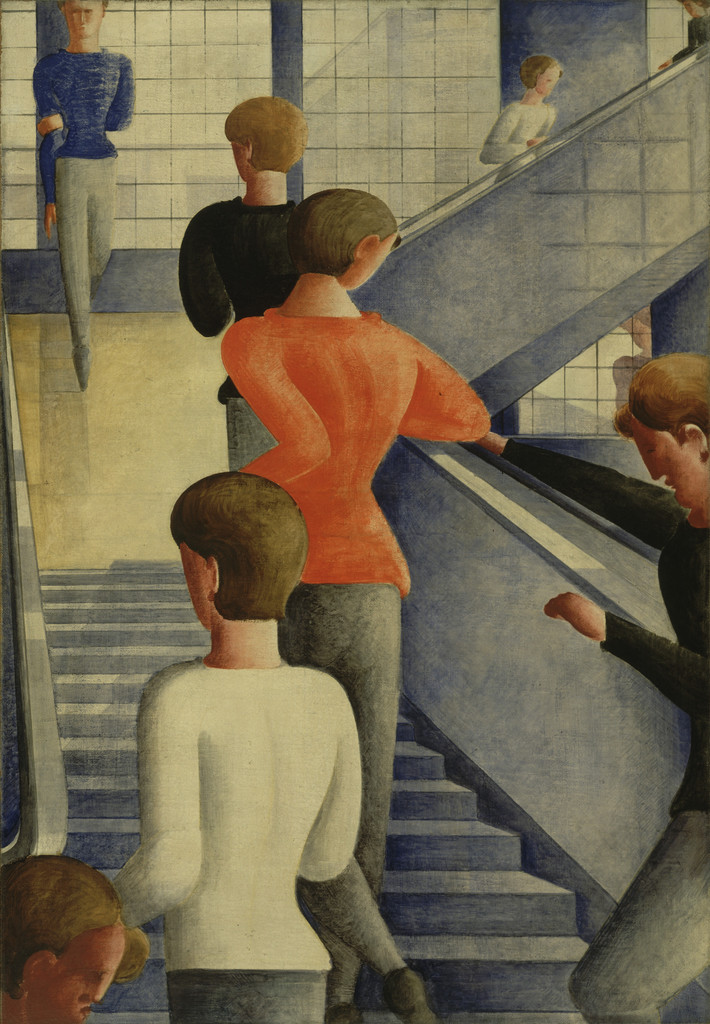
From 1923 Schlemmer’s style is strongly influenced by Metaphysical painting (Pittura Metafisica): the number of figures in his pictures noticeably decreases, and they are arranged on a clearly divided surface in a choreographic order that reflects universal harmony. The National Gallery in Berlin and the Folkwang Museum in Essen acquire works from this period, and recognition and fame come to the artist.