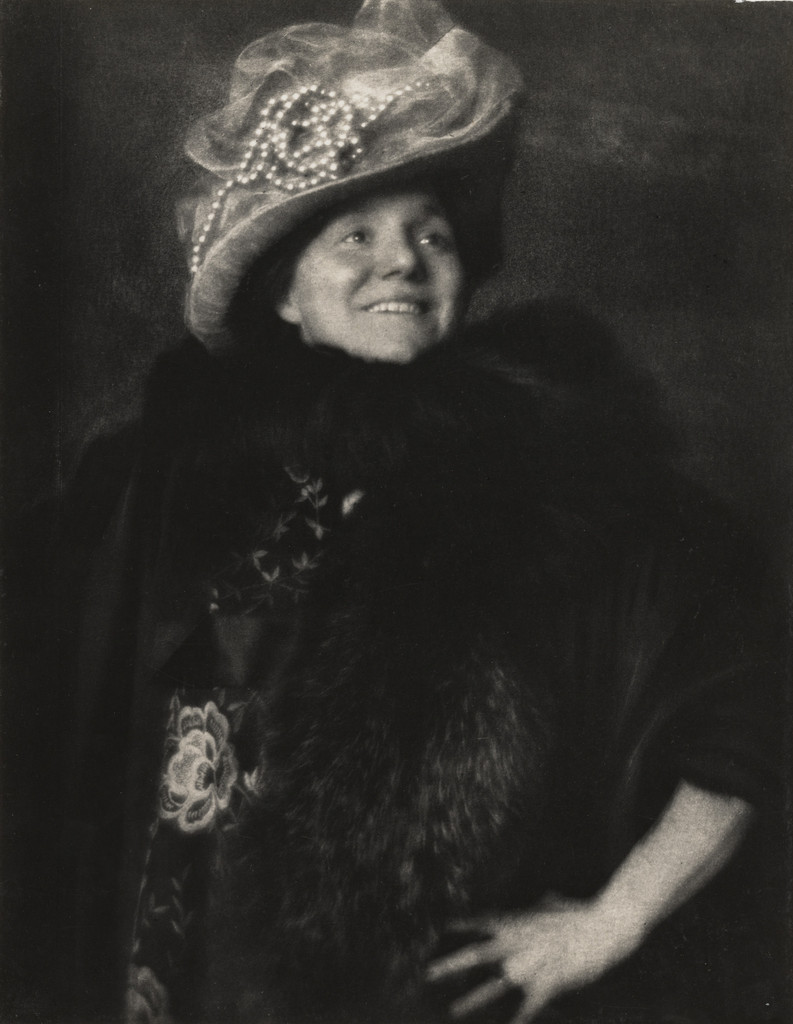
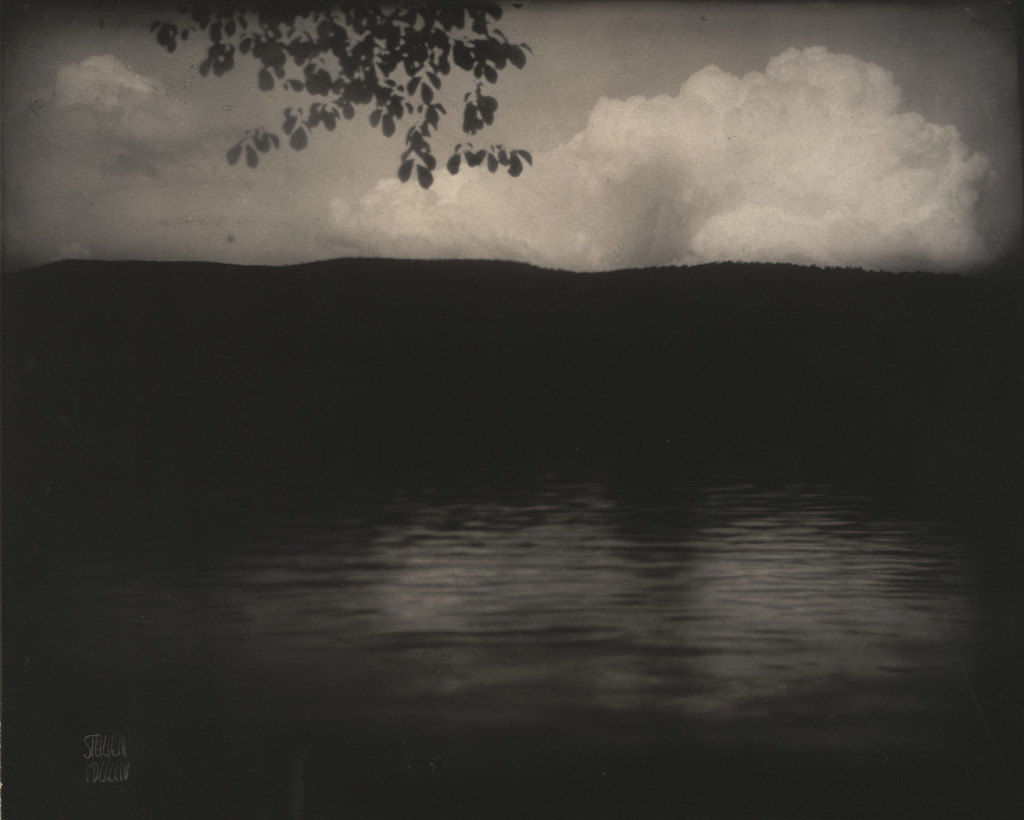
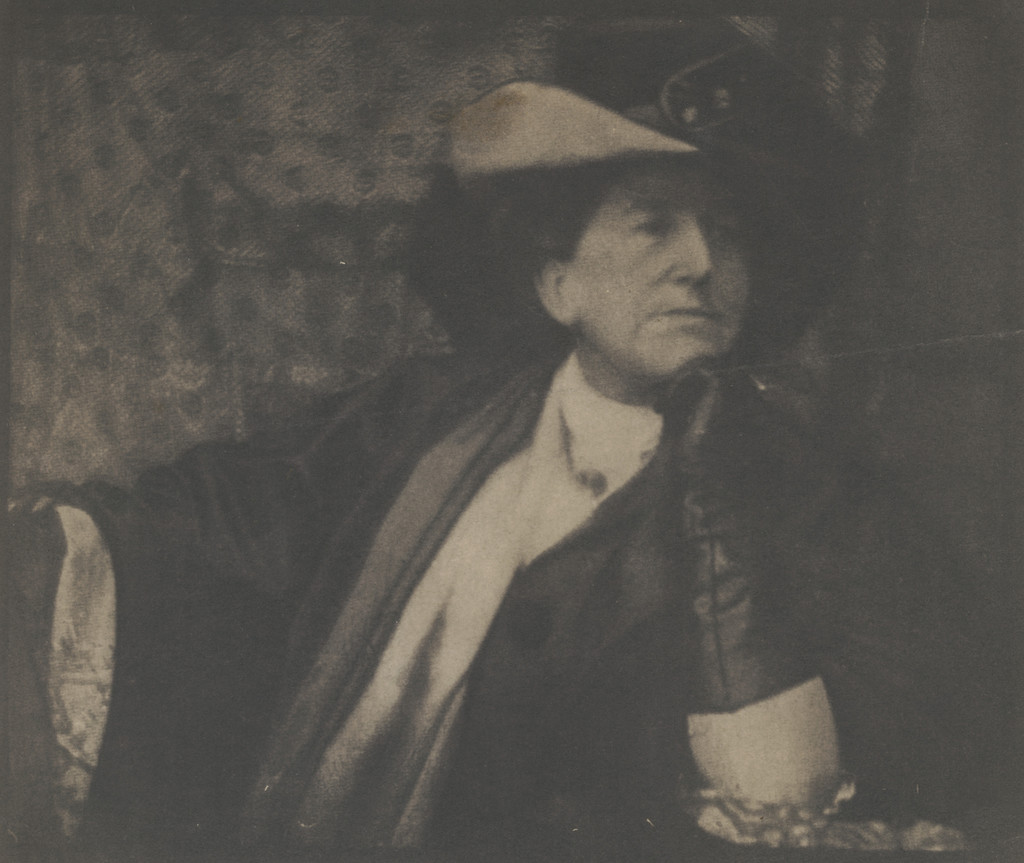
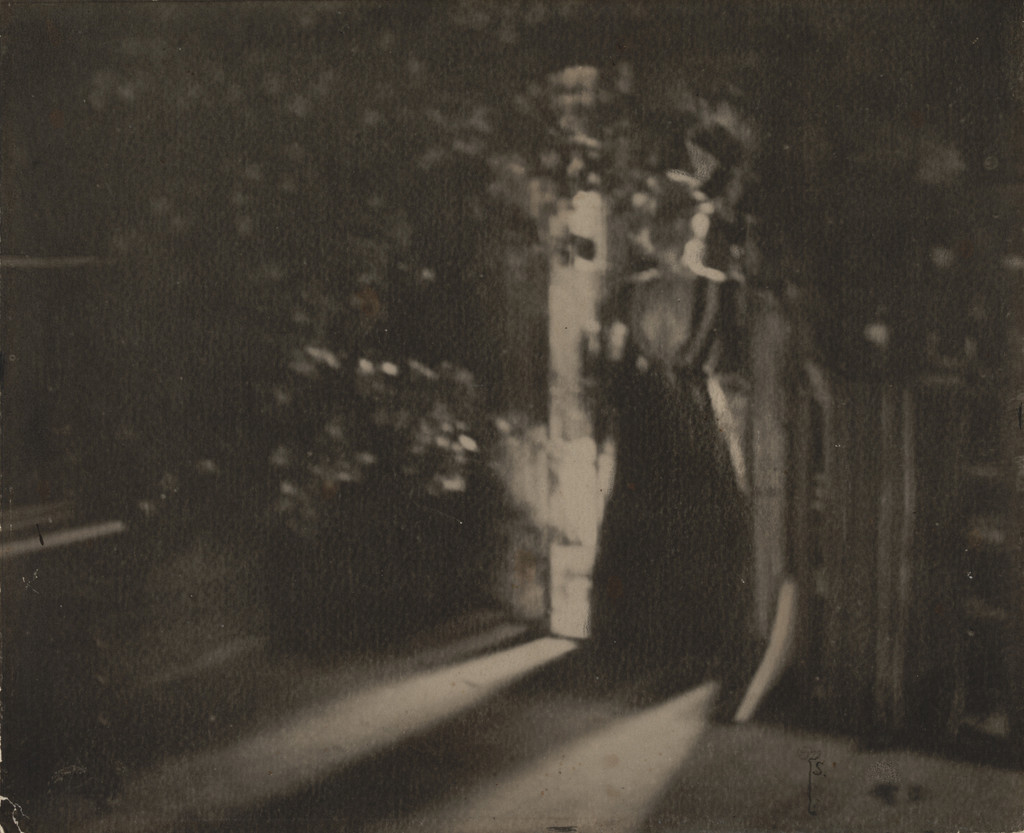
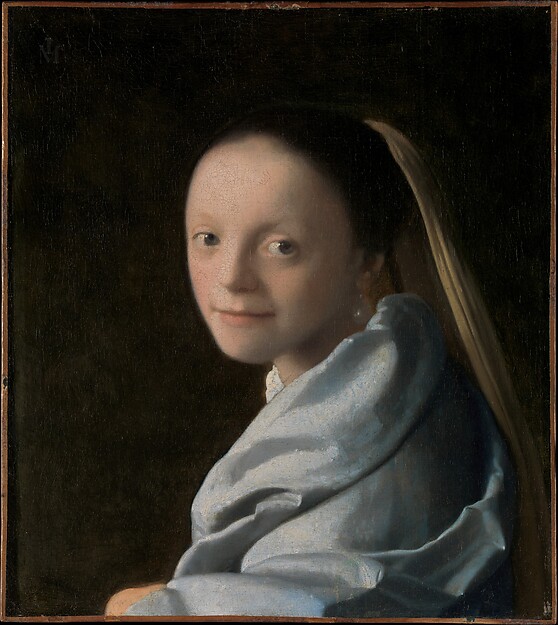
Edward Steichen美国, 1879–1973
Vrouw met zwarte vaas
能看到吗?
不明
《Vrouw met zwarte vaas》现在在哪里? 收藏方: 阿姆斯特丹国家博物馆, 阿姆斯特丹. 不明.

阿姆斯特丹, 荷蘭
所有者已知,目前是否展出尚不清楚。
- 出处
- 博物馆
作品信息
- 馆藏编号
- RP-F-2001-7-1200-6
画面内容
已收入目录
出处
- 阿姆斯特丹国家博物馆
- 图片: 阿姆斯特丹国家博物馆 — © the artist or rights holder
Edward Steichen当时的生活
完整生平1894
Pio Nono College and a lithography apprenticeship
At fifteen he enters the Catholic boys’ school Pio Nono College, where his talent for drawing is noticed; he later quits it for a four-year lithography apprenticeship with the American Fine Art Company in Milwaukee. After hours he sketches and begins to teach himself painting.
1895
First camera: the start of photography
Having discovered a camera shop near his work, he buys a secondhand Kodak box “detective” camera and begins to practise photography. He and his friends, who are interested in drawing and photography, then pool their funds and rent a small room in Milwaukee, calling themselves the Milwaukee Art Students League and hiring Richard Lorenz and Robert Schade for occasional lectures.
1899
Photographs at the Philadelphia Salon
His photographs are exhibited at the second Philadelphia Photographic Salon.
1900
Meets Stieglitz on the way to Paris
He leaves Milwaukee for Paris to study art; on a letter of introduction from Clarence H. White he meets Alfred Stieglitz in New York, who praises his background in painting and buys three of his photographic prints. He will spend several years in Paris and discover avant-garde art there.
1900
American citizenship
He becomes a US citizen and signs the naturalization papers as Edward J. Steichen, but goes on using his birth name, Éduard, until after the First World War.
1902
The Camera Work logo and the Photo-Secession
When Stieglitz is planning the magazine that becomes Camera Work, he asks Steichen to design its logo with a custom typeface; Steichen becomes the most frequently shown photographer in the journal. In the same year he is one of the founders of the Photo-Secession in New York.