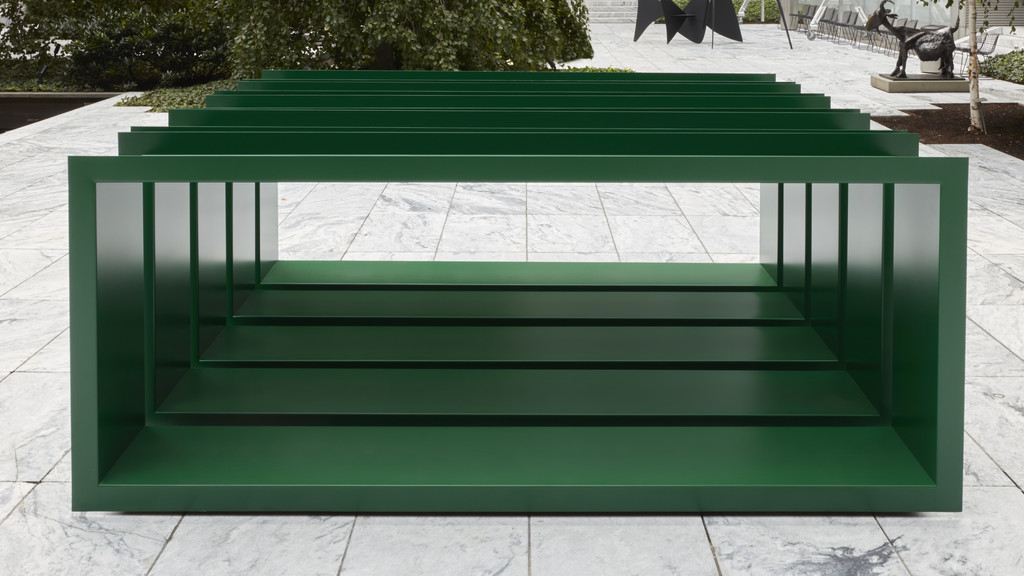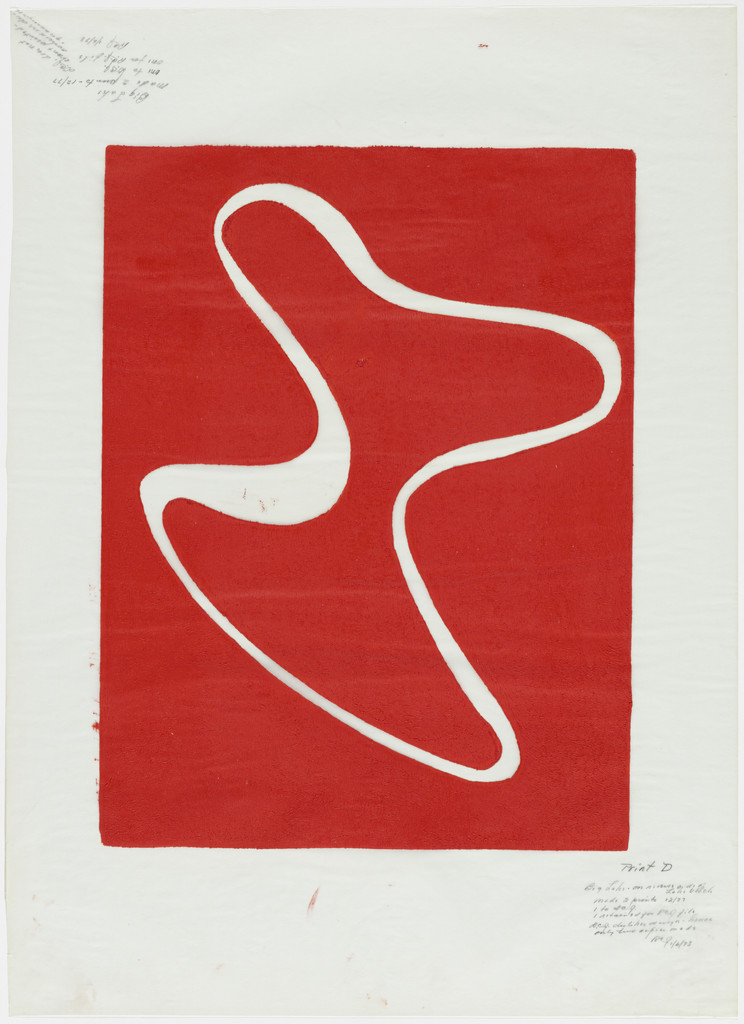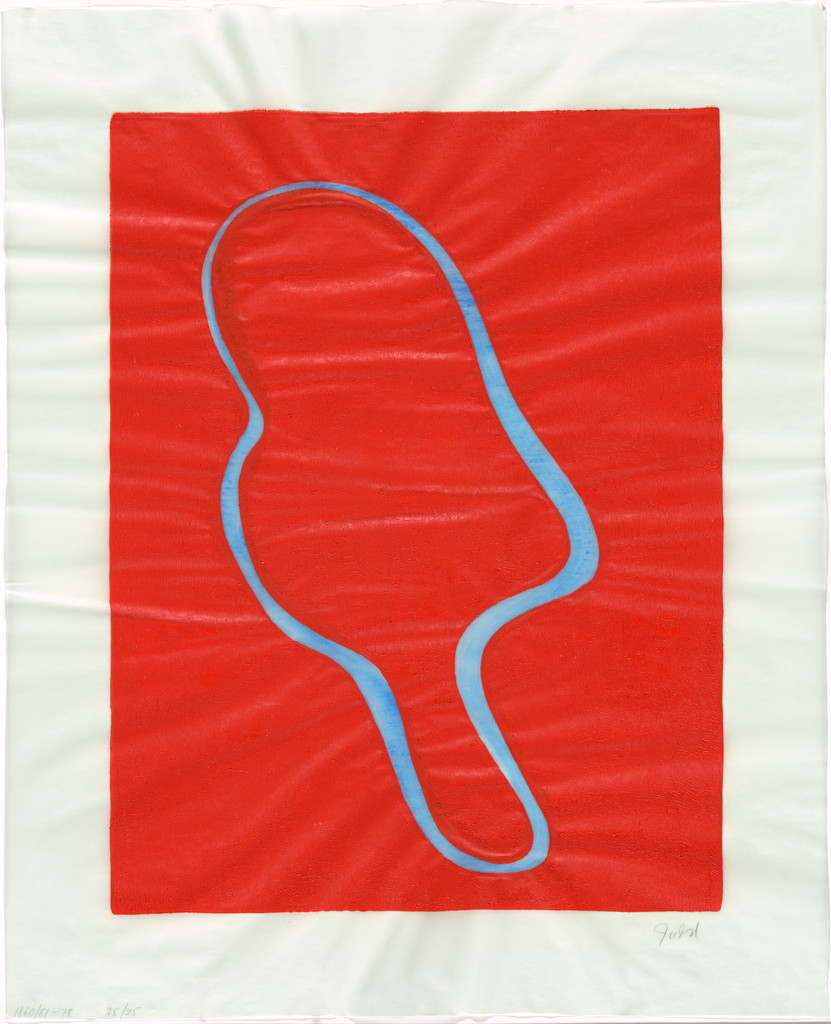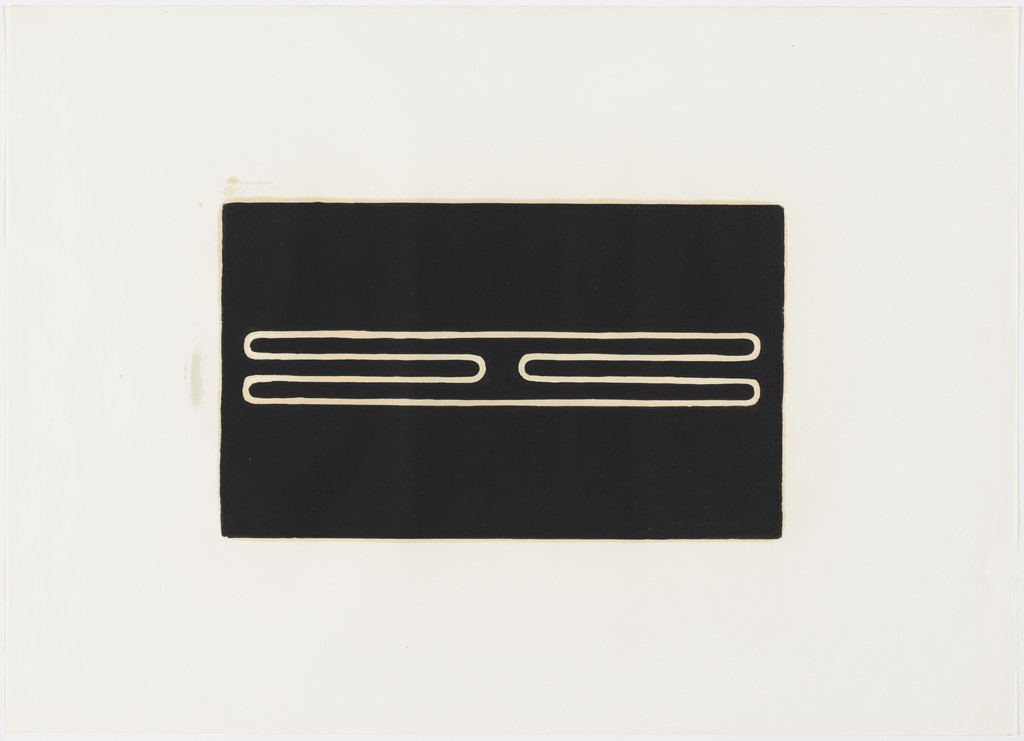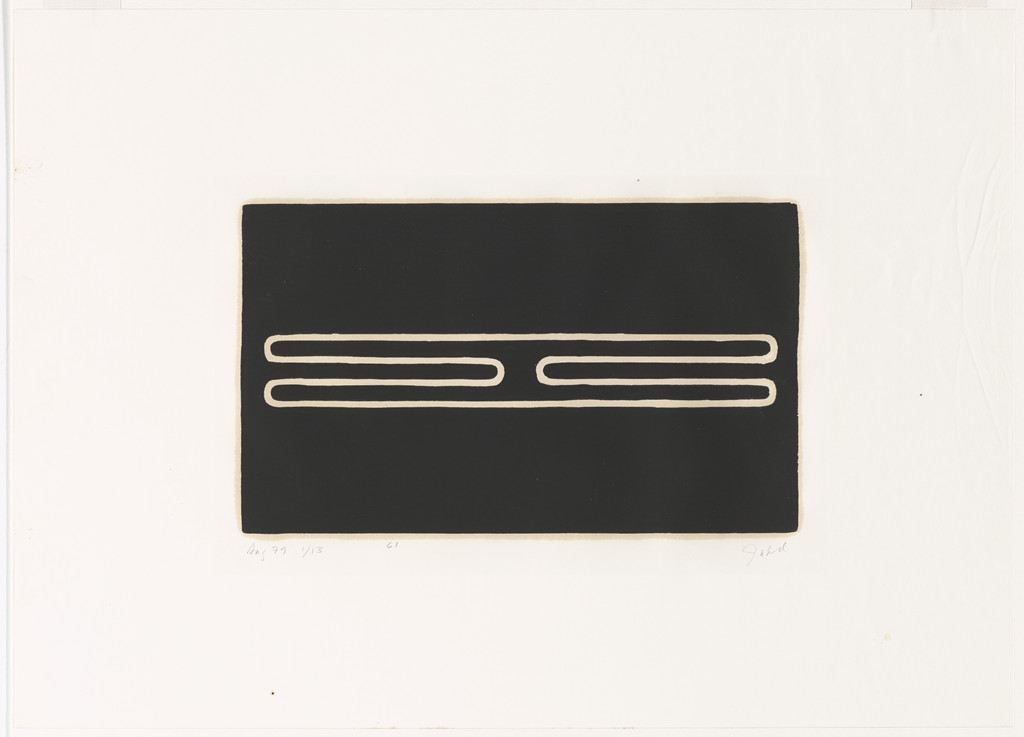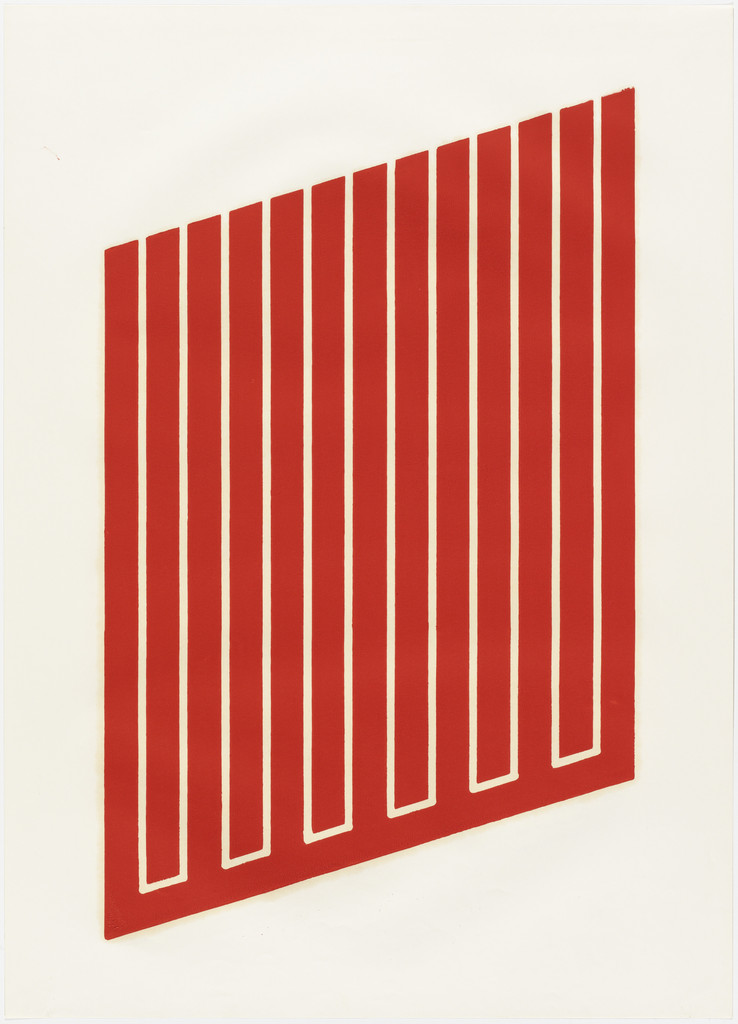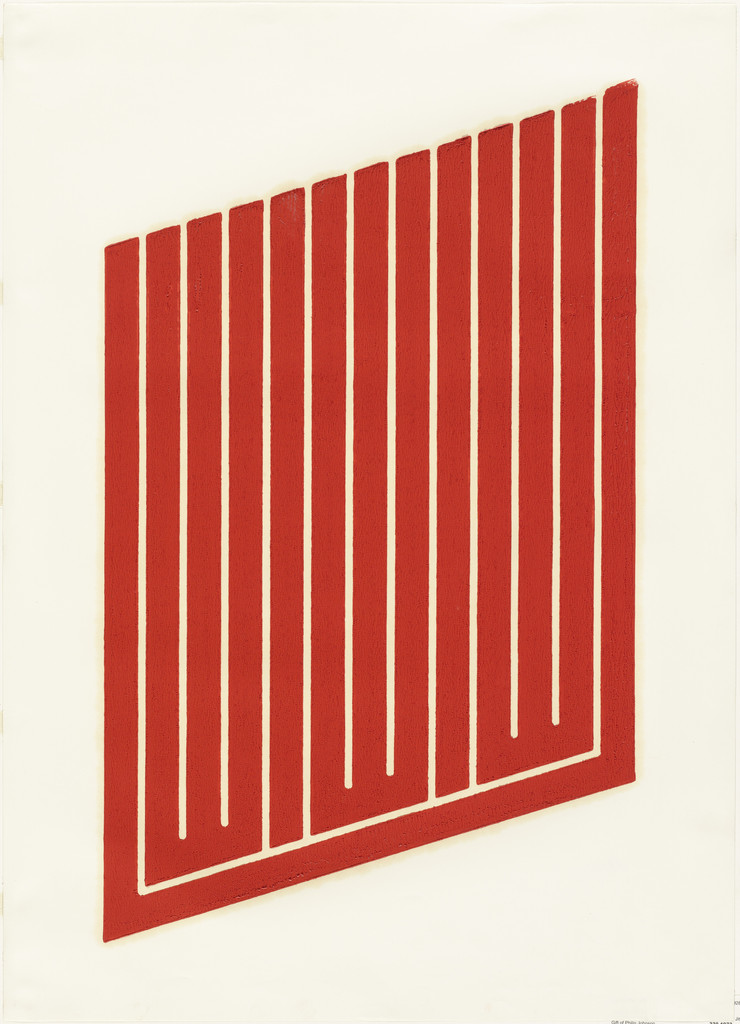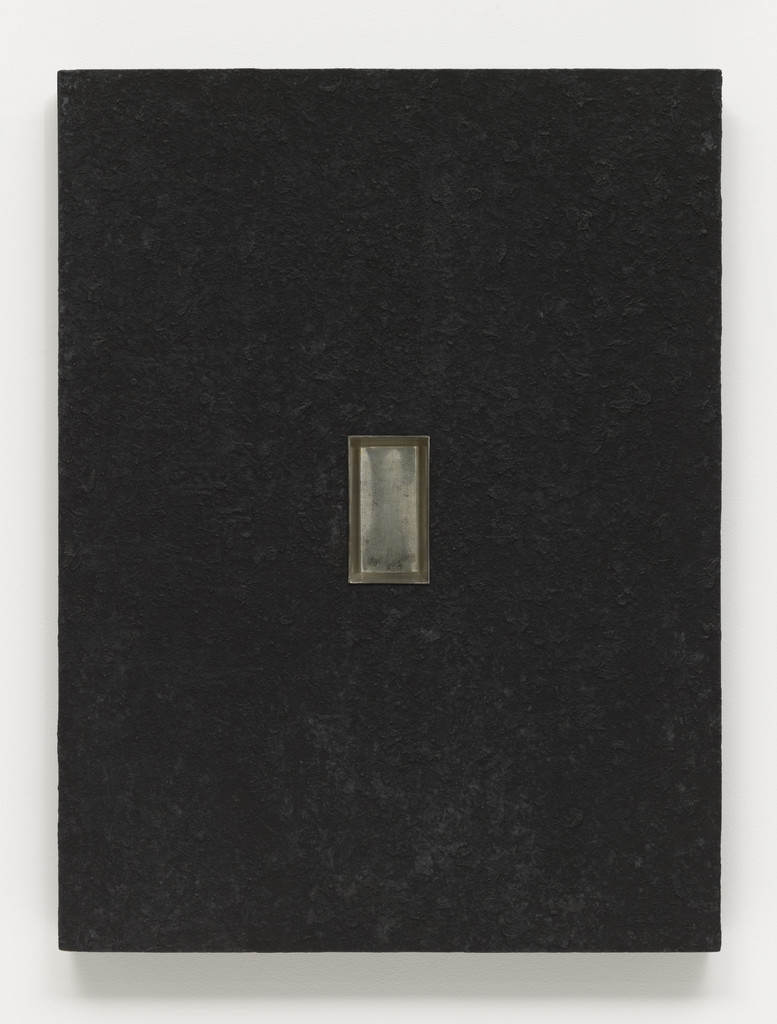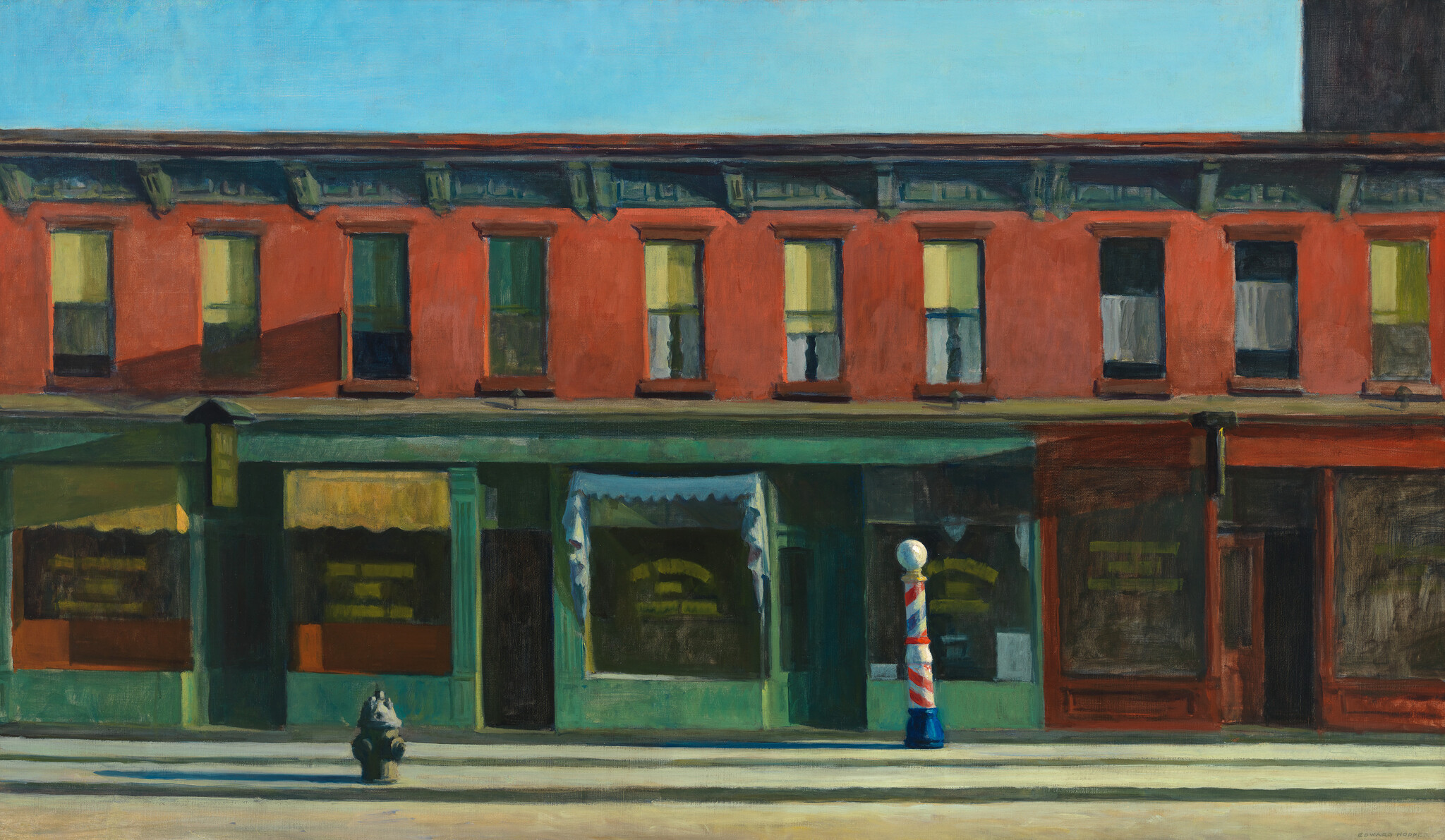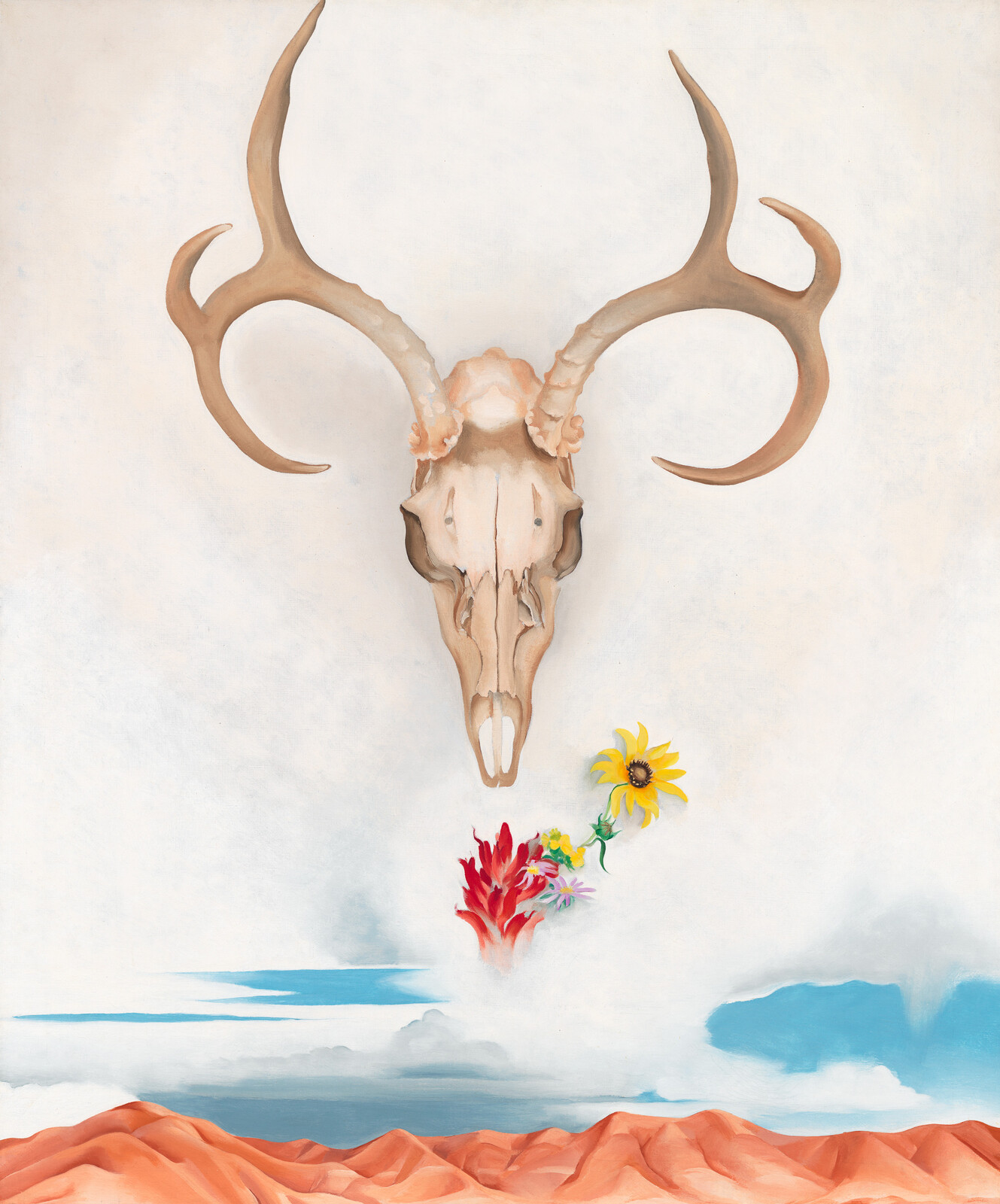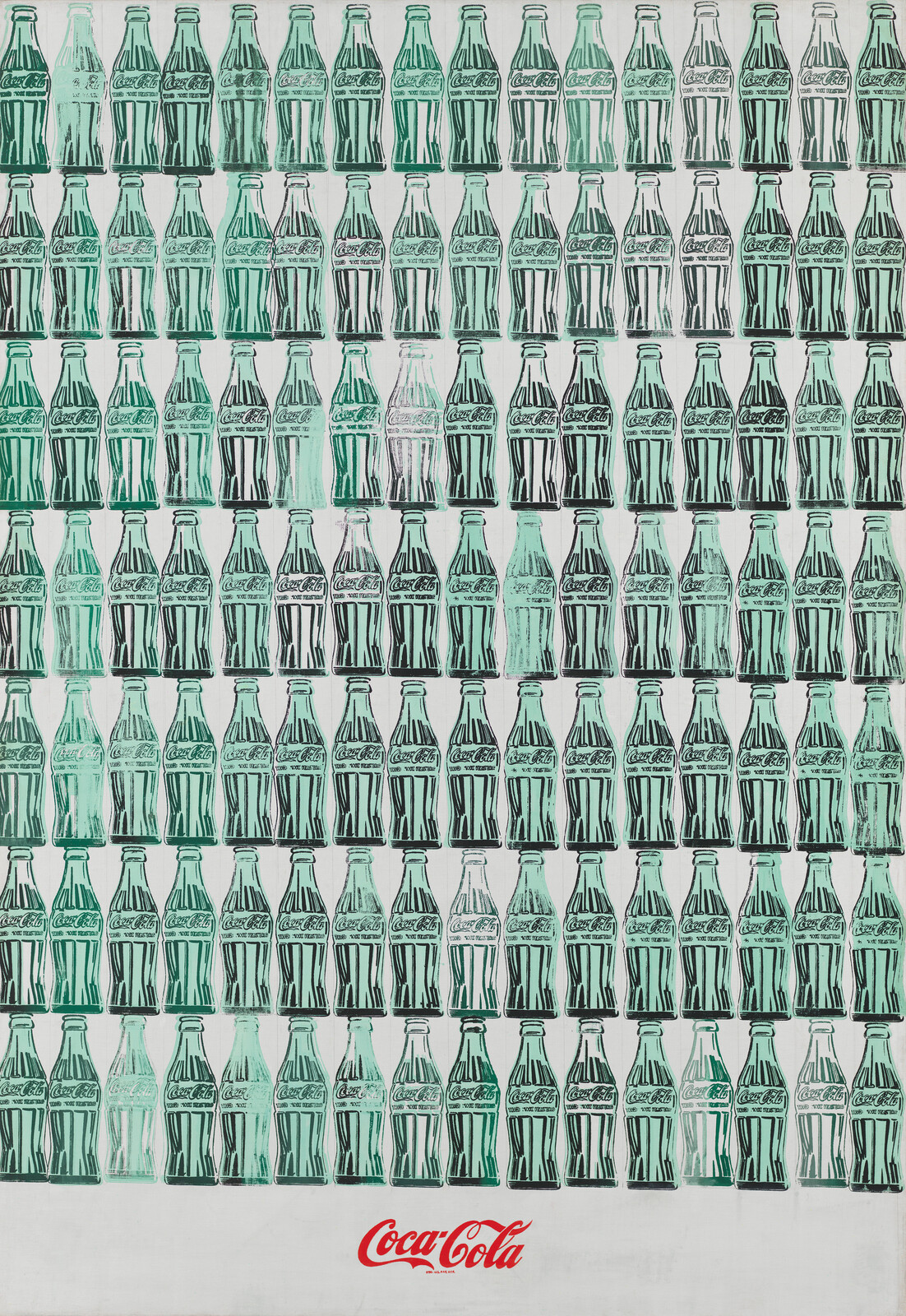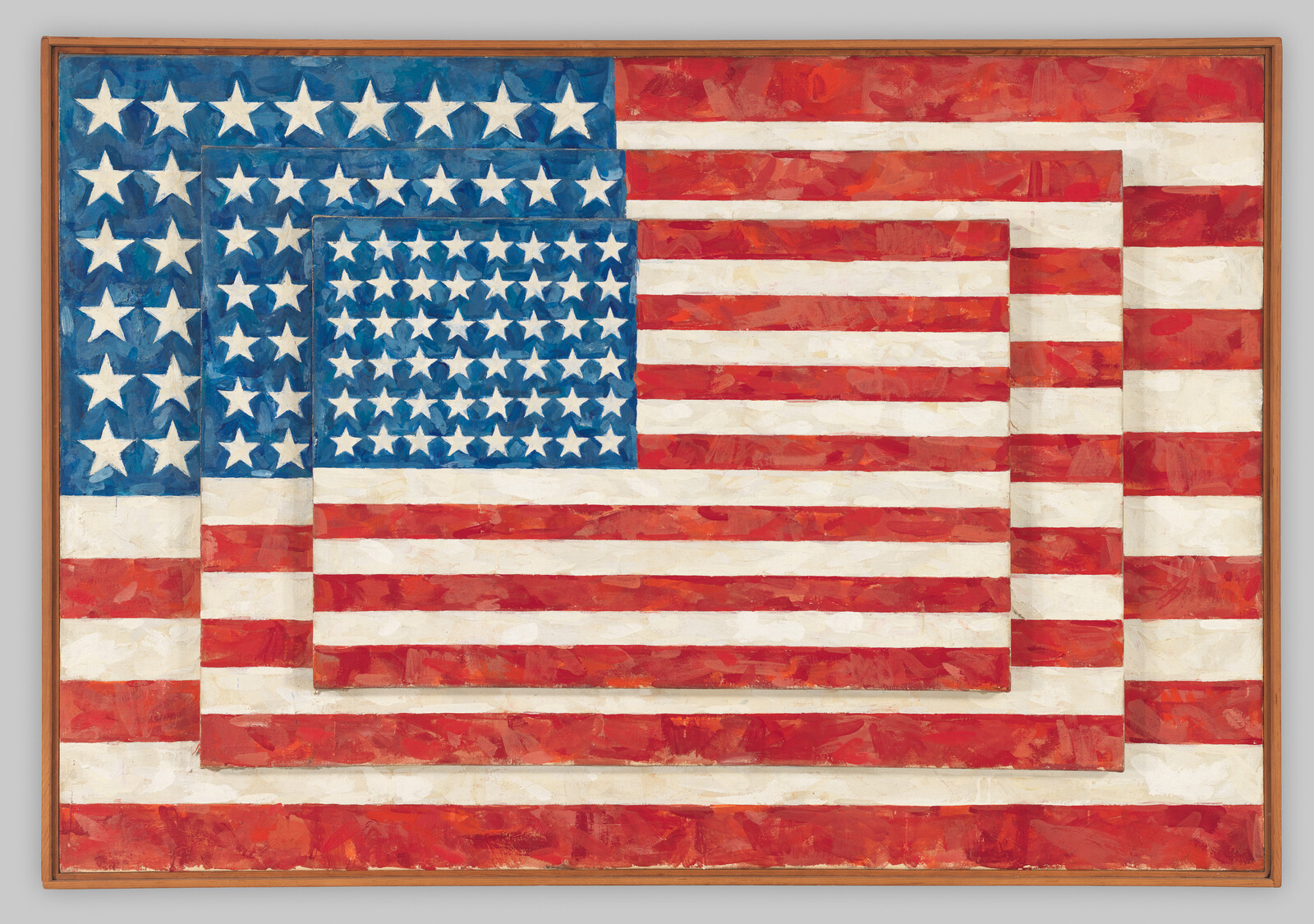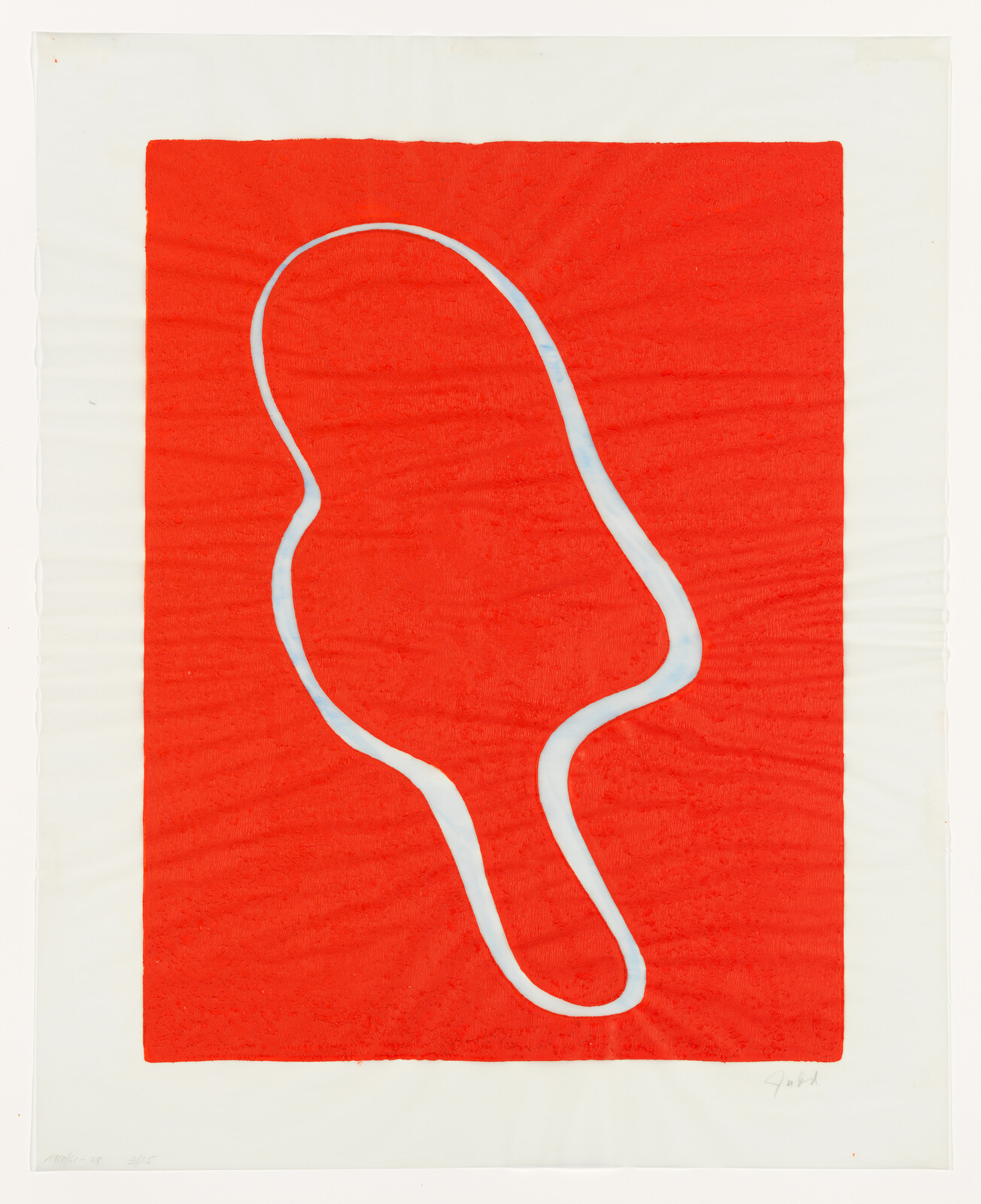
Untitled (S.22)
可否一睹真容?
眼下不见客

纽约, 美國
仍属馆藏,只是目前没有展出。
- 核实
- 出处
- 博物馆
作品信息
- 馆藏编号
- 98.41.2
已收入目录
出处
- 惠特尼美国艺术博物馆
- 图片: 惠特尼美国艺术博物馆 — © the artist or rights holder
与此同时,在Donald Judd的生活中
完整生平1963
Solo show at the Green Gallery
Judd’s next solo show after 1957 opens at the Green Gallery in 1963: he shows works he at last thought worthy of showing. By then he has established an essential vocabulary of forms — “stacks”, “boxes” and “progressions” — which will preoccupy him for the next thirty years.
1964
Writes the essay “Specific Objects”
Moving from painting to three-dimensional work, Judd writes the essay “Specific Objects” in 1964 (published in 1965 in Arts Yearbook 8): it finds a starting point for a new territory in American art and rejects inherited European values — illusion and represented space — in favour of real space. Among the examples he cites are Westermann, Samaras, Chamberlain, Jasper Johns, Dan Flavin, Ortman and Bontecou. He refuses to call his own works, made by small fabricators using industrial processes rather than sculpted, sculpture.
1964
Begins delegating fabrication to manufacturers
While Judd made his early works himself, in collaboration with his father, Roy Judd, in 1964 he begins to delegate fabrication, working from his drawings, to professional artisans and industrial manufacturers such as Bernstein Brothers.
1966
“Primary Structures” at the Jewish Museum
Judd shows two pieces at the seminal exhibition “Primary Structures” at the Jewish Museum in New York. In the panel discussion he challenges Mark di Suvero’s claim that real artists make their own art: the method should not matter as long as the result is art.
1971
Rents a house in Marfa, Texas
In 1971 Judd rents a house in Marfa, Texas; he will later buy numerous buildings there and acquire more than 32,000 acres (130 km²) of ranch land, together known as Ayala de Chinati.
1979
Buys desert land with the former Fort D. A. Russell
In 1979, with the help of the Dia Art Foundation, Judd buys a 340-acre (1.4 km²) tract of desert near Marfa that includes the abandoned buildings of the former U.S. Army Fort D. A. Russell; here the “Marfa Project”, now the Chinati Foundation, will take shape.