Gideon Rubin以色列, 英国
Untitled

关于作品
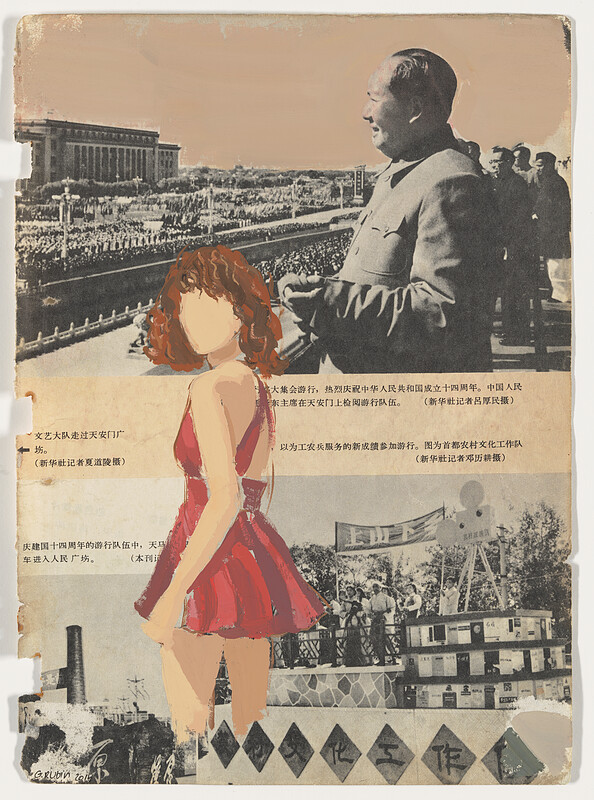
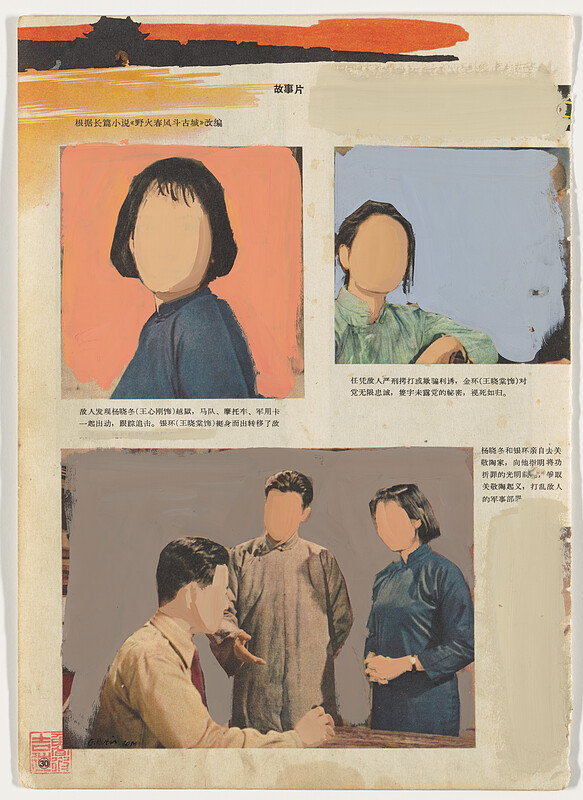
Figurative painter Gideon Rubin repurposes found anonymous photographs and published images as subjects for his portraits. Through a process of selection, editing, and distillation, Rubin creates nontraditional portraits that feature a disturbing absence; none of his figures have facial features. By removing his subjects from their original context and concealing identifying characteristics, he maintains their anonymity and invites open interpretation. Indeed, he encourages viewers to fill in the voids with their own memories and experiences, generating a multiplicity of meanings and narrative possibilities. Here, Rubin repurposes a page removed from a mid 20th-century Chinese film magazine. These popular illustrated magazines, known as hua bao, were banned by Chinese leader Mao Zedong during the Cultural Revolution (1966-1976) for being insufficiently communist.
Read on
Rubin paints directly on the printed images, eliminating background context and highlighting the faceless figures. Though the magazine's original story is largely hidden, Rubin presents an opportunity for a new story to be told.
明尼阿波利斯美術館
作品信息
- 馆藏编号
- 2025.35.2
已收入目录
出处
- 明尼阿波利斯美術館: the museum's own open data · 6天前获取
- 图片: 明尼阿波利斯美術館 — © Minneapolis Institute of Art